Science myths people still believe in 2026 — and why our brains love them

Humans continue to believe in several myths that have been dismissed by science. Some of them are commonly used in the form of phrases in our everyday lives. Why do we love repeating and pushing something that is not true?
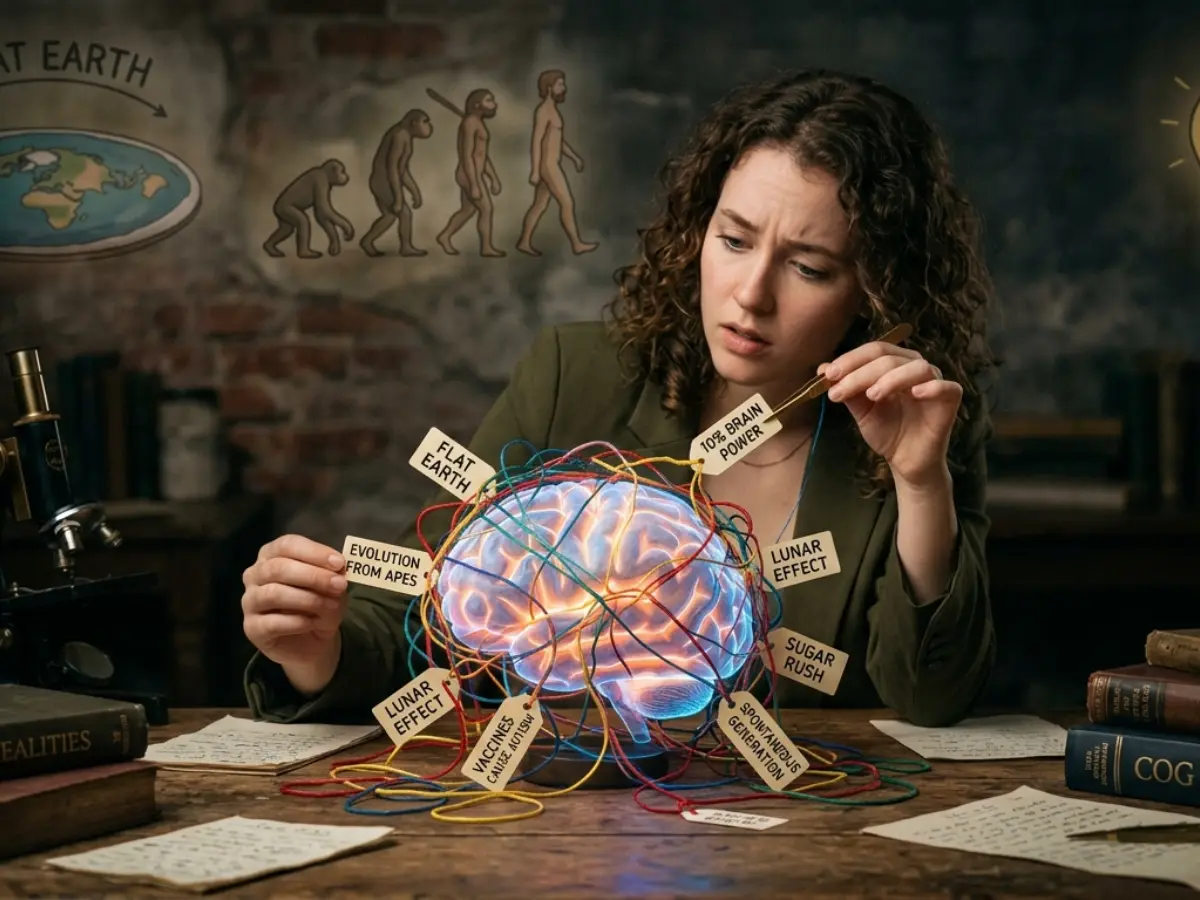
Science myths spread faster than facts
Do you also believe that sugar makes kids hyperactive, or that humans only use a certain percentage of their brains? If yes, then you are not alone. However, sorry to break it to you, but these are purely science myths that people have believed for decades. The reason why such myths continue to gain life is that the human brain prefers simple explanations, memorable stories, emotionally satisfying ideas, and information that confirms existing beliefs. When something resonates with you, the belief gets stronger. Myths spread faster than scientific nuance. Research on cognitive bias and misinformation shows people are more likely to remember surprising or emotionally charged claims than careful factual corrections. Here are some of the biggest science myths people still believe in 2026, and the psychology behind them.

Myth 1: Humans use only 10% of their brain
This is one of the most persistent myths in modern culture, which is often reinforced by movies, motivational speakers, and pop psychology. However, brain imaging shows humans use virtually all regions of the brain at some time, even during ordinary tasks or sleep. The proof lies in the fact that damage to tiny brain areas can also produce major impairments. If 90% of our brain were "unused", this would not happen.
Why people love it
The myth offers a fantasy of hidden potential: "Imagine what you could achieve if you unlocked the other 90%."
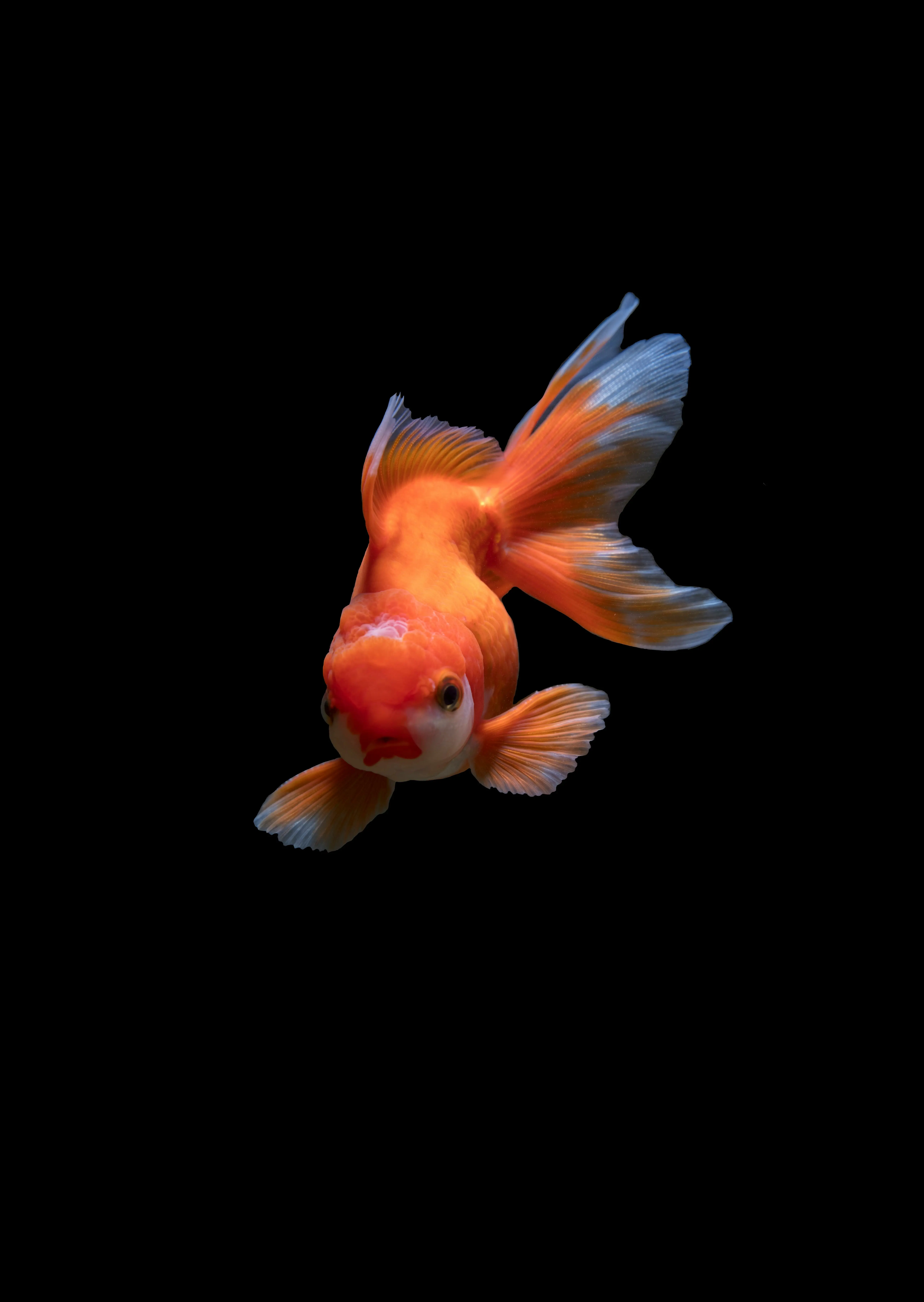
Myth 2: Goldfish have a 3-second memory
For decades, people have believed that goldfish can only remember things for three seconds. The term “goldfish memory” is often used to indicate forgetfulness. However, experiments have shown goldfish can learn routines, navigate environments, and remember information for months.
Why people love it
The idea is funny, easy to repeat, and is a wittier way to tease someone about forgetfulness.

Myth 3: Cracking your knuckles causes arthritis
Hearing someone crack their knuckles is a major ick for some people. So they came up with this fear tactic, telling others how it could trigger arthritis. But studies have found no strong evidence linking knuckle cracking to the condition that is actually linked to 100 different disorders.
Why people love it
The sound feels unpleasant or unhealthy, so people started reinforcing it as a way to stop someone from doing it. The brain often assumes, “If something sounds bad, it must be harmful.”

Myth 4: Sugar makes children hyperactive
This is the one belief that parents have held onto for the longest time. They avoid giving sweets to kids near bedtime to ensure they are lethargic at night. However, controlled studies have repeatedly failed to show strong evidence that sugar directly causes hyperactivity in most children.
Why people love it
Kids are hyperactive at birthday parties where sugar is everywhere. This reinforces the myth. Psychologists call this confirmation bias, where people notice behaviours that support what they already believe while ignoring contradictory evidence.

Myth 5: The Great Wall of China is visible from space
Another belief that almost everyone talks about is that the Great Wall of China can be seen from space. But astronauts have repeatedly explained that the wall is extremely difficult to see with the naked eye from orbit.
Why people love it
The myth flatters human achievement: “We built something so massive it can be seen from space.”

Myth 6: Bats are blind
The idiom "blind as a bat" stems from the belief that bats cannot see. But whoever came up with it, probably did not bother to learn about bats. Scientists say that bats have functional eyes, and some species, like fruit bats, have better eyesight than even humans.
Why people love it
The phrase “blind as a bat” has been in use since before modern biology explained bat vision.

Myth 7: Lightning never strikes the same place twice
Not true. Lightning targets tall structures, and can often hit the same one repeatedly. The Empire State Building, for example, is struck many times per year. Even this belief has a phrase associated with it - "Lightning doesn't strike twice", but it is wrong.
Why people love it
Humans naturally misunderstand probability and randomness. Rare events feel “finished” after they happen once.
)
)
)
)
)