Real-life Vibranium? 5 materials in the real world that are close to Marvel comics' wonder metal

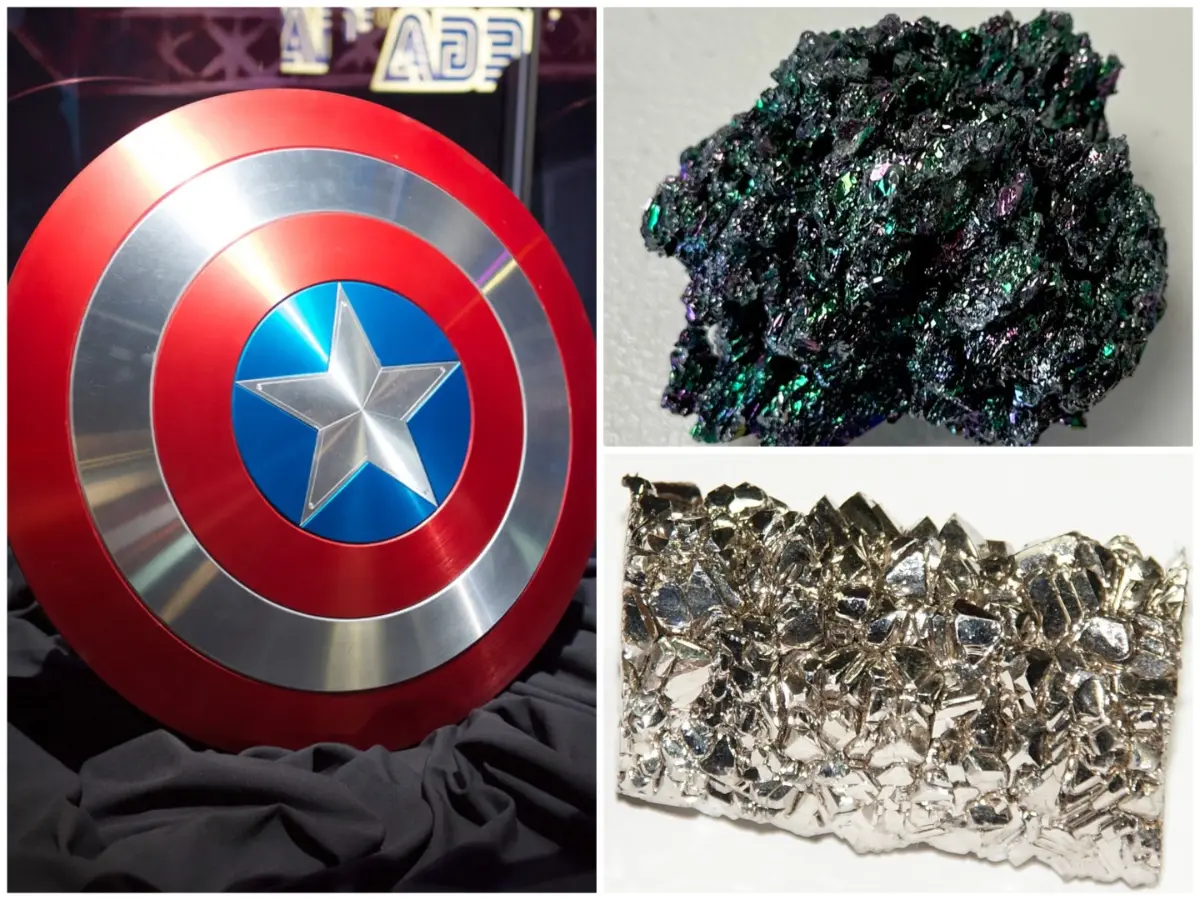
Vibranium is a fictional metal which was shown in Marvel movies with unique abilities to absorb, store, and release kinetic energy, making it nearly impossible to replicate in the real world. However, some real elements and materials possess traits with similarities to vibranium.
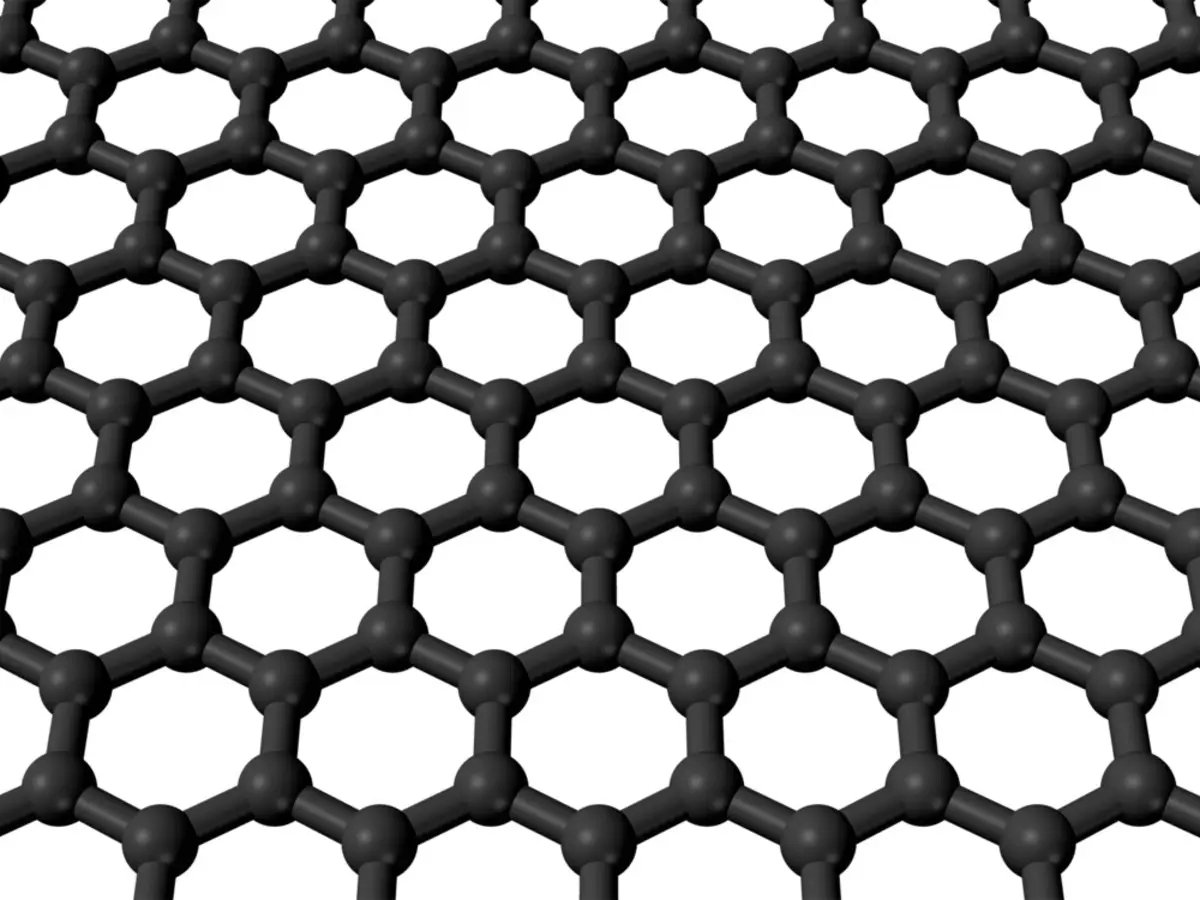
Graphene
Graphene, an allotrope of carbon consisting of a single layer of atoms in a hexagonal lattice, is renowned for its exceptional tensile strength, electrical conductivity, and ability to dissipate energy. Its strong atomic bonds make it extremely difficult to break, similar to vibranium's resilience. It is currently used in faster-charging batteries and LED lightbulbs. Its applications in other areas like water filtration, medical sensors, and protective coatings are still emerging. We can find graphene in some headphones, sporting equipment, and flexible touchscreens.
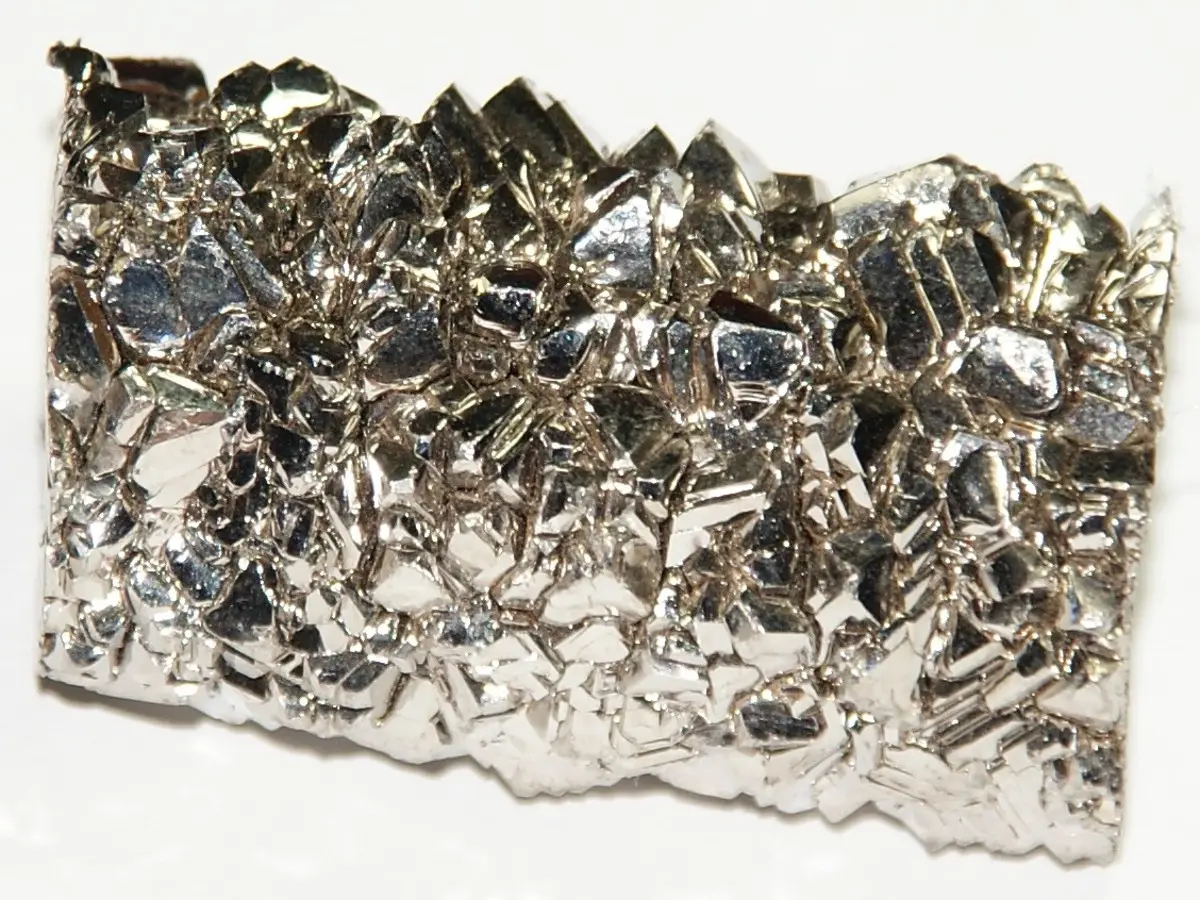
Titanium
Titanium is a versatile, high-strength, and low-density metal, which is popular for its toughness and resistance to corrosion. It's often used in aerospace, medical implants, and military equipment for its durability, paralleling vibranium’s utility for armour and structural applications. It is used in high-tech industries like aerospace and military applications due to its high strength-to-weight ratio, and in medical fields for implants because of its biocompatibility. It is also found in consumer goods like sporting equipment, jewellery, and electronics, as well as in industrial processes such as chemical production and desalination plants, where corrosion resistance is important.
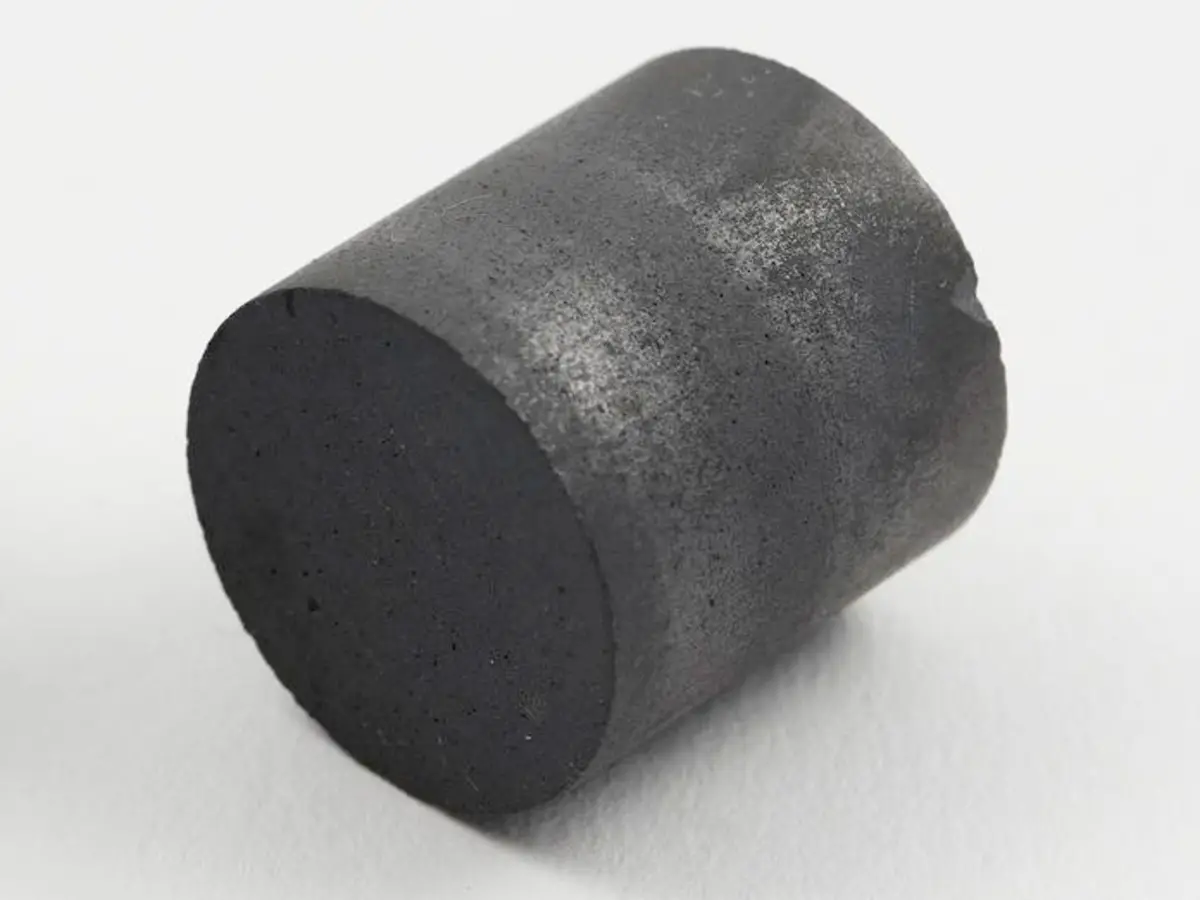
Boron Carbide
Boron carbide is an advanced ceramic used in body armour and bulletproof vests due to its extreme hardness and ability to absorb impacts. It is also used in Tank armour and aircraft. Similar to vibranium for absorbing kinetic energy, boron carbide also provides effective protection against high-energy collisions.
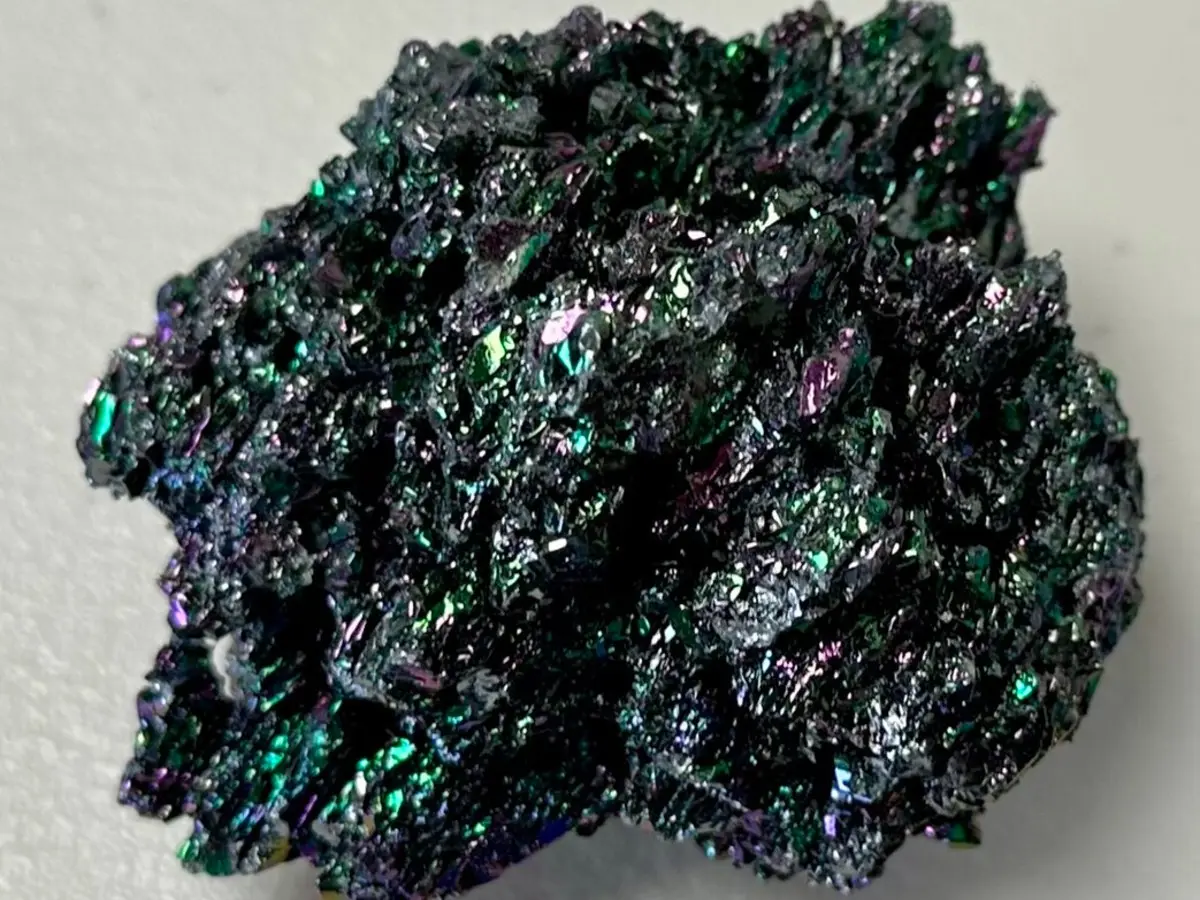
Silicon Carbide
Another ceramic, silicon carbide, is also popular for its extreme hardness and high thermal conductivity, as it is a hard, strong compound of silicon and carbon. Silicon Carbide is used in armour, semiconductors, and abrasives, which combine strength and energy dissipation, echoing some of the properties of vibranium.
MXenes
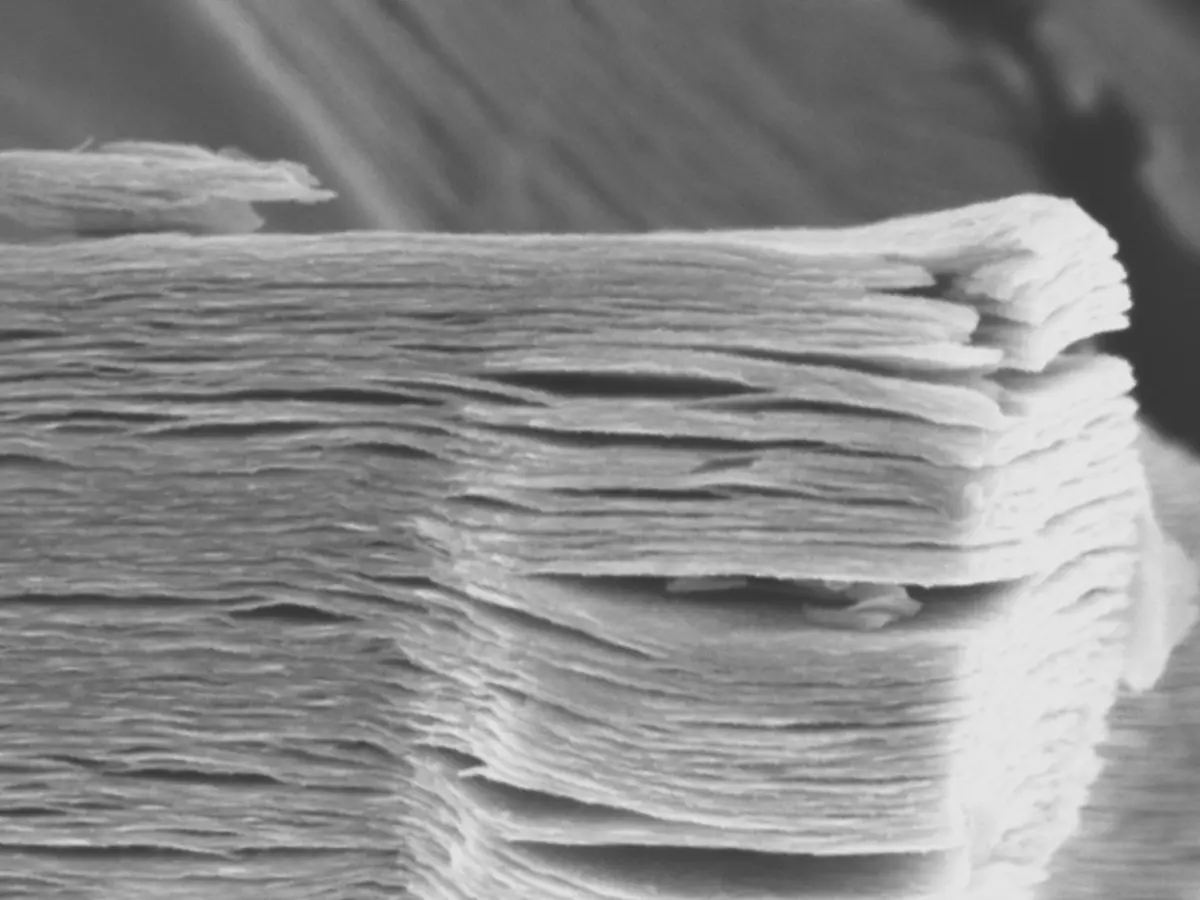
MXenes are a family of two-dimensional (2D) nanomaterials composed of transition metal carbides, nitrides, or carbonitrides. It is an advanced nanomaterial studied for its conductivity, strength, and ability to absorb and distribute energy. They are being explored for applications in protective gear and energy storage, showing promise as multifunctional materials comparable in some ways to vibranium.
Vibranium
While no element or compound matches vibranium fully, these five embody traits such as strength, durability, energy absorption, and conductivity, making them the best analogues of humanity till now.
)
)
)
)
)