Rafale, Su‑30 to Tejas Mk1: India’s fighter jets ranked from deadliest to oldest

Each aircraft plays a distinct role, shaped by design philosophy, combat experience and technological sophistication.
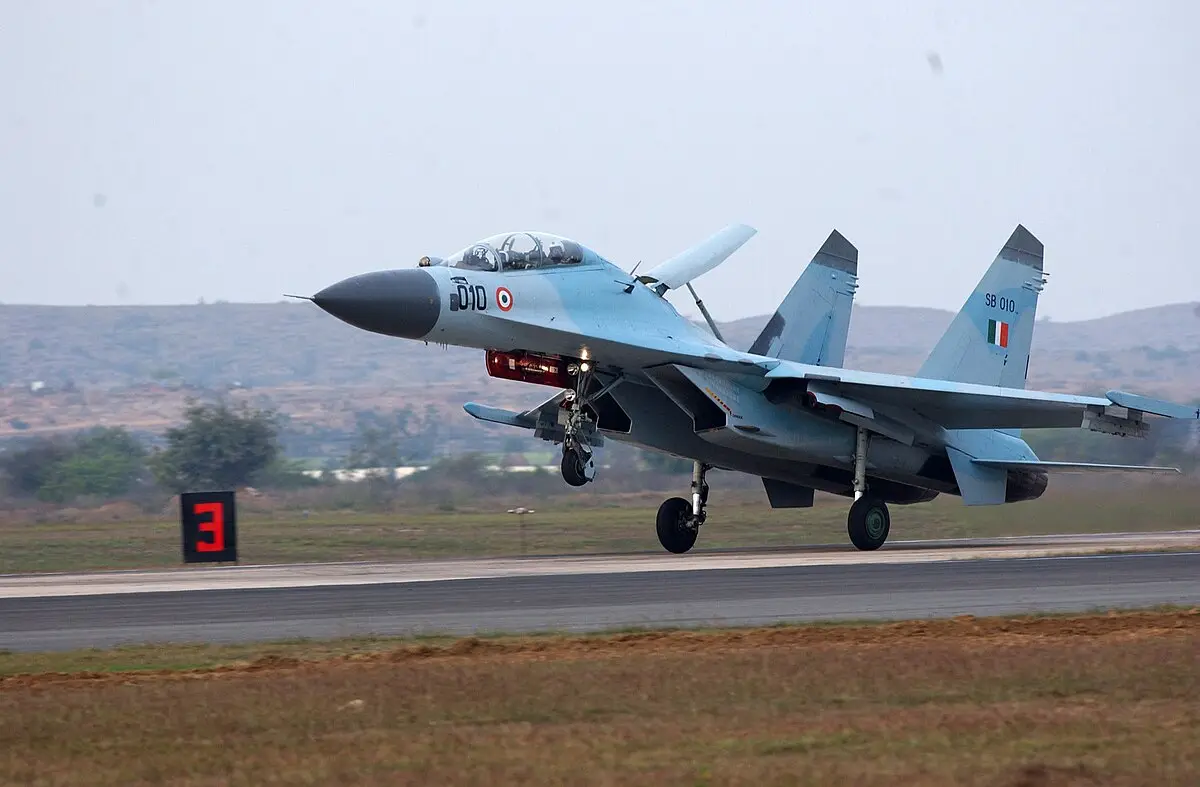
Power at Altitude: An Evolving Arsenal
India’s fighter fleet reflects decades of ambition, political complexity, and evolving threats. From cutting-edge French Rafales to home-grown Tejas jets, the Indian Air Force (IAF) fields a mix of imported and indigenous platforms that together form one of Asia’s most formidable air arms. Yet each aircraft plays a distinct role, shaped by design philosophy, combat experience and technological sophistication.
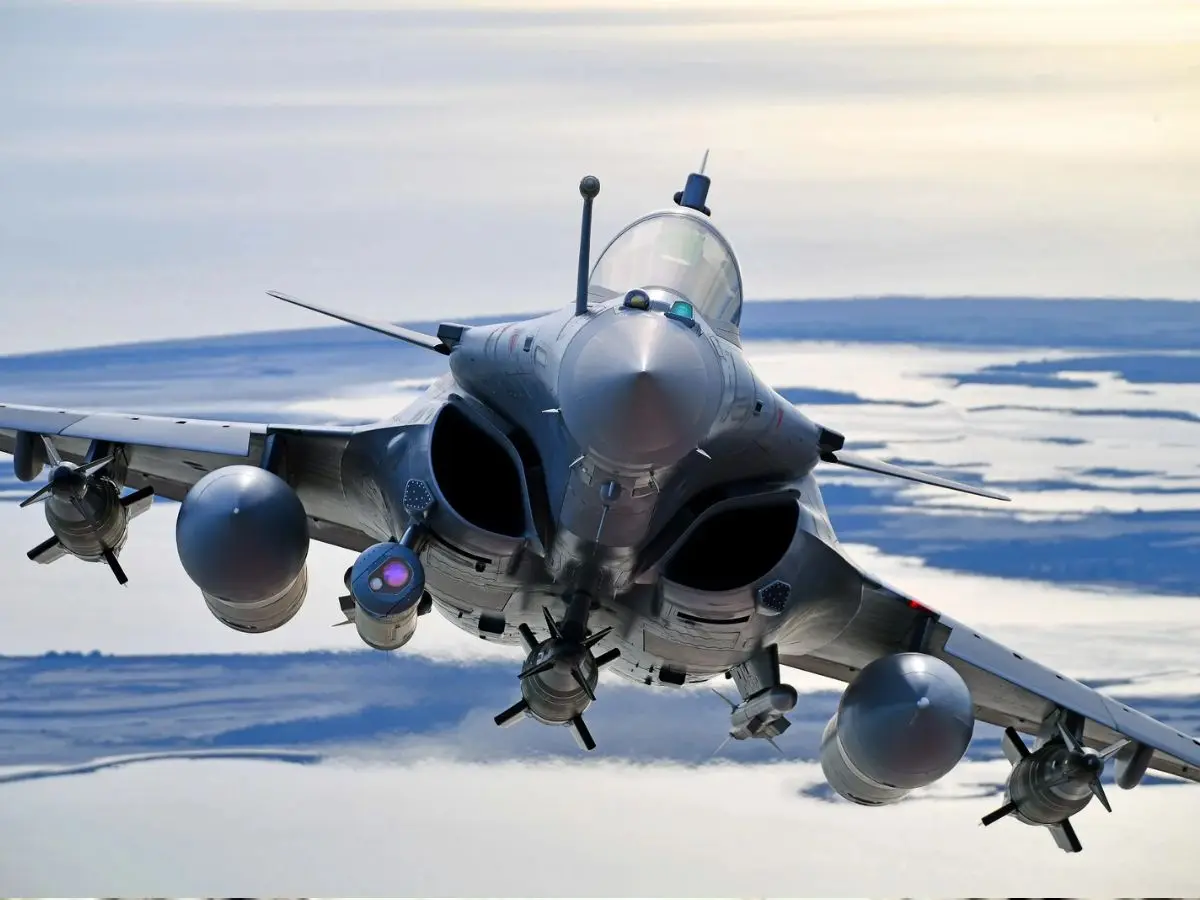
Rafale: Cutting Edge and Combat Proven
At the pinnacle stands the Dassault Rafale. Acquired from France under a 2016 contract, these 4.5-generation multirole fighters entered IAF service in 2020. With advanced AESA radar, Meteor beyond-visual-range missiles and SCALP cruise missiles, Rafale represents India’s most modern and versatile fighter. Its combat debut for India came in 2022, when the IAF used Rafale patrols to signal deterrence during heightened border tensions. The jet’s blend of air-to-air and air-to-ground capability, electronic warfare systems, and range give it clear superiority among IAF assets.
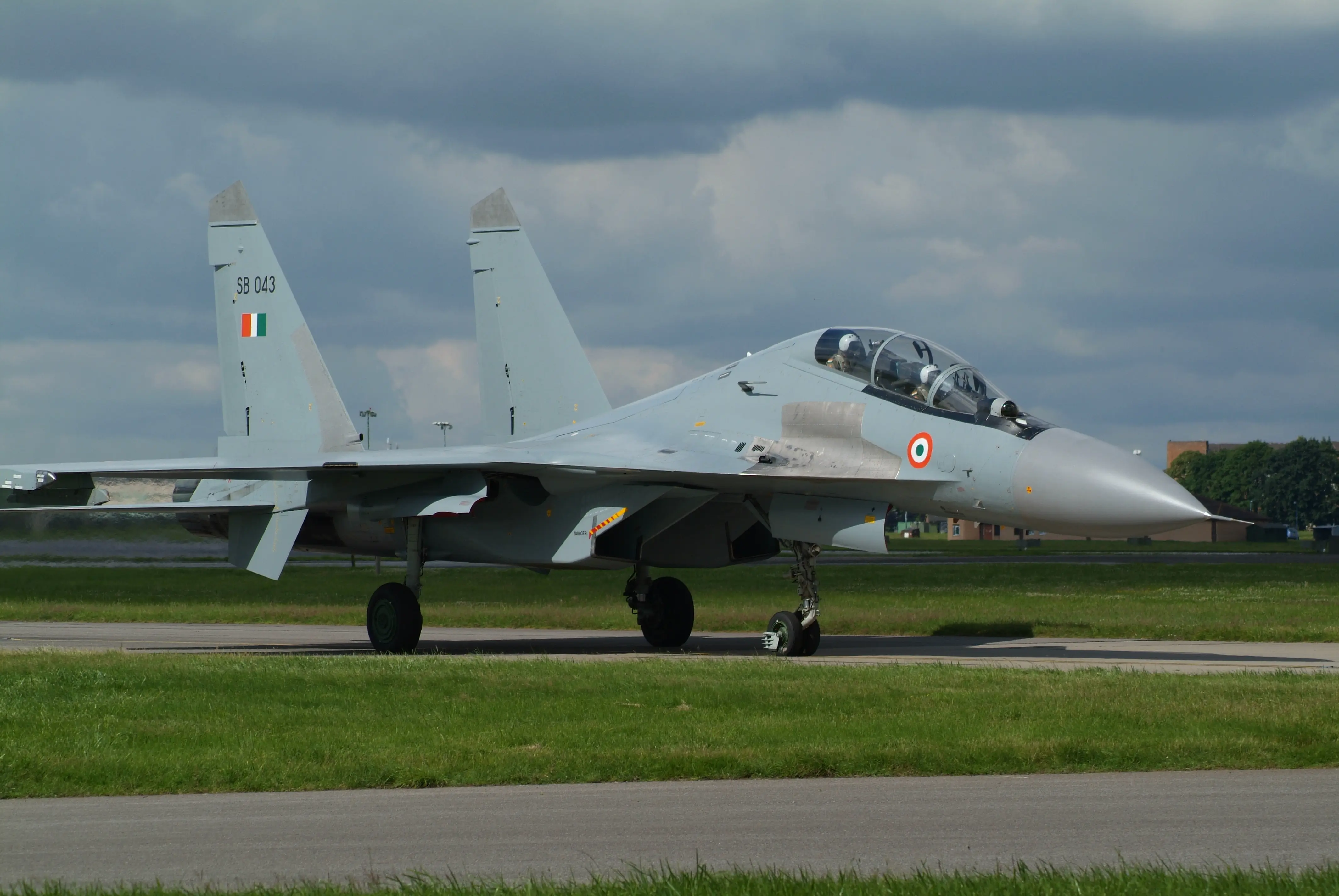
Su‑30MKI: Heavyweight Backbone
Numerically dominant and strategically vital, the Su‑30MKI makes up the backbone of the fleet. Jointly developed with Russia and tailored to Indian needs, the first examples were inducted in 2002. Over 270 have been built or assembled in India. Equipped with thrust-vectoring engines and a powerful radar, the Su‑30MKI excels in long-range patrol, air superiority and even ground attack. In the 2019 Balakot operation, Su‑30MKIs flew combat air patrols, though they did not fire weapons. While heavier and less agile at close range than the Rafale, their sheer range, payload and adaptability keep them indispensable.
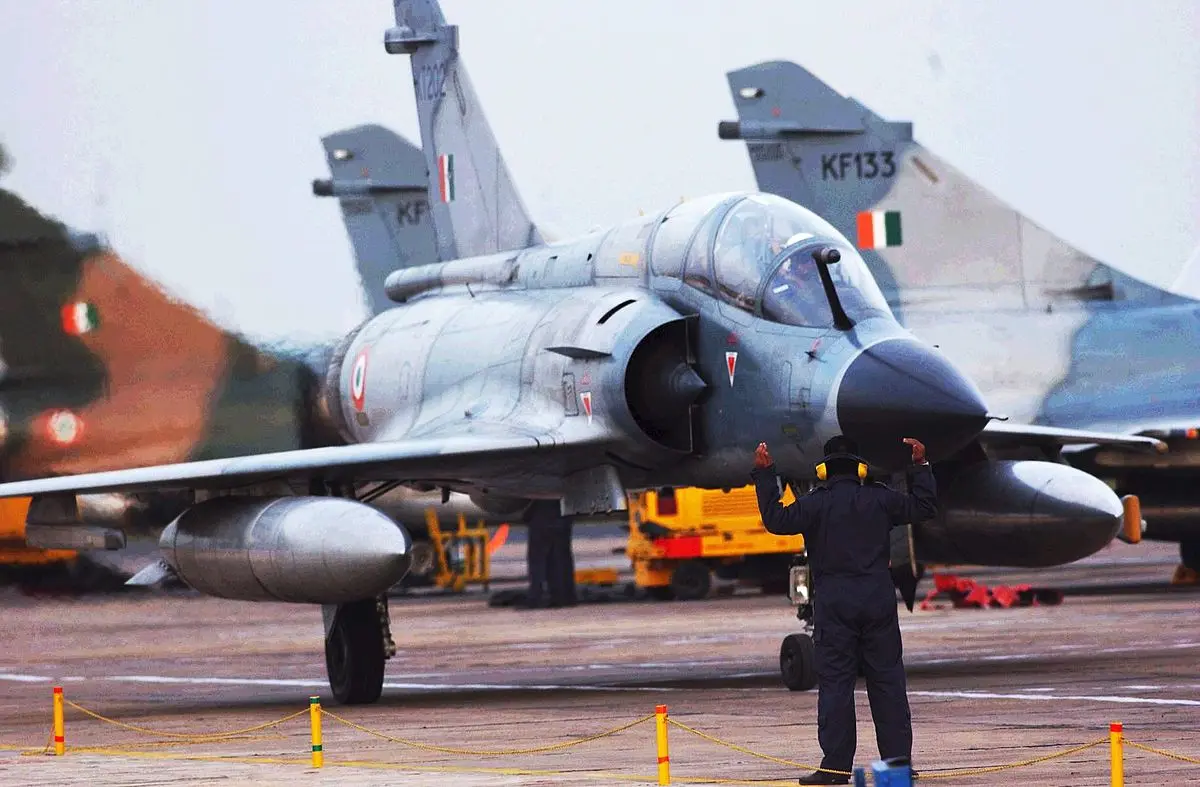
Mirage 2000: Veteran of Real Combat
Older but still lethal, the French Mirage 2000 gained fame in 2019 when it delivered precision-guided bombs against militant camps in Balakot, Pakistan. First inducted in the mid-1980s, it proved decisive in the 1999 Kargil conflict, exploiting precision strike capability lacking in other types. Modernised in recent years with new radar and avionics, it remains a trusted asset despite being fewer in number.
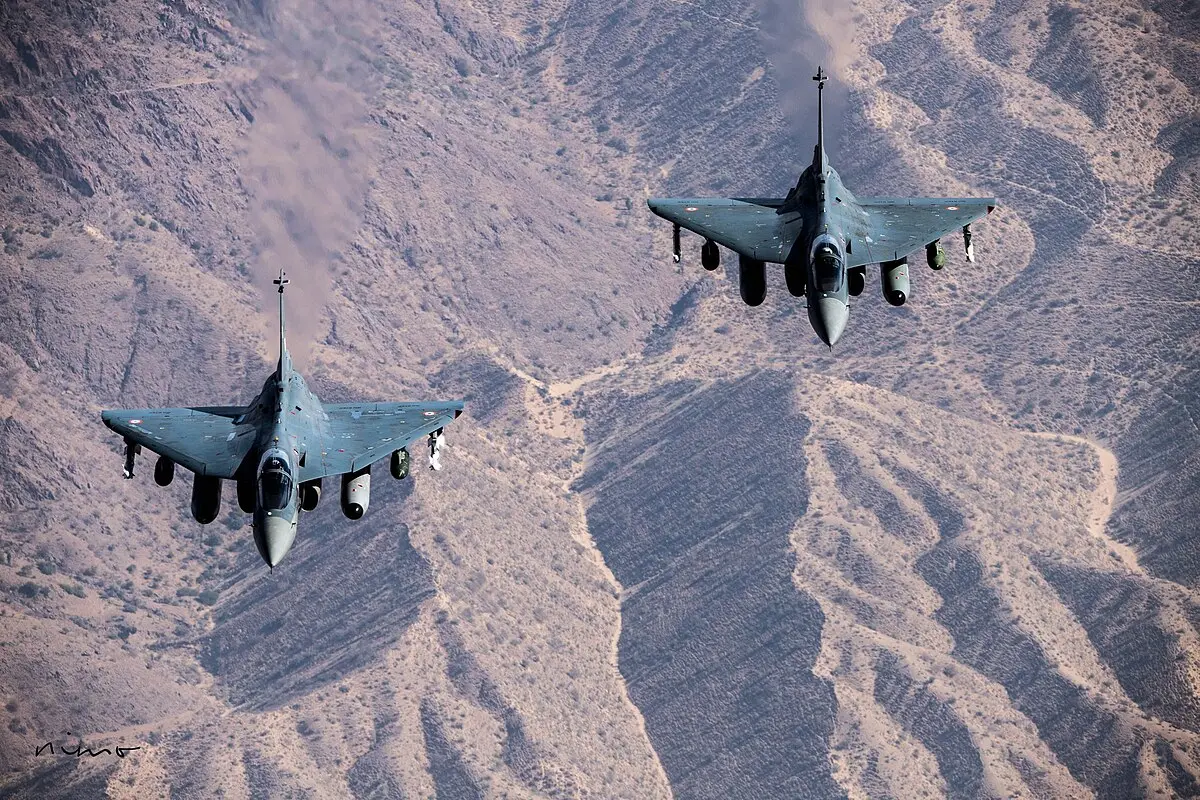
Tejas: Indigenous Ambition Takes Flight
At the lighter end sits the HAL Tejas, India’s first fully indigenous fighter, inducted from 2016. Though production is slower than planned, the Tejas has modern sensors, precision weapons and high agility. While it has yet to see combat, its significance is strategic: reducing reliance on imports and providing a modern lightweight option for future squadrons.
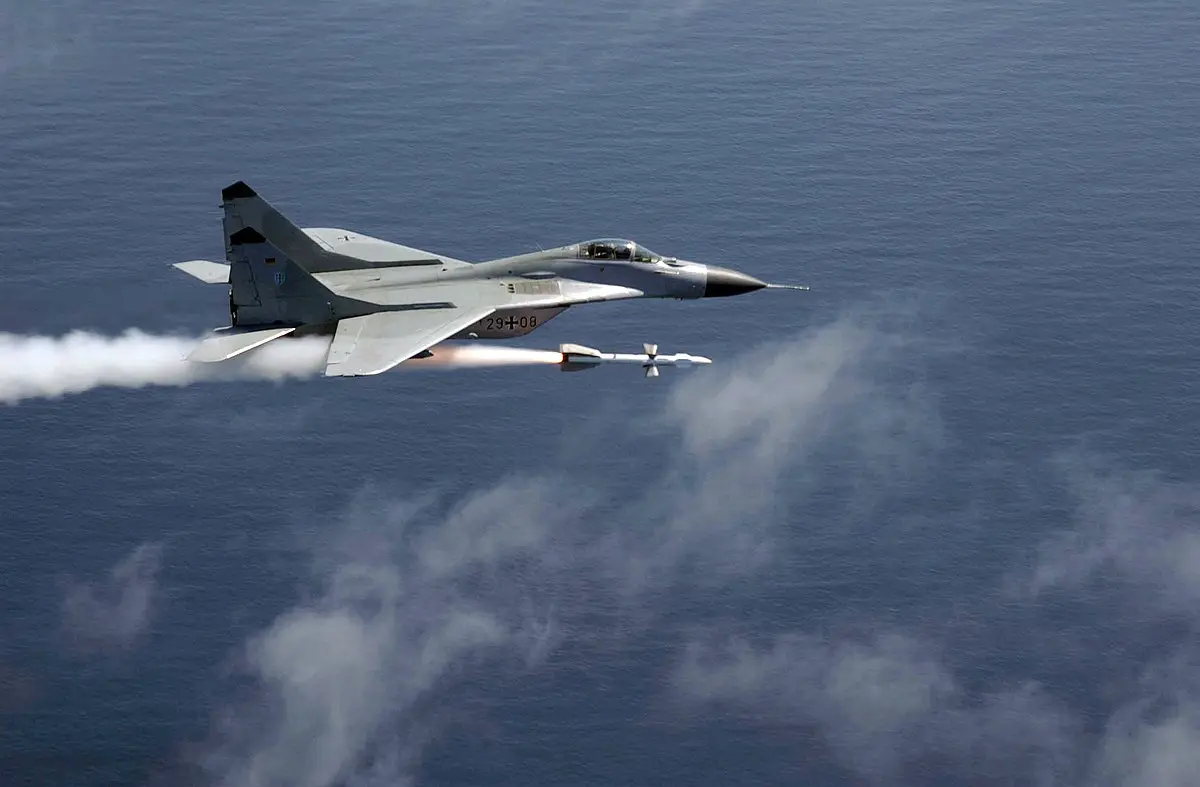
MiG‑29 and Jaguar: Specialists with Limitations
The MiG‑29, inducted in the late 1980s, serves primarily as an air defence fighter. Upgraded versions add better radar and multirole potential, yet the design shows its age. The Anglo-French Jaguar, in service since the late 1970s, focuses on low-level ground attack and remains reliable, though increasingly constrained by limited avionics and dated systems. Neither type played major roles in recent operations, but both continue routine patrols.
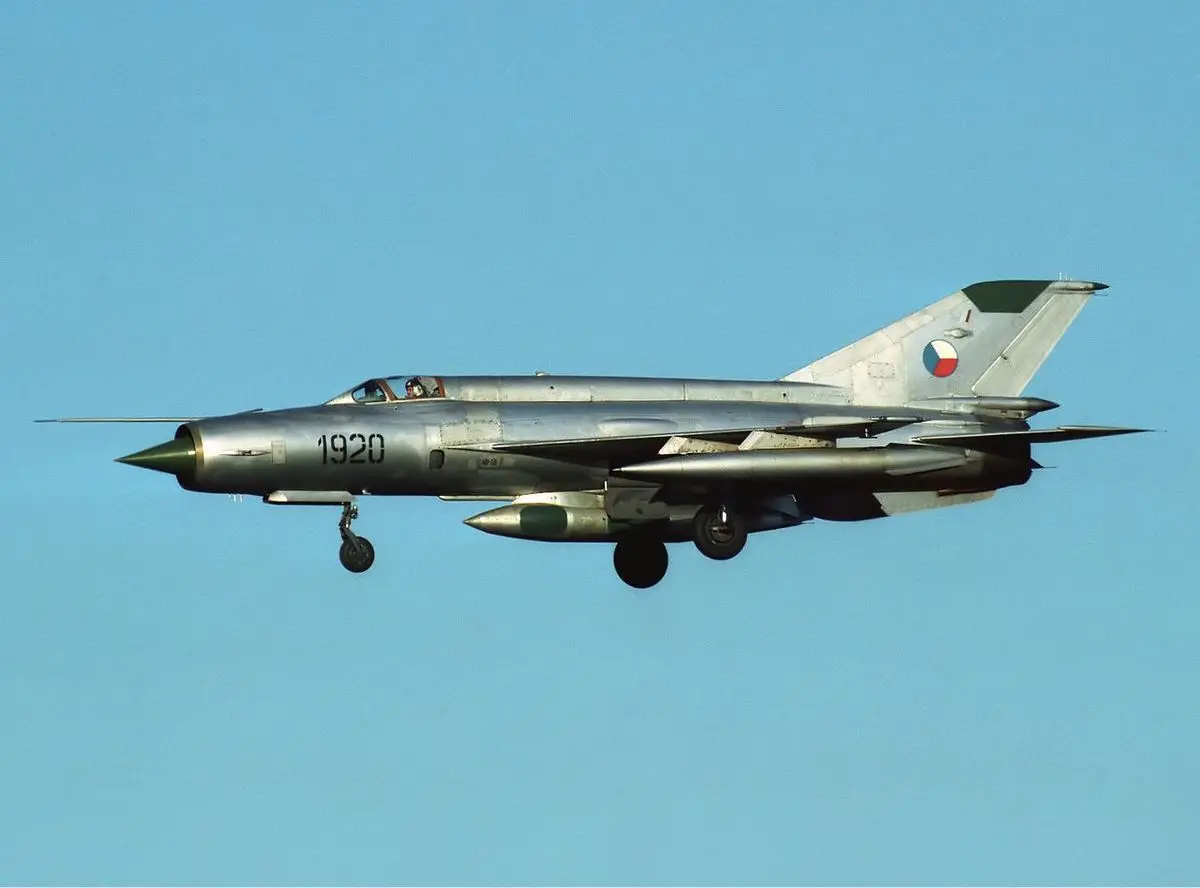
MiG‑21: The Relic That Refuses to Retire
First inducted in the 1960s, the Soviet-designed MiG‑21 became the backbone of the IAF for decades, seeing action in the 1965, 1971 and 1999 Kargil wars. Upgraded to the MiG‑21 Bison standard in the early 2000s, it gained modern radar, avionics and missiles to extend service life. Despite its age and limited survivability by modern standards, the MiG‑21 even claimed an air-to-air kill against a Pakistani F‑16 in 2019 during the Balakot crisis. Yet it also became known for accidents, earning grim nicknames like ‘flying coffin.’ The IAF is planning to retire the MiG‑21 squadrons soon.
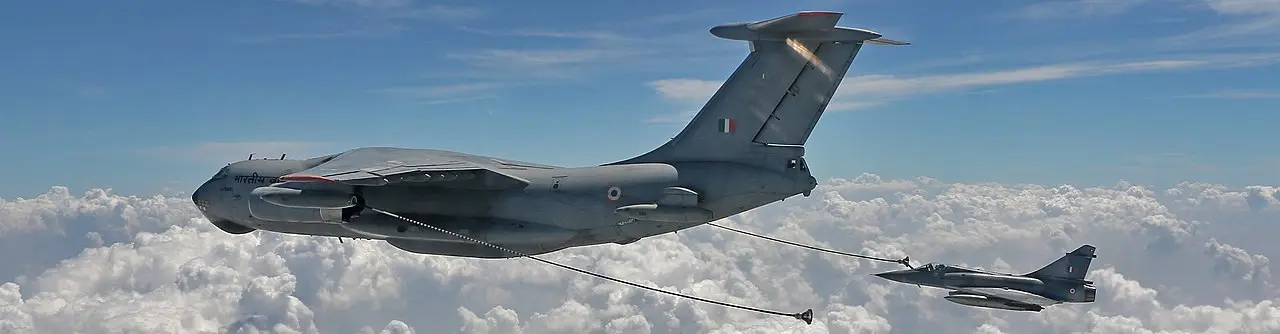
Balancing Modernisation and Legacy
Together, these aircraft paint a layered picture: top-tier fighters like Rafale and Su‑30MKI handle deterrence and deep strike, while Mirage 2000 and MiG‑29 maintain air defence. Jaguars and Tejas fill tactical gaps. Despite mixed origins and varied ages, this diverse fleet remains central to India’s defence, combining proven combat history with modern upgrades and indigenous innovation.
)
)
)
)
)