Pakistan-Saudi Defence Pact: Could oil be used as a weapon against India in a conflict?

Even under its pact, Saudi Arabia could opt for logistical, financial, and intelligence support, arms supplies, or diplomatic cover for Pakistan, without crossing the line into open hostilities with India.

1. Economic interdependence with India
India is one of Saudi Arabia’s largest oil buyers and a key trade partner in non-oil sectors under Vision 2030. Any direct war with India would jeopardise billions in revenue and disrupt Riyadh’s diversification plans. The economic self-damage outweighs any military gain.
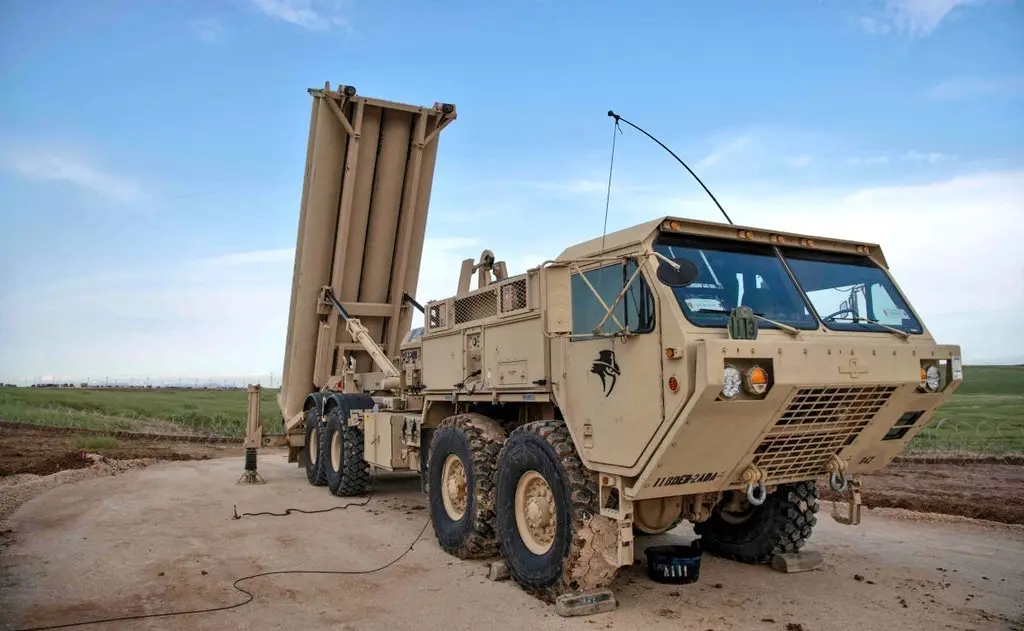
2. Vulnerability of oil infrastructure
Saudi Arabia’s oil fields and shipping routes in the Gulf are highly exposed to missile or drone strikes. In a conflict, India could target these chokepoints, crippling Saudi exports. This makes Riyadh cautious about escalating to a direct war it cannot fully defend against.

3. Indian diaspora factor
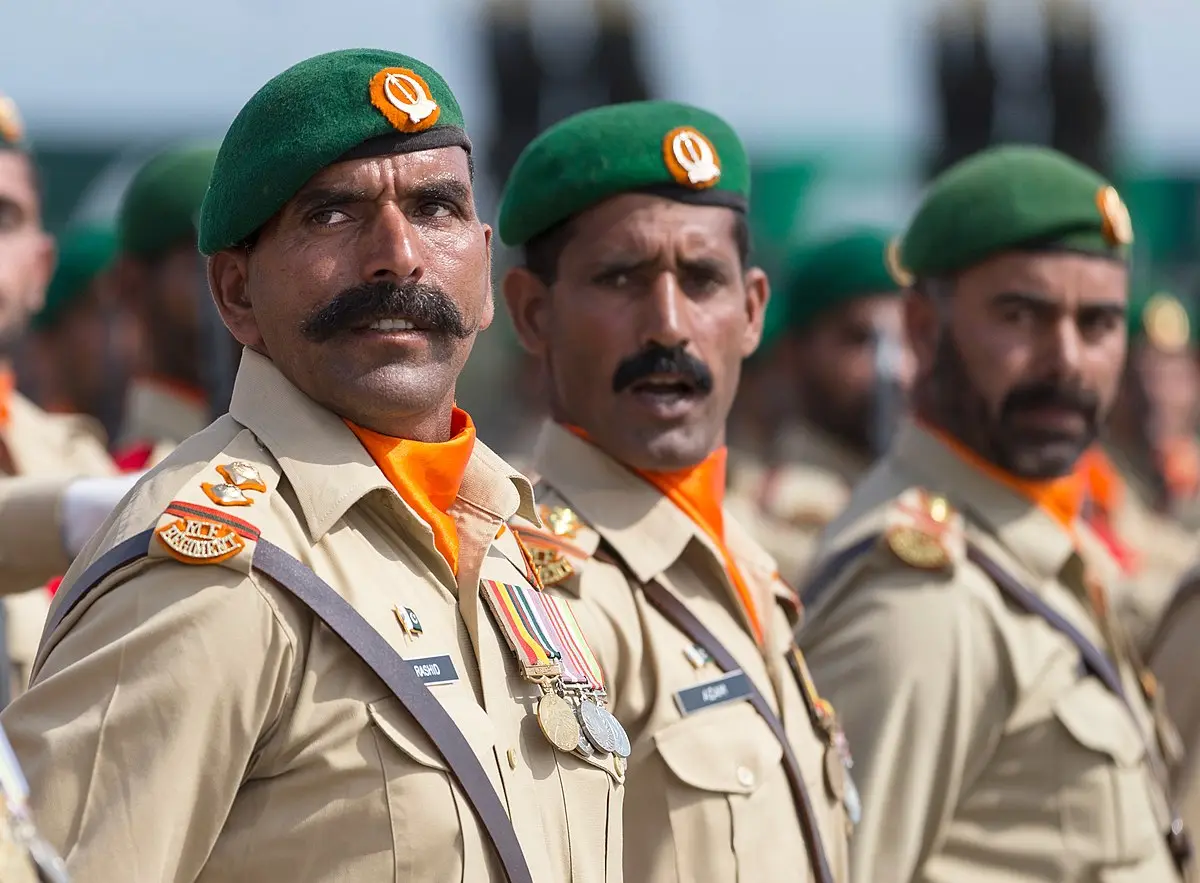
Nearly 2.5 million Indians live and work in Saudi Arabia, sending home vital remittances. A direct war could put them at risk of deportation, hostility, or even hostage situations — something Riyadh would prefer to avoid, knowing India could retaliate diplomatically.
4. Risk of nuclear escalation
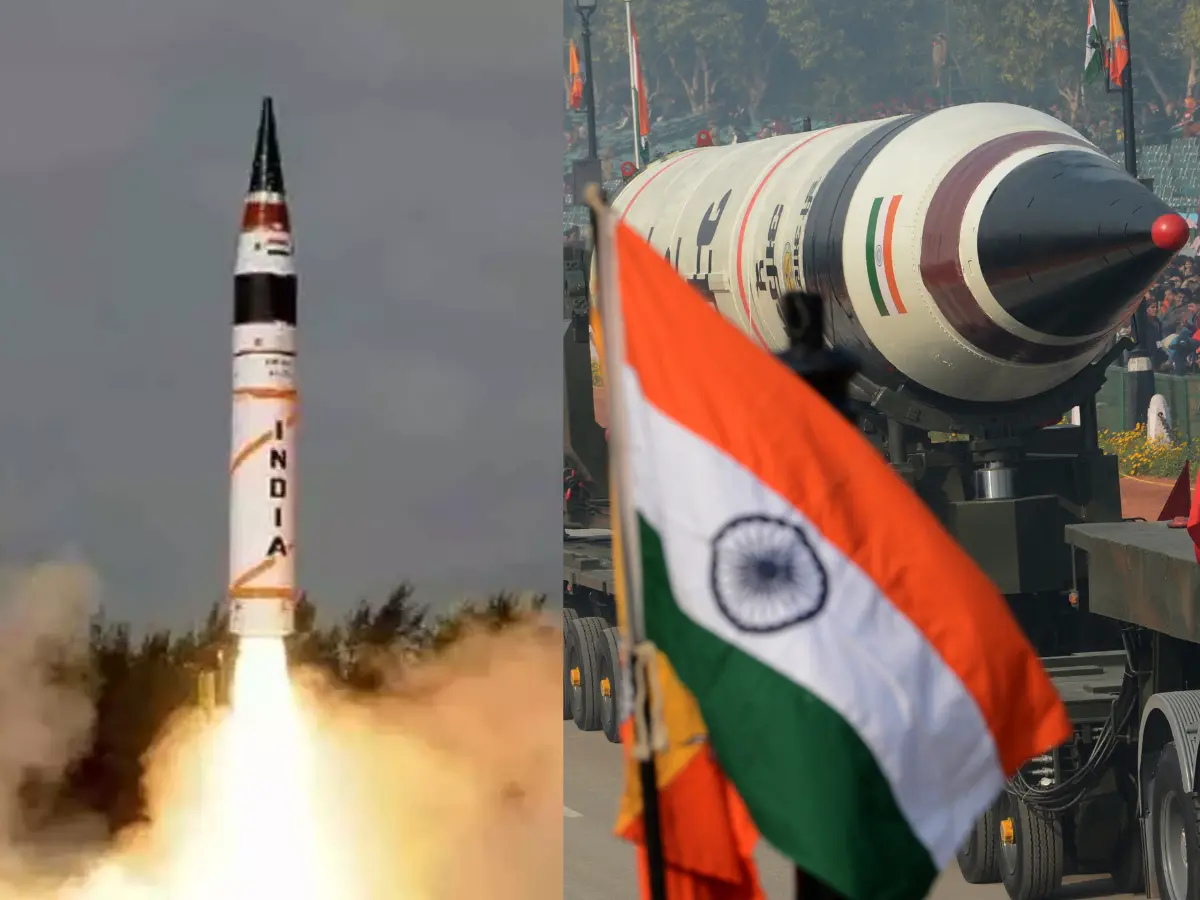
India’s nuclear deterrent is a major check on Saudi military adventurism. Any Saudi intervention beyond indirect support could be perceived as a strategic escalation, inviting retaliation that Riyadh is ill-prepared to handle.
5. US and great-power constraints
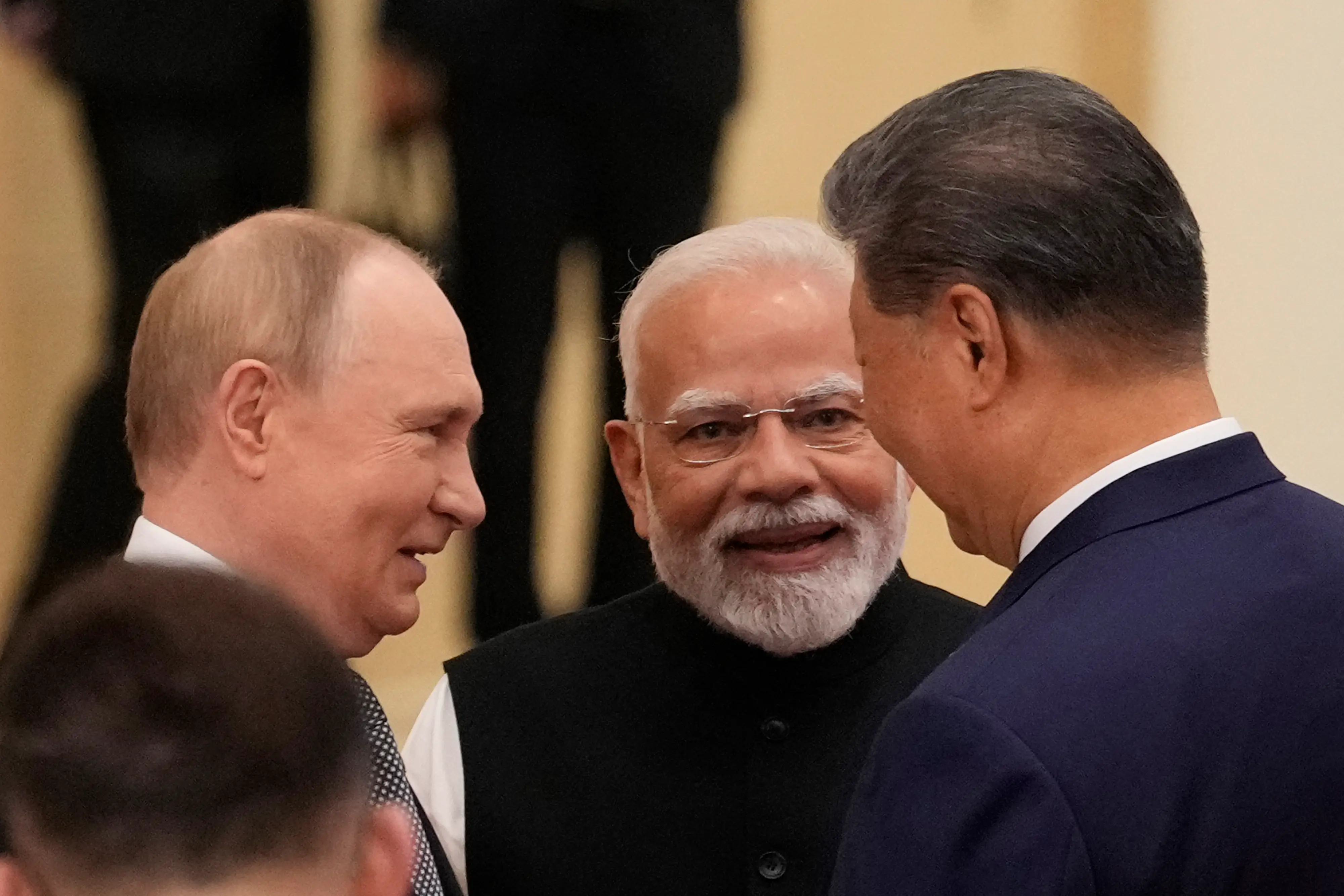
The United States remains the main security guarantor for Saudi Arabia. Washington is unlikely to greenlight Riyadh’s participation in a direct war against India, a major US partner and counterweight to China. Other powers like Russia and China would also discourage escalation.
6. Saudi Arabia’s limited warfighting experience
Despite vast arms purchases, Saudi forces have shown limited effectiveness in sustained conflicts, as seen in Yemen. Fighting a sophisticated military like India’s, with advanced missile and naval capabilities, would be far riskier than supporting Pakistan indirectly.
7. Safer alternatives to direct war
Even under its pact, Saudi Arabia could opt for logistical, financial, and intelligence support, arms supplies, or diplomatic cover for Pakistan, without crossing the line into open hostilities with India. This allows Riyadh to honor commitments while avoiding catastrophic escalation.
)
)
)
)
)