Nuclear firepower: This is India’s most powerful and precise ballistic missile

India’s Agni-V is a powerful long-range missile with a reach of over 5,000 km. It features MIRV technology to hit multiple targets with precision.
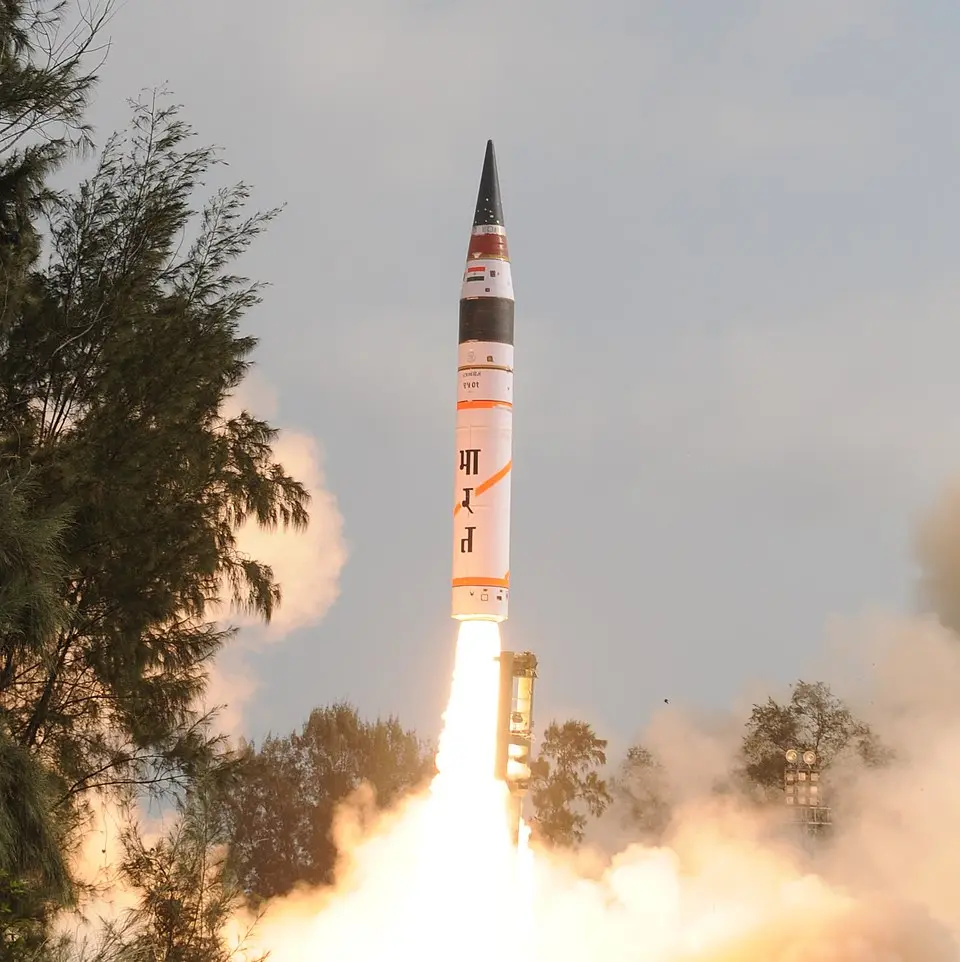
India's supreme deterrent
India's Agni-V is a three-stage, solid-fuelled missile that serves as the backbone of the country's long-range nuclear deterrence. It is the most advanced weapon in the Agni series, providing a credible second-strike capability.
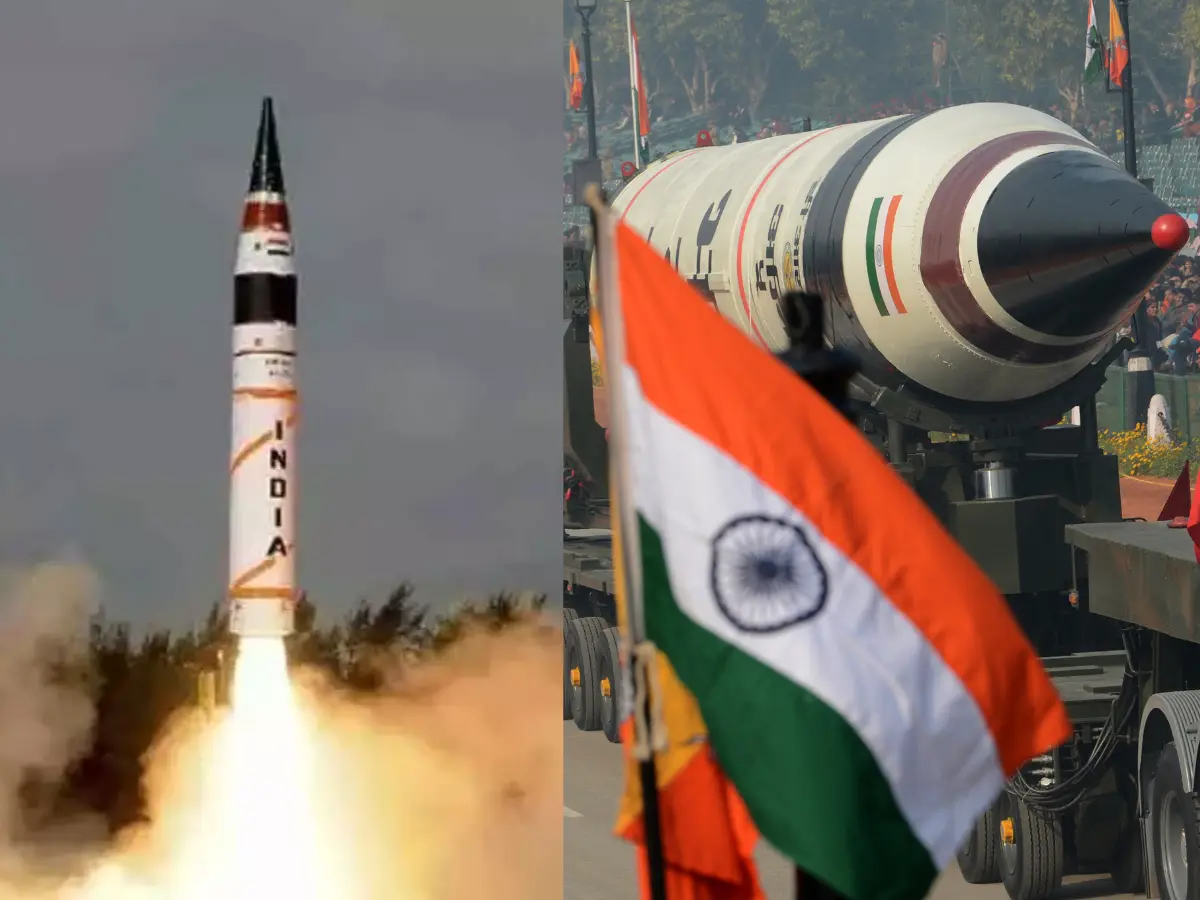
Intercontinental strike range
The missile has an official range exceeding 5,000 km, though some reports suggest it can reach targets up to 7,000 km away. This extensive reach allows it to cover almost all of Asia and parts of Europe and Africa.
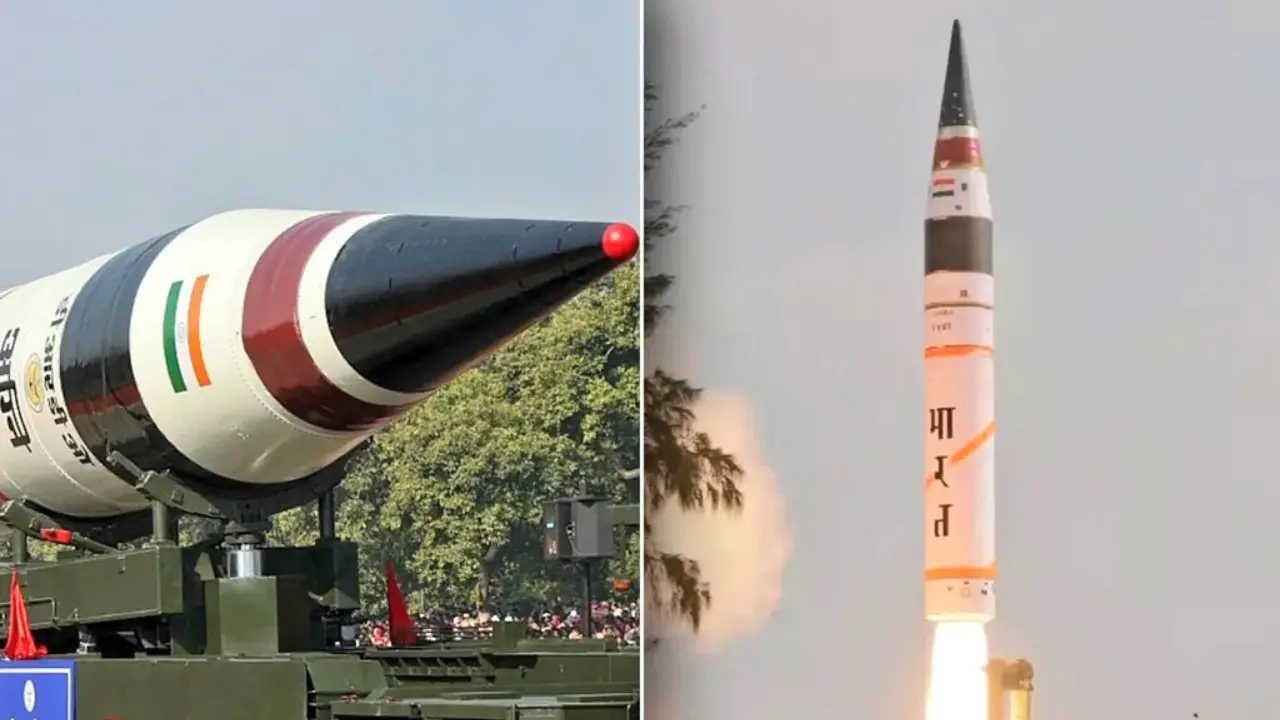
MIRV technology power
A key feature of the Agni-V is its Multiple Independently Targetable Re-entry Vehicle (MIRV) capability. This allows a single missile to carry multiple nuclear warheads and hit different targets simultaneously.
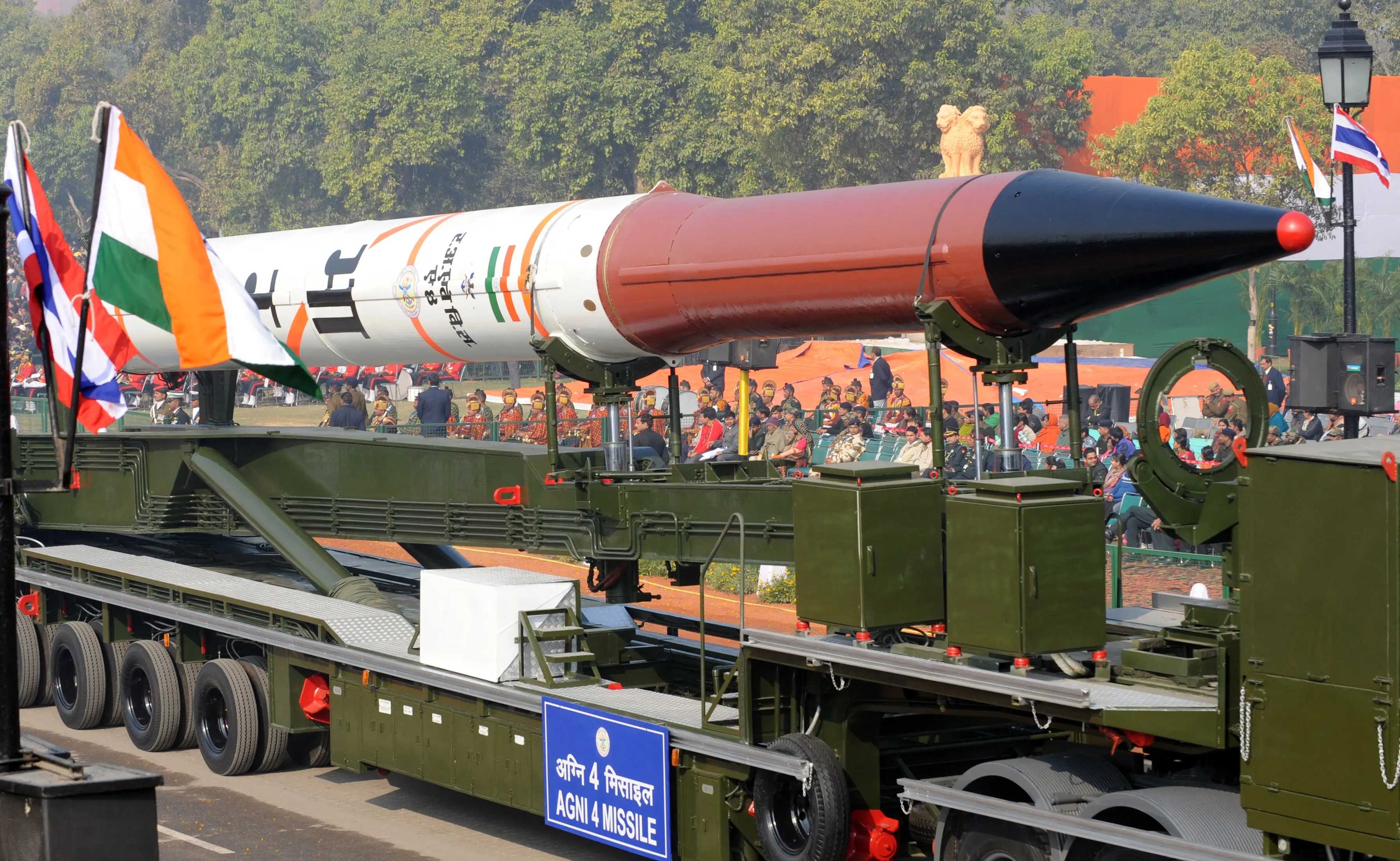
Exceptional precision and speed
The Agni-V is equipped with advanced navigation systems, including a ring laser gyroscope, ensuring pinpoint accuracy. It can travel at speeds of up to Mach 24, making it nearly impossible for enemy systems to intercept.
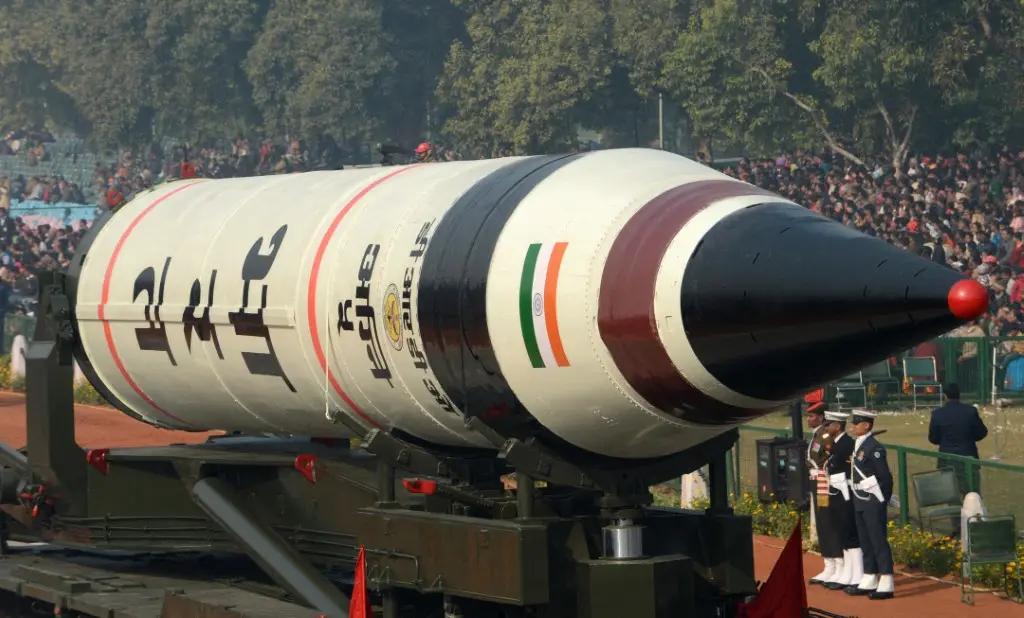
Road-mobile and ready
The missile uses a canister-based launch system, which allows for rapid deployment from road-mobile launchers. This mobility ensures the missile can be hidden and launched quickly from various locations across the country.
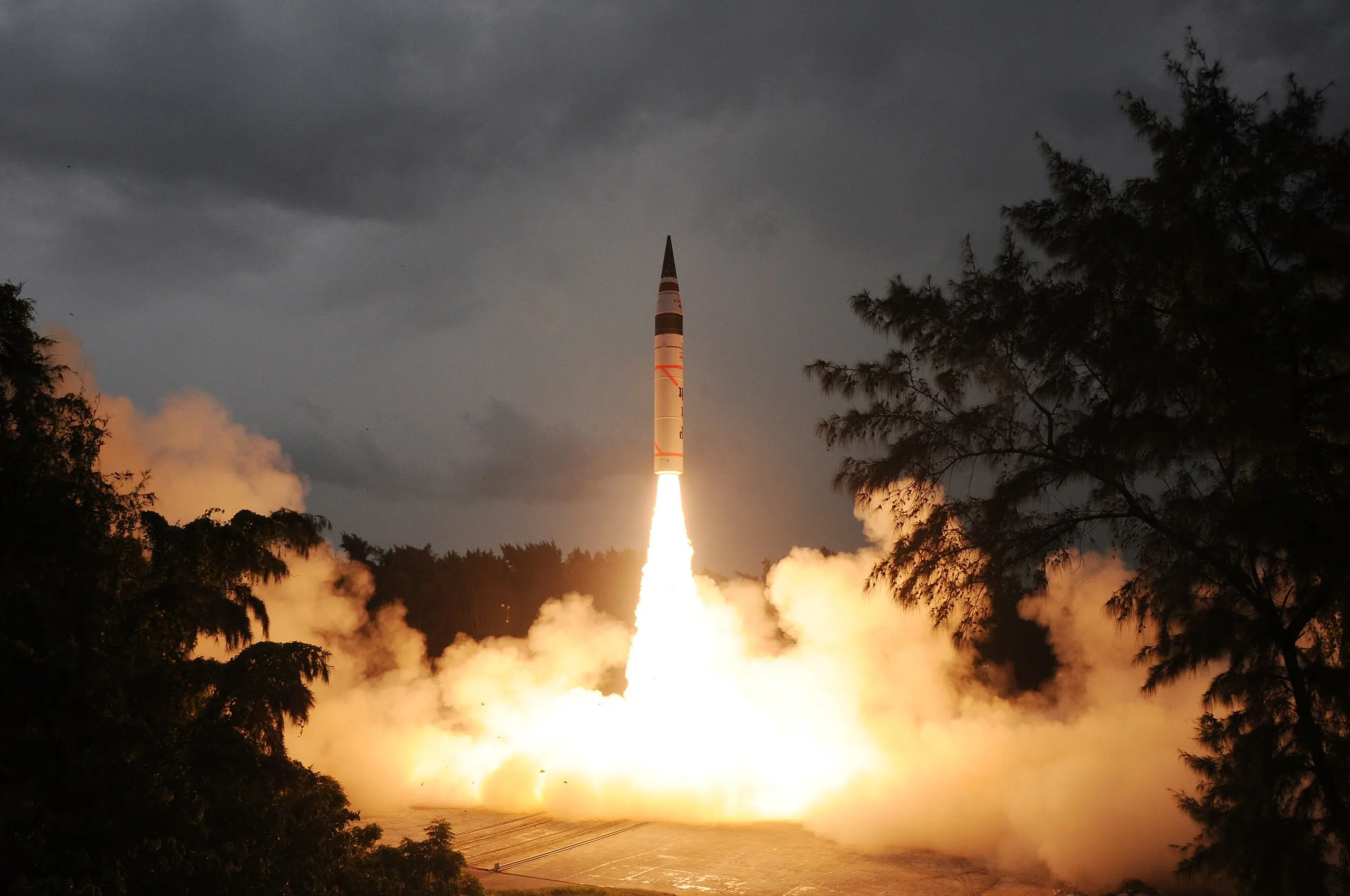
Solid fuel efficiency
Unlike liquid-fuelled rockets, the Agni-V uses solid propellant in all three stages for faster launch readiness. This technology reduces the time needed for preparation and increases the reliability of the missile system.
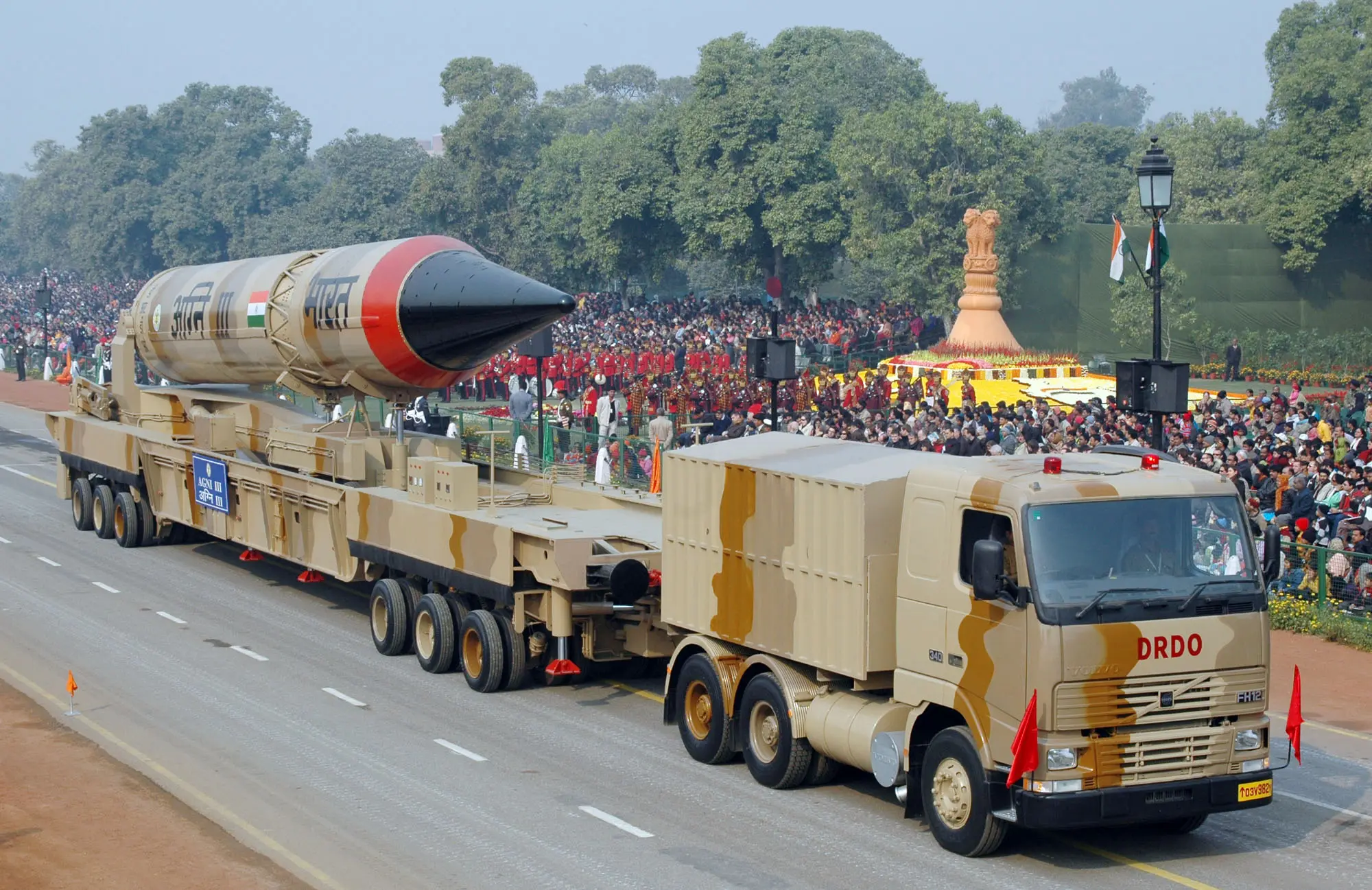
Indigenous engineering marvel
Developed by the Defence Research and Development Organisation (DRDO), the missile is a symbol of India's self-reliance in defence. It successfully validates years of research in propulsion, navigation, and re-entry heat shield technology.
)
)
)
)
)