Nearly 185 feet of wingspan: Why size is the B-52 bomber's biggest advantage

The B-52 bomber leverages its massive 185-foot wingspan and 488,000-pound frame to carry 48,000 gallons of fuel and a 70,000-pound payload. This immense size allows it to launch heavy hypersonic weapons and accommodate USD 48.6 billion in upgrades.
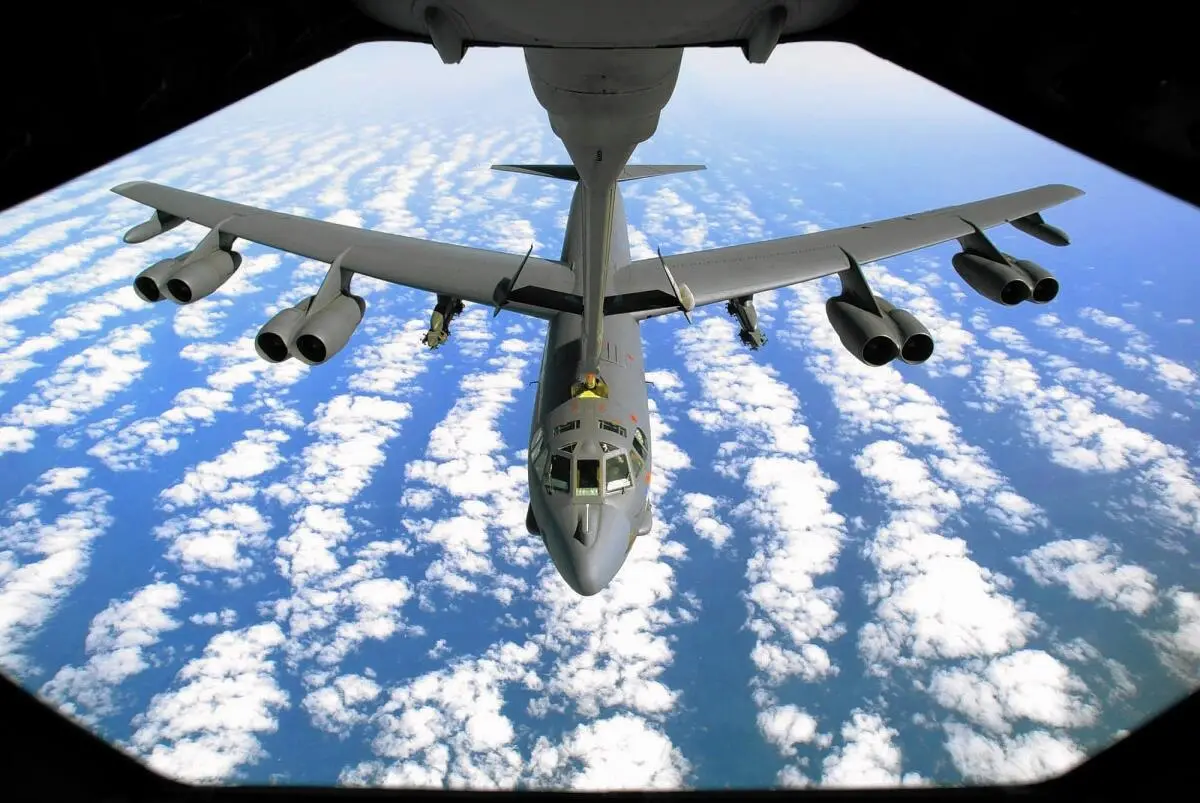
A Colossal Footprint
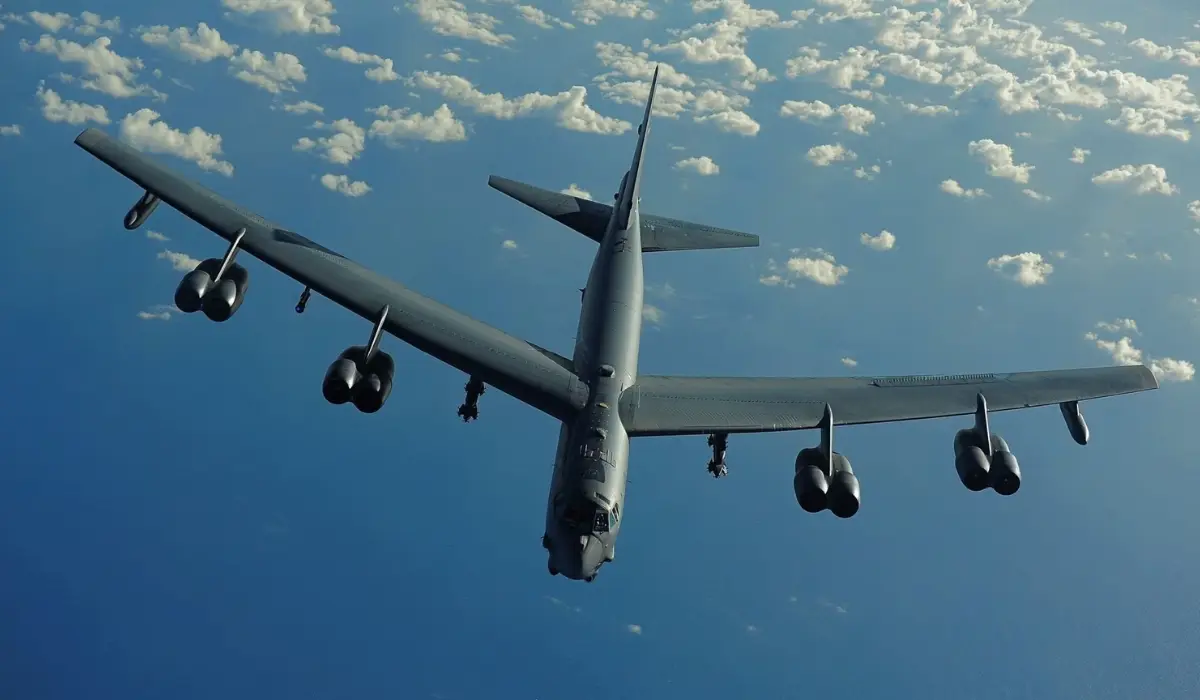
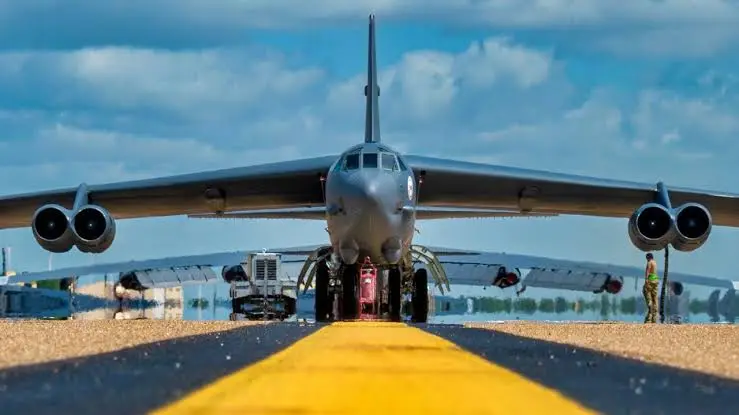
The Boeing B-52 Stratofortress commands the tarmac with an immense 185-foot wingspan and a maximum takeoff weight of 488,000 pounds. Rather than relying on supersonic speed, the aircraft uses its sheer physical scale to dominate the modern battlespace.
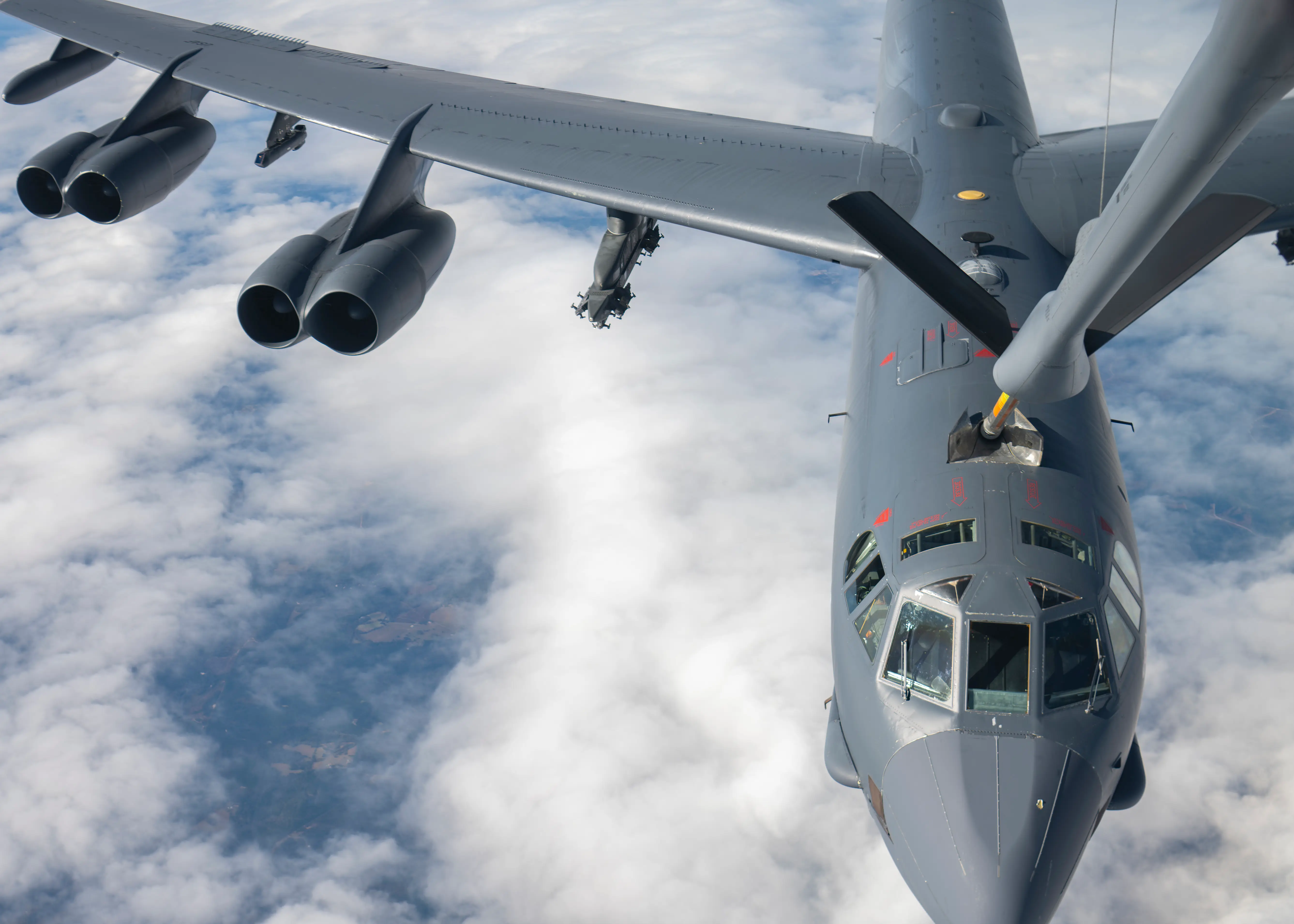
Wings Full of Fuel
This enormous swept-wing structure is not just for generating lift; it operates as a massive flying gas station. The aircraft's wings and fuselage securely hold up to 48,000 US gallons of aviation fuel, weighing over 312,000 pounds.
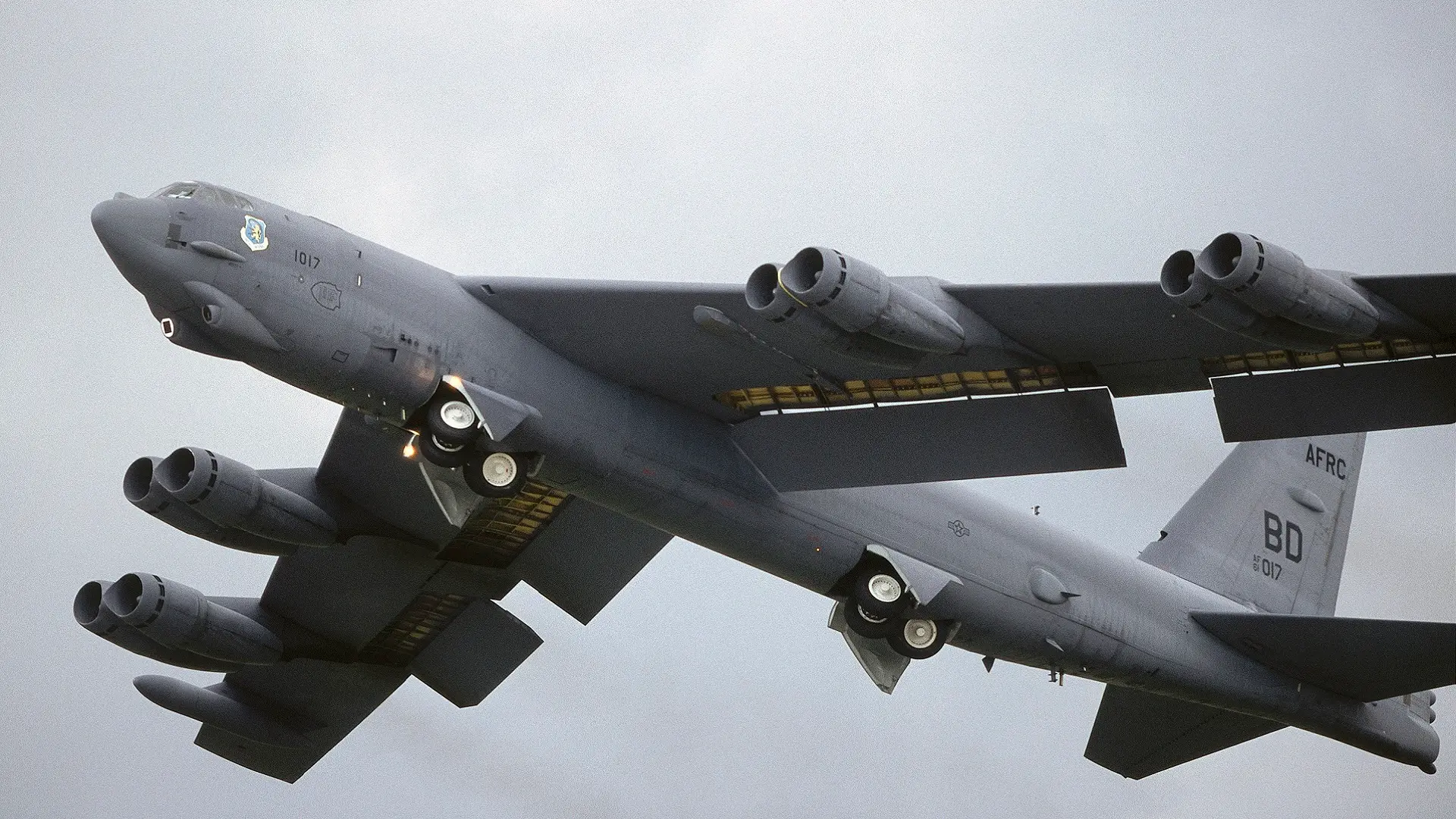
Unlimited Global Reach
Because of this colossal fuel capacity, the heavy bomber boasts a staggering unrefuelled combat range of 8,800 miles. When combined with mid-air refuelling, the massive airframe can launch from US soil and strike practically any target on Earth.
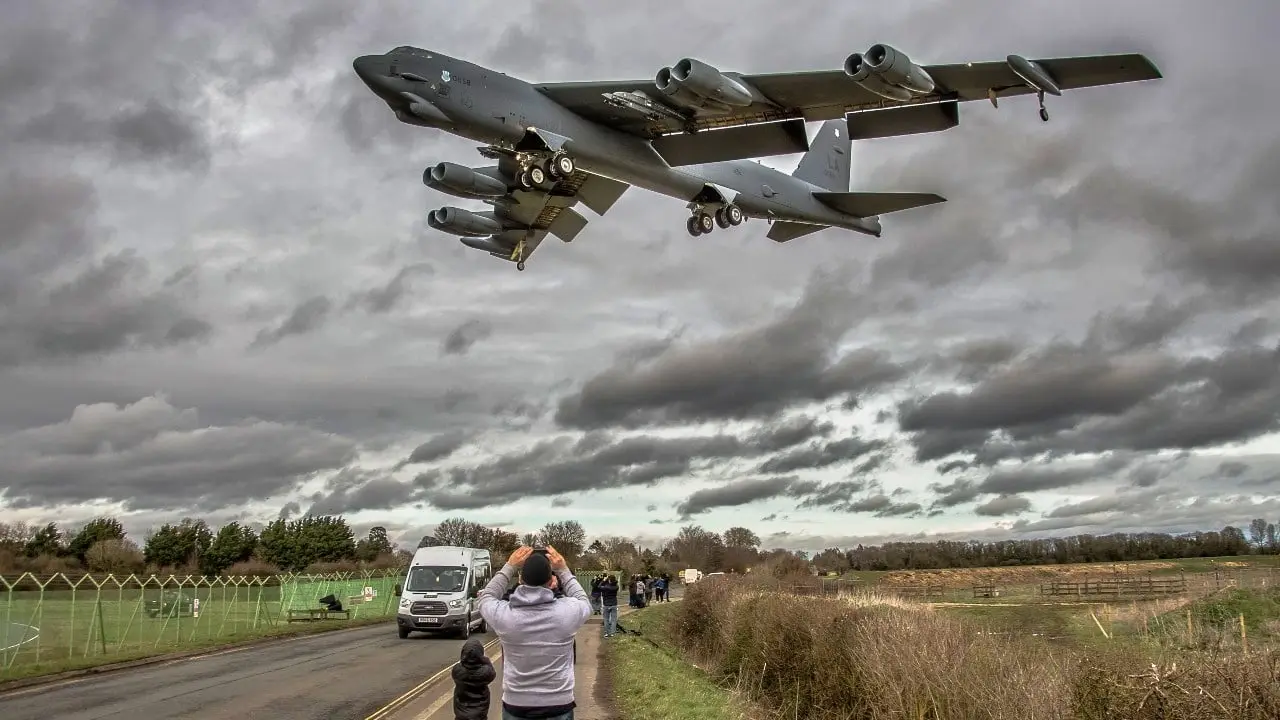
The 70,000-Pound Arsenal
The bomber's large dimensions allow it to carry a devastating 70,000-pound payload of conventional and nuclear munitions. Its cavernous internal bomb bays and heavy-duty underwing pylons easily accommodate the military's heaviest and most complex weapon systems.
Built for Standoff Weapons
Modern stealth fighters are physically too small to carry oversized next-generation armaments deep into hostile territory. The B-52's immense physical size makes it the perfect airborne truck for launching heavy, long-range hypersonic missiles from safe international skies.
Room for Constant Upgrades
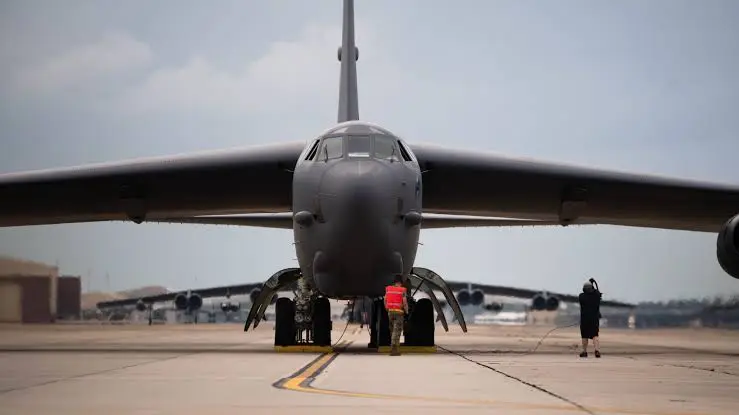
The vintage bomber's spacious airframe provides engineers with unmatched flexibility to install modern electronics without major structural redesigns. This excess internal volume allows the easy integration of modern glass cockpits, digital data links, and advanced fighter-grade AESA radars.
Funding the B-52J
To maximise this size advantage, the Pentagon is executing a USD 48.6 billion modernisation programme to create the B-52J variant. By replacing the archaic 1960s turbofans with eight modern Rolls-Royce F130 engines, this subsonic giant will fly until 2060.
)
)
)
)
)