Absolutely not a joke! NASA is launching to the Moon on April Fools' Day

NASA's Artemis 2 to launch four astronauts around the Moon on April 1, yes, April Fools' Day. Officials are dead serious, and the countdown is already ticking toward a historic evening liftoff.
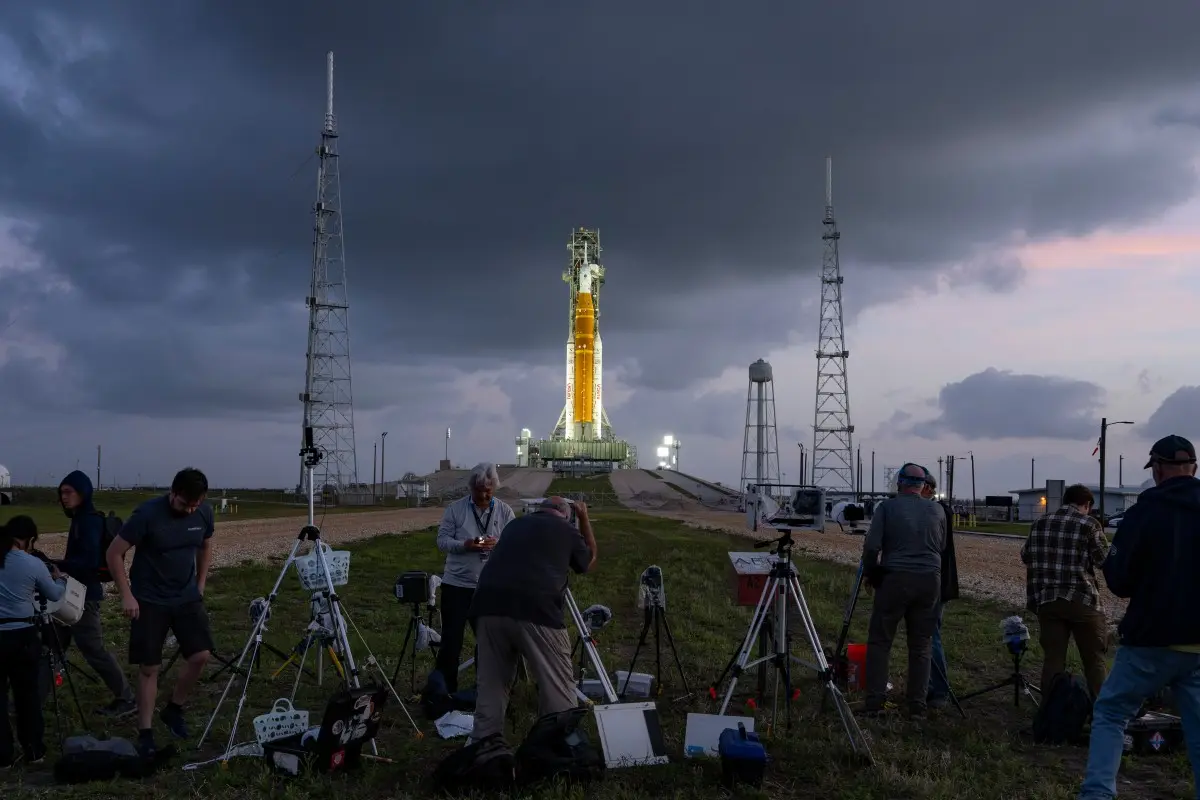
The Wildest Coincidence in Space History
NASA's Artemis 2 mission is scheduled to blast off on April 1, April Fools' Day, from Launch Complex 39B at Kennedy Space Center in Florida at 6PM. Test director Jeff Spaulding made his position crystal clear: he was not aware of any pranks or attempts to pull anything on the flight crew or the launch. This is no prank, it is the most significant crewed space mission in over 50 years, and it just happens to fall on the internet's favourite holiday.
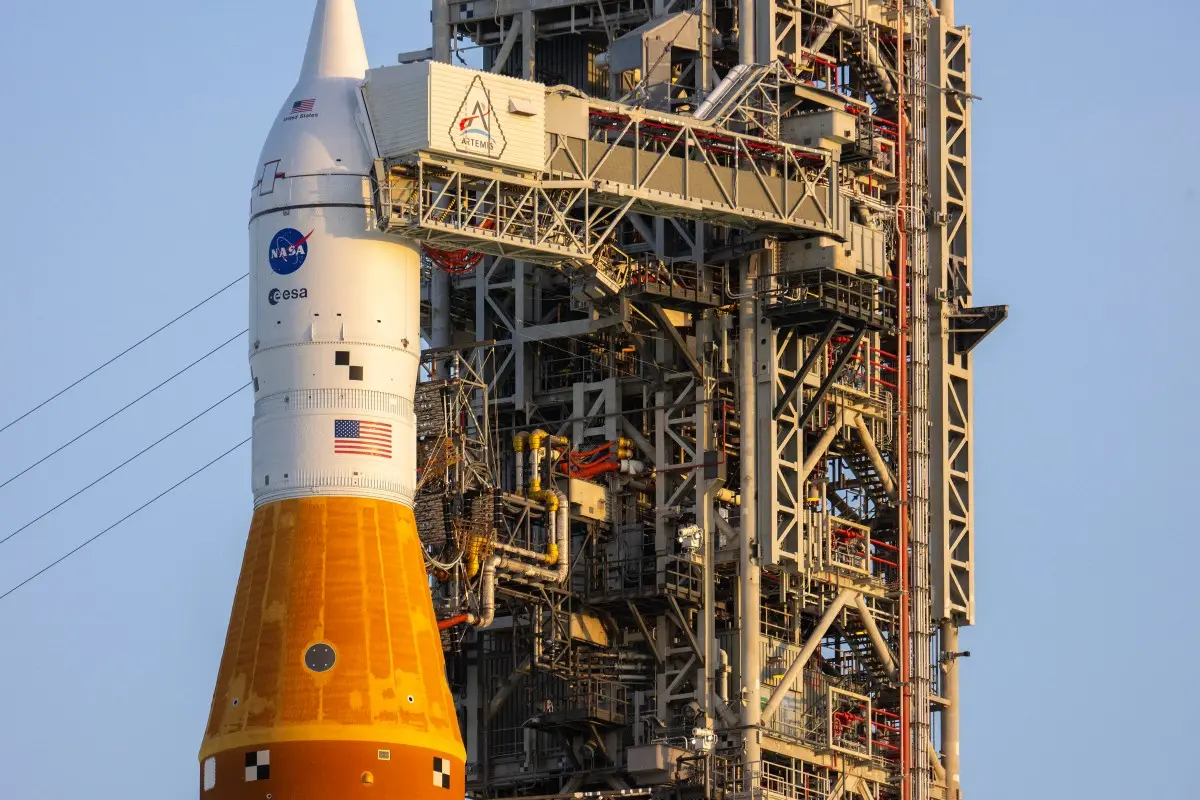
No Pranks, No Jokes — Just Pure Mission Focus
NASA's launch team has put in months of exhaustive work to make sure Artemis 2 goes off without a hitch. Unlike Artemis 1, which was plagued by repeated hydrogen fuel leaks and helium line issues, this countdown has been unusually clean and problem-free. Test director Jeff Spaulding told reporters that every known issue has been identified and fixed, giving the team full confidence heading into the April 1 liftoff.
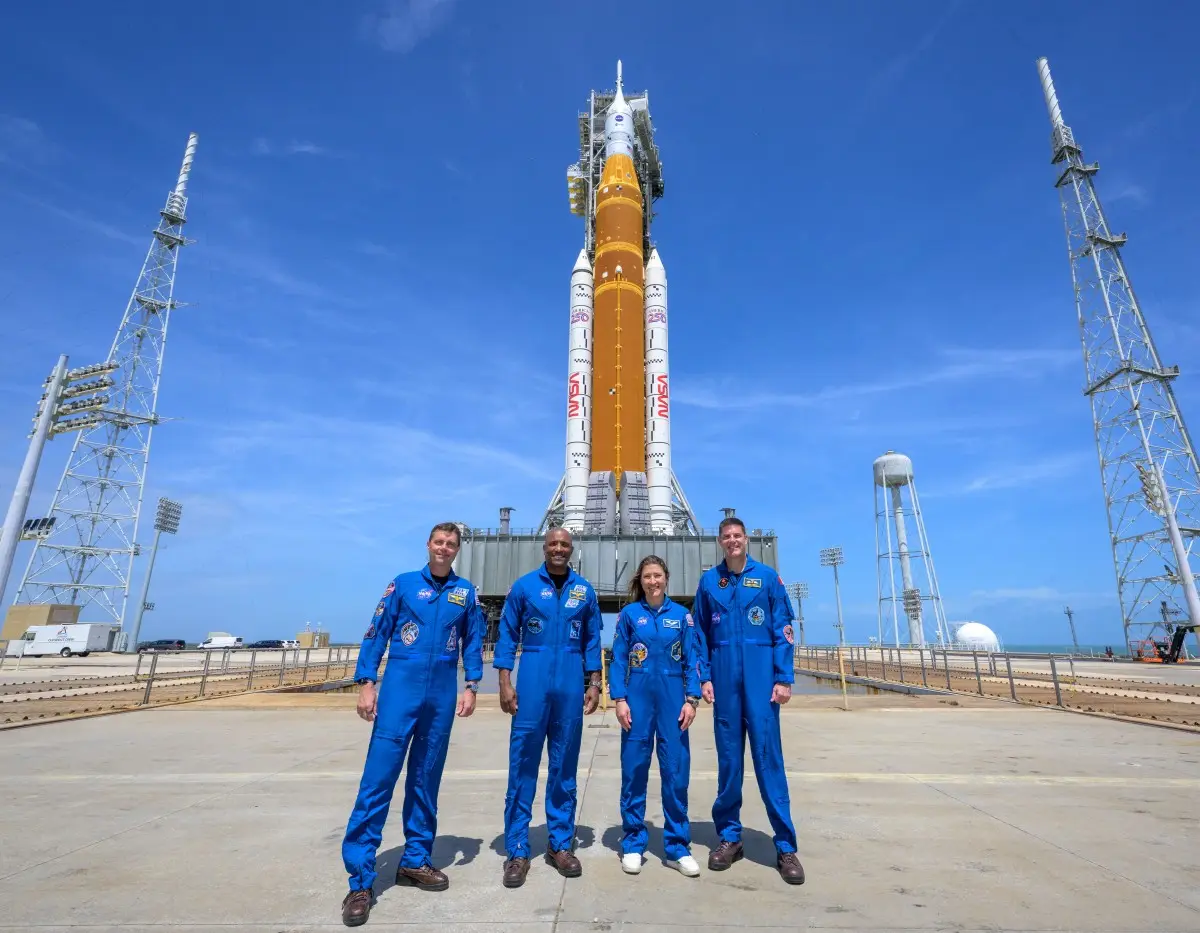
Four Astronauts About to Make History
Commander Reid Wiseman, pilot Victor Glover, mission specialist Christina Koch, and Canadian Space Agency astronaut Jeremy Hansen will climb aboard NASA's Orion spacecraft atop the Space Launch System rocket. This crew carries the weight of multiple historic firsts, the first woman, the first person of color, and the first non-American to journey to the Moon. NASA Administrator Jared Isaacman summed it up with three words on social media: We are going back.
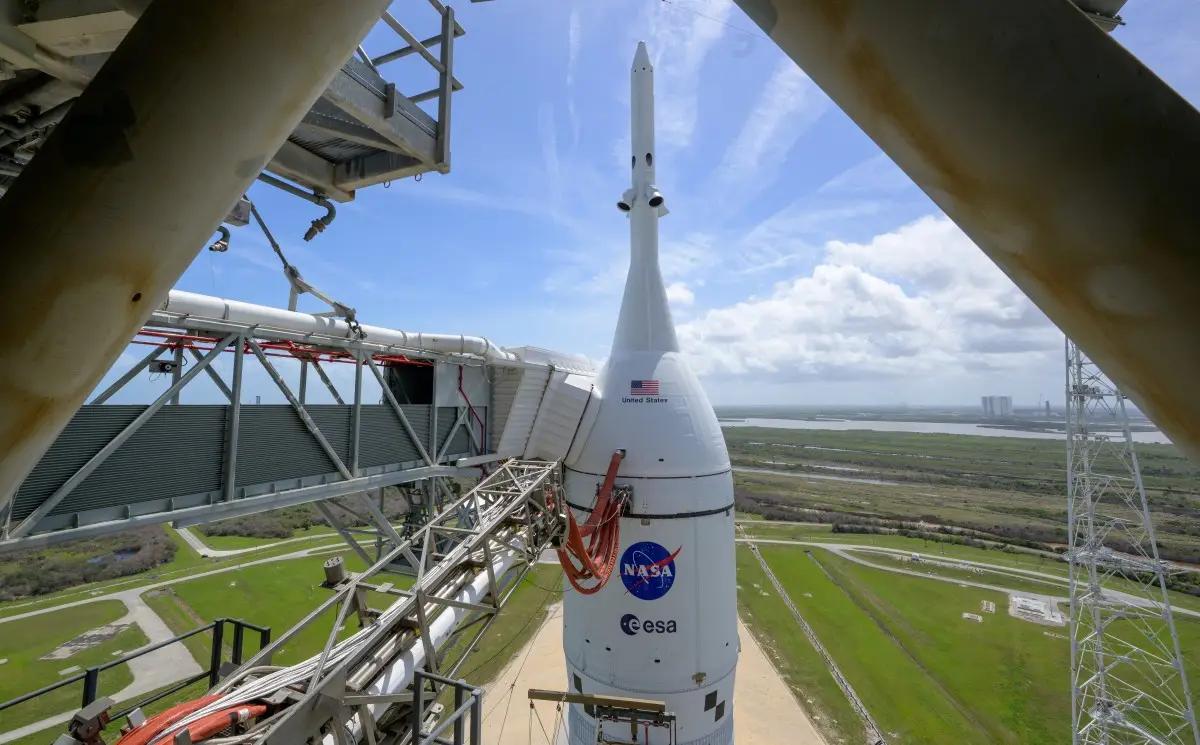
A 10-Day Journey Around the Moon and Back
The Artemis 2 crew will not land on the Moon, instead, they will execute a sweeping free-return trajectory that takes them around the lunar far side and back to Earth over 10 days. Due to the Moon's specific orbital position in early April 2026, this crew will travel farther from Earth than any human beings in recorded history, surpassing even the unintended distance record set by the Apollo 13 crew in 1970. The mission serves as a live deep-space crewed test of the Orion capsule's systems.
The Smoothest NASA Countdown in Years
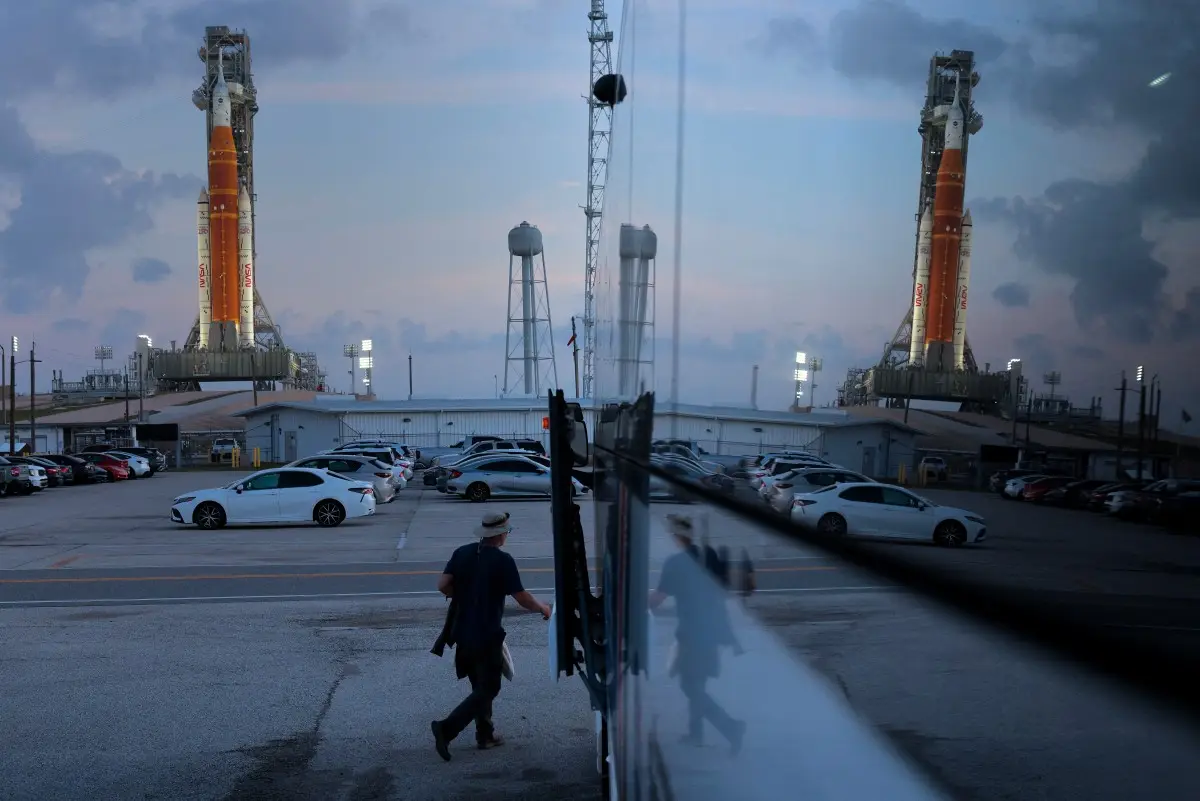
Unlike the troubled Artemis 1 campaign, which was repeatedly delayed by hydrogen fuel leaks and technical anomalies before finally launching in November 2022, Artemis 2's preparation has been described by officials as exceptionally clean. NASA's livestream is already live and mission updates are running, a sign of just how confident the agency is heading into this historic April 1 launch window from Cape Canaveral, Florida.
A Rare Pink Moon Will Witness the Launch
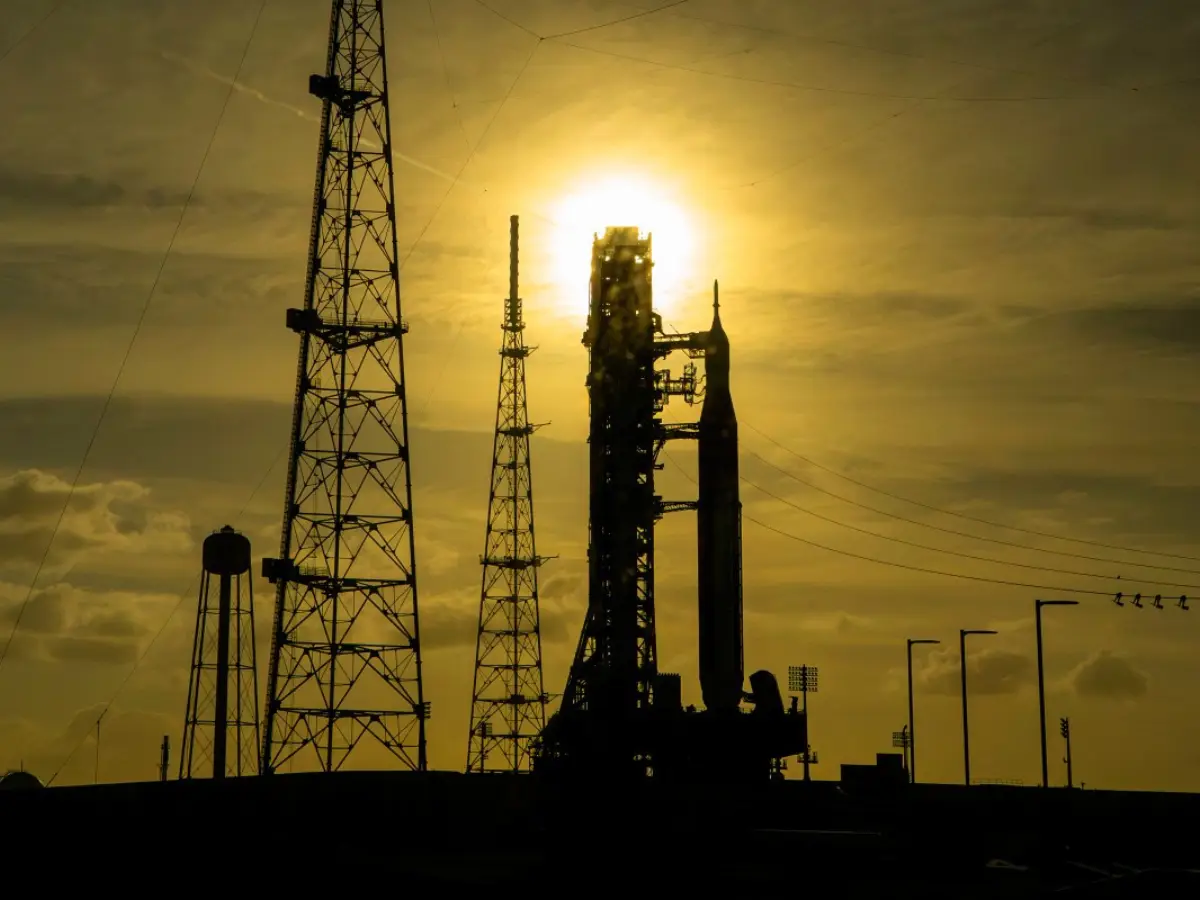
In a remarkable twist of celestial timing, Artemis 2 is launching during April's full moon, known as the Pink Moon. Commander Jeremy Hansen reflected on the coincidence ahead of launch, saying he looks up at the moon quite regularly thinking about this mission and the upcoming missions that will follow. The Pink Moon rising as four astronauts depart for it is the kind of poetic detail no scriptwriter could have planned and no amount of April Fools jokes could overshadow.
Moon Landings Are Just the Beginning for NASA
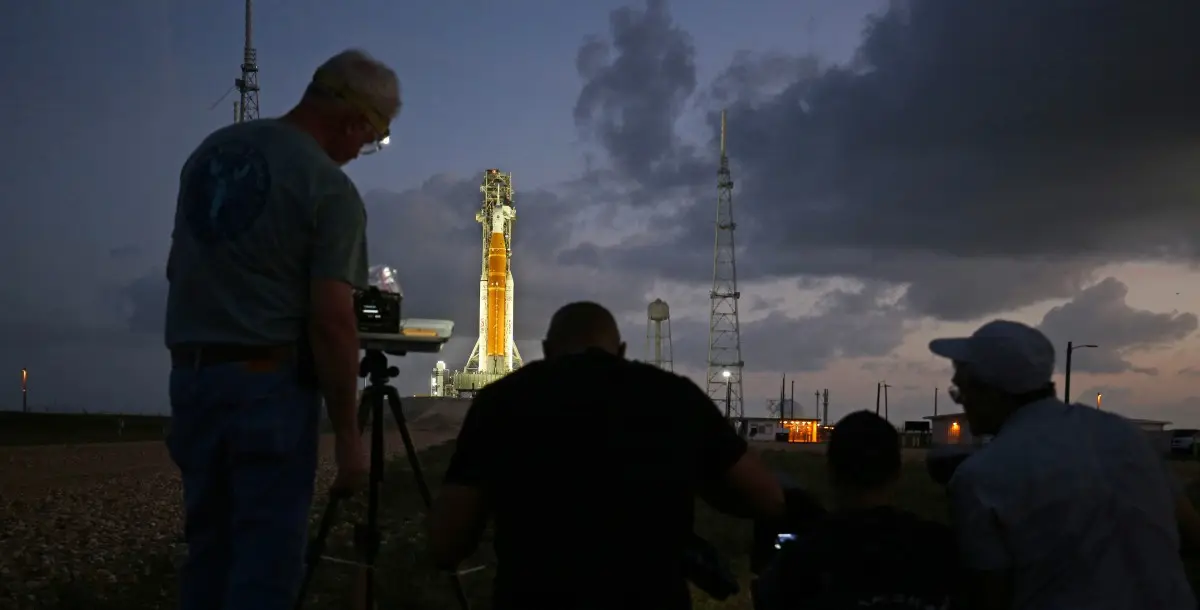
Artemis 2 is not the end goal, it is the gateway. NASA Administrator Jared Isaacman has unveiled an ambitious schedule of future moon landings, with Artemis 3 targeting the lunar south pole, a region believed to harbour water ice that could support a permanent human presence on the Moon. NASA has also been exploring concepts for a lunar base, replacing the previously planned Lunar Gateway space station. A successful Artemis 2 mission on April 1 will set the entire next era of human space exploration in motion.
)
)
)
)
)