NASA Artemis II mission: ‘Earthset’, record distance and 6 big takeaways from historic Moon flyby

NASA’s Artemis II mission made history with diversity, distance records, and stunning lunar moments in humanity’s first Moon flyby in more than 50 years
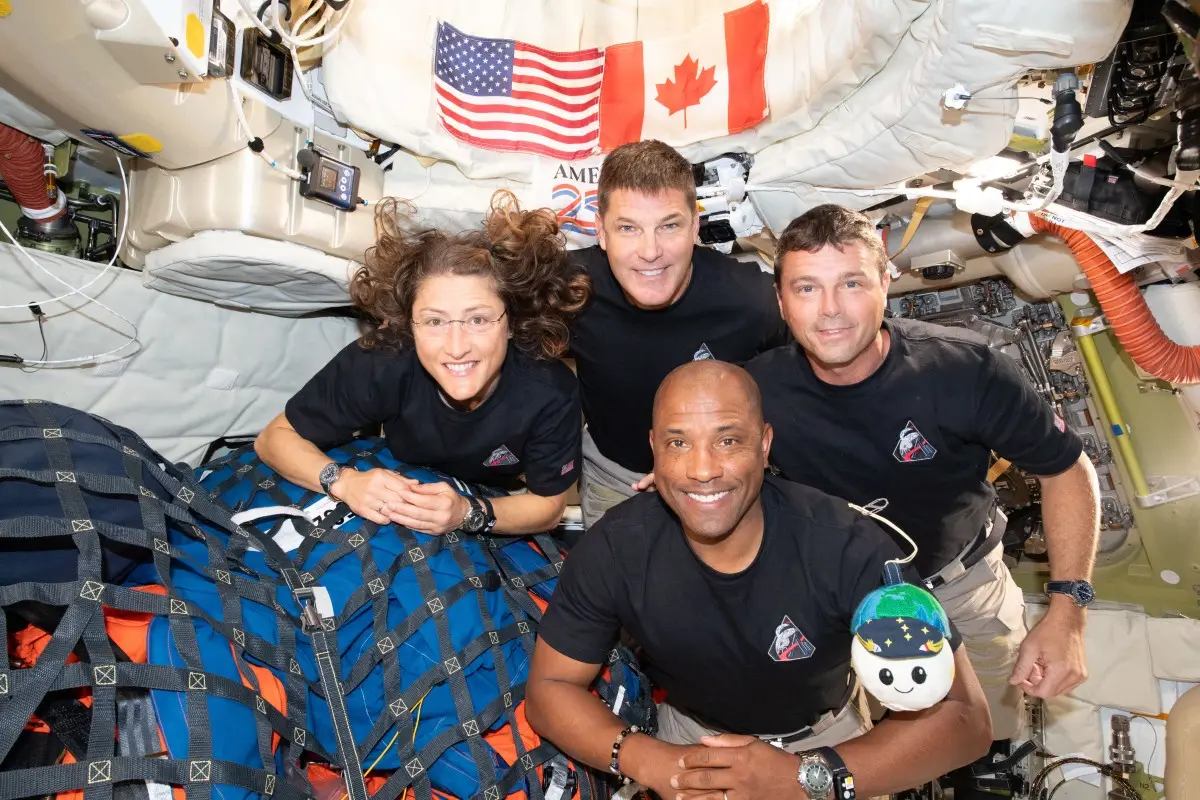
Diversity breakthrough in space
NASA’s Artemis II mission marked a historic shift in representation in human spaceflight. Christina Koch became the first woman, Victor Glover the first person of color, and Jeremy Hansen the first non-American to travel around the Moon. This milestone highlights how far space exploration has come since the Apollo era, when only white American men were selected. However, the mission also unfolds amid political debates in the US, where diversity and inclusion initiatives have been rolled back, raising questions about the future of representation in space programs.
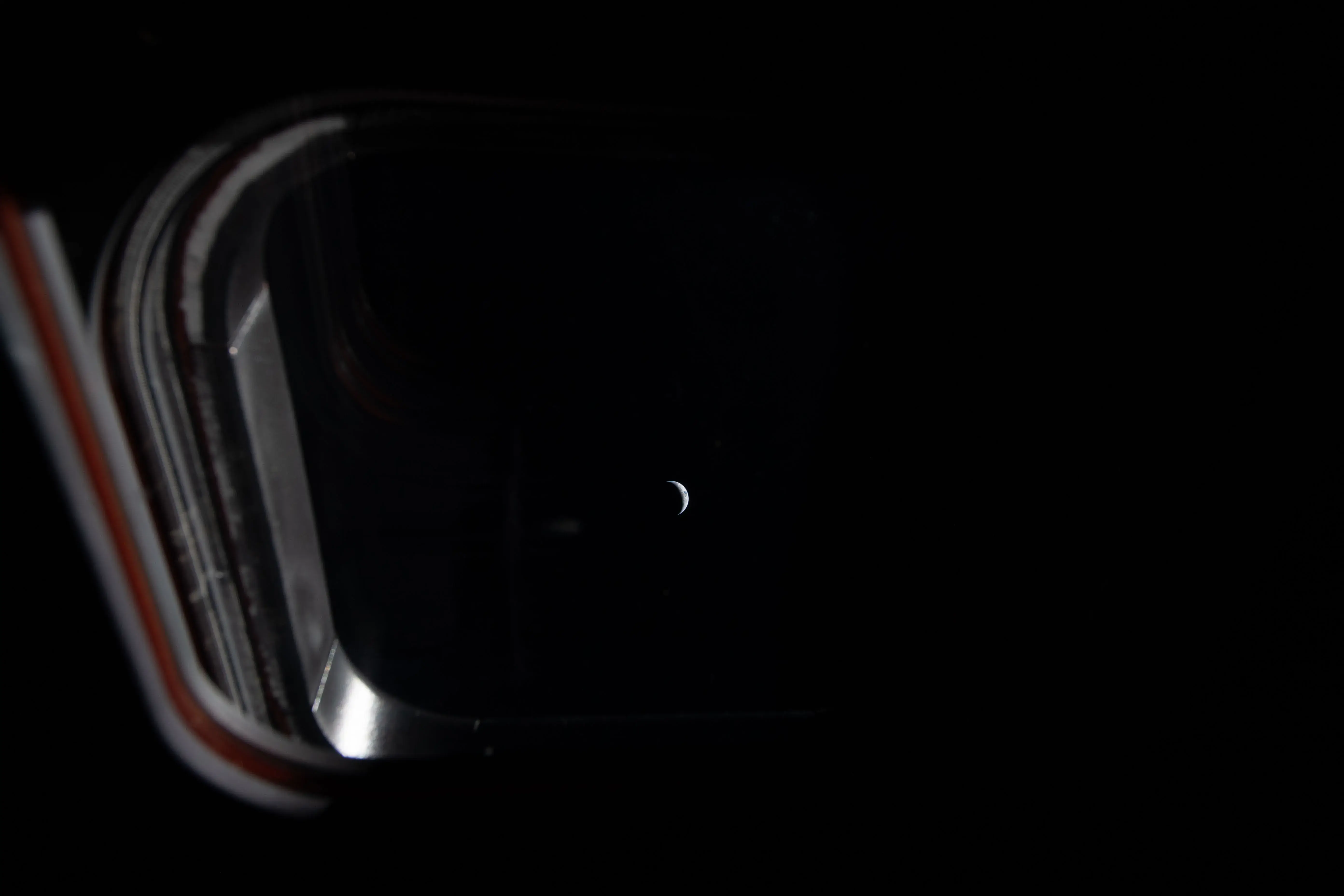
Breaking the distance record
Artemis II astronauts set a new record for the farthest distance humans have ever traveled from Earth, reaching 252,756 miles. This surpasses the record set during Apollo 13 by over 4,000 miles. The mission represents a major step in NASA’s plan to establish a long-term human presence on the Moon. Canadian astronaut Jeremy Hansen emphasized that this record should inspire future generations to push boundaries even further, reinforcing the idea that Artemis is just the beginning of a new era in deep space exploration.
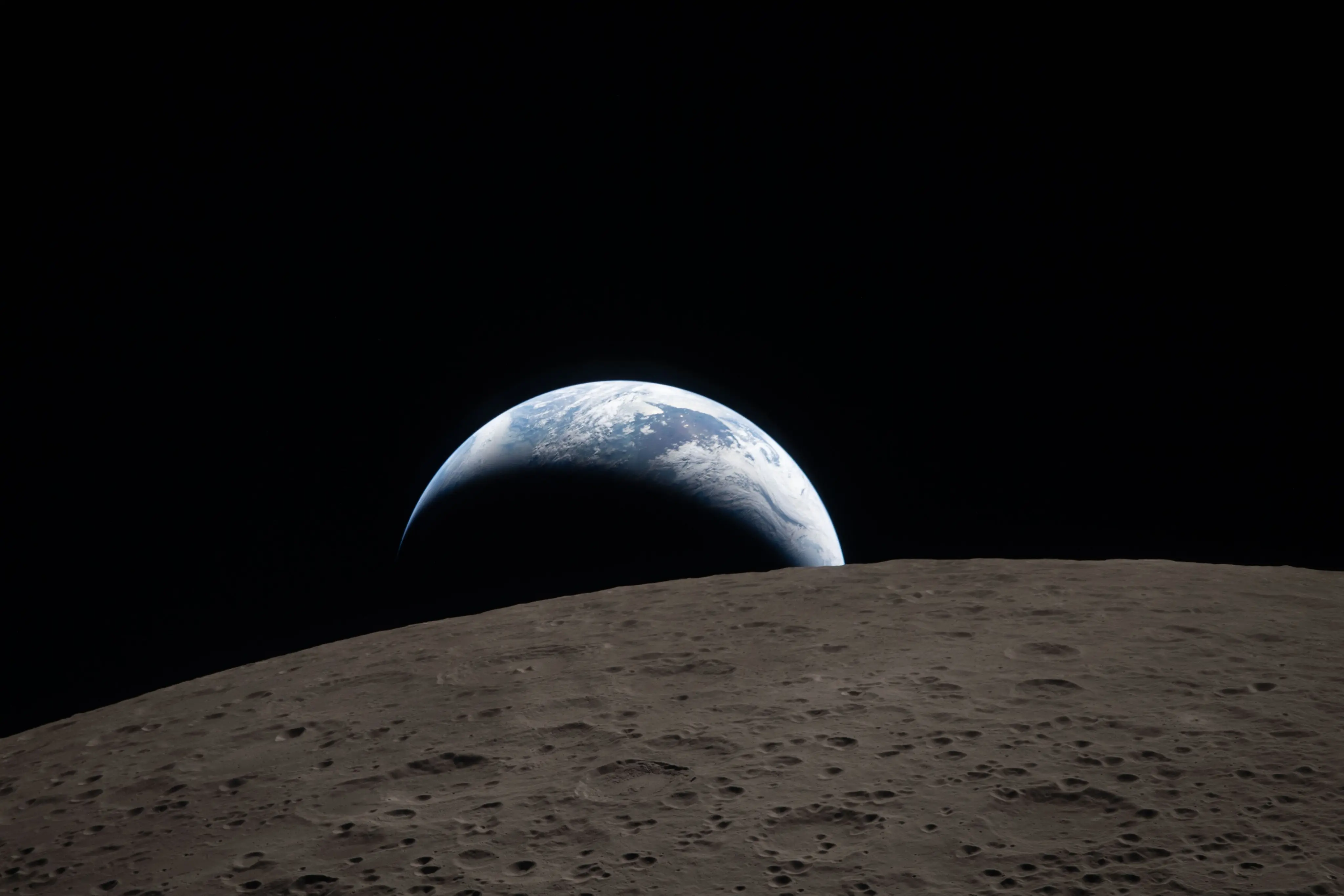
The stunning ‘Earthset’ image
Among thousands of photos captured during the mission, one image stood out — the breathtaking “Earthset.” The photograph shows Earth as a fragile blue sphere set against the vast curve of the Moon, surrounded by the darkness of space. It echoes the iconic “Earthrise” image from 1968 but offers a modern perspective from deeper space. The image has quickly become symbolic of humanity’s place in the universe, reminding viewers of Earth’s beauty and vulnerability from a distant cosmic vantage point.
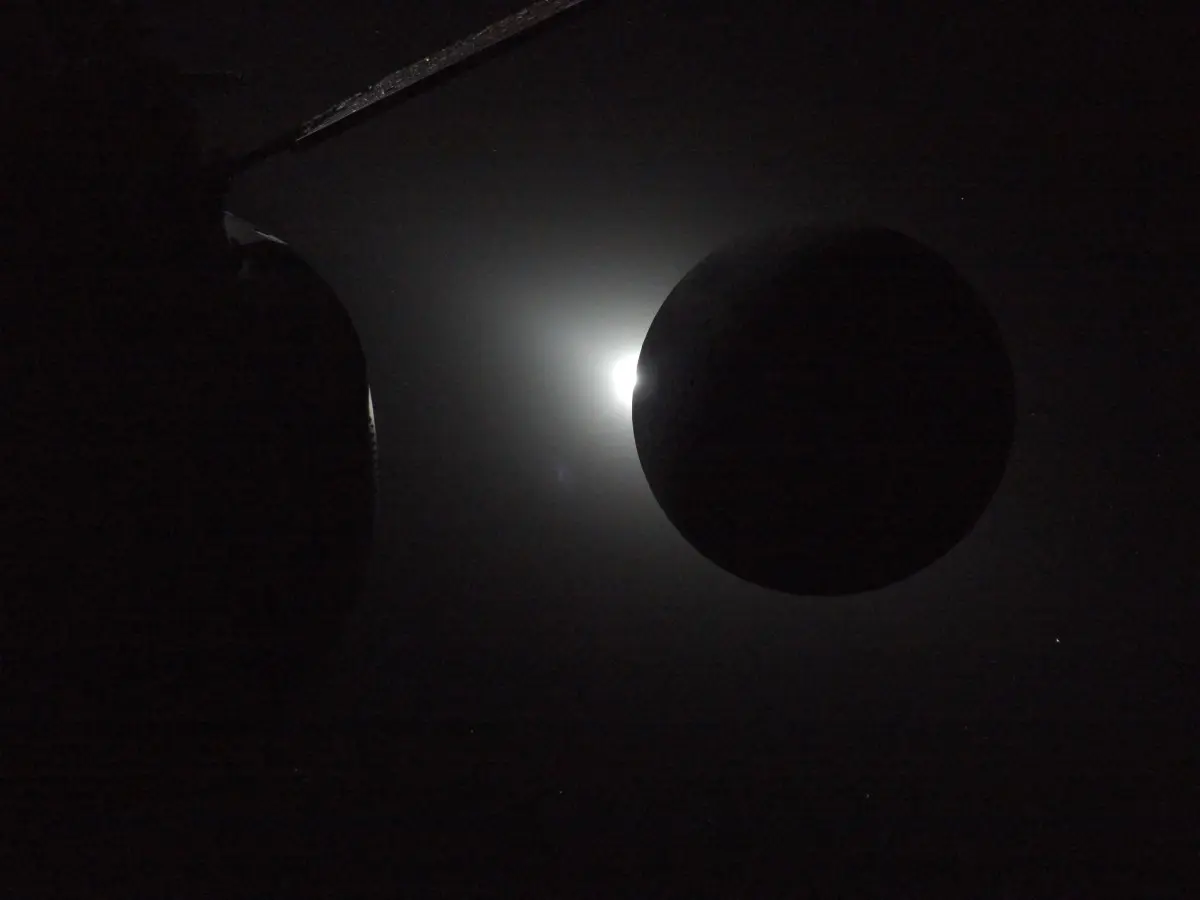
Solar eclipse and meteor strikes
The Artemis II crew witnessed a rare and surreal solar eclipse from space, describing it as an almost indescribable experience. The Moon appeared as a dark sphere encircled by a glowing halo of light. During the eclipse, astronauts also observed flashes caused by meteorite impacts on the lunar surface. These sightings have excited scientists back on Earth, who see them as crucial for understanding potential risks to future astronauts. The observations could play a key role in improving safety measures for long-term human missions on the Moon.
Exploring the Moon’s far side
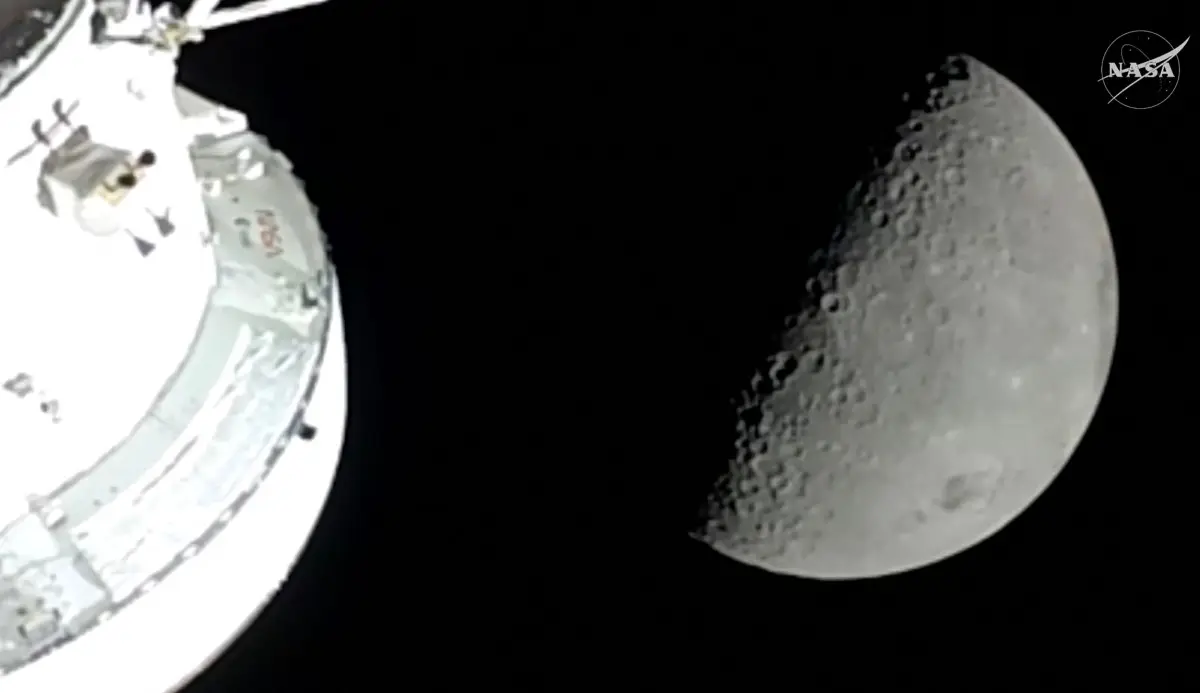
For the first time, humans observed the Moon’s far side from an altitude of around 4,000 miles, offering a completely new perspective. Unlike Apollo missions, which flew much closer, Artemis II provided a broader and more detailed view of previously unseen regions. This vantage point allowed astronauts to witness lunar terrain that had only been captured by robotic missions before. The experience deepens scientific understanding of the Moon and highlights the advancements in technology that now enable more ambitious exploration missions.

The new space race begins
Artemis II signals the start of a new chapter in global space exploration, often described as “Space Race 2.0.” As NASA aims to return humans to the Moon and build a sustainable presence, other nations like China are also accelerating their lunar ambitions. The mission tested the Space Launch System (SLS) and Orion spacecraft, both crucial for future deep-space travel. However, geopolitical tensions and shifting US policies may impact international collaborations, making the future of lunar exploration both exciting and uncertain.
)
)
)
)
)