NASA Artemis 2 to Moon: From launch to return, here's how the mission will unfold

The NASA Artemis 2 crew has announced the name of its Orion capsule. The mission is set to launch sometime before April 2026. Here are the details of how the mission will unfold - from launch to return.
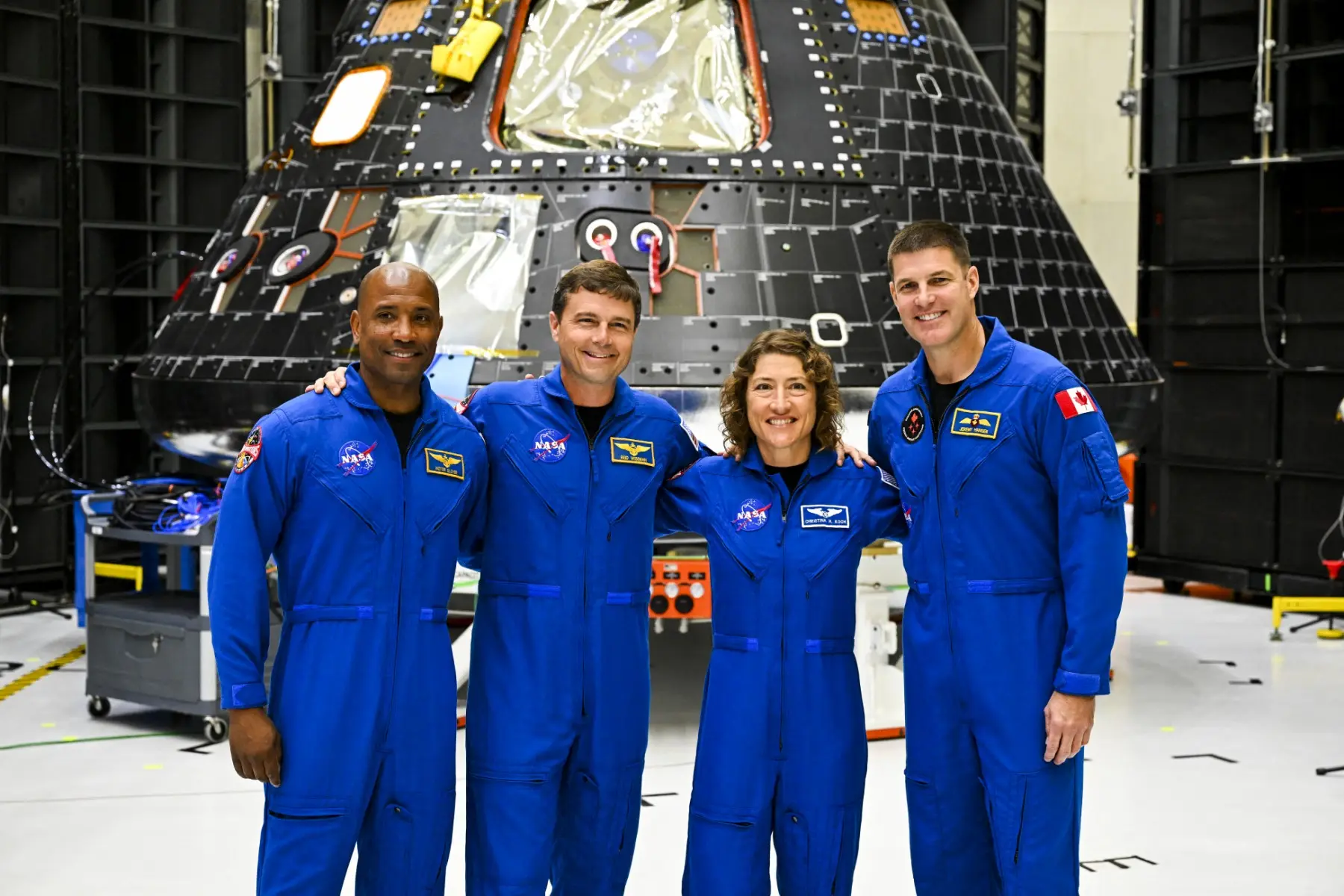
NASA Artemis 2 crew and test flight
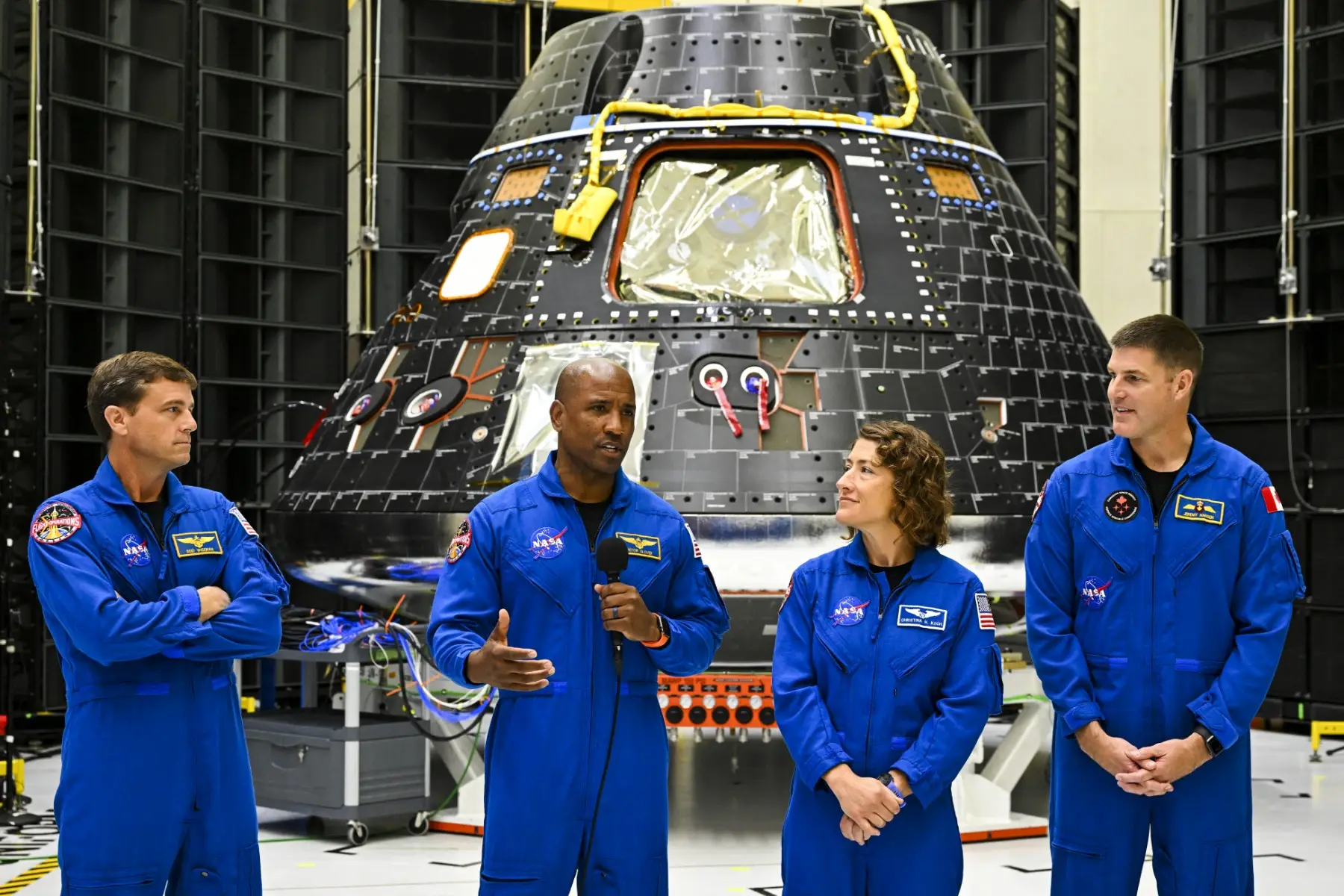
NASA's first crewed Artemis test flight is scheduled to be launched no later than April 2026. Astronauts Christina Koch, Victor Glover, Reid Wiseman, and Canadian Space Agency Astronaut Jeremy Hansen have been chosen for the mission that aims to ultimately return humans to the Moon, over 50 years after the Apollo missions ended. They have named their Orion spacecraft Integrity. NASA has released a detailed plan outlining the progression of the Artemis 2 mission, from launch to return.
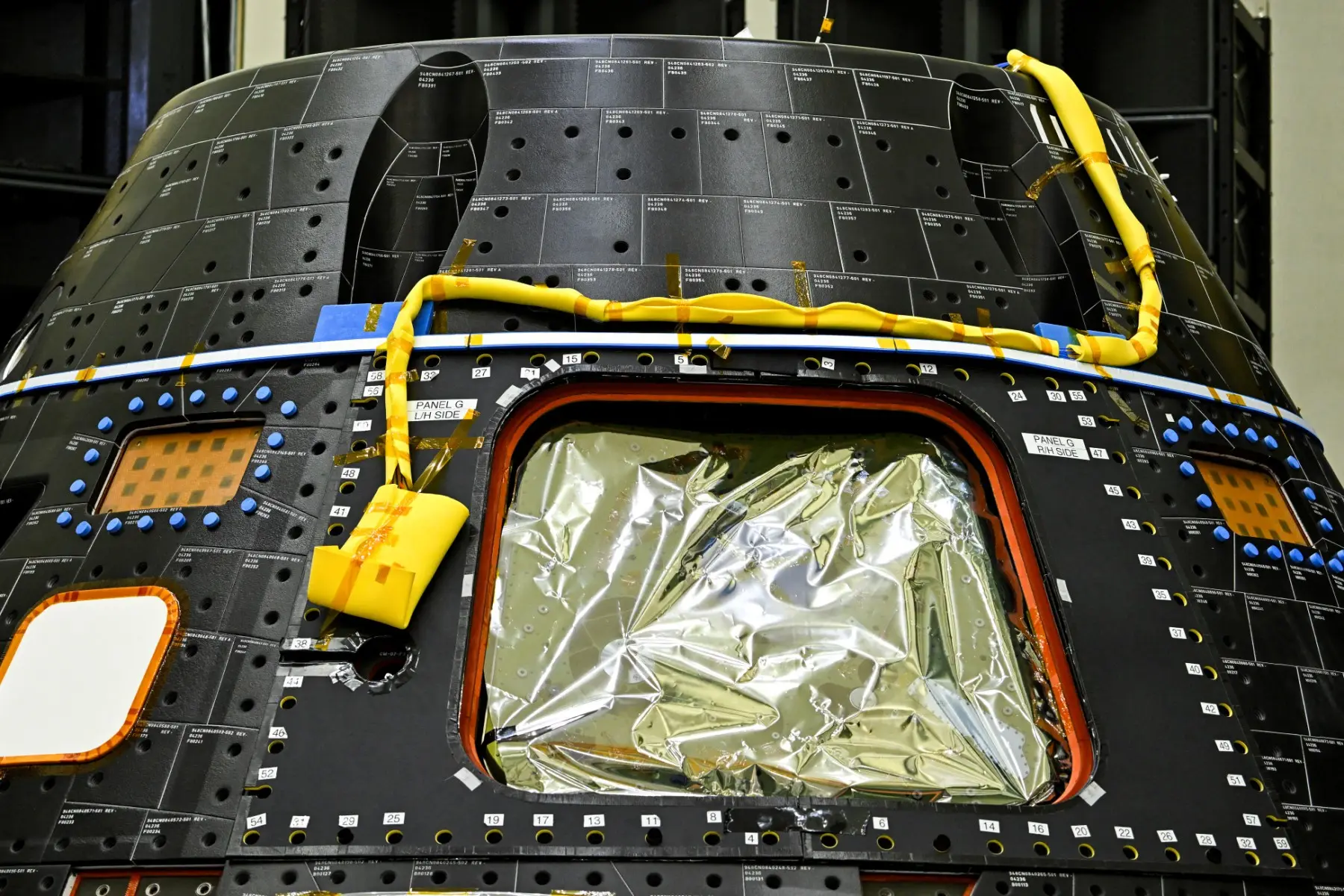
Artemis 2 Orion launch
The whole mission is expected to last 10 days. The astronauts will be launched into space aboard NASA’s Orion spacecraft from the Kennedy Space Centre in Florida. The SLS rocket will jettison the boosters, service module panels, and launch abort system. The core stage engines will shut down, and the core stage will separate from the upper stage and the spacecraft. After separating from the launch vehicle, the astronauts will test manual flight.
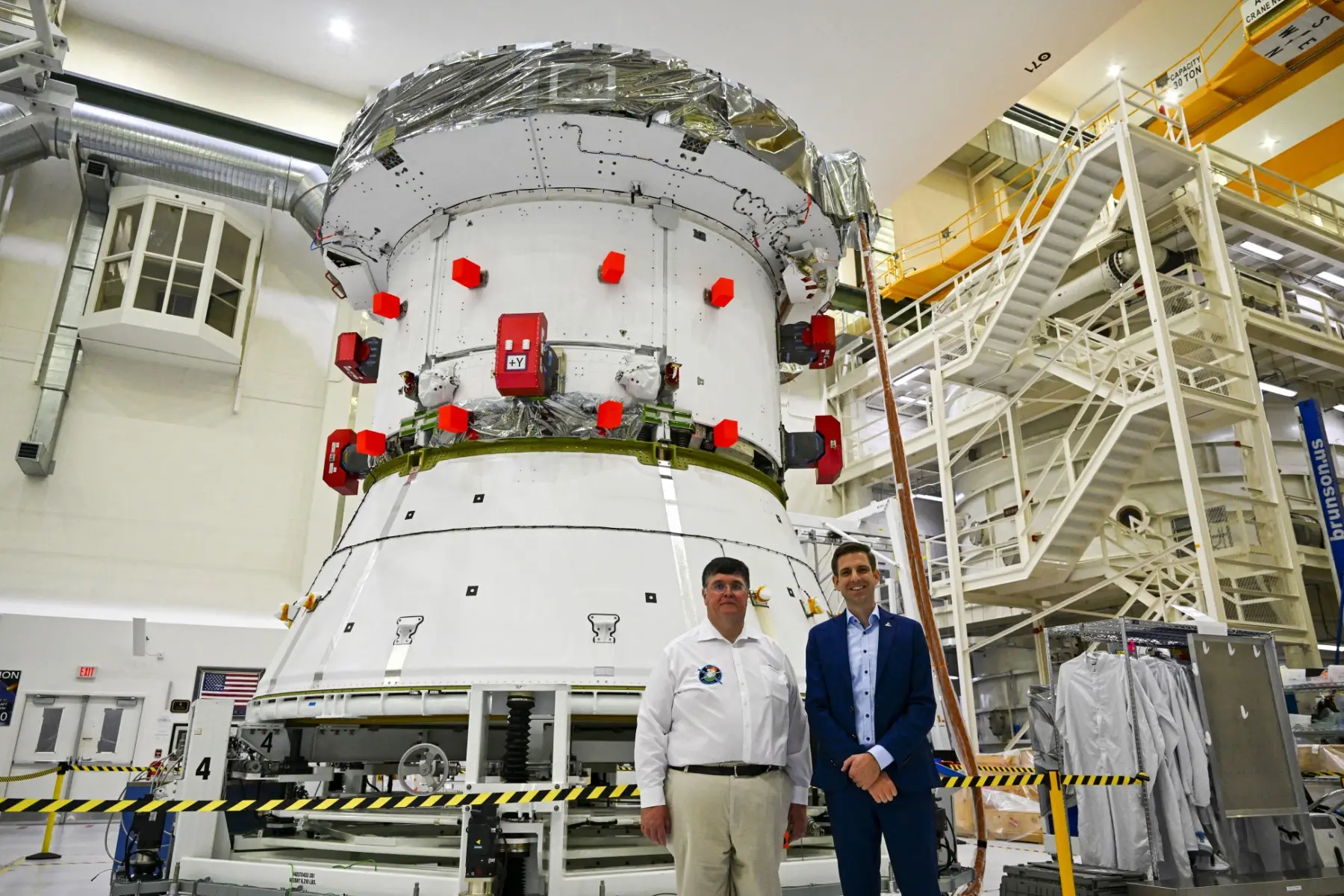
Orion manoeuvres to raise its orbit
Orion will perform multiple manoeuvres to raise its orbit around Earth. Orion and the Interim Cryogenic Propulsion Stage (ICPS) will orbit Earth twice to ensure Orion’s systems are working fine before leaving for the lunar trajectory. They will also check the life support systems that will be needed to generate breathable air and remove the carbon dioxide and water vapour.
Orion will fly in an elliptical orbit
The spacecraft will fly in an elliptical path and reach an initial orbit of about 115 by 1,400 miles. It will stay in this orbit for a little over 90 minutes, and at this state, the ICPS will fire for the first time. The Orion will then move to a high-Earth orbit to let the spacecraft build enough speed for the eventual push towards the Moon. The second orbit will be bigger and will take approximately 23.5 hours. The Orion will fly in an ellipse between about 115 and 46,000 miles above Earth.
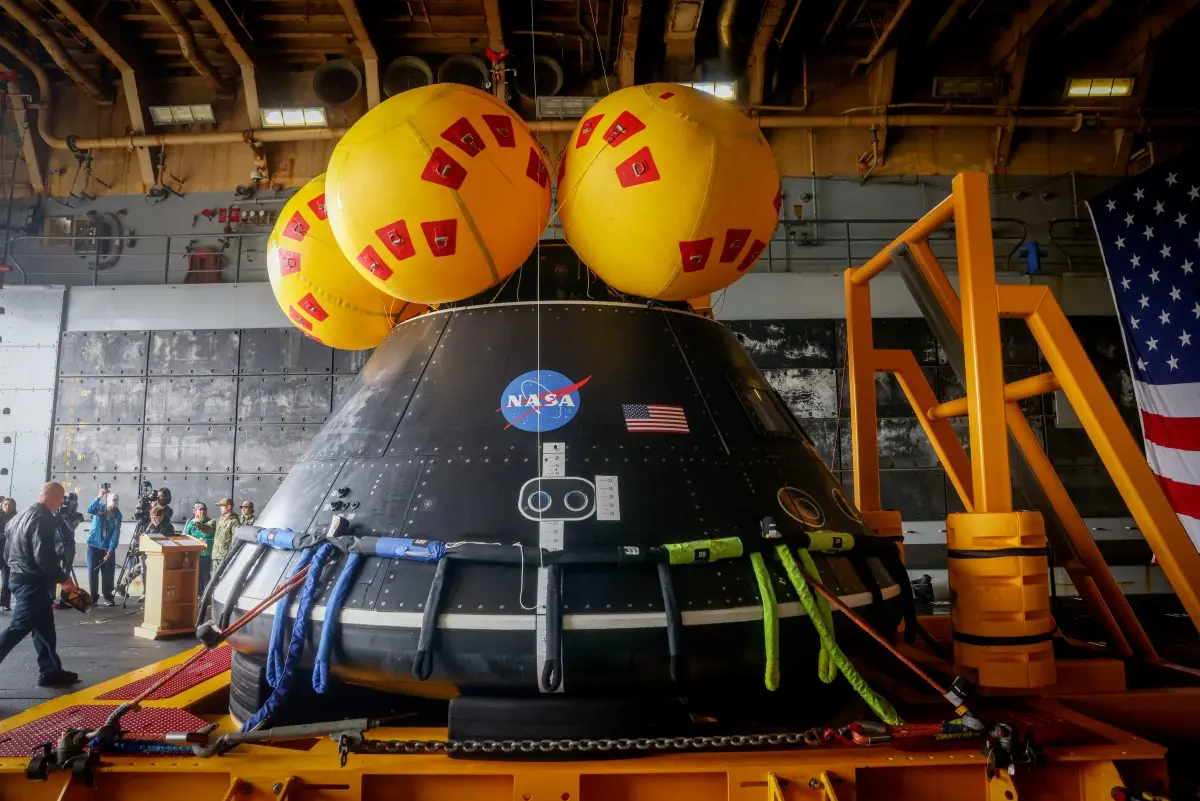
Orion will move beyond the range of GPS satellites
Orion will briefly fly beyond the range of GPS satellites and the Tracking and Data Relay Satellites of NASA’s Space Network to allow an early checkout of the agency’s Deep Space Network communication and navigation capabilities.
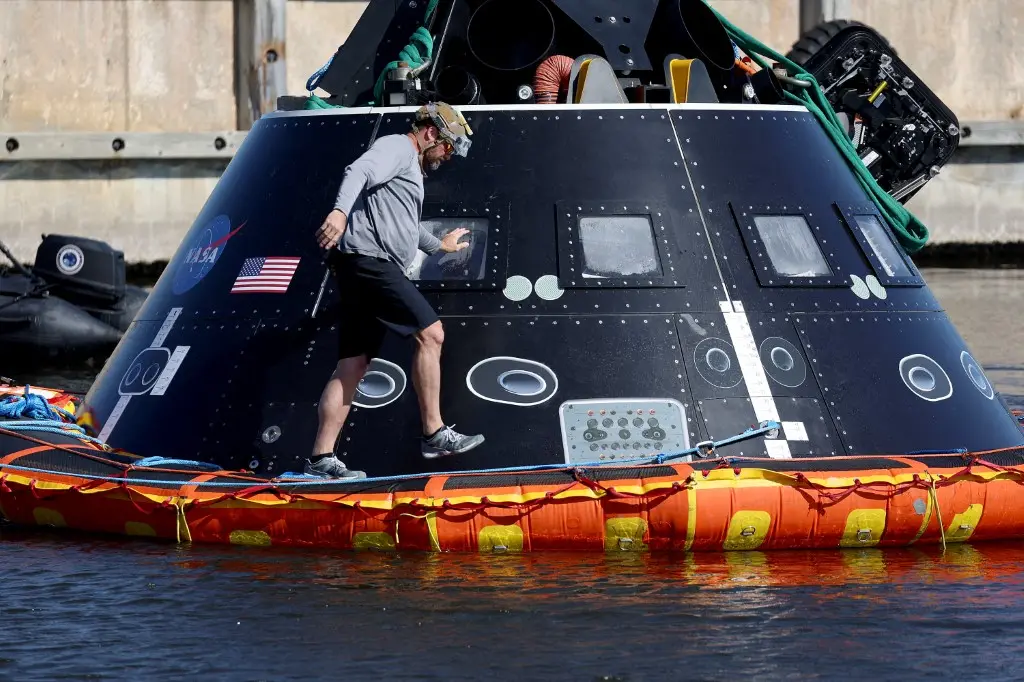
Orion main engines will fire
Orion will then perform the next propulsion move, called the translunar injection (TLI) burn. The ICPS would have done most of the job till here, and now the main engines will fire and the service module will put Orion on a path toward the Moon.
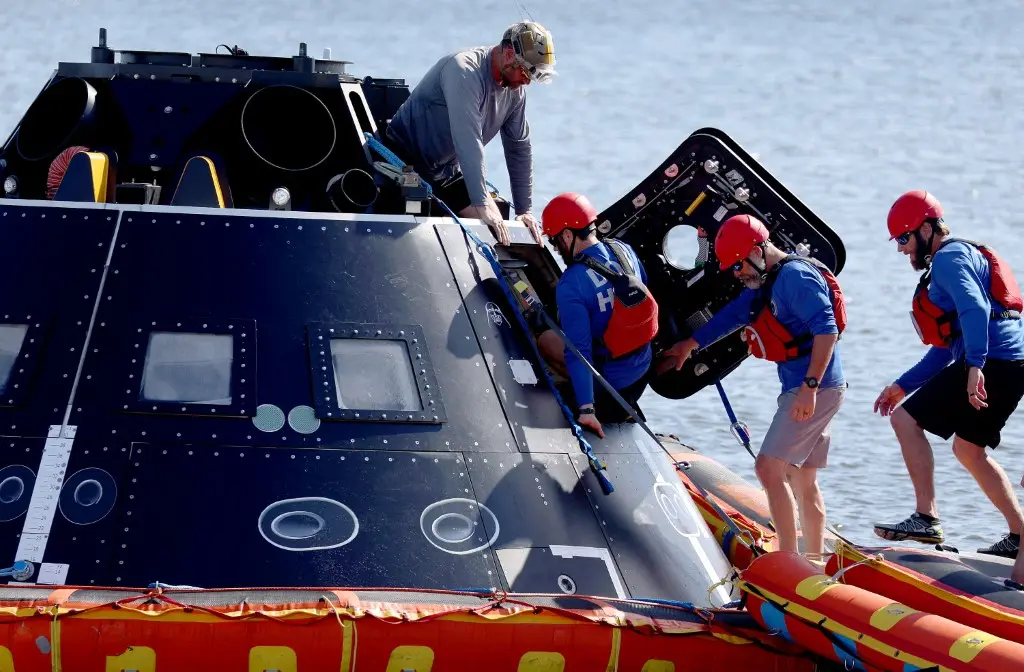
Orion's four-day return trip to Earth
The TLI burn will ultimately send the crew on an outbound trip to the Moon that will last about four days. The Orion will go around the backside of the Moon, creating the figure eight, over 230,000 miles from Earth. The Artemis II crew will go approximately 4,700 miles beyond the far side of the Moon, and from here will be able to grasp a wonderful view of both the Moon and Earth. From Orion, they will be able to see the Moon up close, with Earth a quarter-million miles behind it. They will finally undertake a four-day return trip and splashdown.
)
)
)
)
)