This space robot could help humans explore the most dangerous parts of Mars

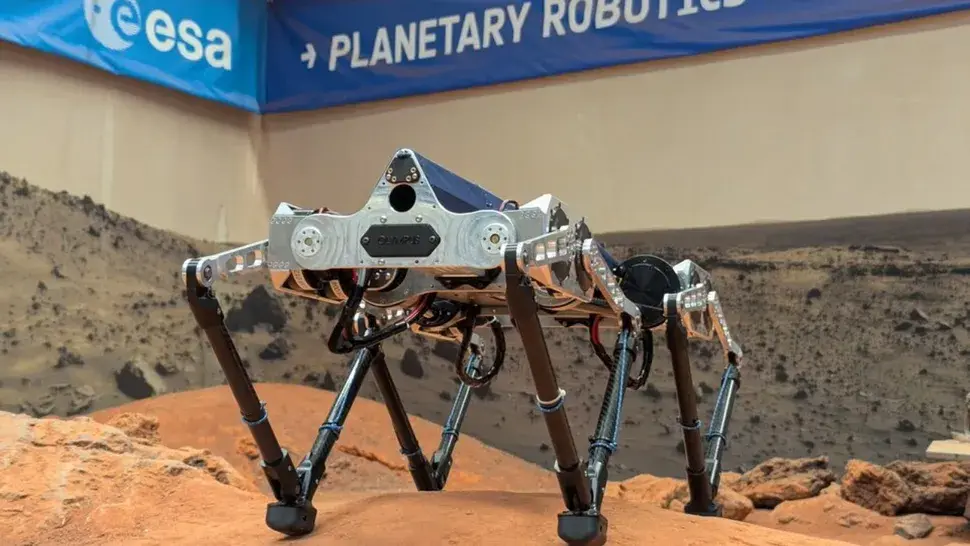
As humanity sets its sights on Mars, a new kind of robotic explorer is being built to lead the way. Meet Olympus, the European Space Agency’s (ESA) four-legged robot designed to thrive in the Red Planet’s harshest environments, from rocky plains to deep lava tubes.
A Leap Beyond Wheeled Rovers
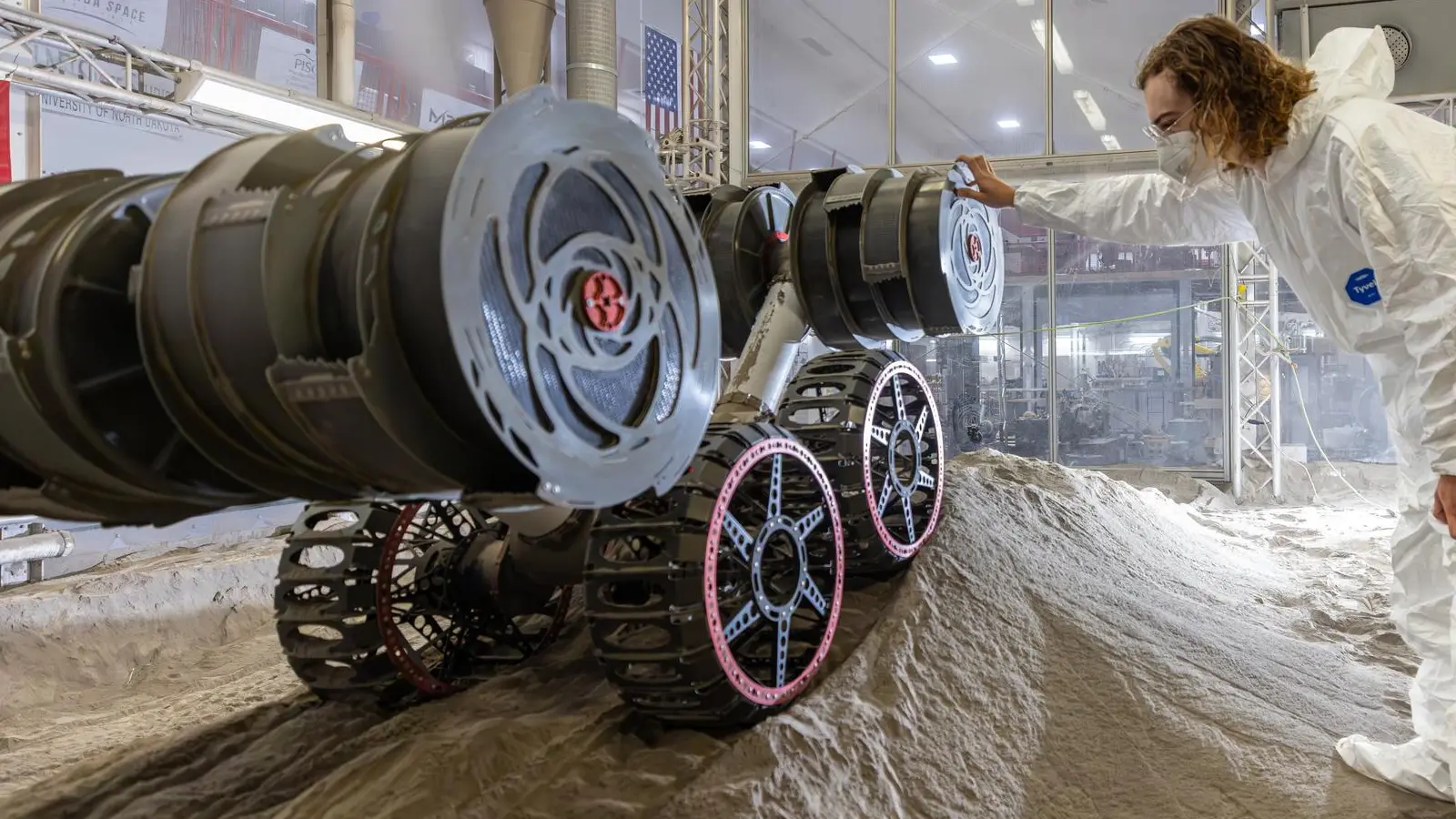
While traditional Mars rovers use wheels or tracks, Olympus walks, jumps, and reorients itself with four mechanical legs. This design allows it to tackle steep slopes, climb over boulders, and even explore underground lava tubes, places where wheeled machines would get stuck.
Harnessing Mars’ Lower Gravity
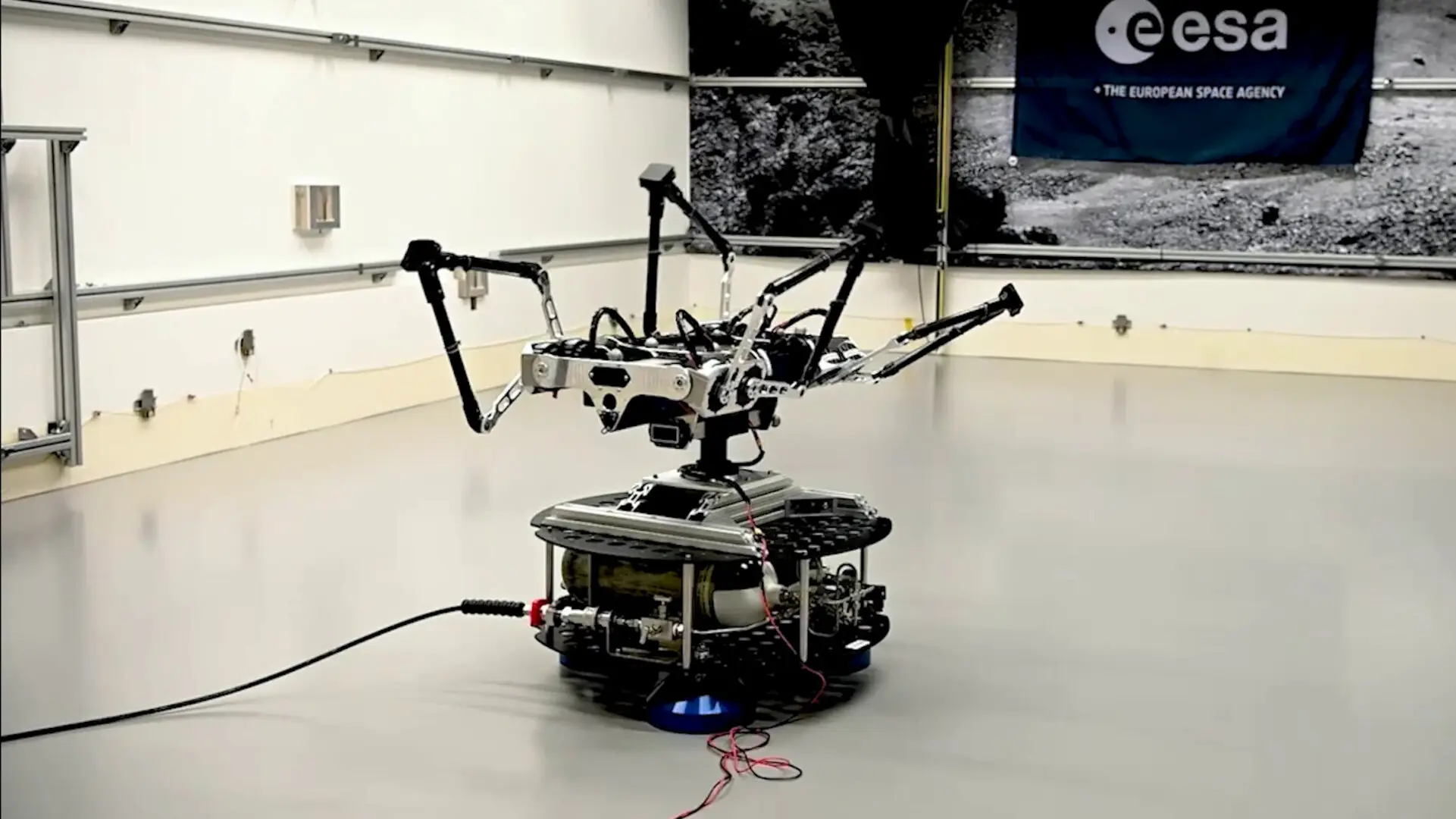
Mars has just 38 per cent of Earth’s gravity, giving Olympus a unique edge. It can leap much higher than on Earth, clearing obstacles in a single bound and covering difficult terrain with ease. This makes it an ideal scout for exploring dangerous or unreachable areas.
Learning Like a Living Creature
Olympus isn’t just built for rough terrain, it’s built to learn. Using reinforcement learning, a form of machine learning that works through trial and error, the robot adapts to new environments without human intervention. Over time, it perfects its movements to stay stable and efficient.
Trained in Space-Like Conditions
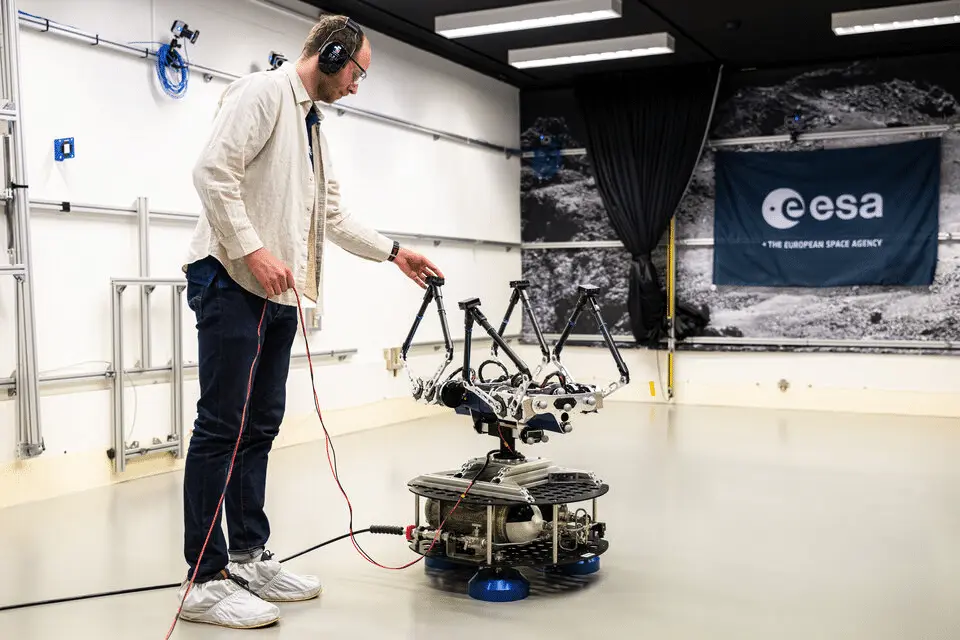
To prepare for Mars, ESA tests Olympus in simulated microgravity environments. These trials teach the robot to navigate changing angles and unexpected shifts in orientation — essential skills for surviving on other worlds.
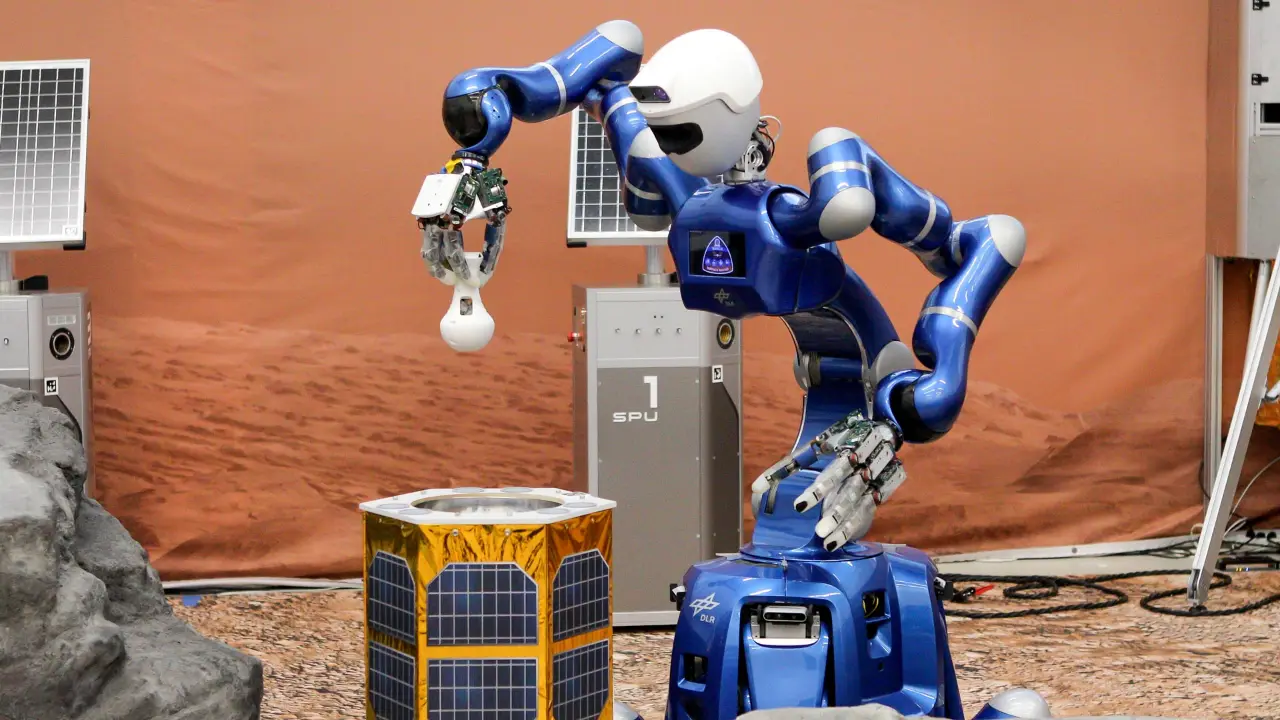
A Future Astronaut Companion
When humans finally step foot on Mars, Olympus could be there first. It might act as a scout, mapping terrain, checking weather conditions, or even venturing underground to search for signs of past water or life.
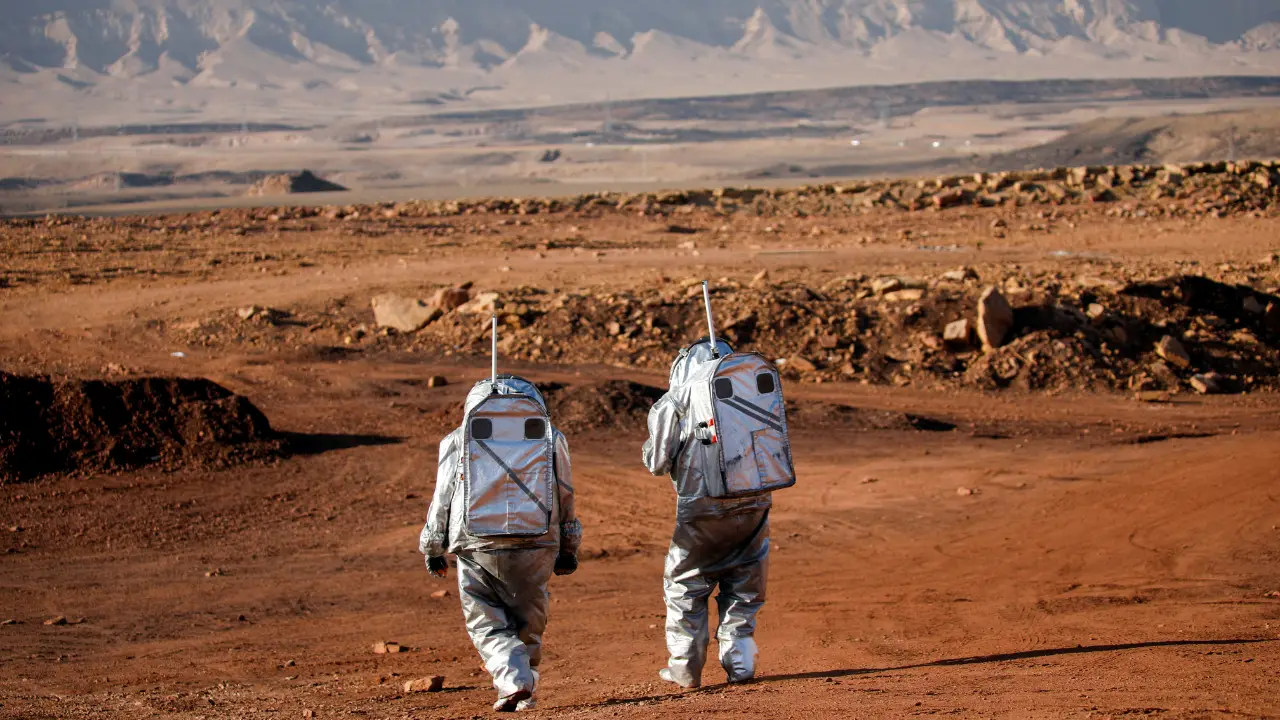
Exploring the Martian Underworld
One of Olympus’s most ambitious missions could be entering Martian lava tubes. massive volcanic caves that may offer shelter for future astronauts. These areas could hold clues about the planet’s geological history and even potential habitats for human colonies.
Shaping the Next Era of Space Exploration
Olympus is more than just a robot; it’s a partner in exploration. By combining agility, intelligence, and adaptability, it represents a new generation of robotic helpers that could make Mars not only reachable but survivable.
)
)
)
)
)