Maria Sharapova bids adieu to tennis, here's her career in pictures

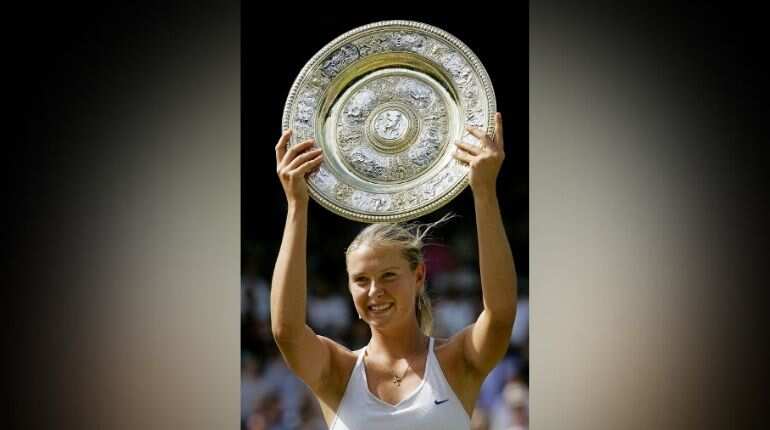
Rise to fame
Siberia-born Sharapova's Wimbledon victory over Serena Williams in 2004, aged 17, propelled her to superstardom and riches.
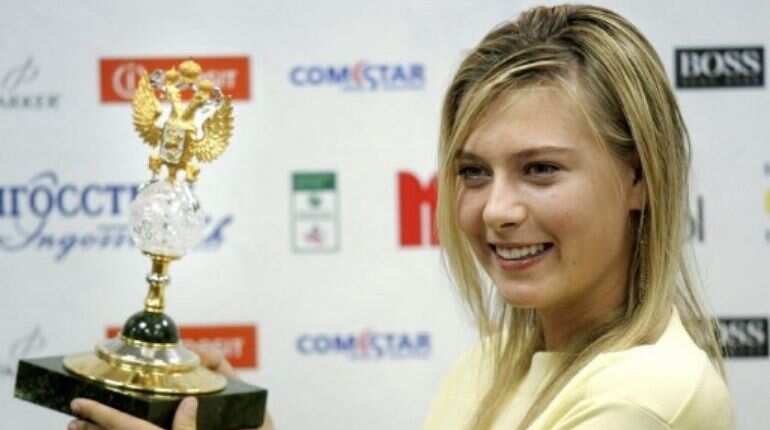
Russian Teen sensation
At 18, she became the first Russian woman to reach number one in the rankings in 2005 and claimed the US Open title in 2006. She also won the Australian Open in 2008.
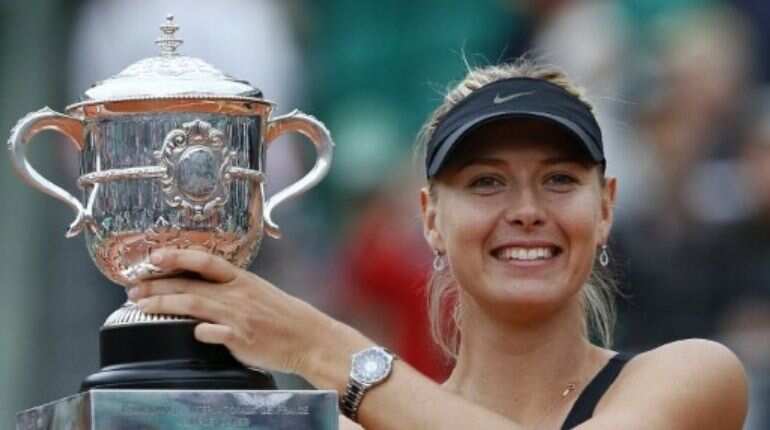
Completing her career Grand Slam
Sharapova, whose trademarks were her ferocious intensity and pounding groundstrokes, completed her career Grand Slam when she won the French Open in 2012.
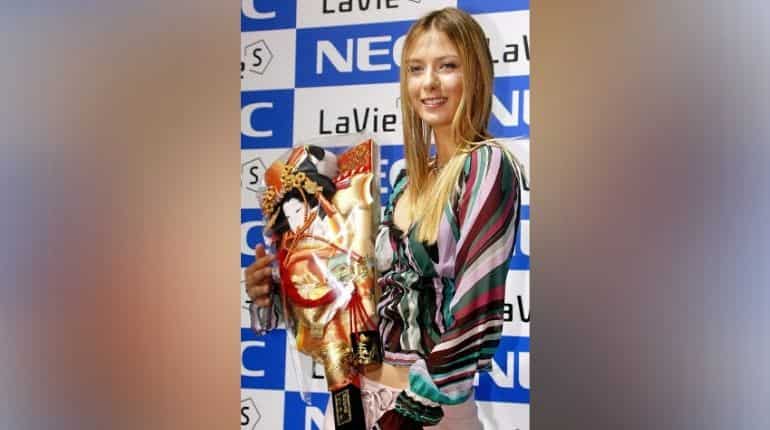
Highest-paid female athlete
In 2017, she won the Tianjin Open, the last title of a storied career that earned her $38.7 million in prize money, a figure dwarfed by off-court earnings that according to Forbes made her the highest-paid female athlete for 11 years in a row.
Doping ban
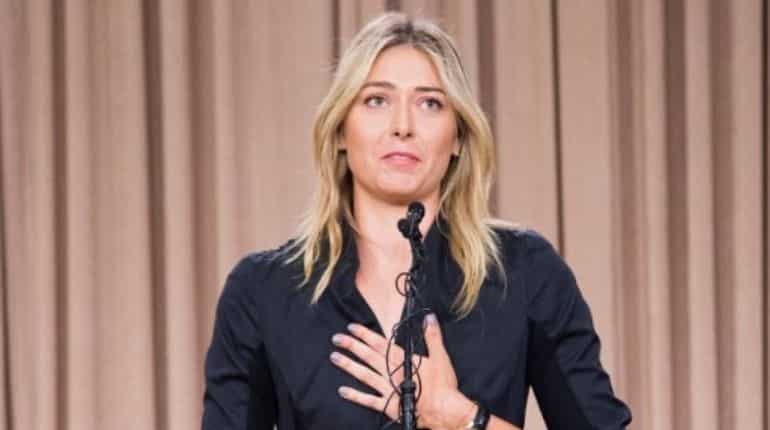
Sharapova claimed she had not realised that 'meldonium', which she said she had taken for health issues throughout her career, had been added to the World Anti-Doping Agency's banned list.
Her ban was eventually reduced to 15 months and she returned to action in April 2017 after being handed wildcards at several events, which drew criticism from some fellow players.
Plagued with injuries
Maria Sharapova, who grew up in Sochi, was spotted playing at a tennis camp in Moscow by former great Martina Navratilova and moved with father Yuri to Florida with little money and no English, claimed 36 titles.
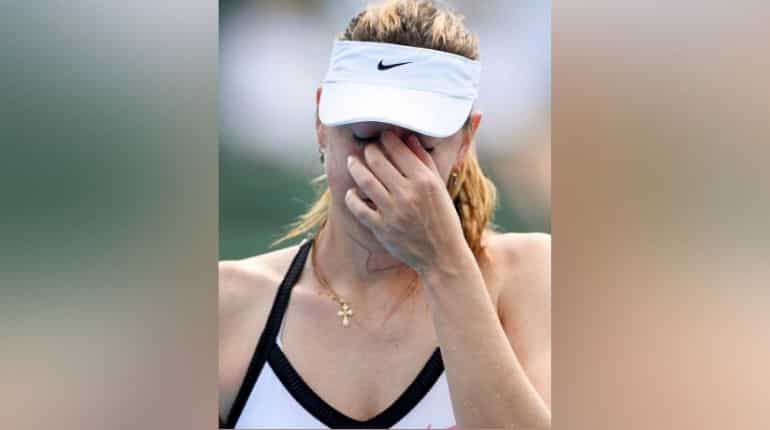
But injuries, especially her shoulder, blighted her career.
A torn rotator cuff in 2008 required surgery and she was out for six months, dropping her outside the top 100.
Showing the tenacity that marked her career, she battled back though and her two French Open titles on a claycourt surface she once loathed earned Sharapova admiration.
Retirement
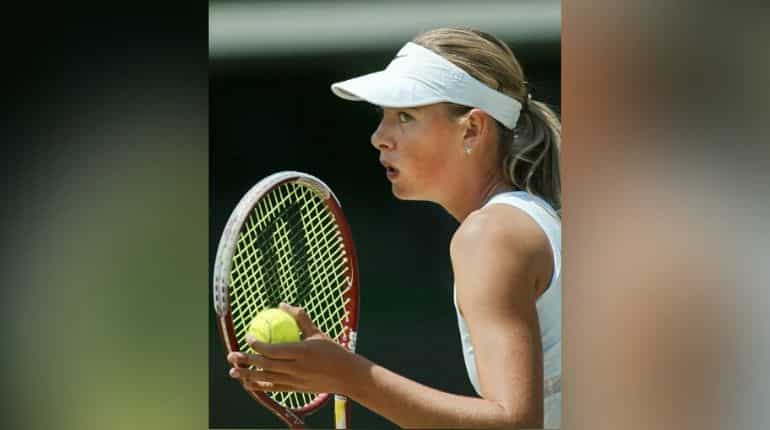
Five-time Grand Slam winner Maria Sharapova, one of the world's most recognisable and highest-paid sportswomen, on Wednesday announced her retirement at the age of 32, and was immediately hailed as "a legend" and "great champion."
The Russian former world number one's ranking is currently 373rd.
)
)
)
)
)