LR-AShM hypersonic glide missile nears trials: What does it reveal about India’s next-generation strike capabilities?

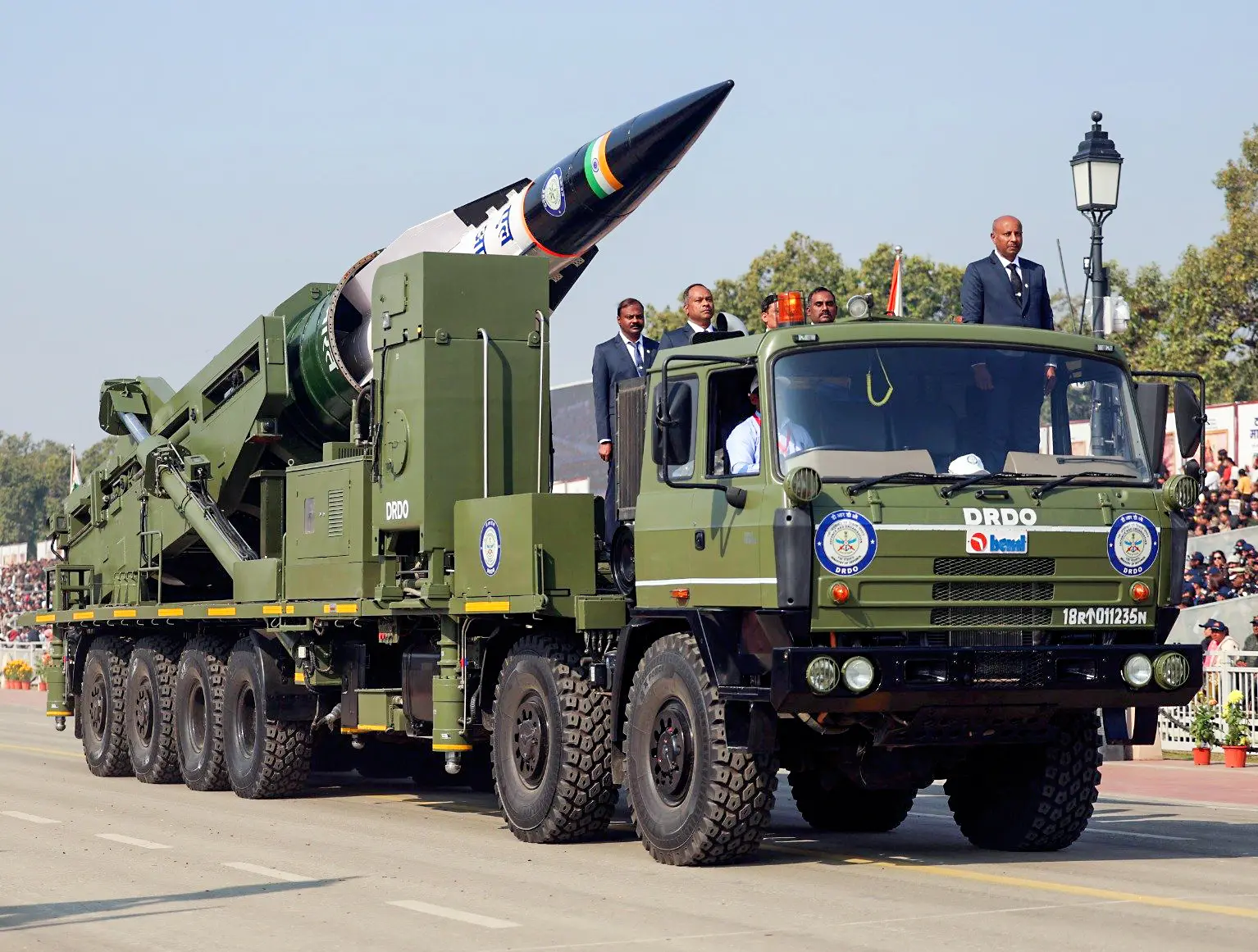
The LR-AShM is designed to meet the Indian Navy’s coastal battery requirements, providing a long-range anti-ship strike option. It is capable of engaging both static and moving targets and can carry a range of payloads.
Programme Moves Towards Trials
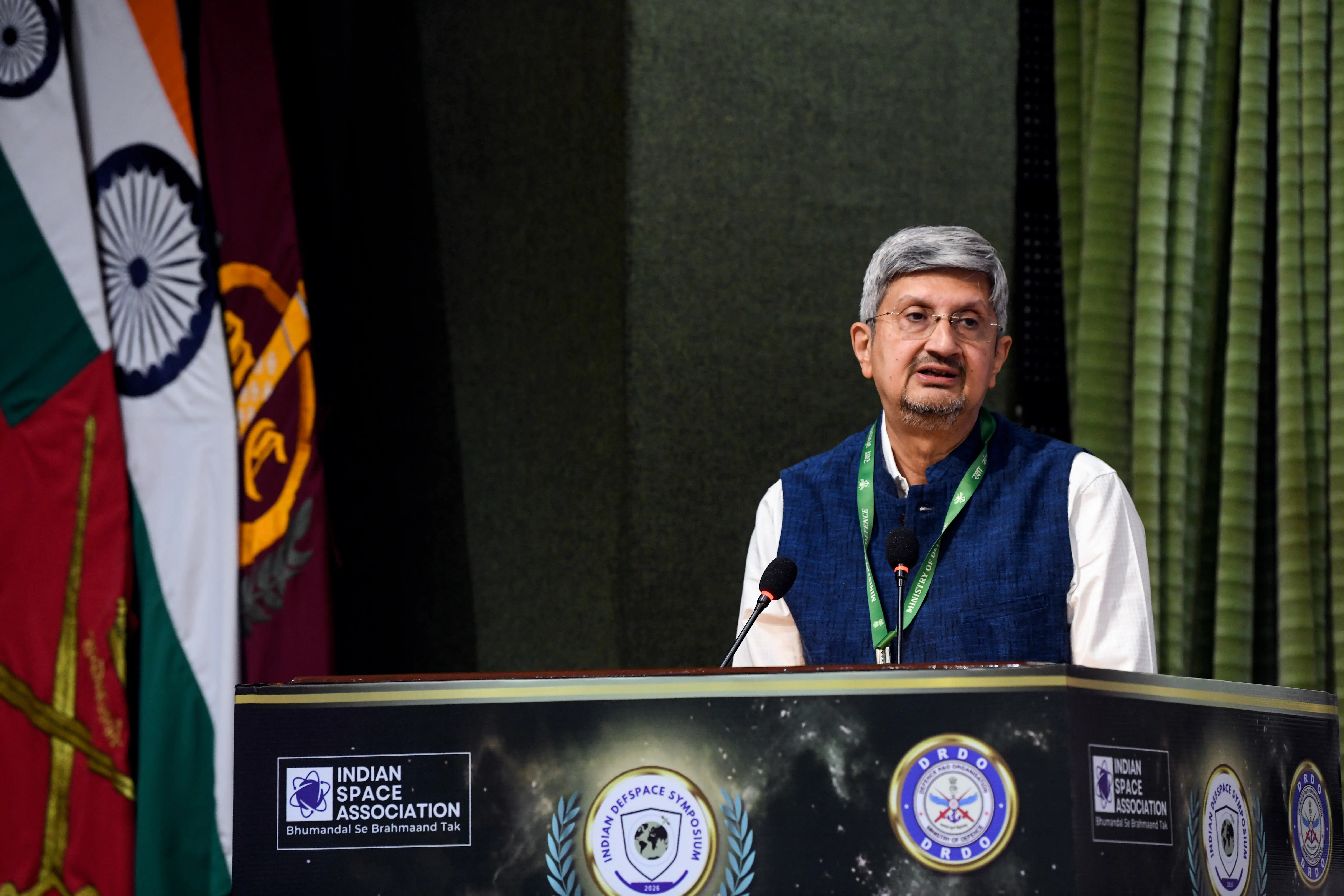
India’s Long-Range Anti-Ship Missile (LR-AShM) hypersonic glide programme has entered an advanced stage, with initial trials expected soon. DRDO Chairman Samir V Kamat said on Thursday that the system reflects steady progress in next-generation strike capability, while speaking at the ANI National Security Summit 2.0. "The glide missile will come out first... we should be doing the first trials fairly soon and that is at a more advanced stage than the cruise missile,” he noted.
Role and Operational Purpose
The LR-AShM is designed to meet the Indian Navy’s coastal battery requirements, providing a long-range anti-ship strike option. It is capable of engaging both static and moving targets and can carry a range of payloads. The system relies on indigenous avionics and high-accuracy sensor packages, underlining domestic development.
Hypersonic Speed and Flight Path
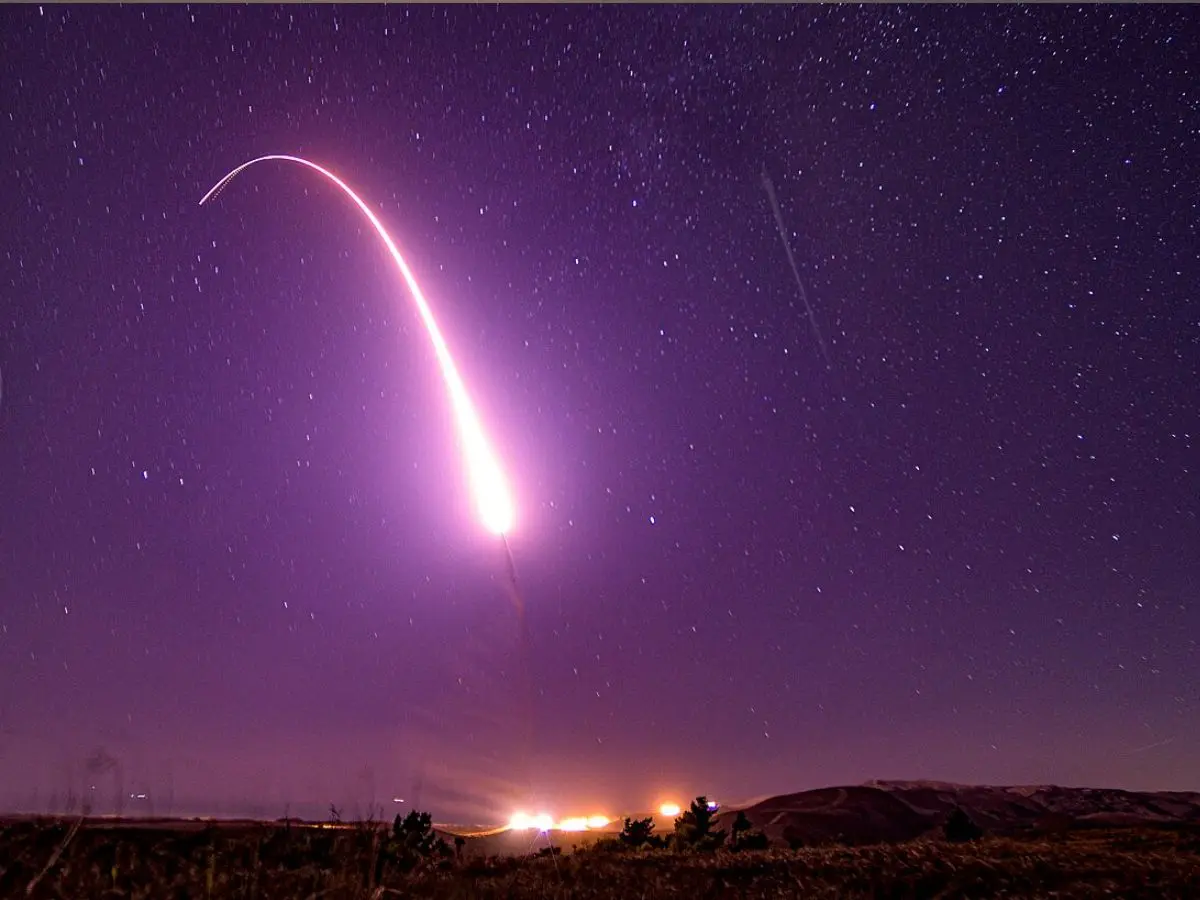
The missile uses a hypersonic glide vehicle that can reach speeds of up to Mach 10, while maintaining an average of around Mach 5. It follows a quasi-ballistic trajectory with multiple skips, enabling extended range and manoeuvrability throughout its flight.
Terminal Precision and Sensors
Equipped with indigenous sensors, the LR-AShM is designed to engage moving targets in the terminal phase. Its guidance systems and sensor integration enable precision targeting, particularly in maritime environments where targets are mobile and time-sensitive.
Evasion and Survivability
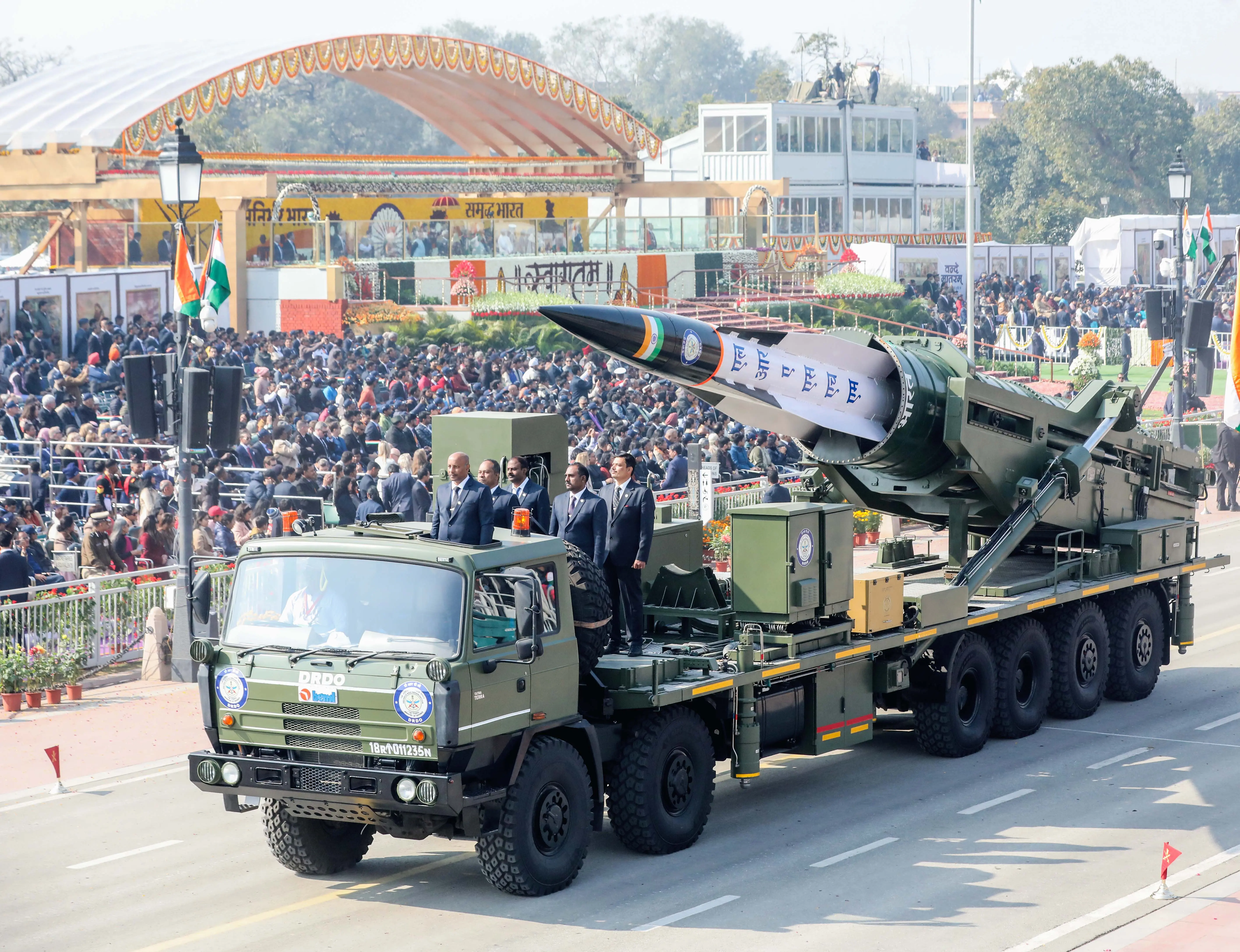
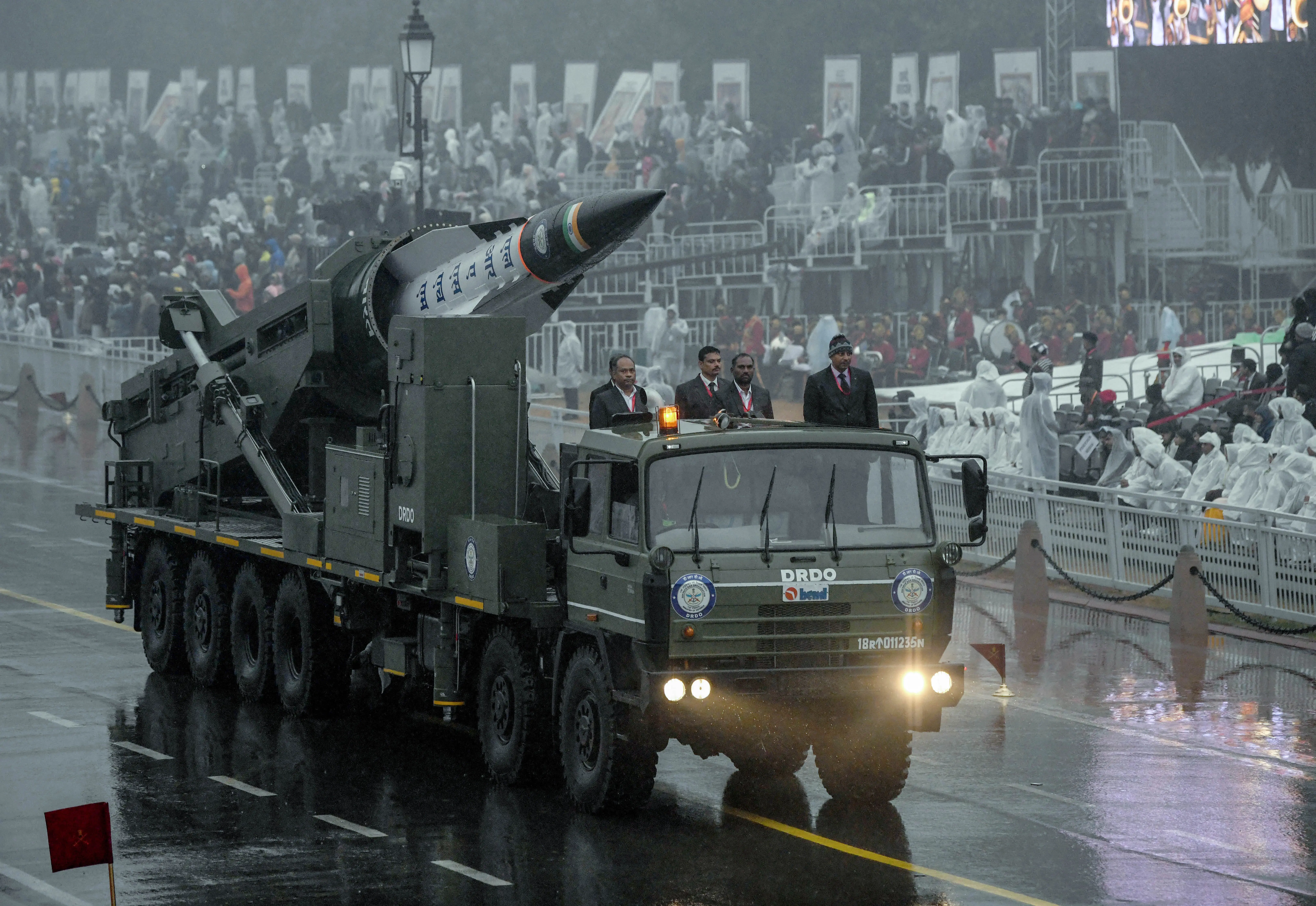
A defining feature is its low detectability. The combination of low-altitude flight, high speed and manoeuvrability makes it difficult for enemy ground- and ship-based radars to track for most of its trajectory, enhancing its ability to penetrate defences. During the Republic Day parade, which marked the LRAShM's first public debut, Project Director A Prasad Goud highlighted its operational capability, stating, “This missile can reach targets of 1,500 kilometres in a very short time, maybe within 15 minutes. We will be able to destroy all classes of warships using this particular missile. This will increase India’s capability in the ocean waters.”
Propulsion and Glide Phase
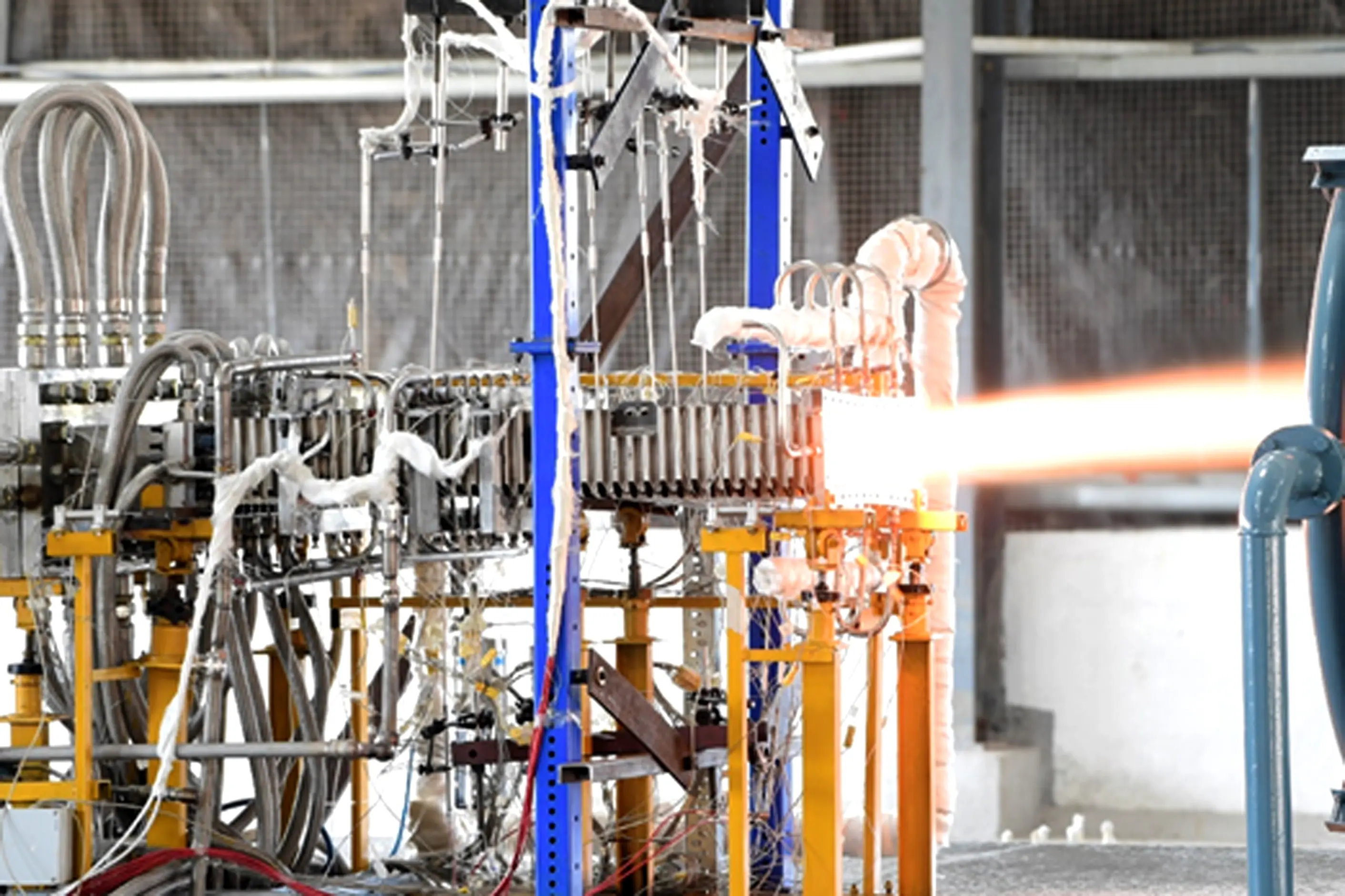
The missile uses a two-stage solid propulsion rocket motor. The first stage separates after burnout, while the second accelerates the missile to hypersonic speeds. It then transitions into an unpowered glide phase, manoeuvring before impact, distinguishing it from powered cruise missiles.
Broader Hypersonic Development
India is pursuing both glide and cruise hypersonic systems. "With respect to the hypersonic, we are working on two programs, the Hypersonic Glide Missile and the Hypersonic Cruise Missile," Kamat told ANI. He explained the difference between the two systems. "The hypersonic cruise missile... has a scramjet engine and it is powered during its flight. The hypersonic glide missile...uses a booster to give it initial velocity and then it just glides without any powering," he said.
)
)
)
)
)