ISRO plans 75 student satellites in 2025: Indian students are building satellites

ISRO has launched 9+ student satellites since 2009. 75 new missions planned for 2025. Hyderabad school kids aged 12-15 building CubeSat. Two Odisha students use Rs 700 scrap metal instead of Rs 1.5 crore parts for gamma-ray satellite.
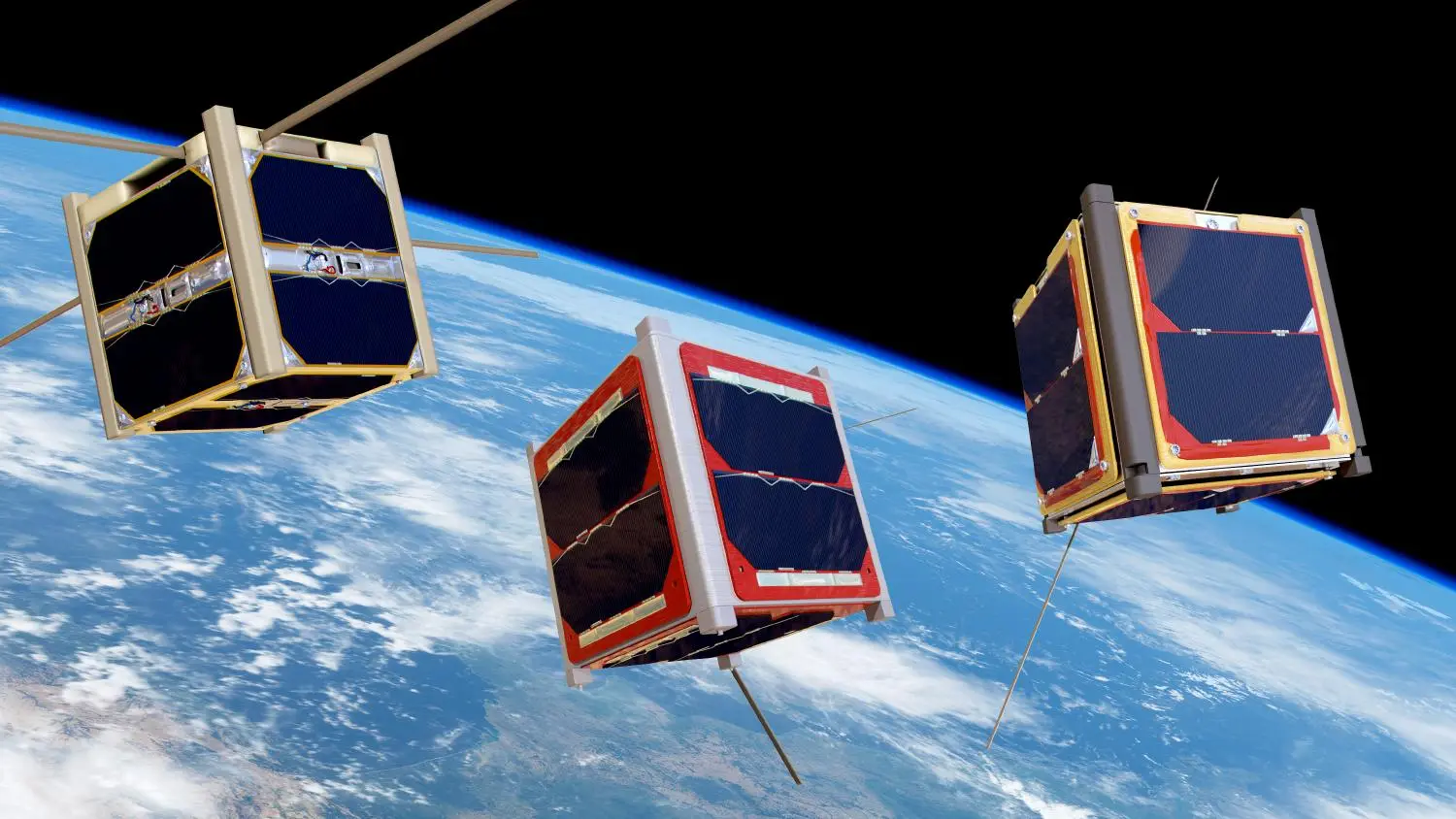
Since 2009, ISRO has launched over nine student-built satellites
Since 2009, ISRO has launched over nine student-built satellites, starting with ANUSAT from Anna University. The latest mission in 2025 includes plans for 75 student satellites to commemorate India's independence. Over 50 institutions are now participating in this ambitious space programme.
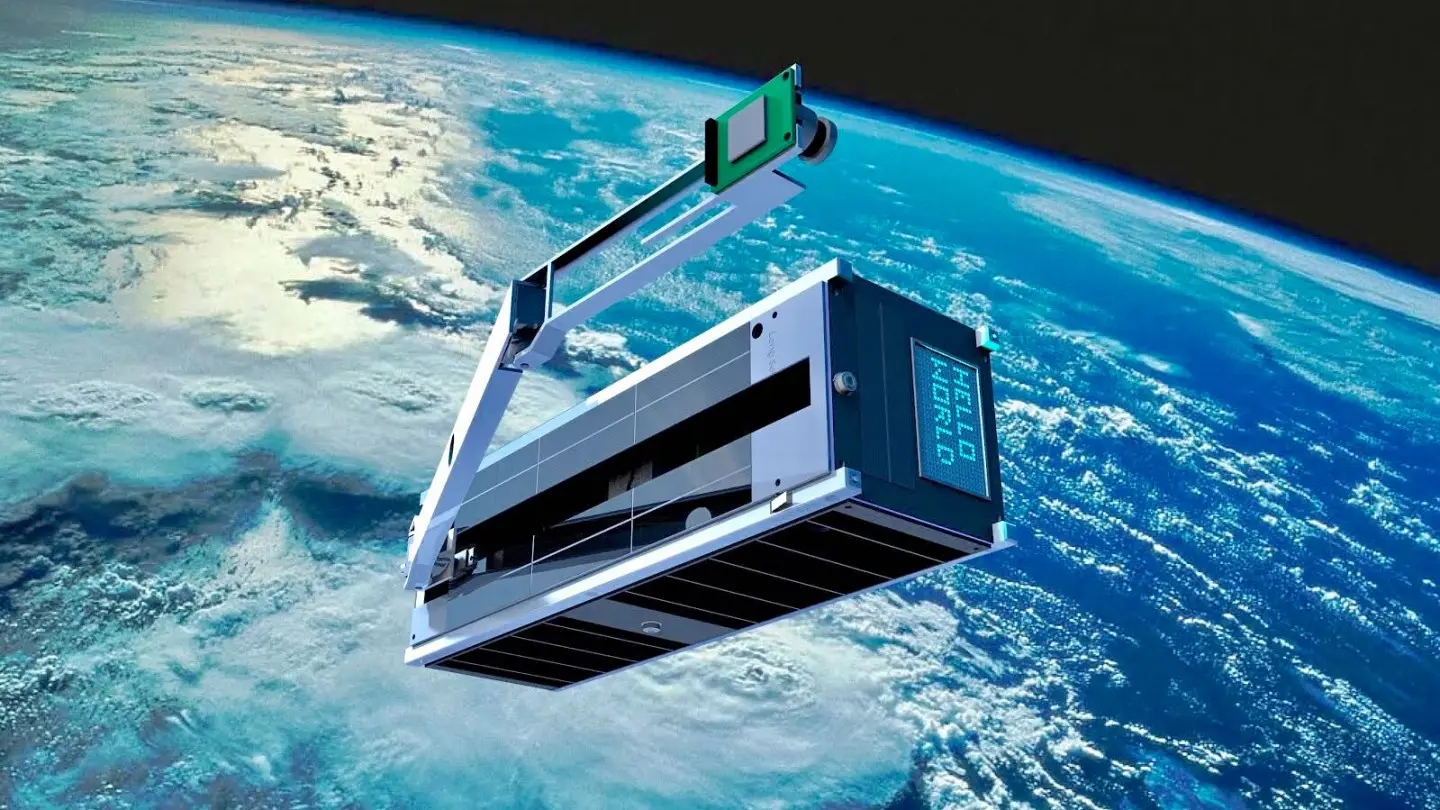
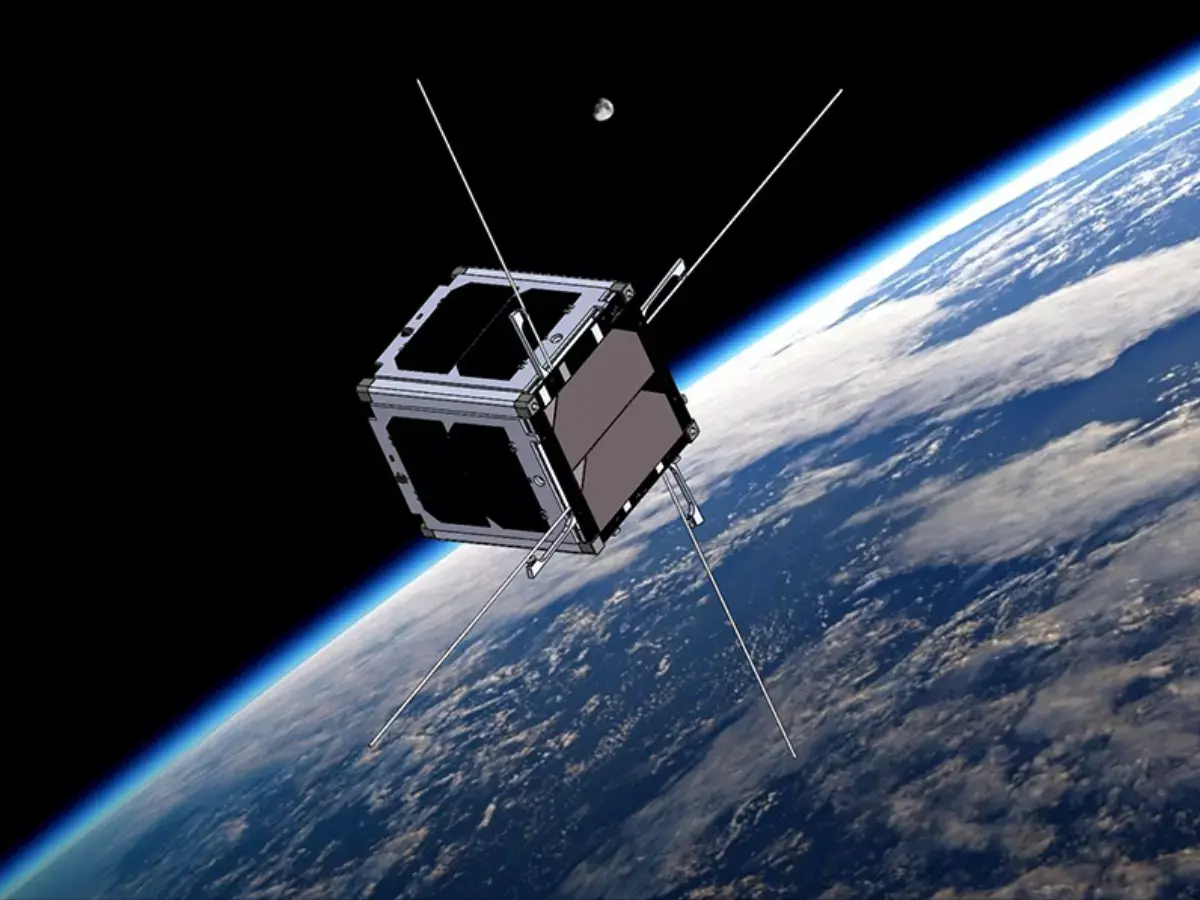
CubeSat satellites
In 2025, students from BlueBlocks Montessori School in Hyderabad, aged just 12 to 15, are building a CubeSat for launch by an Indian provider. This represents one of the youngest CubeSat development teams in the country, showing how space education is reaching school level.
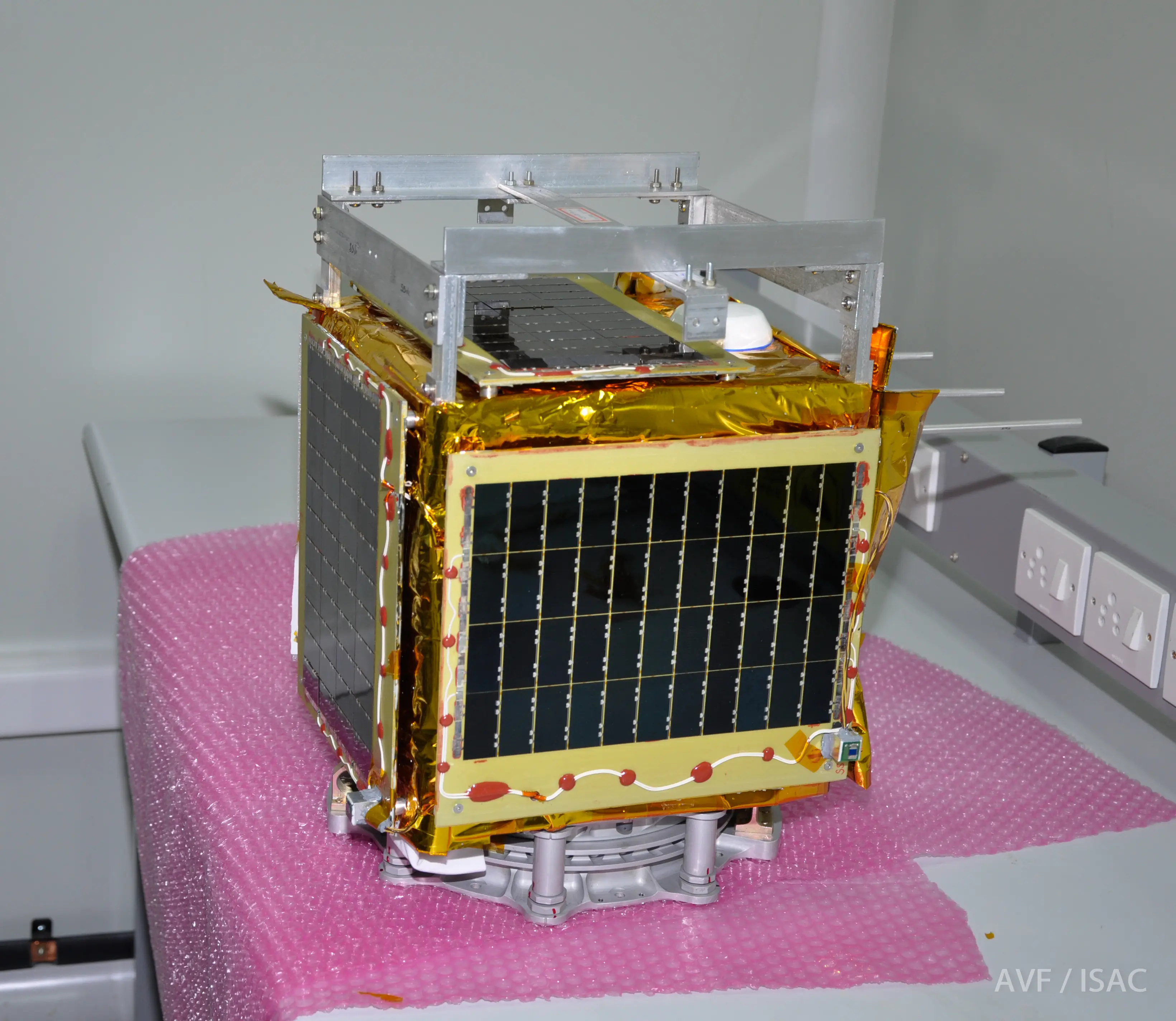
Nebula Space Organisation
Two 21-year-old students, Snehadeep Kumar and Mohit Kumar Nayak, are building India's first gamma-ray detecting CubeSat through their startup Nebula Space Organisation. They are using scrap metal costing Rs 700 instead of Rs 1.5 crore aerospace parts, proving space technology can be affordable.
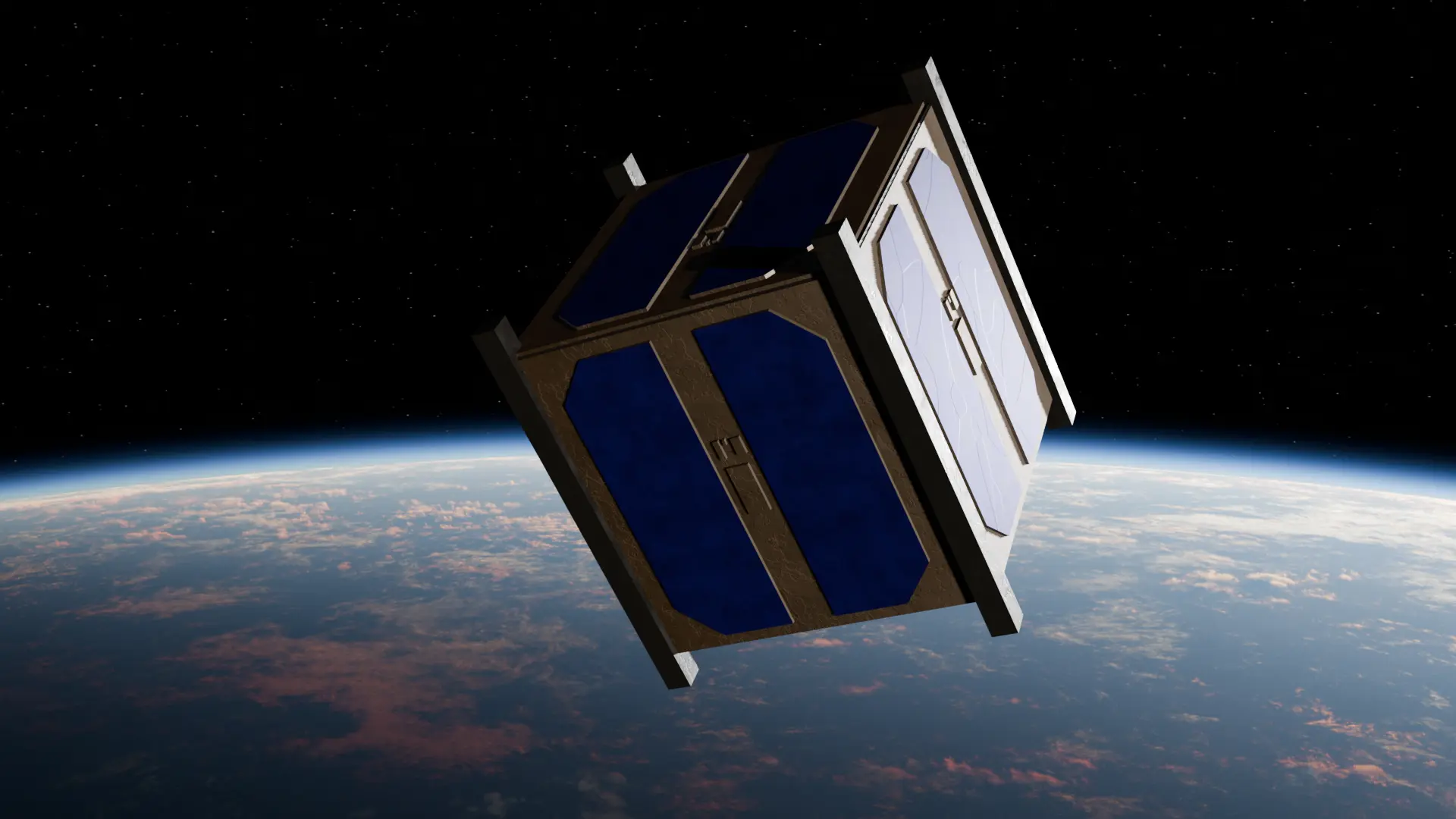
The 950-gram satellite
STUDSAT, launched in 2010, was built by a consortium of seven engineering colleges from Bangalore and Hyderabad. The 950-gram satellite achieved the best image resolution (90 metres) for any pico-category satellite worldwide at that time, demonstrating Indian student capabilities.
Space-grade materials
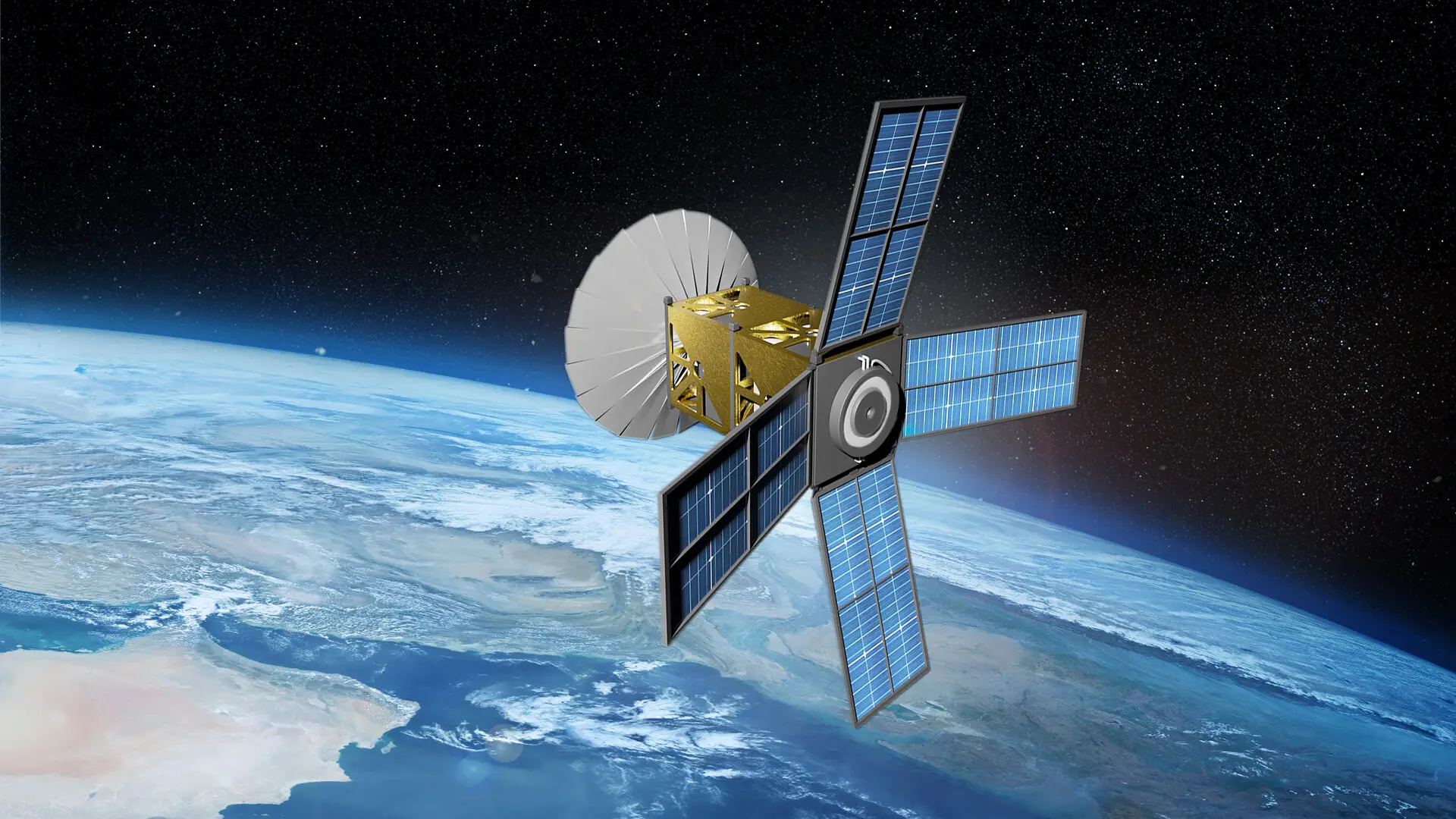
ISRO now offers two pathways for student satellites. Universities can either build payloads while ISRO provides the satellite bus, or design the complete satellite with ISRO guidance. Critical space-grade materials and testing facilities are provided to ensure mission success.
Student satellite missions
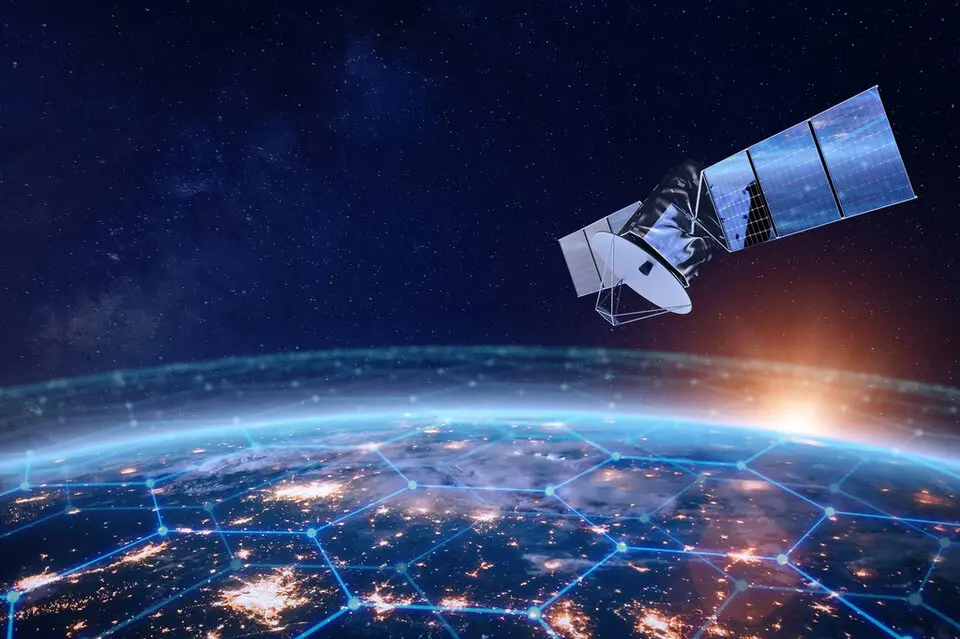
Student satellite missions teach practical skills in electronics, coding, project management, and teamwork that regular classroom education cannot provide. Many projects focus on applications like weather monitoring, earth observation, communication, and disaster management relevant to India's needs.
The student satellite
The student satellite movement is creating India's future space workforce. As private space companies grow and ISRO expands, these young engineers are becoming the backbone of India's space industry. The experience gained from designing, building, and operating satellites prepares them for the commercial space sector.
)
)
)
)
)