Israel's Iron Beam vs Iron Dome: How world’s first operational laser shield differs from most deployed air defense system

The system Iron beam laser defence system was first unveiled in 2014, has been in development for over a decade, with next-generation variants already in the works. But how does it compare to the existing, widely praised Iron Dome air defense system?
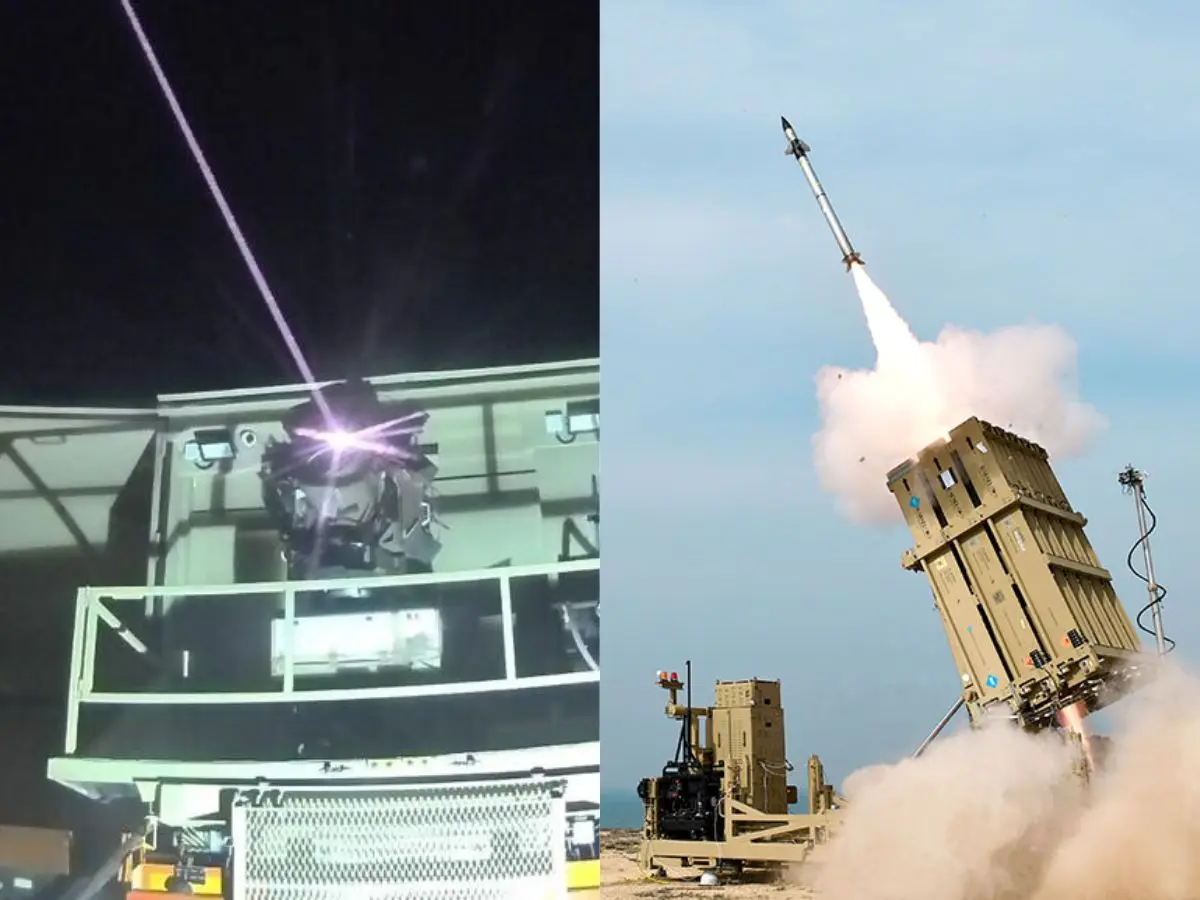
Deployment and Operational Readiness
Israel is set to receive its first operational Iron Beam system by the end of this month. According to Danny Gold, head of Israel's Directorate of Defense Research and Development, speaking at the DefenseTech Summit and reported by the Times of Israel, “with development complete and a comprehensive testing program that has validated the system’s capabilities, we are prepared to deliver initial operational capability to the IDF on December 30, 2025.” The system, which was first unveiled in 2014, has been in development for over a decade, with next-generation variants already in the works. But how does it compare to the existing, widely praised Iron Dome air defense system? Let’s examine the key differences across six points.
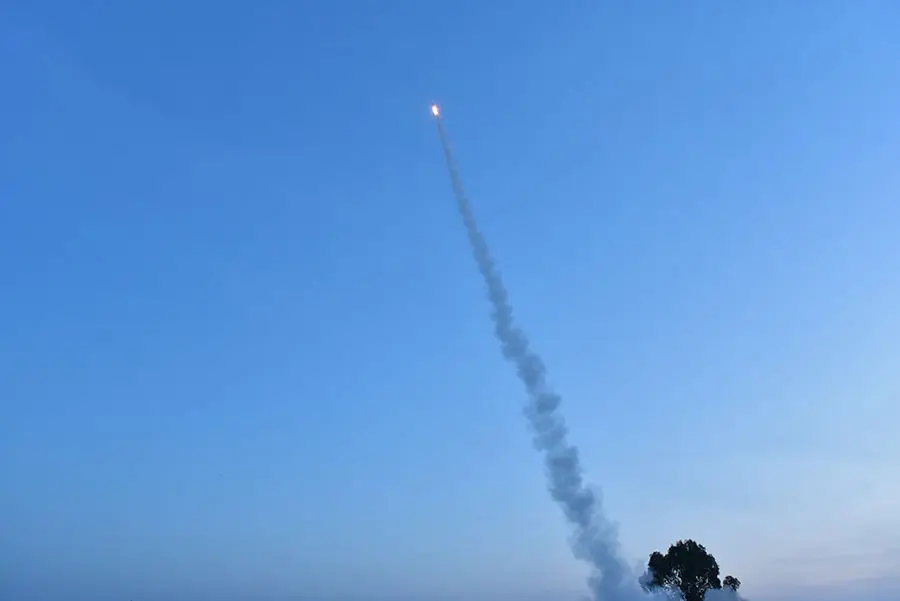
Complementing Existing Systems
According to reports, the Iron Beam laser system is not intended to replace but complement the existing missile systems such as Iron Dome, David’s Sling, and Arrow. While Iron Beam focuses on smaller projectiles, larger threats remain under the purview of missile-based batteries. Its limitation in low visibility, including heavy cloud cover or inclement weather, highlights the need for multi-layered defence.
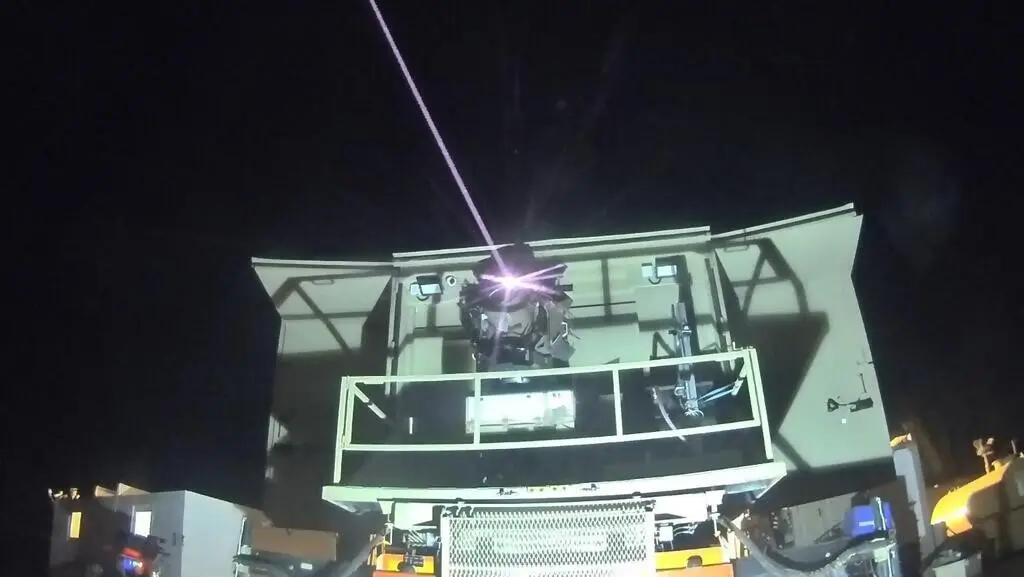
1. Interception Method
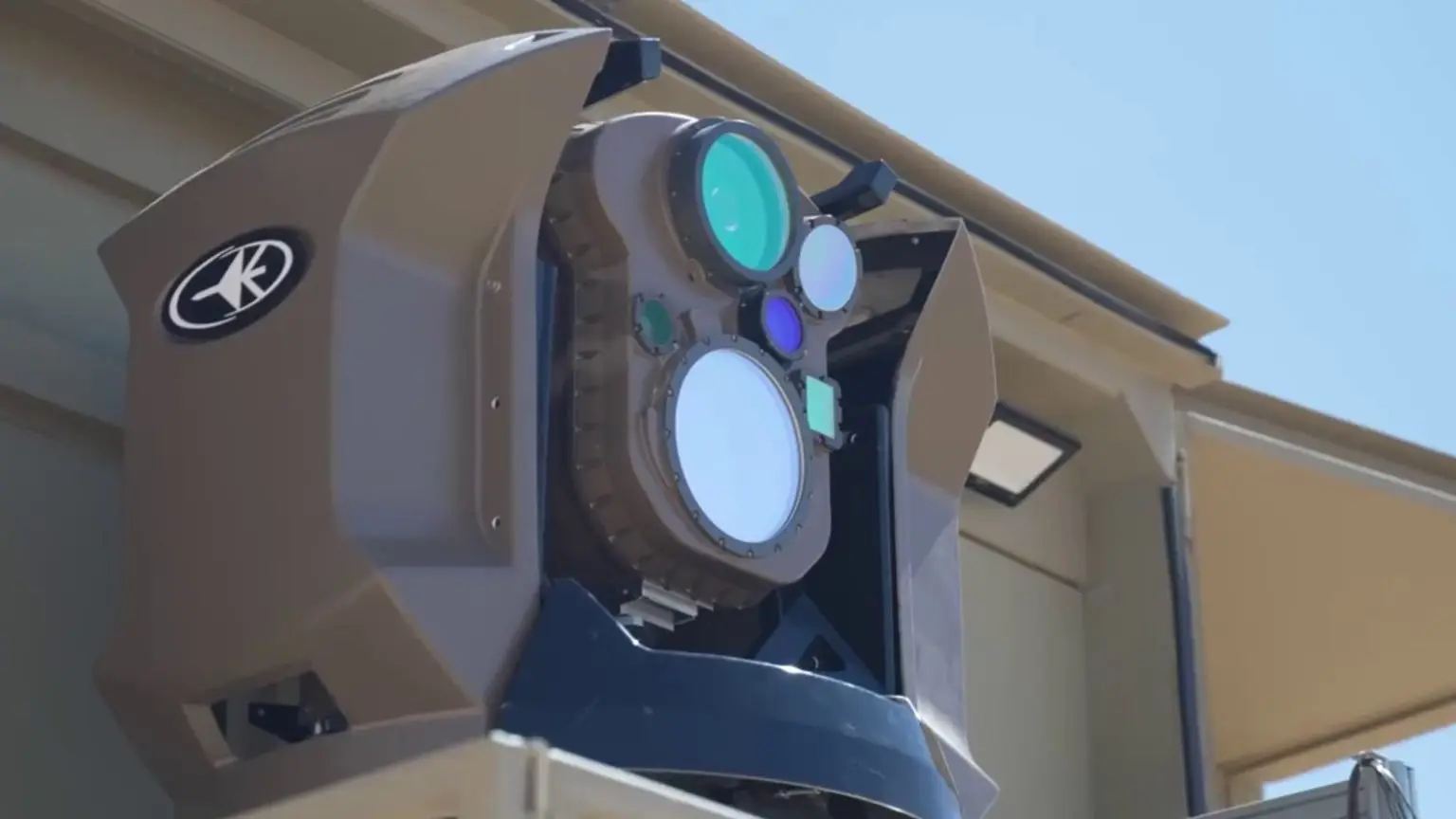
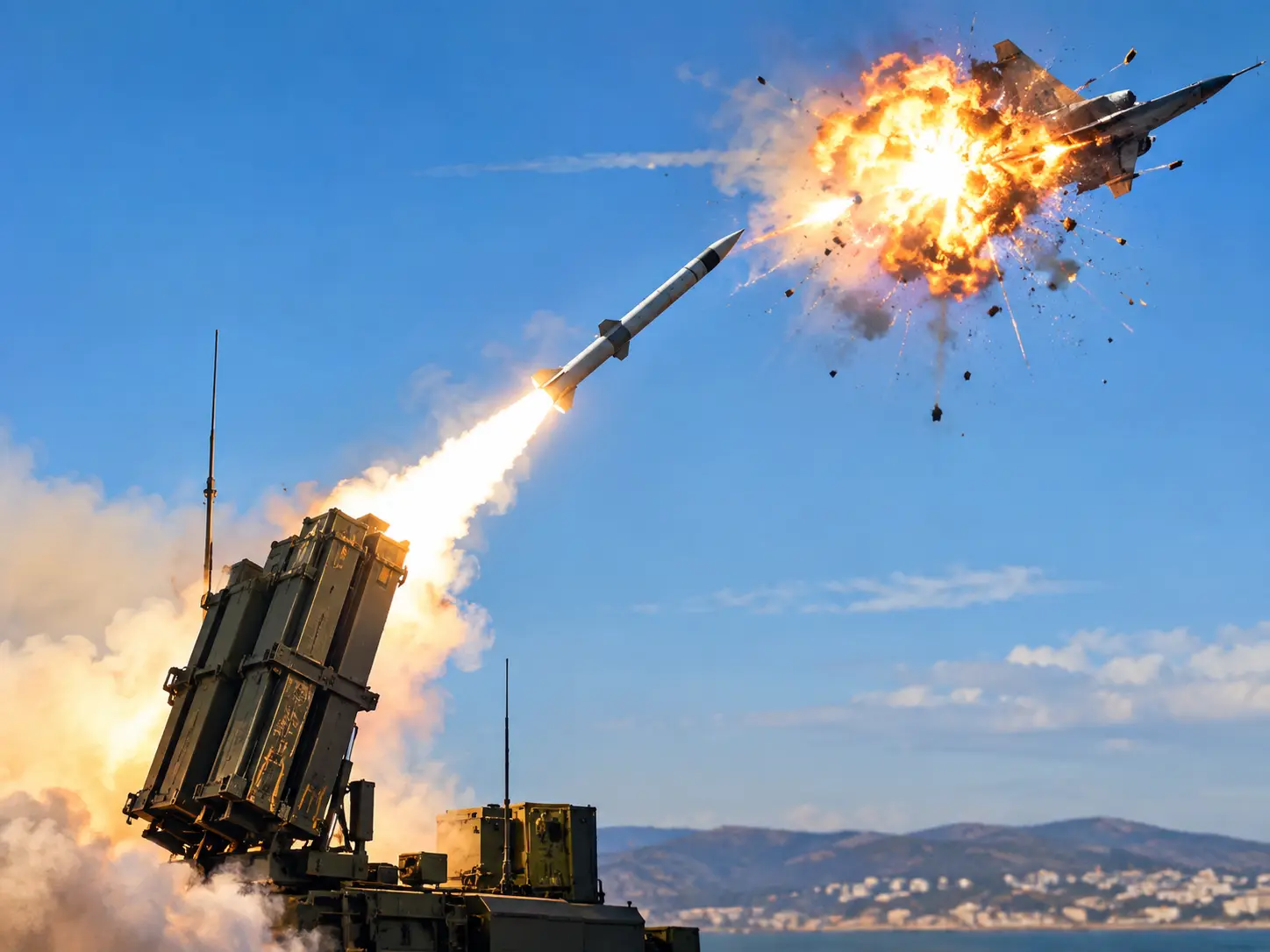
The Iron Beam uses a high-energy laser to neutralise threats at the speed of light, focusing intense heat on precise points of incoming projectiles. This allows instant engagement and minimal collateral damage. In contrast, Iron Dome relies on Tamir interceptor missiles that must physically travel to the target, taking several seconds or more to reach incoming rockets, mortars, or UAVs, which introduces flight time and trajectory constraints.
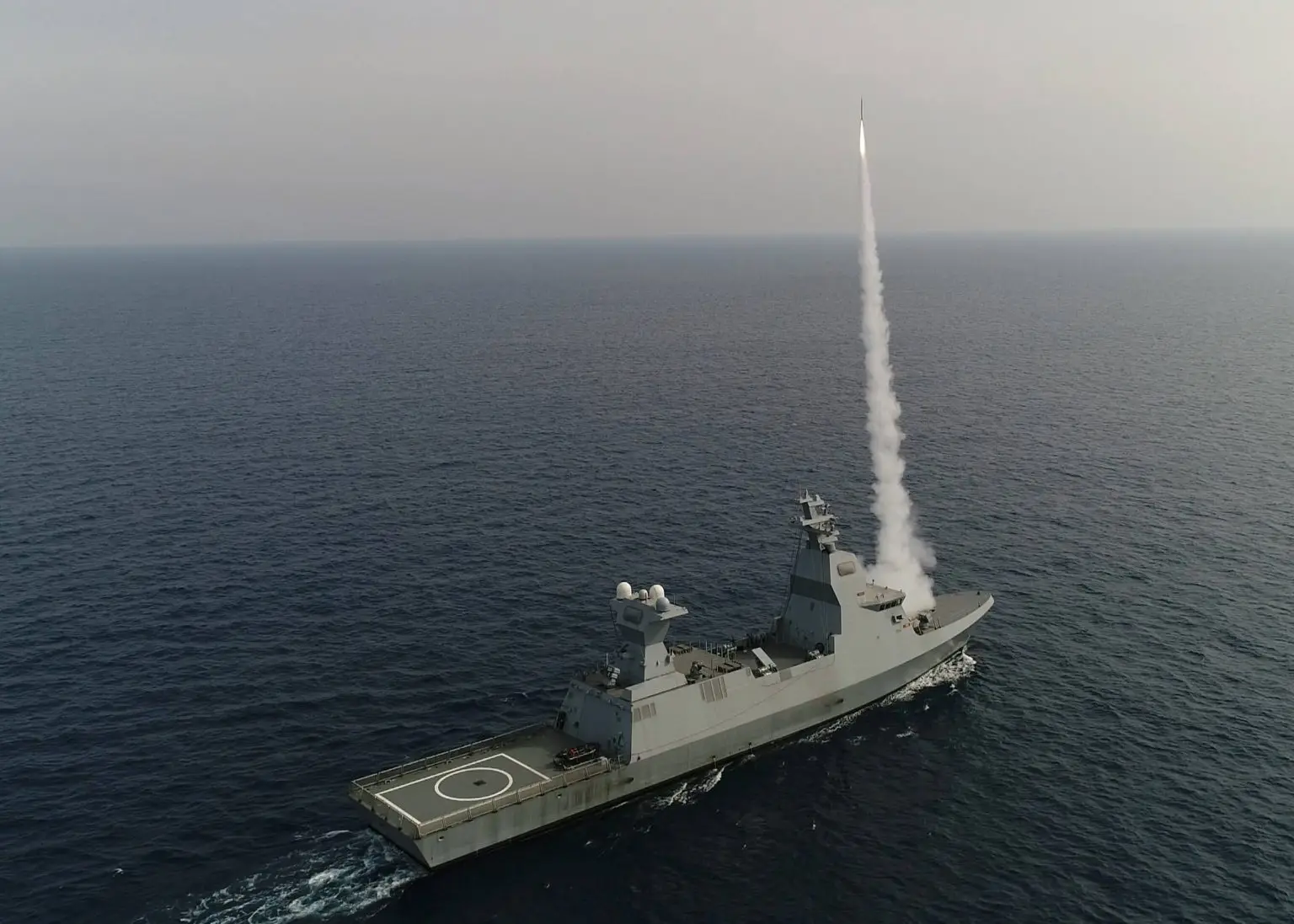
2. Cost Per Intercept
A defining feature of Iron Beam is its near-zero cost per engagement. Each interception uses electricity rather than expensive ordnance, making it highly economical for sustained operations or high-volume attacks. Conversely, Iron Dome’s interceptions require Tamir missiles, which costs $40,000 per missile, according to Britannica. While highly effective, repeated launches can be financially burdensome, particularly during prolonged periods of rocket salvos or drone swarm attacks.
3. Magazine and Ammunition
Iron Beam engagement relies on electricity, giving it an 'almost zero cost per interception,' according to Rafael and allowing continuous firing as long as the system has power. This ensures high-volume engagement capability against swarms of UAVs or mortar barrages. By contrast, Iron Dome launchers carry a finite number of Tamir interceptor missiles. Once depleted, resupply is required, which can limit sustained defensive operations.
4. Operational Platforms and Flexibility
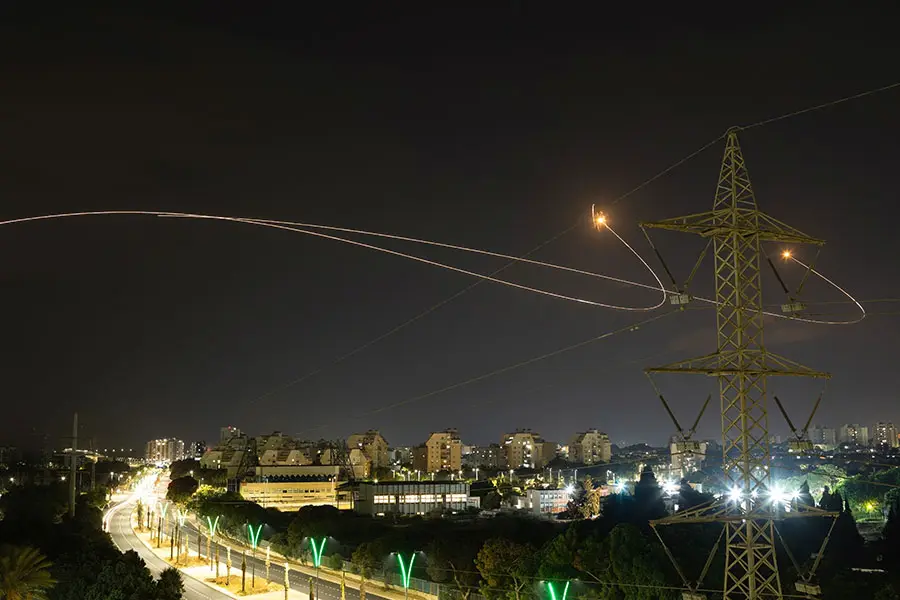
Iron Beam is highly modular, with variants like Lite Beam (10 kW) and Iron Beam-M (50 kW+) deployable on vehicles, ships, or stationary platforms. This flexibility enables both urban and open-area protection. Iron Dome is mostly fixed or truck-mounted, although naval adaptations like C-DOME and mobile I-DOME exist. While effective, it is less flexible across diverse deployment scenarios compared with the multi-platform adaptability of laser-based systems like Iron Beam.
5. Engagement Speed and Precision
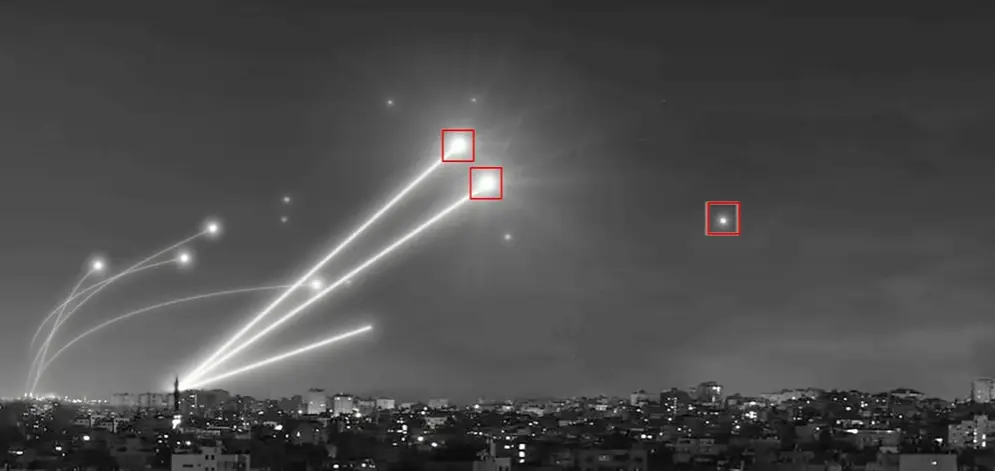
Laser-based interception allows Iron Beam to engage threats almost instantaneously, focusing on critical points with pinpoint accuracy, according to the official website. Advanced technologies such as multifunction beam directors and adaptive optics ensure stable targeting and effective neutralization within seconds. In contrast, Iron Dome missiles must traverse the distance to the target, meaning engagement is limited by missile flight time. While highly accurate it has a 90 per cent success rate.
6. Weather and Environmental Limitations
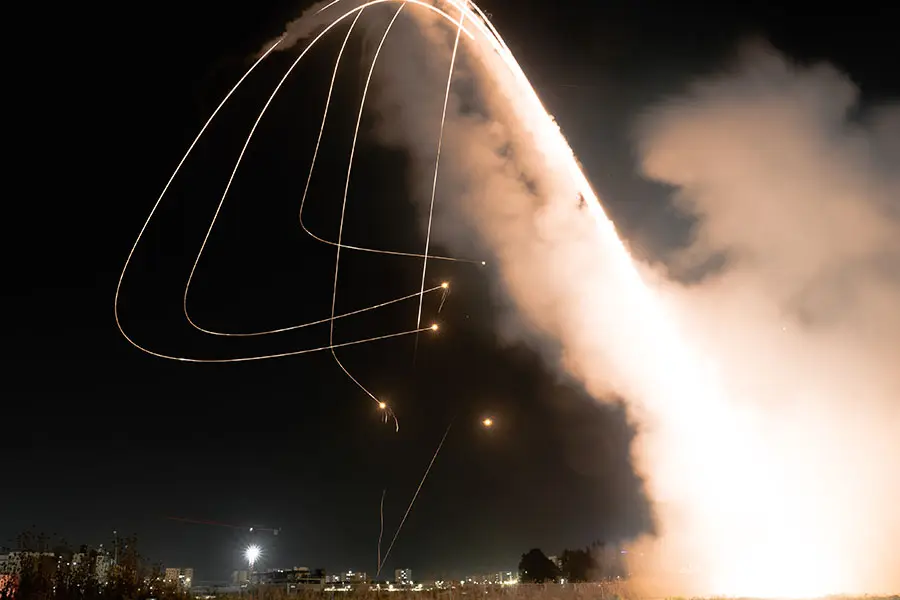
According to the Times of Israel, Iron Beam’s laser performance can be reduced in adverse weather, including heavy cloud cover, rain, dust, or fog, limiting its operational reliability under some conditions. Iron Dome, however, is designed to operate 24/7 in all weather, day or night, maintaining effectiveness during rain, dust storms, and low visibility.
)
)
)
)
)