Is it illegal? What international law says about North Korea’s missile tests

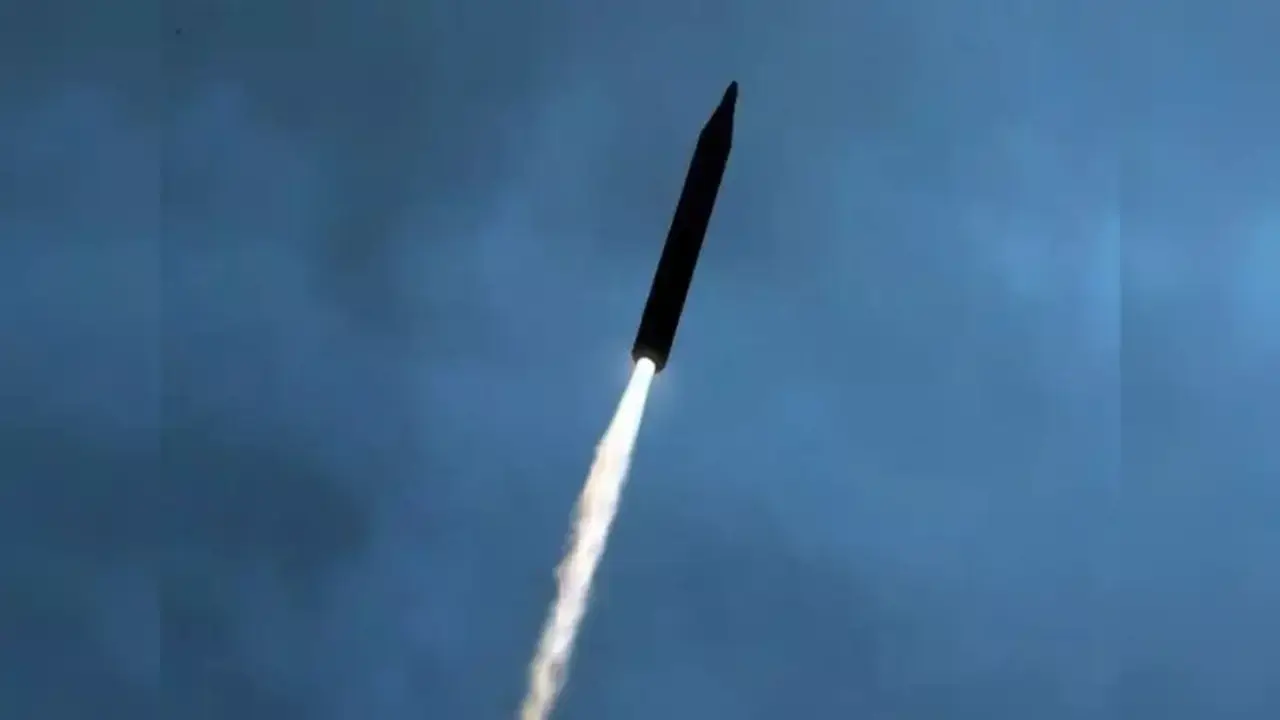
North Korea’s ballistic missile tests violate multiple UN Security Council resolutions, specifically Resolution 1718, which bans the use of ballistic technology. However, Pyongyang argues these tests are a sovereign right to self-defence under Article 51 of the UN Charter.
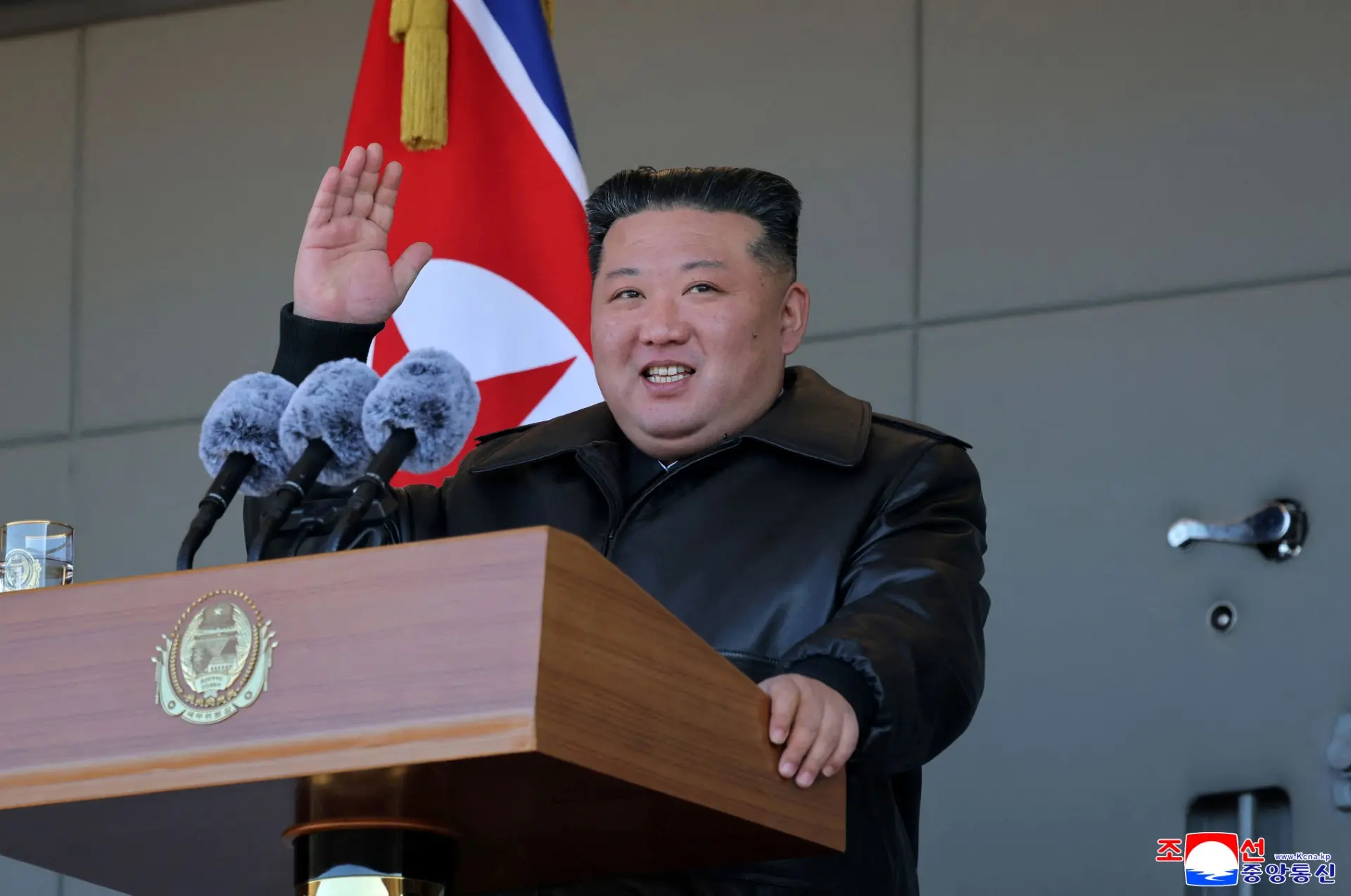
The UN’s Explicit Ban
Resolution 1718 forbids ballistic tech. Since 2006, the UN Security Council (UNSC) has passed multiple binding resolutions, starting with Resolution 1718, which explicitly demands North Korea suspend all activities related to its ballistic missile programme. Unlike other nations, Pyongyang is legally prohibited from launching any projectile that uses 'ballistic missile technology', regardless of its range.
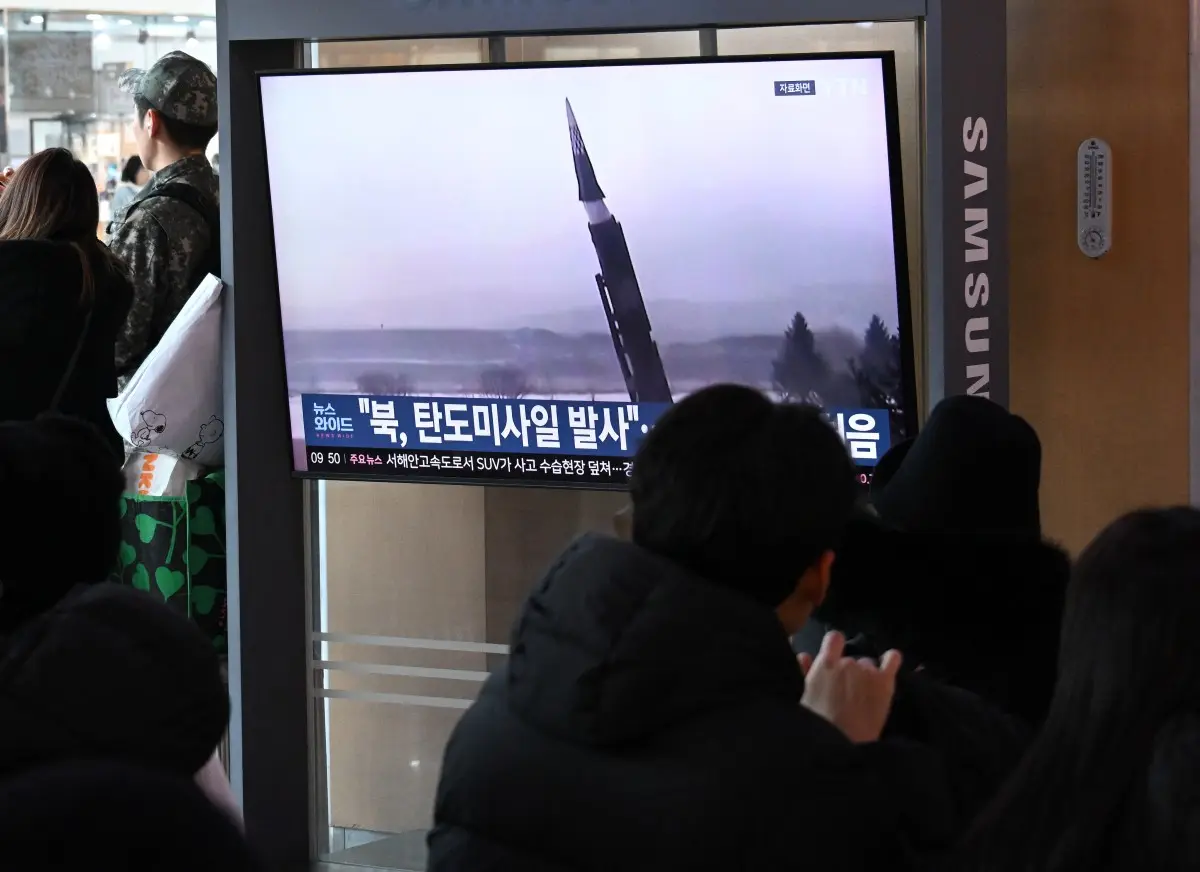
The 'Ballistic' vs 'Cruise' Distinction
A legal grey area for cruise missiles .International sanctions specifically target 'ballistic' missiles weapons that power up and then fall in a gravity-driven arc. Legal experts note that cruise missiles, which fly low like aeroplanes, are technically not covered by the specific UNSC wording, giving North Korea a loophole to test these weapons without technically violating the primary UN bans.
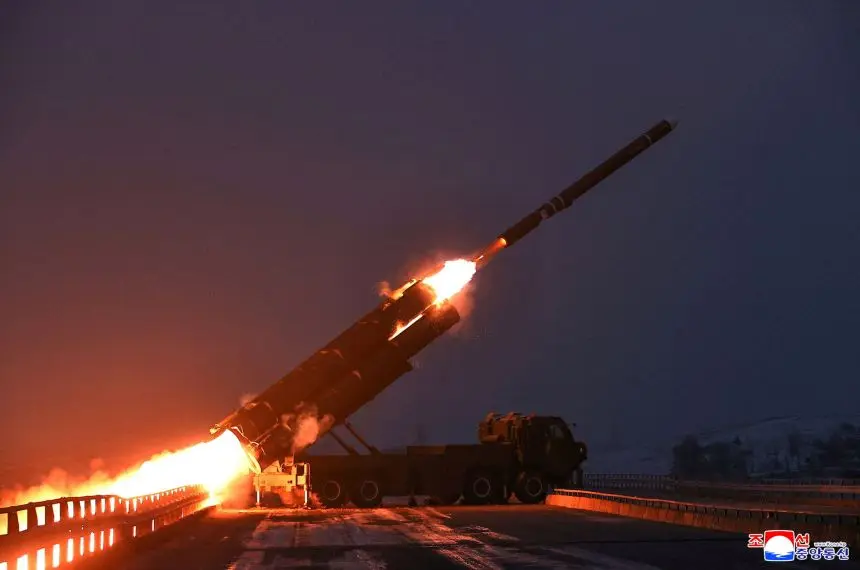
Violating Aviation Safety
Ignoring the Chicago Convention, North Korea is a member of the International Civil Aviation Organisation (ICAO) and is expected to warn civilian air traffic before launches. However, Pyongyang rarely issues these notifications, violating the 'due regard' principle of the Chicago Convention, which mandates that state military activities must not endanger civilian flights.
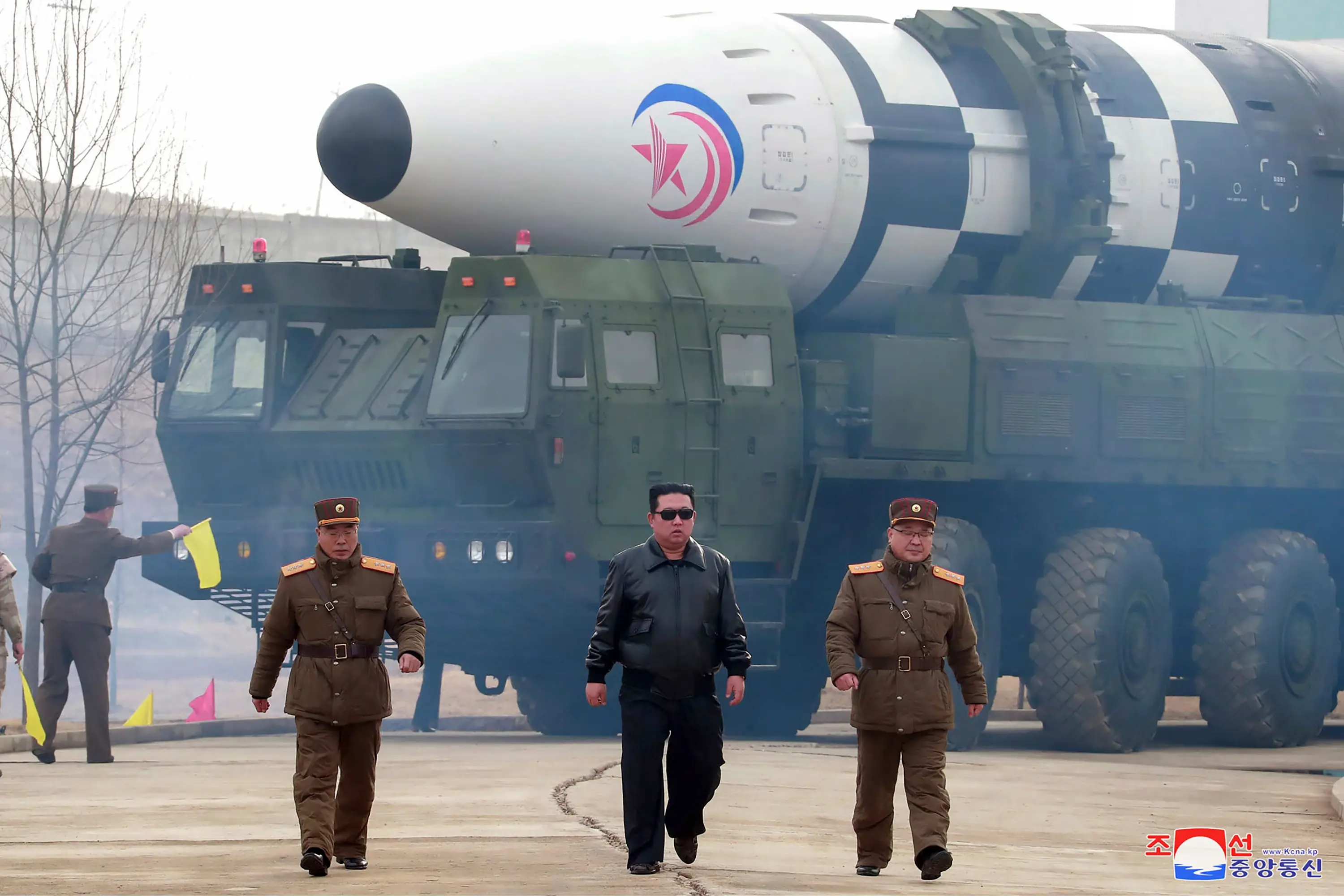
North Korea’s Legal Defence
Citing Article 51 of the UN Charter, Pyongyang justifies its tests by citing Article 51 of the UN Charter, which guarantees every nation the 'inherent right of individual or collective self-defence'. The regime argues that its missile programme is a necessary deterrent against 'hostile' US and South Korean military drills, framing the tests as a sovereign survival measure rather than aggression.
The EEZ Violation
Dangerous landings near Japan. Missiles often land in Japan’s Exclusive Economic Zone (EEZ), the sea area where Tokyo has special rights to marine resources. While hitting the high seas is not illegal per se, doing so without warning violates the UN Convention on the Law of the Sea (UNCLOS), which requires states to have 'due regard' for the rights and safety of other nations' vessels.
The Nuclear Dimension
Testing delivery systems for WMDs. International law treats these tests severely because they are viewed as delivery systems for Weapons of Mass Destruction (WMDs). Under the Non-Proliferation Treaty (NPT) regime which North Korea withdrew from in 2003 developing nuclear-capable missiles is considered a threat to global peace, justifying the heavy sanctions imposed under Chapter VII of the UN Charter.

Enforcement Gridlock
Why no new punishments?
While the tests are illegal, the UN Security Council is currently deadlocked. Russia and China, both permanent members with veto power, have blocked recent US-led attempts to impose fresh sanctions. They argue that more pressure is counterproductive, leaving the enforcement of international law largely reliant on individual nations' unilateral sanctions.
)
)
)
)
)