Iran claims US' F-35 hit ‘for the first time’: What makes the stealth fighter jet so difficult to detect and destroy?

The Lockheed Martin F-35 Lightning II achieves its primary advantage through low observability, combining airframe shaping with radar-absorbing materials to reduce detection by hostile systems.
A contested claim emerges
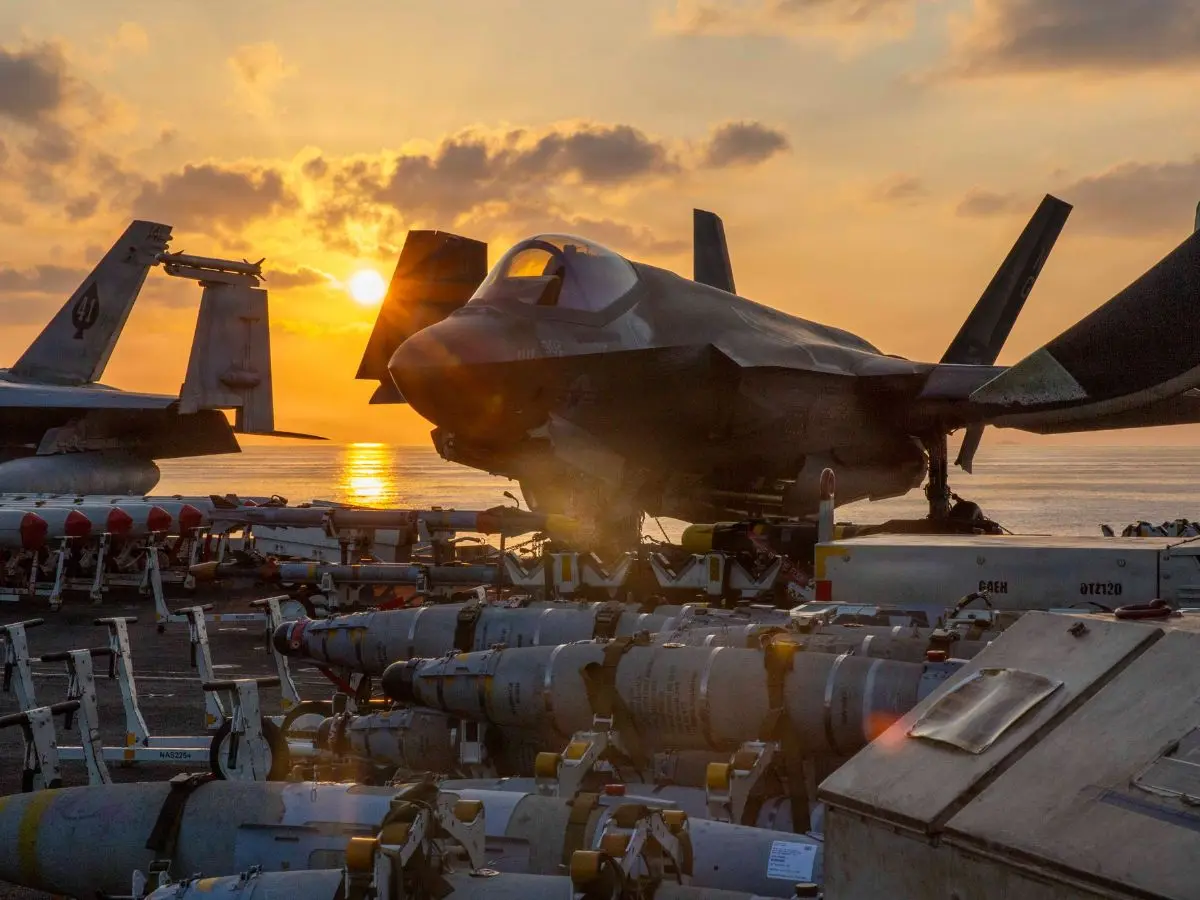
Iran has claimed that a United States F-35 stealth fighter was struck by its air-defence systems, forcing it to make an emergency landing at an American base in the Middle East, according to US media reports. Iran’s Parliament Speaker, Mohammad Bagher Ghalibaf, said on X that the F-35 was “a symbol of the US military’s invincibility and arrogance” and described the alleged strike as unprecedented. He added that it marked “the first time” such a symbol had been hit, calling it a significant moment.
Official response remains cautious
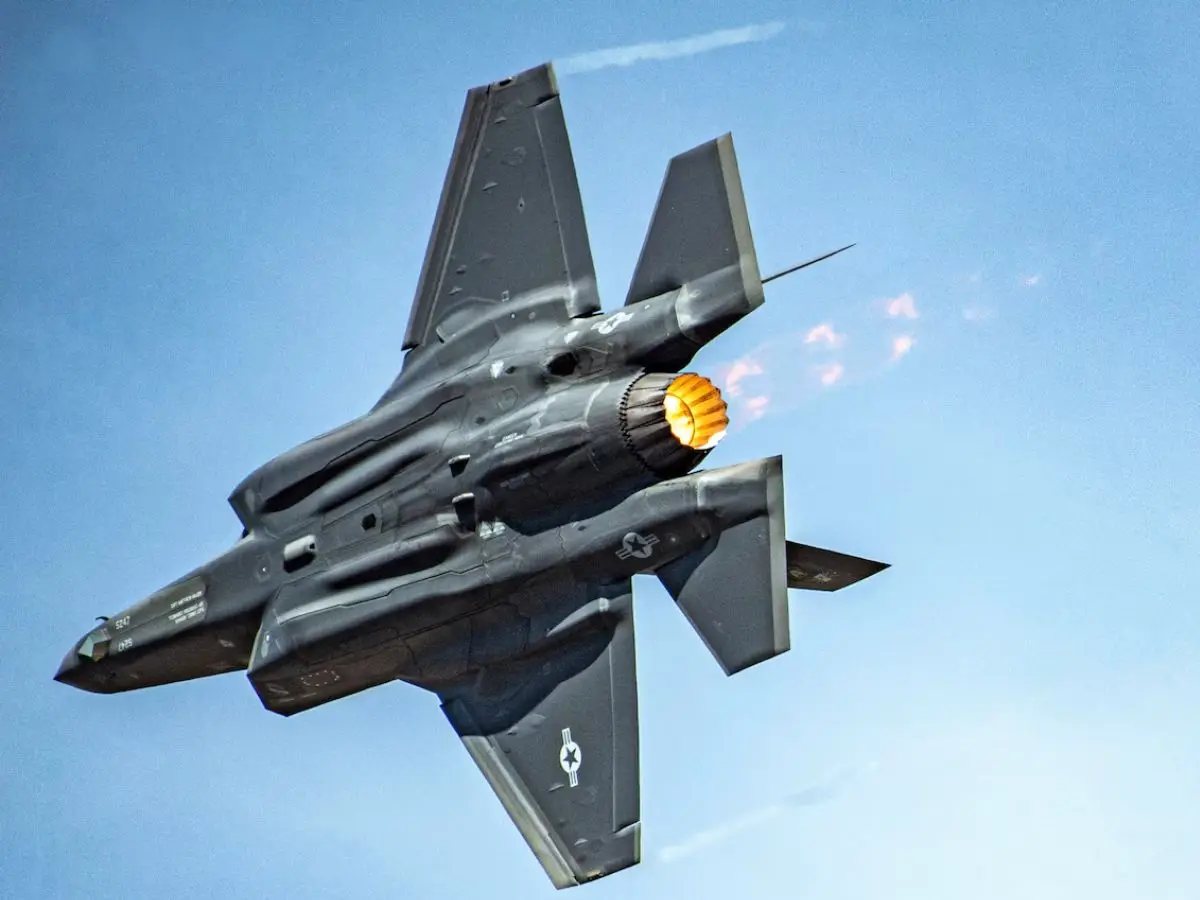
US officials have stopped short of confirming the strike. “The aircraft landed safely, and the pilot is in stable condition,” said Captain Tim Hawkins, spokesman for US Central Command said in a statement, according to AFP. He added, “This incident is under investigation,” declining to verify reports carried by major American broadcasters.
Context of ongoing conflict
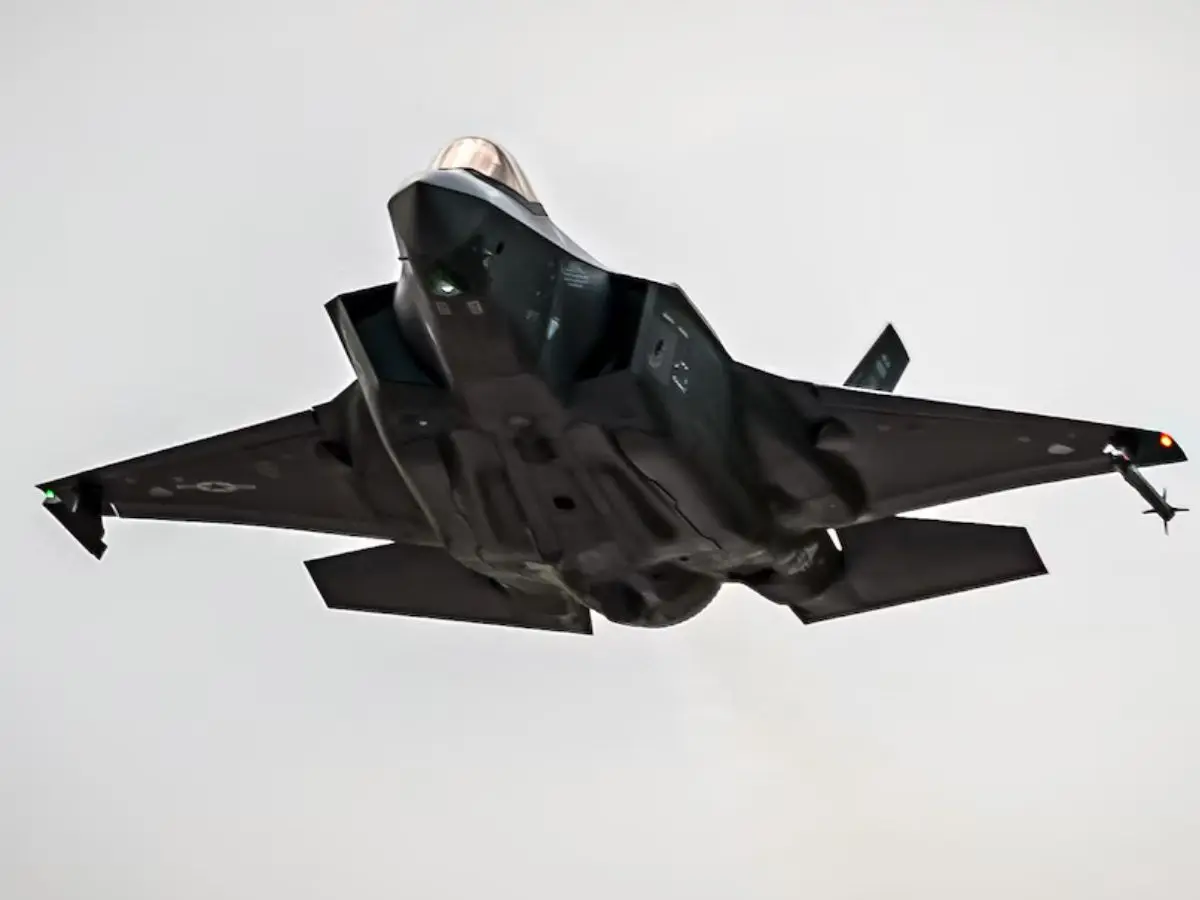
The incident comes amid an intensifying US–Israel air campaign against Iran. While the United States has lost multiple aircraft during the conflict, including F-15s downed in a friendly fire incident and a KC-135 tanker crash, no crewed US jet has previously been confirmed as hit by Iranian air-defence systems.
What is the F-35?
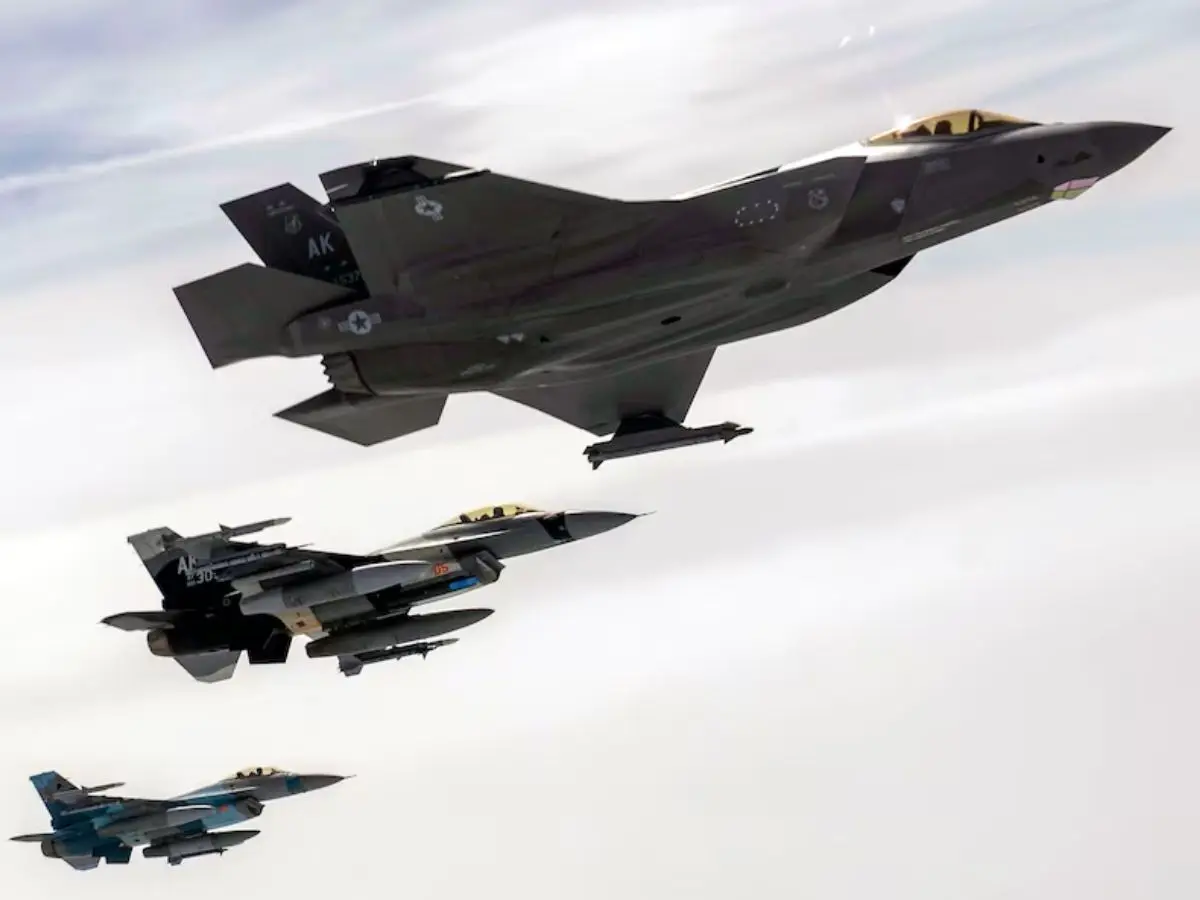
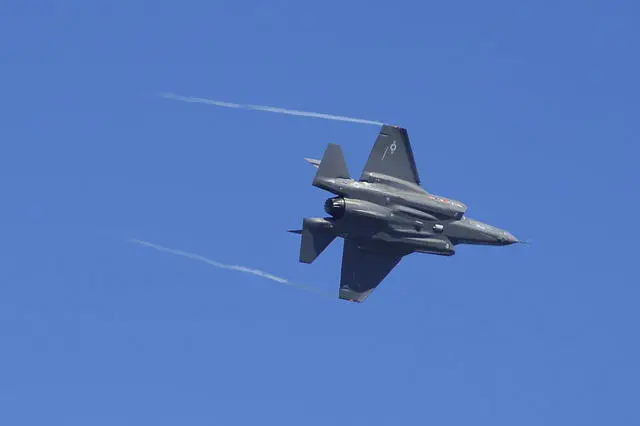
The Lockheed Martin F-35 Lightning II is a fifth-generation stealth aircraft developed by Lockheed Martin for the US and allied countries, currently deployed in the West Asia war. It is designed to perform multiple roles including air superiority, ground attack, reconnaissance, and electronic warfare, all within a single platform. Its versatility makes it one of the most advanced and widely used combat aircraft in the world today.
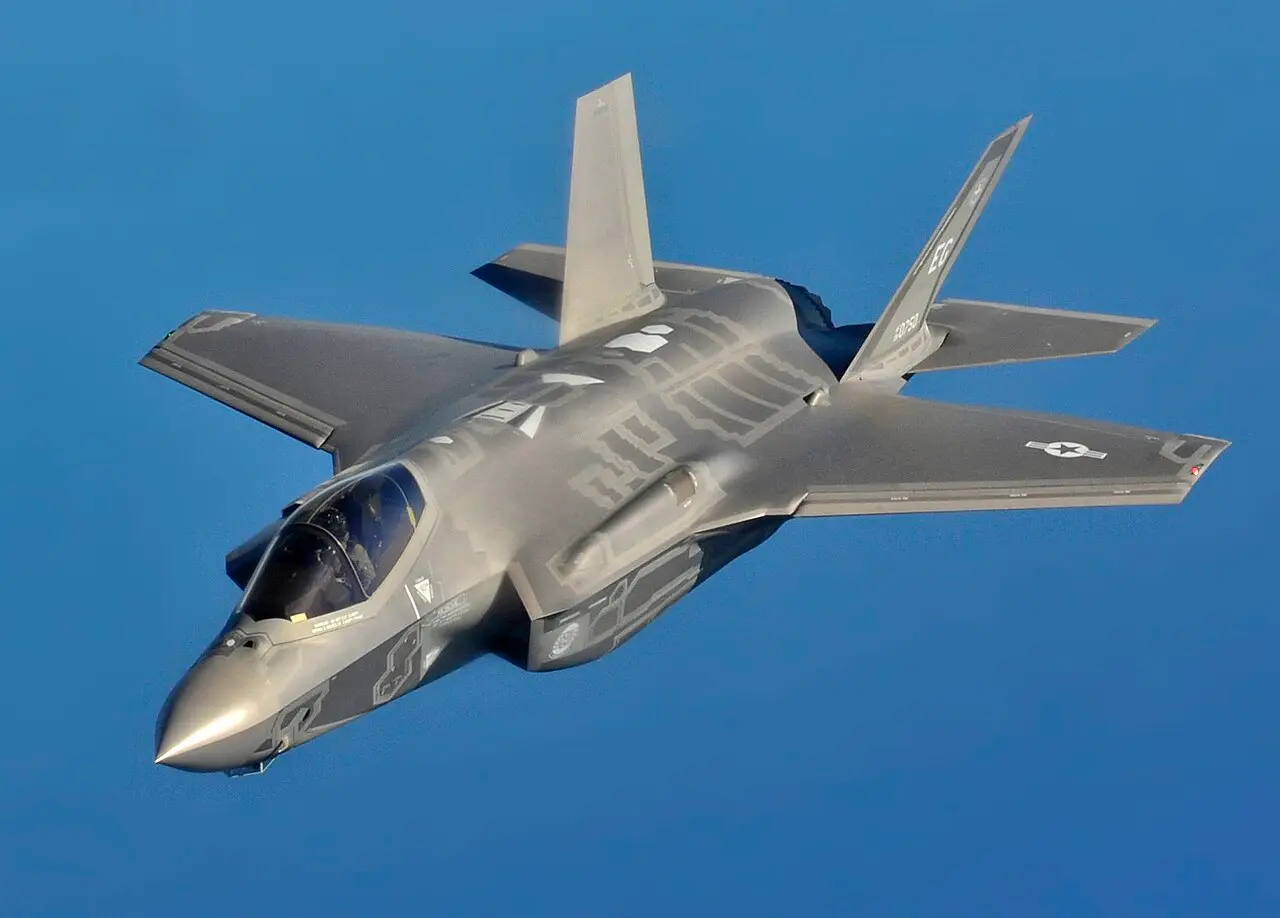
Low Observability by Design
The Lockheed Martin F-35 Lightning II achieves its primary advantage through low observability, combining airframe shaping with radar-absorbing materials to reduce detection by hostile systems. Its internal carriage of weapons and fuel avoids external protrusions, significantly limiting radar reflections and enabling operations in contested airspace with reduced exposure. Carefully aligned edges and angular geometry further disrupt radar returns by scattering or trapping signals, making tracking far more difficult.
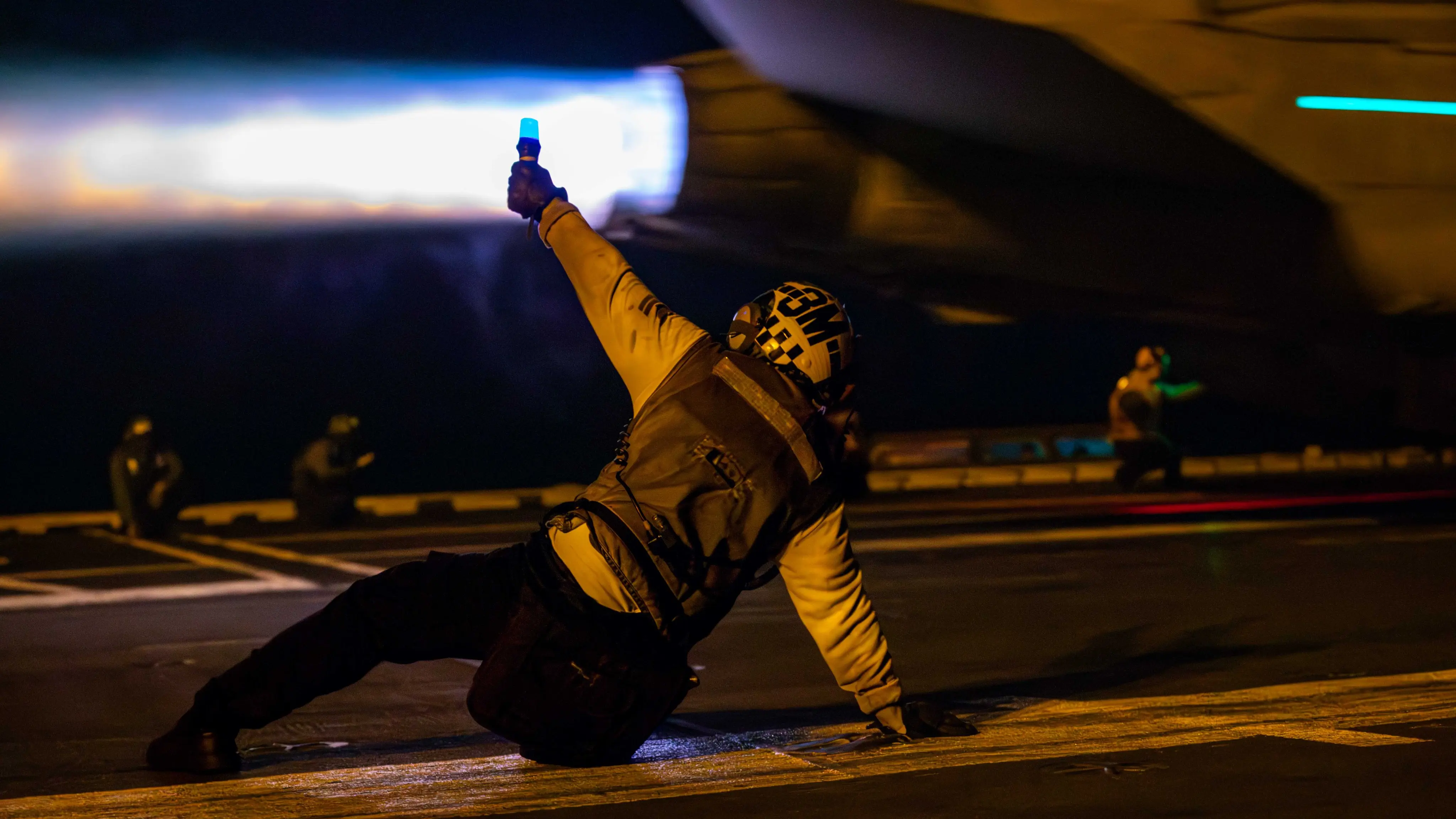
Signature Reduction and Electronic Warfare
Beyond radar evasion, the aircraft is engineered to suppress its infrared signature, lowering the likelihood of detection by heat-seeking systems. Its specialised radar-absorbent coating—often perceived as its distinctive grey finish—helps absorb incoming radar energy.
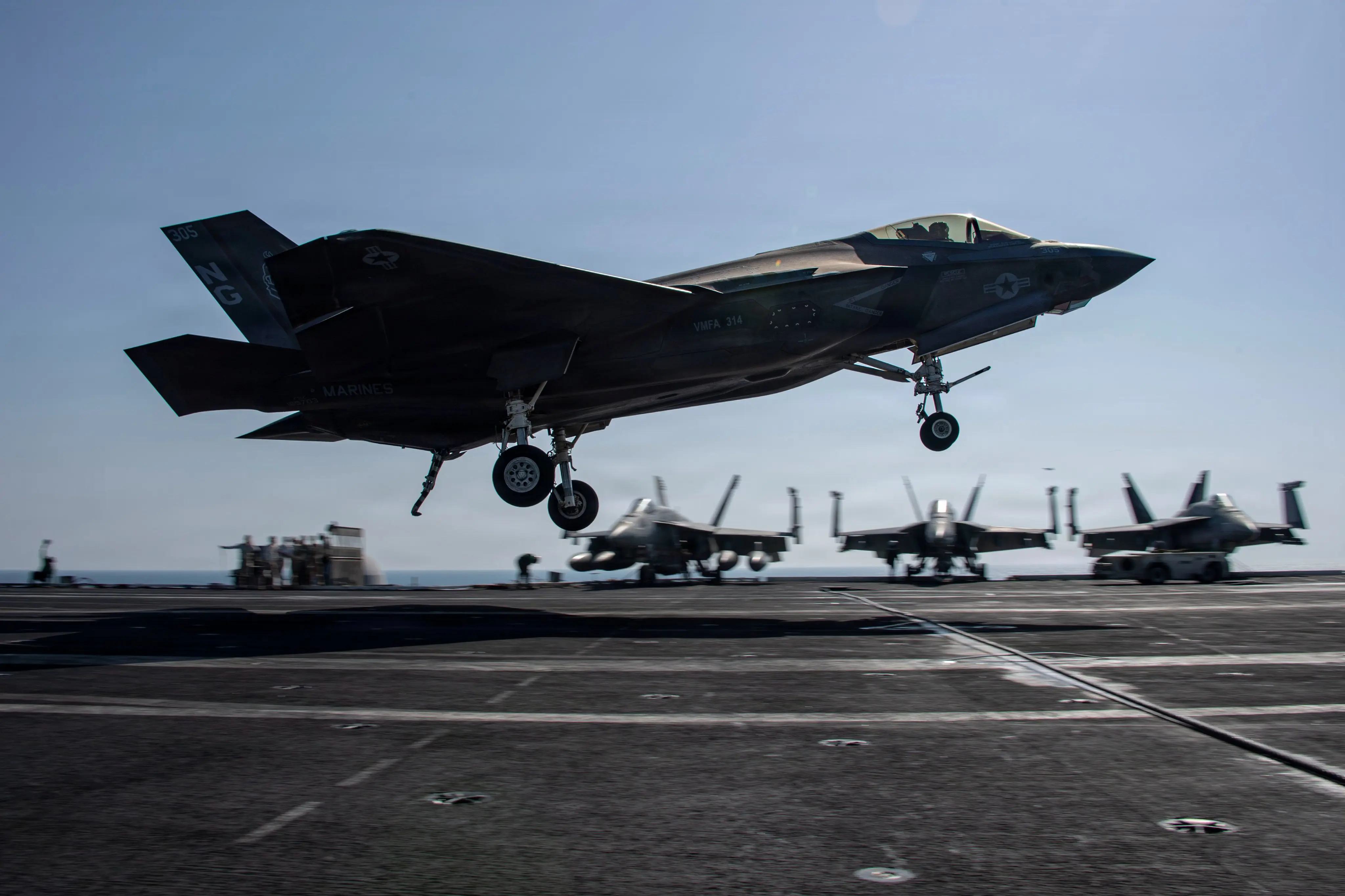
Sensor fusion and situational awareness
A key strength of the aircraft is its ability to integrate data from multiple onboard sensors into a single, coherent picture. This allows pilots to detect, track and respond to threats more effectively than conventional platforms, often before adversaries are aware of its presence. Hence, everything, including the F-35’s shape, internal sensors, weapons and fuel all contribute to the F-35’s stealth, or 'low observability'.
Electronic warfare and survivability
Complementing physical features, the F-35’s advanced electronic warfare suite allows it to detect, deceive and jam electromagnetic threats, enhancing survivability while maintaining stealth in complex operational environments. Combined with high manoeuvrability and supersonic speed, these systems enhance survivability even in hostile environments.
Operational record and significance
If verified, the incident would represent a rare breach of the aircraft’s layered defences. The F-35 is designed not to be invisible, but to reduce detection, complicate targeting, and maintain a decisive informational advantage. The outcome of the investigation will be closely watched for its implications on modern air combat and air-defence effectiveness.
)
)
)
)
)