Iran and Oman draft protocol to monitor Strait of Hormuz traffic: Reports

The move was reported by IRNA with comments from Kazem Gharibabadi, Iran’s deputy minister of legal and international affairs, outlining the rationale behind the plan to coordinate oversight of vessel movements.
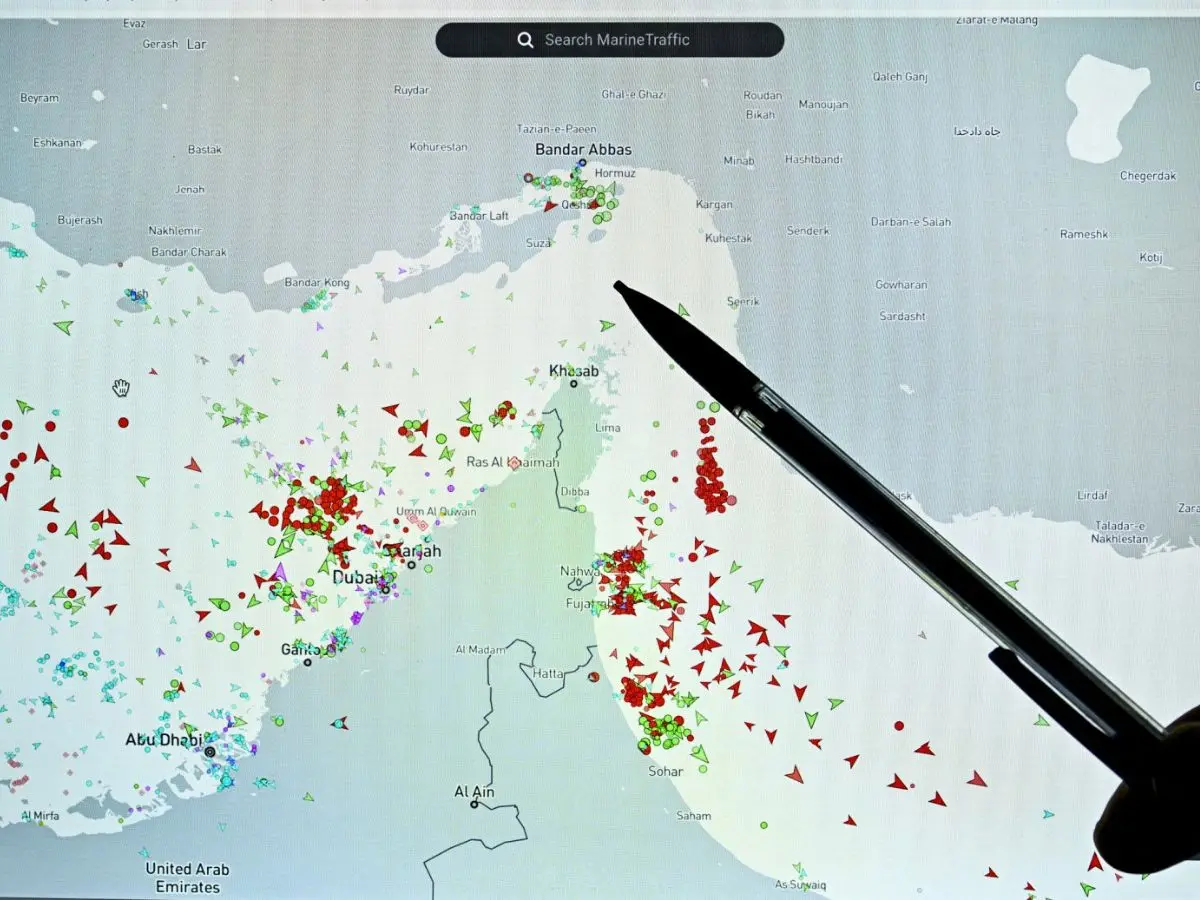
Tehran and Muscat propose joint transit oversight
Iran and Oman are reportedly drafting a protocol to monitor ship transit through the Strait of Hormuz, Iranian state news agency IRNA reported on Thursday, citing an official. The proposal comes as the vital shipping route remains effectively closed amid ongoing conflict in the region. The move was reported by IRNA with comments from Kazem Gharibabadi, Iran’s deputy minister of legal and international affairs, outlining the rationale behind the plan to coordinate oversight of vessel movements.
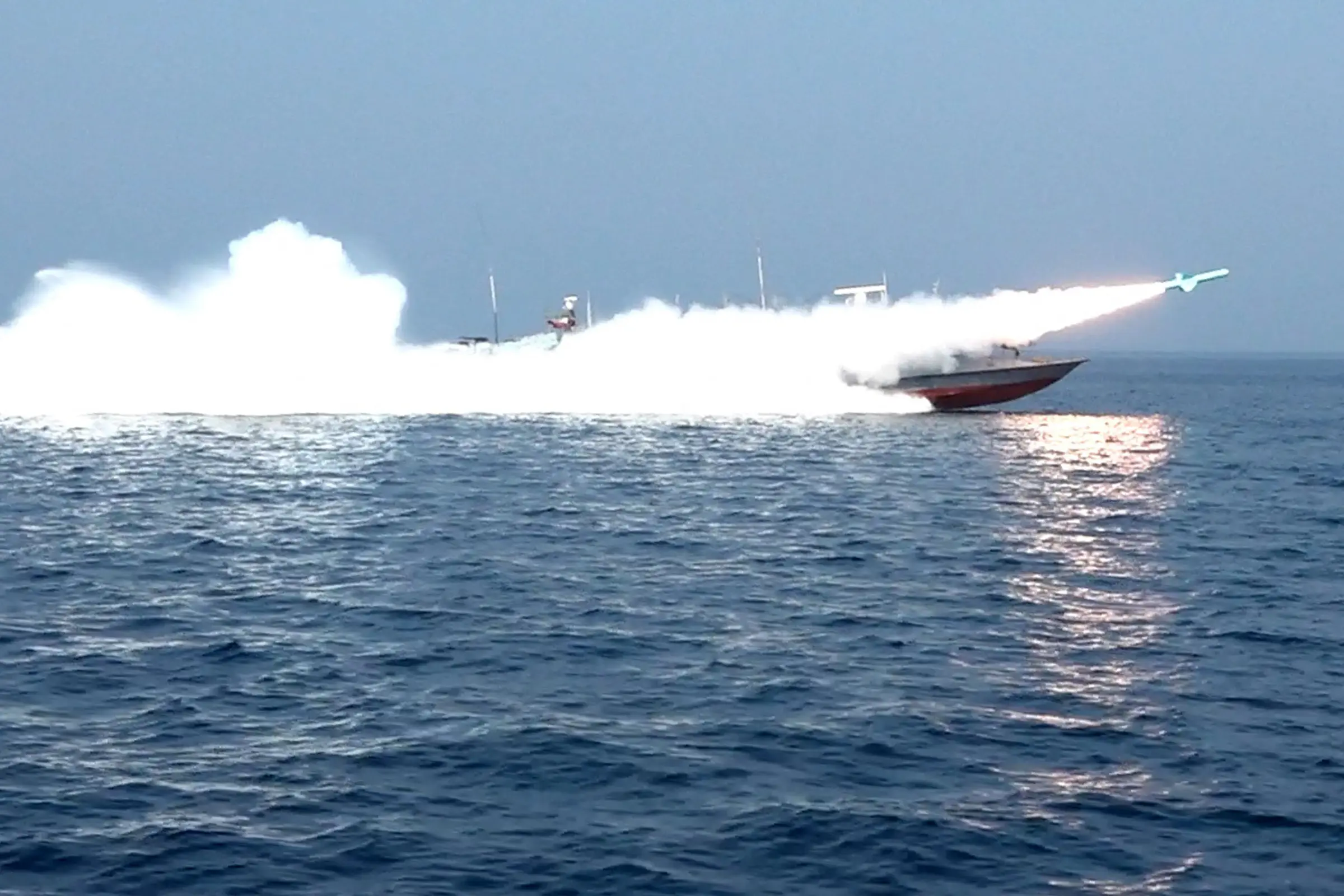
Supervision, not restriction, says Iranian official
Gharibabadi told IRNA that tanker traffic through the key global oil transit route “should be supervised and coordinated” with Iran and Oman. According to CNBC, He added that the requirements outlined in the draft protocol “will not mean restrictions, but rather to facilitate and ensure safe passage and provide better services to ships that pass through this route.” The initiative comes at the backdrop of concerns over security and navigation in a waterway that handles nearly 20 per cent of global crude oil exports and about 25 per cent of liquefied natural gas.
Markets respond to the news
The report of Iran and Oman’s cooperation triggered an immediate reaction in financial markets. US stock indexes, which had been trading sharply lower after US President Donald Trump signalled the conflict with Iran would continue for several weeks, turned higher following the news, says CNBC. Oil prices, which had surged amid fears of prolonged disruption to supply, also eased from their earlier highs on Thursday after the announcement.
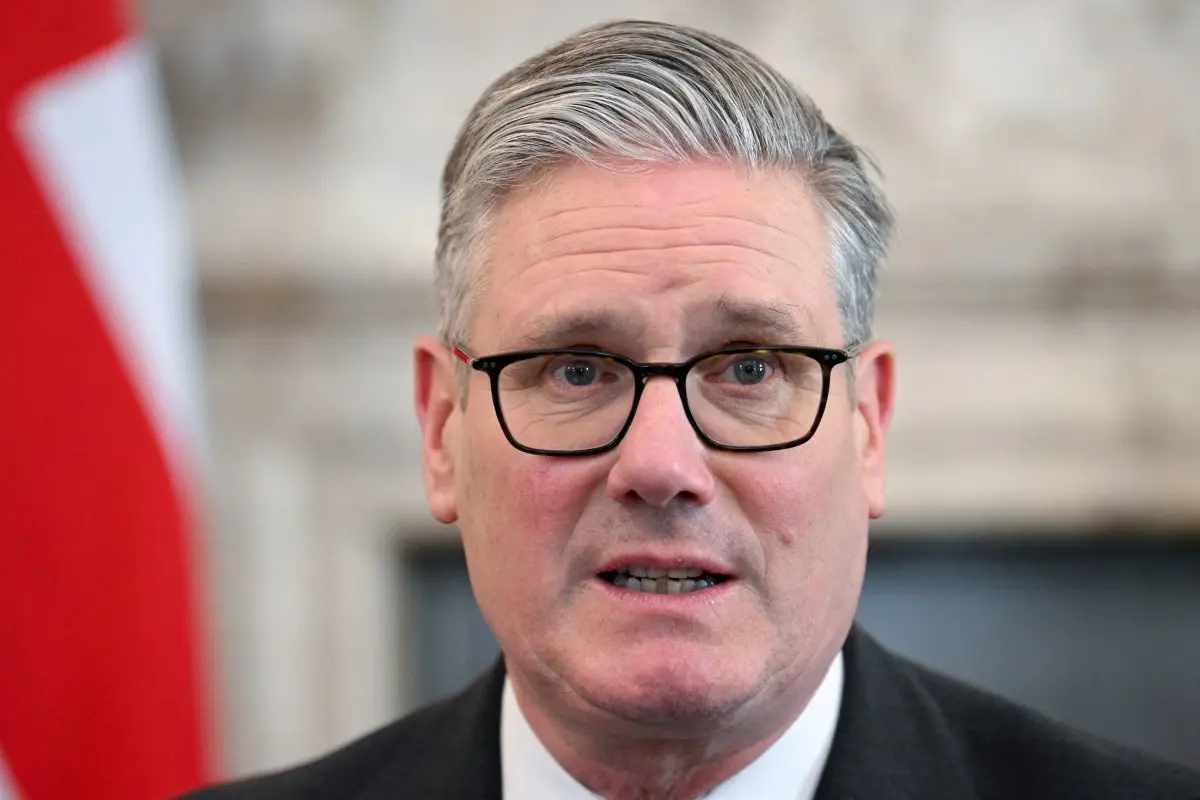
India to join global effort on Hormuz Strait
Meanwhile, India has agreed to join talks with around 35 countries, led by the United Kingdom, to explore ways to reopen the crucial Strait of Hormuz, the Ministry of External Affairs said. Foreign Secretary Vikram Misri will attend the virtual meeting aimed at restoring unimpeded and safe transit for ships, including ones carrying LPG and LNG, after the vital route has been disrupted by the Iran–US–Israel conflict. India is also in contact with Iran and others to protect Indian vessels and ensure freedom of navigation through the strait. Britain has convened an international meeting with other major importers and exporters seeking diplomatic and political measures to restore traffic through the Hormuz Strait.
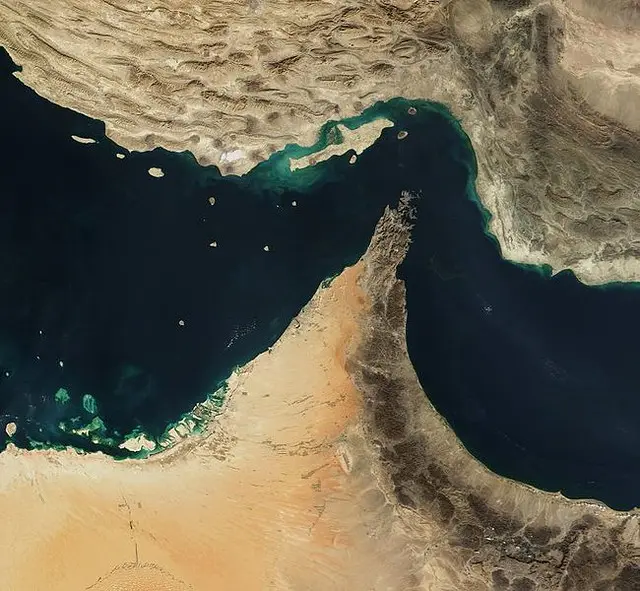
Strategic importance of the Strait of Hormuz
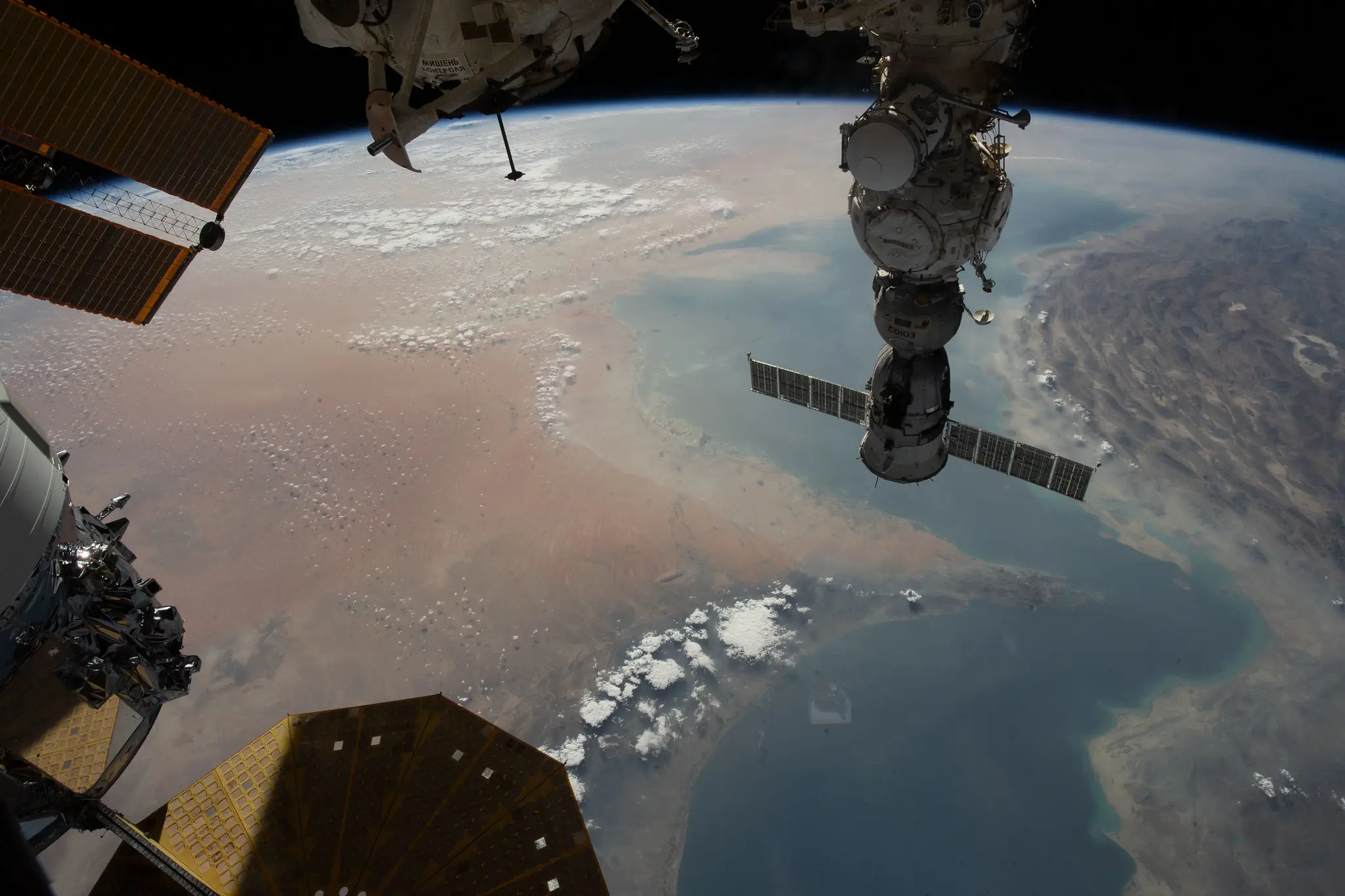
The Strait of Hormuz links the Persian Gulf to the Arabian Sea and is a strategic chokepoint for global energy supplies. Major oil exporters including Saudi Arabia, Iran, Iraq, Kuwait, Qatar and the United Arab Emirates rely on the strait for exports. The reported draft protocol underscores the waterway’s significance and the impact of its closure since the conflict began on February 28 with US and Israeli strikes on Iran.
Shared oversight amid ongoing conflict
While details of the draft protocol are not yet public, Iran’s comments suggest a focus on coordinated monitoring rather than unilateral control. “Of course, these requirements will not mean restrictions, but rather to facilitate and ensure safe passage,” Gharibabadi was quoted as saying. The initiative with Oman highlights efforts by regional states to manage disruptions to maritime traffic amid an extended and volatile period of hostilities.
)
)
)
)
)