International Migrants Day 2025: Why it is observed on 18 December — THESE reasons will surprise you

The International Migrants Day is commemorated to acknowledge the millions of people who leave their native place or permanent shelters in search of safety, opportunity and dignity across borders. Know why the world celebrates this day annually on 18 December.
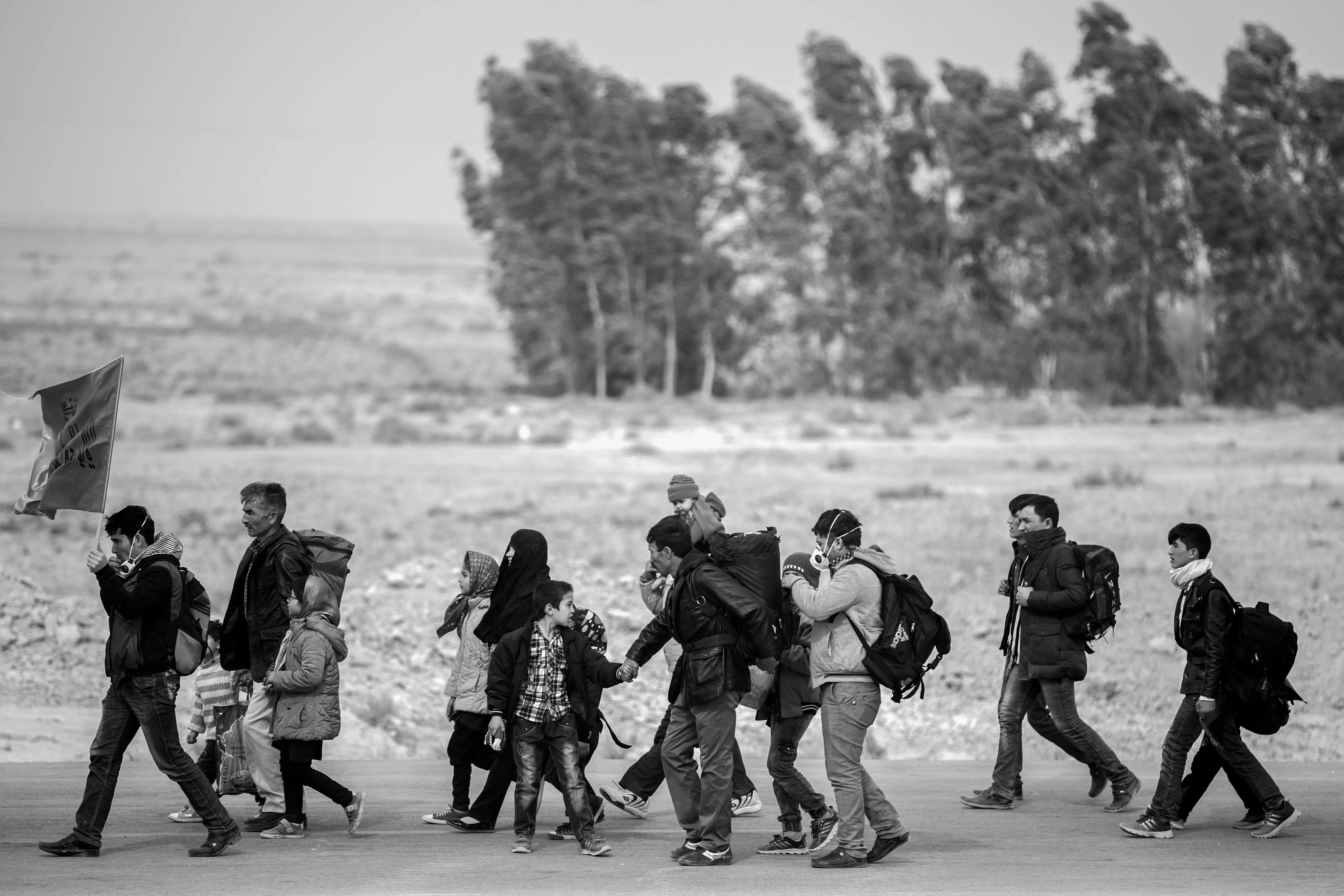
International Migrants Day 2025
International Migrants Day is observed every year on 18 December to recognise the contributions, rights and vulnerabilities of migrants worldwide. It draws attention to the hundreds of millions of people living or working outside their place of birth, including refugees, students, care workers, seafarers and undocumented labourers, and highlights how migration shapes economies, cultures and families across borders.
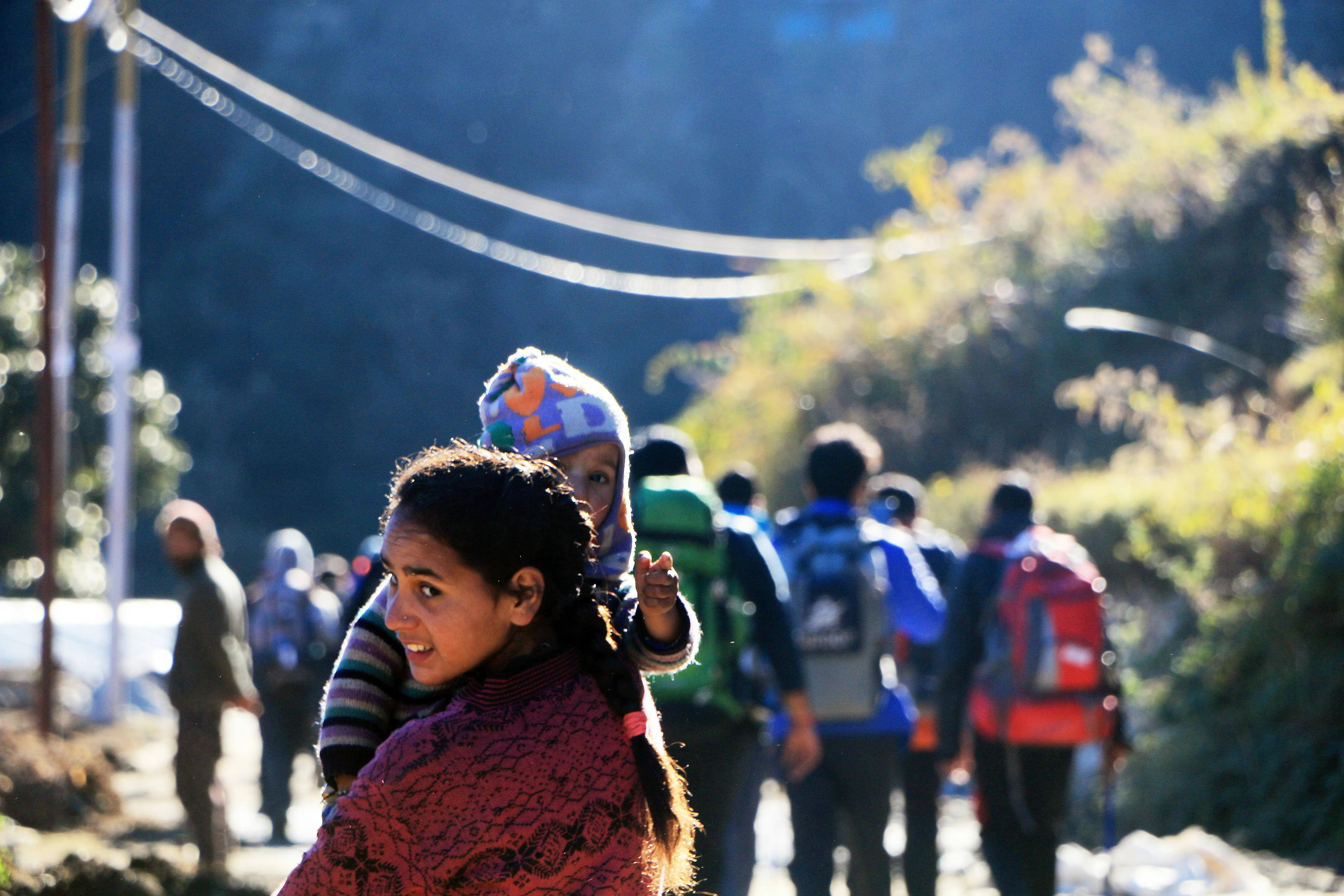
Why on 18 December?
The specific date of 18 December was chosen because, on 18 December 1990, the United Nations General Assembly adopted the International Convention on the Protection of the Rights of All Migrant Workers and Members of Their Families. This treaty set global standards for fair treatment of migrant workers, regardless of their legal status, and urged states to protect them from exploitation, violence and discrimination in countries of transit and destination.

Human‑rights convention
By linking the day to a human‑rights convention, the UN emphasised that migrants are not just economic actors or statistics, but individuals with rights to life, dignity, family unity, just working conditions and access to basic services. International Migrants Day, therefore, encourages governments to align their laws and practices with these principles, improve labour inspections, prevent trafficking and provide safe, regular pathways for mobility instead of forcing people into dangerous, irregular routes.
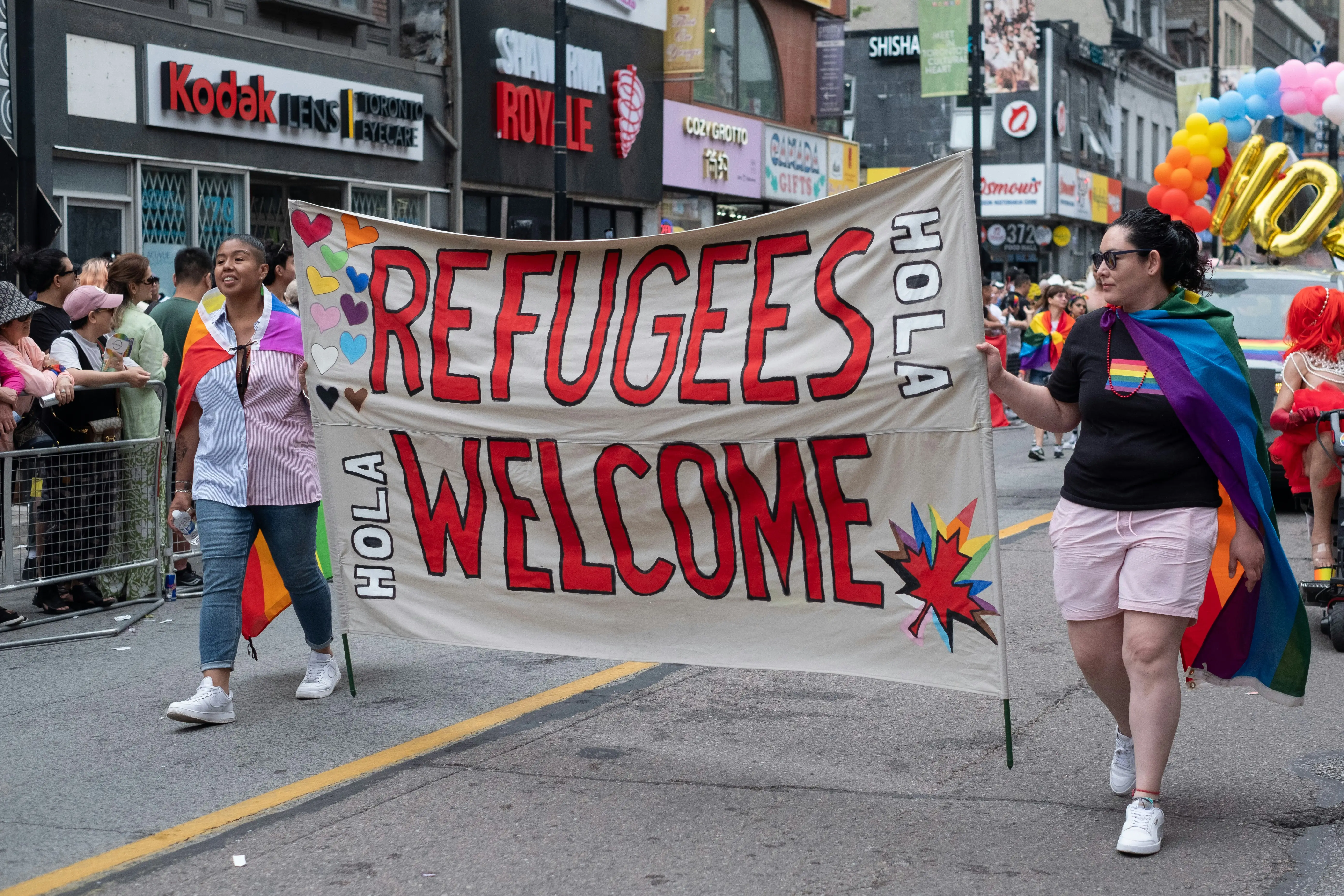
Xenophobia and misinformation
The day is also meant to combat xenophobia and misinformation. Public debates about migration often focus on perceived security threats or competition for jobs, ignoring evidence that migrants fill crucial labour shortages, pay taxes, innovate and care for ageing populations.
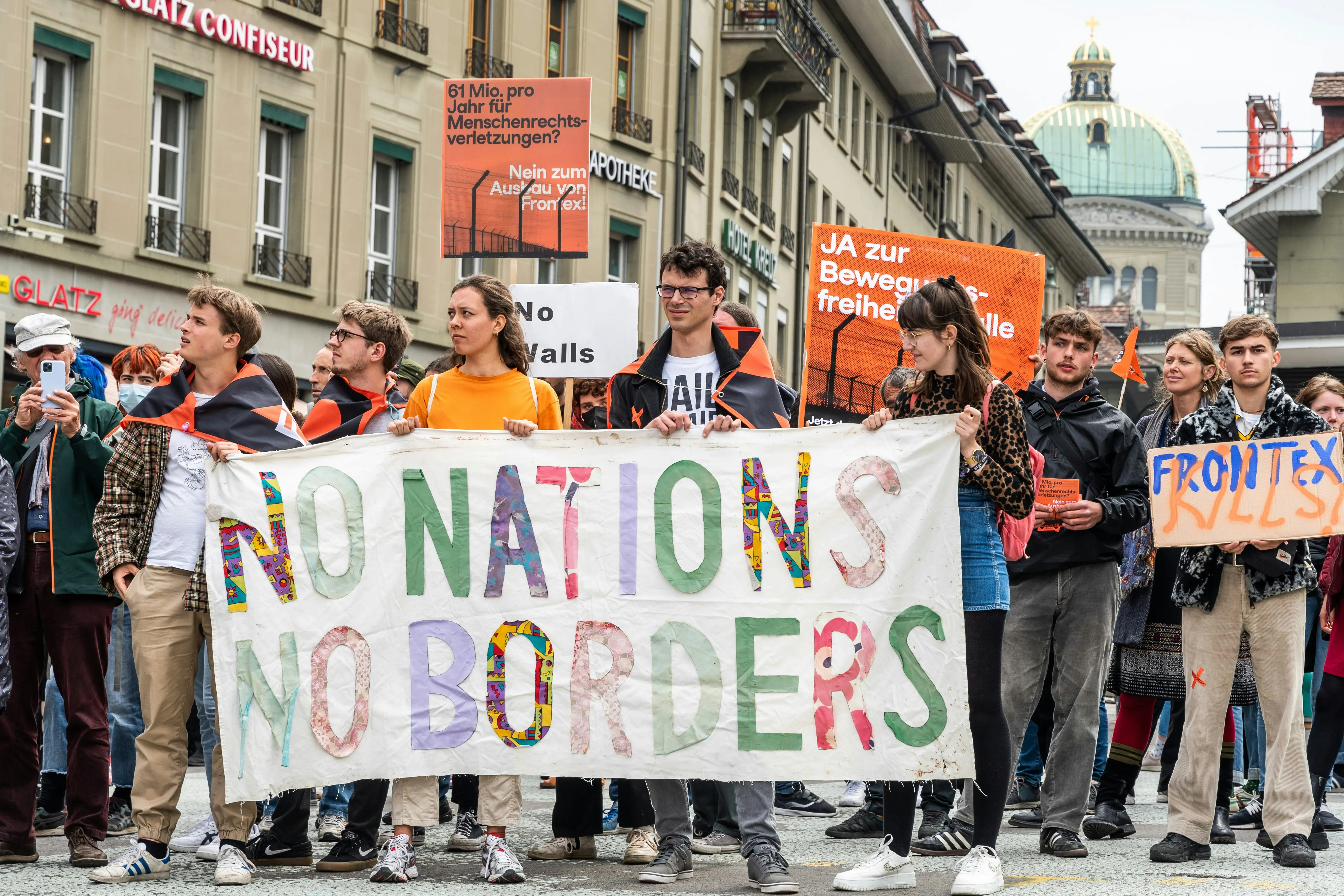
Additional weight
In 2025, International Migrants Day carries additional weight as climate change, conflicts and economic inequality push more people to move, while digital platforms make cross‑border recruitment and remittances easier. Marking 18 December is a reminder that humane migration governance requires international cooperation: countries of origin, transit and destination all share responsibilities to protect people on the move, uphold international law and ensure that migration remains a choice made in dignity, not a last resort driven by desperation.
)
)
)
)
)