International Labour Day 2026: Why is it celebrated on May 1? Know history, theme & significance

International Labour Day, observed on May 1, honours the contributions and the fight for fair wages, safety, and the dignity of workers globally. Rooted in the Haymarket Affair, it highlights labour rights and, in 2026, focuses on workplace safety amid climate change.

International Labour Day
It is also known as May Day, marking a global tribute to the perseverance and invaluable contributions of the working class. As we observe it on May 1, 2026, the day serves as both a celebration of labour achievements and a reminder of the ongoing struggle for fair wages, safety, and dignity in the workplace. It bridges the gap between historical movements and the modern digital economy. In India, this day is called Antar Rashtriya Shramik Diwas, which emphasises the 8-hour workday and fair labour practices globally.

Date and Observation
International Labour Day is officially observed on May 1st each year. In 2026, this date falls on a Friday, providing a global platform for rallies, seminars, and public holidays in over 80 countries. While some nations, like the United States and Canada, celebrate their "Labour Day" in September, the vast majority of the world adheres to the May 1st schedule to align with the historical international labour movement.
History of May Day
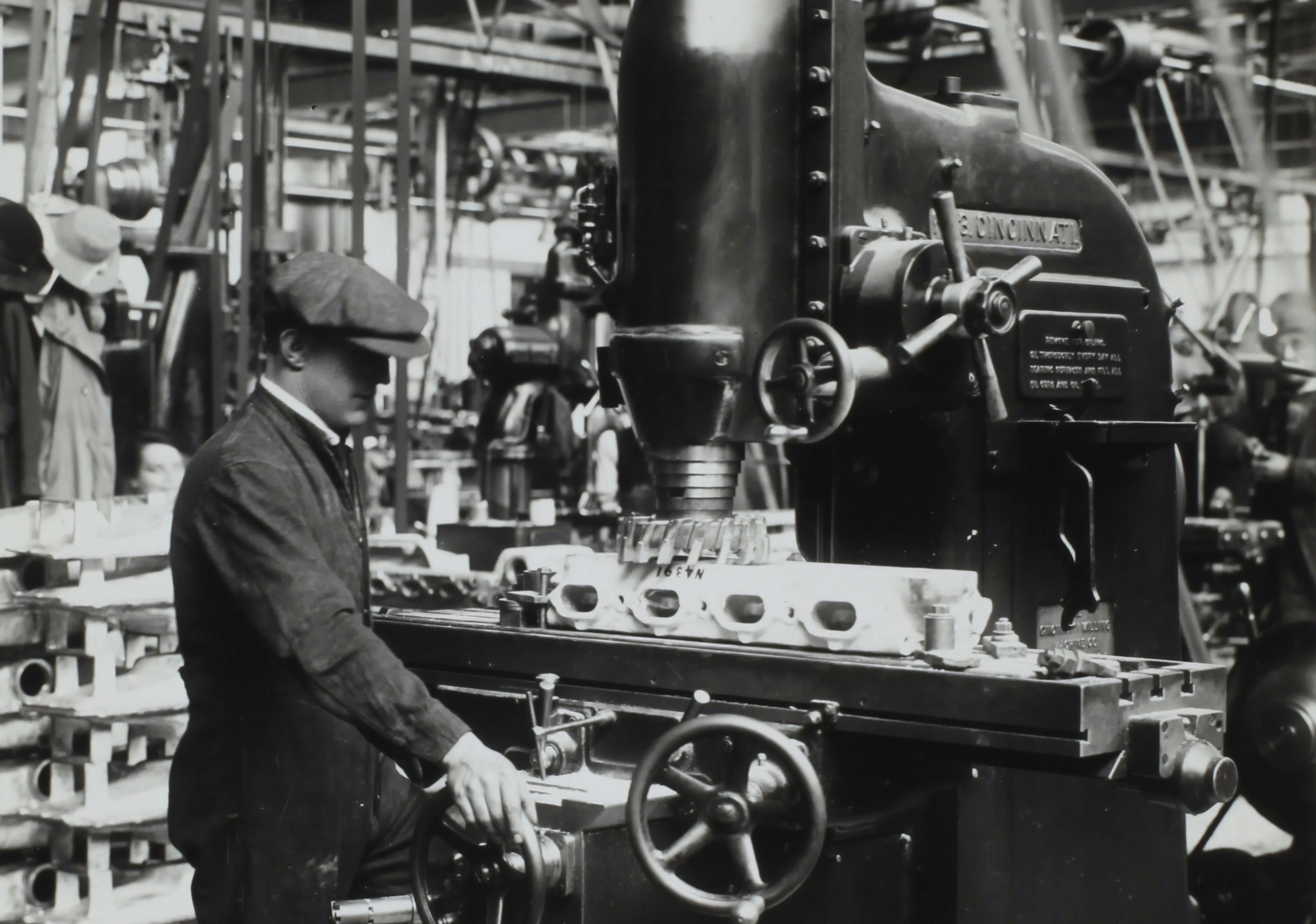
The roots of this day are traced back to the Haymarket Affair of 1886 in Chicago. Workers took to the streets demanding an eight-hour workday, a protest that unfortunately turned violent due to a bomb blast and subsequent police action. In 1889, the International Federation of Socialist Groups and Trade Unions designated May 1st as a day for workers to commemorate the Chicago protests and advocate for labour rights globally.

Theme for 2026
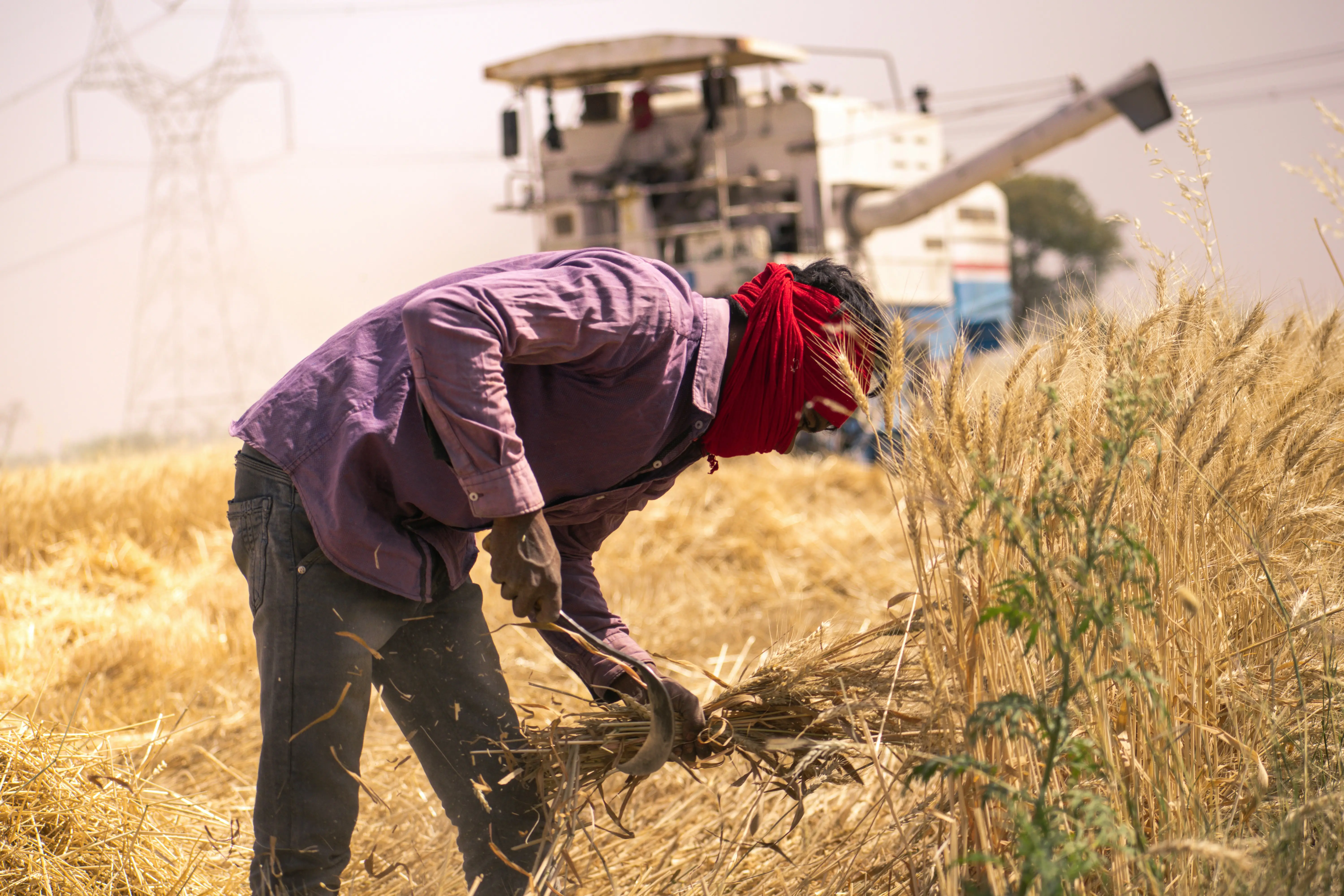
The theme for International Labour Day 2026 is "Ensuring Safety and Health at Work in a Changing Climate." This theme highlights the emerging challenges workers face due to extreme weather, heatwaves, and environmental shifts. It emphasises the responsibility of governments and corporations to adapt occupational safety standards to protect the physical and mental well-being of employees as global temperatures rise and industries undergo green transitions.
What is the significance of this Day?
This day is highly significant as it provides a collective voice to the billions of individuals who drive the global economy. It is a moment to reflect on the progress made, such as the abolition of child labour and the establishment of the minimum wage, while identifying modern gaps. It reinforces the idea that labour rights are human rights, ensuring that workers are not viewed merely as tools of production but as dignified individuals.

Why is it Celebrated on May 1?
May 1st was chosen specifically to honour the Haymarket martyrs who sacrificed their lives for the eight-hour work movement. Before this, workers often endured 12 to 16-hour shifts in gruelling conditions. By fixing the celebration on this date, the international community ensures that the spirit of the 1886 Chicago strikes remains alive, serving as a permanent anchor for the "8 hours for work, 8 hours for rest, and 8 hours for what we will" philosophy.
)
)
)
)
)