Inside Asia’s skies: Where Thailand and Cambodia really rank in fighter jet numbers

Cambodia’s lack of any fighter jets show how uneven Asia’s aerial landscape remains. Where do these two countries really rank in Asia’s fighter jet numbers, and who truly reads the shifting air superiority dynamics?
Recent clashes highlight air power gap
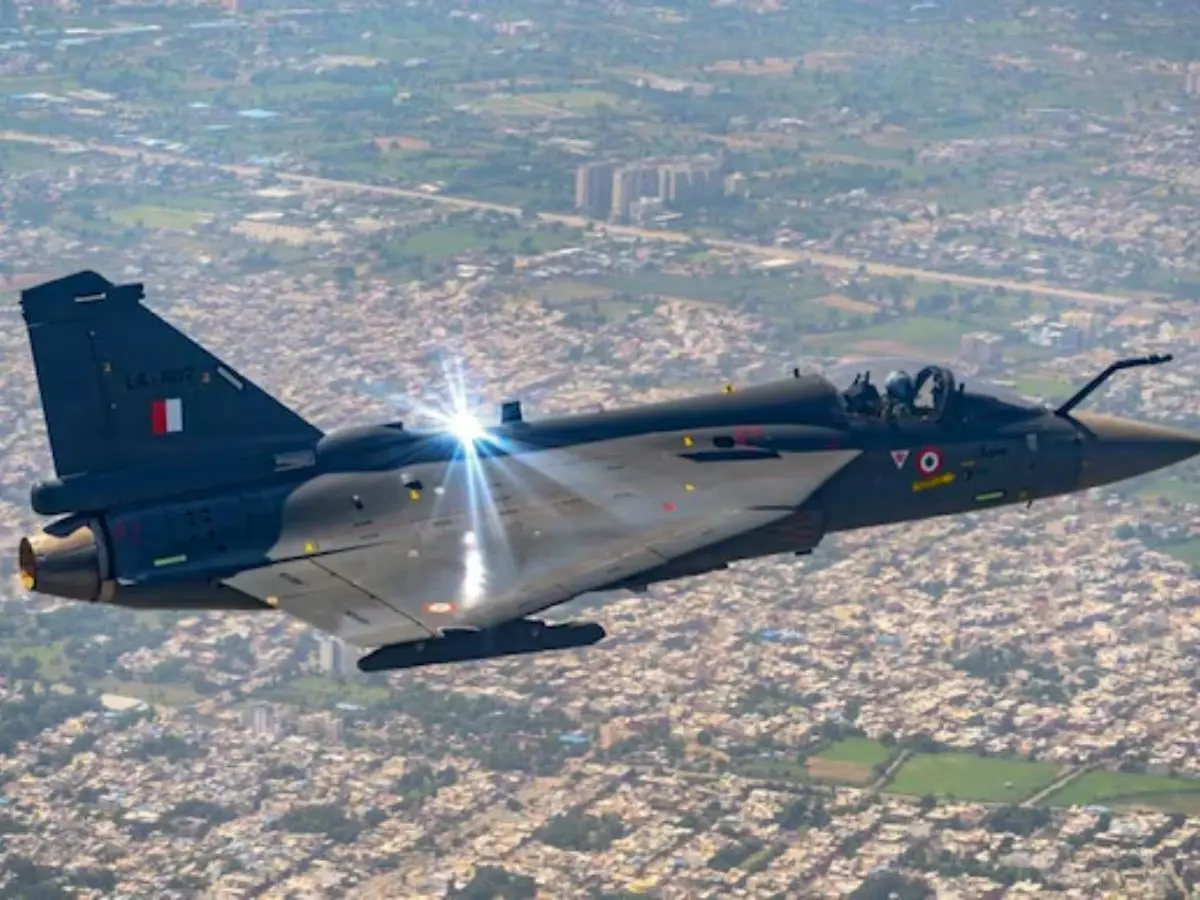
Recent border clashes where Thailand’s F‑16s flew unchallenged have exposed Asia’s stark air power divide. For India, caught between China’s dominant arsenal and Pakistan’s expanding fleet, these numbers aren’t just statistics, they’re about strategic survival. India’s push to modernise with indigenous jets like the Tejas shows its resolve to narrow China’s lead. Meanwhile, Cambodia’s lack of any fighter jets show how uneven Asia’s aerial landscape remains. But where do these two countries really rank in Asia’s fighter jet numbers, and who truly reads the shifting air superiority dynamics?
China leads
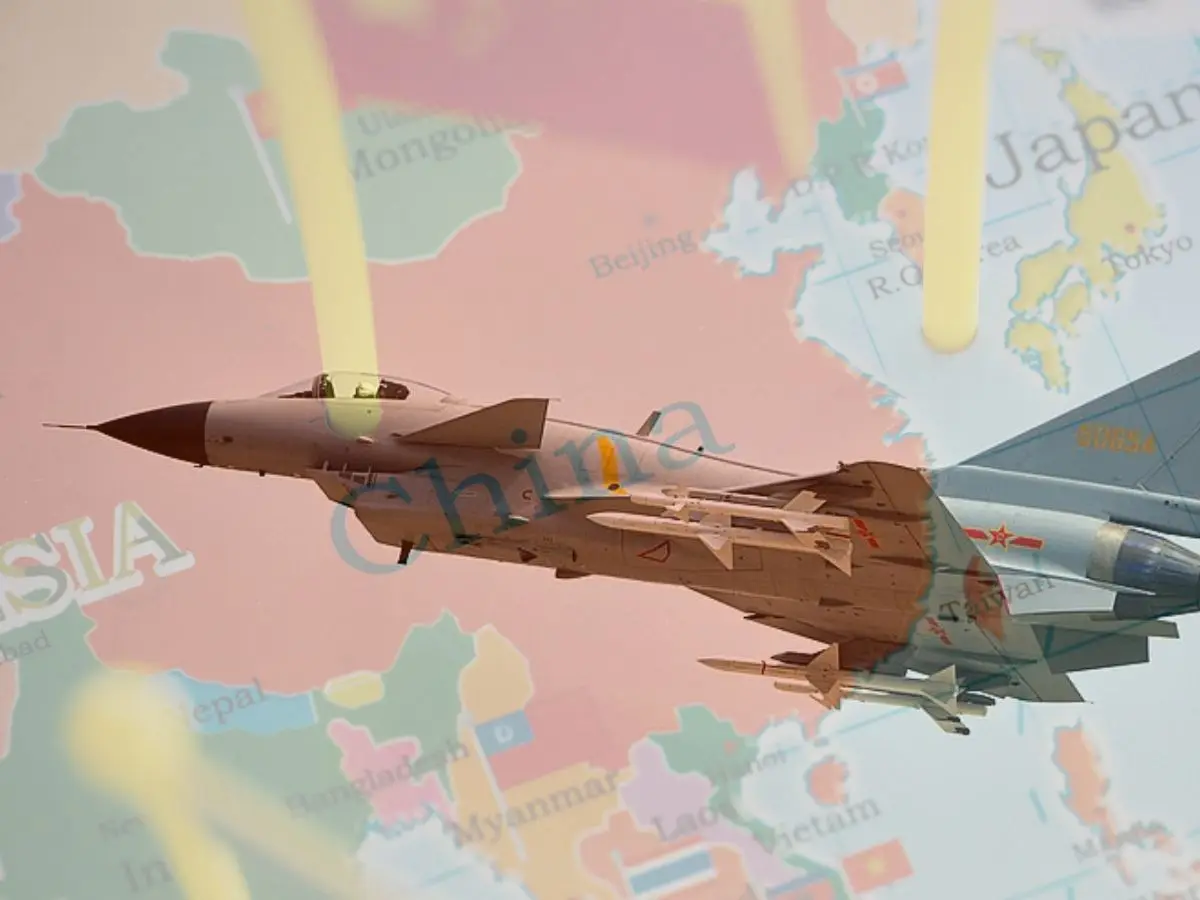
According to Global Firepower data for 2025, China commands roughly 1,212 fighter and interceptor aircraft, the largest fleet in Asia and second only to the United States. The People’s Liberation Army Air Force has rapidly modernised, adding more than 600 fourth- and fifth-generation jets such as the J-20 stealth fighter and J-16 multirole aircraft. This transformation has shifted the balance of power in the region, compelling countries like India to accelerate their own modernisation plans.
India holds the second spot
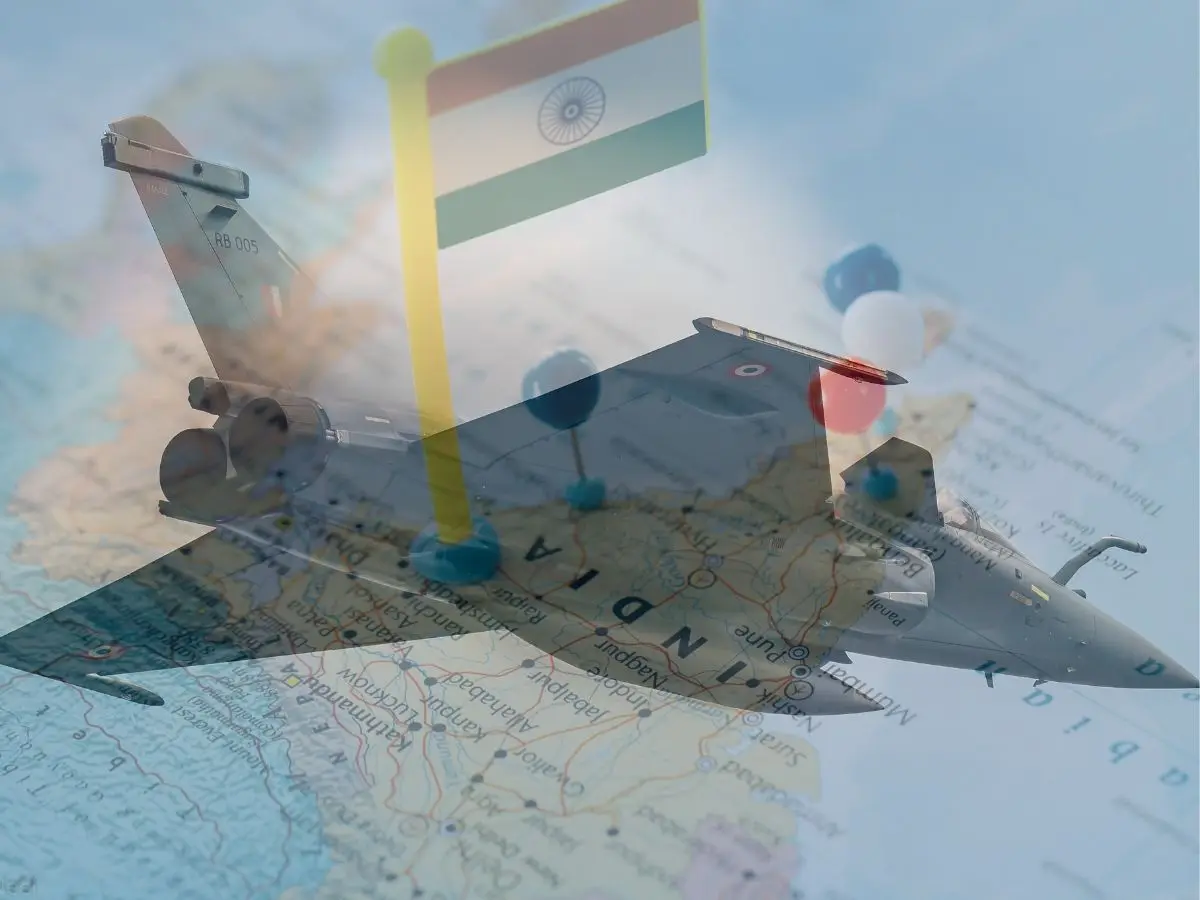
India remains Asia’s second-largest air power, with about 513 fighter aircraft across 29 squadrons and a total fleet estimated at around 522 jets. This puts India ahead of Pakistan, which fields only about 450 fighter jets. The near parity between India and Pakistan is a strategic concern, given ongoing border disputes and historical tensions. India, however, continues to stress its commitment to strengthening the fleet through indigenous programmes like the Tejas and upcoming projects such as the AMCA stealth fighter.
Pakistan and South Korea in close pursuit
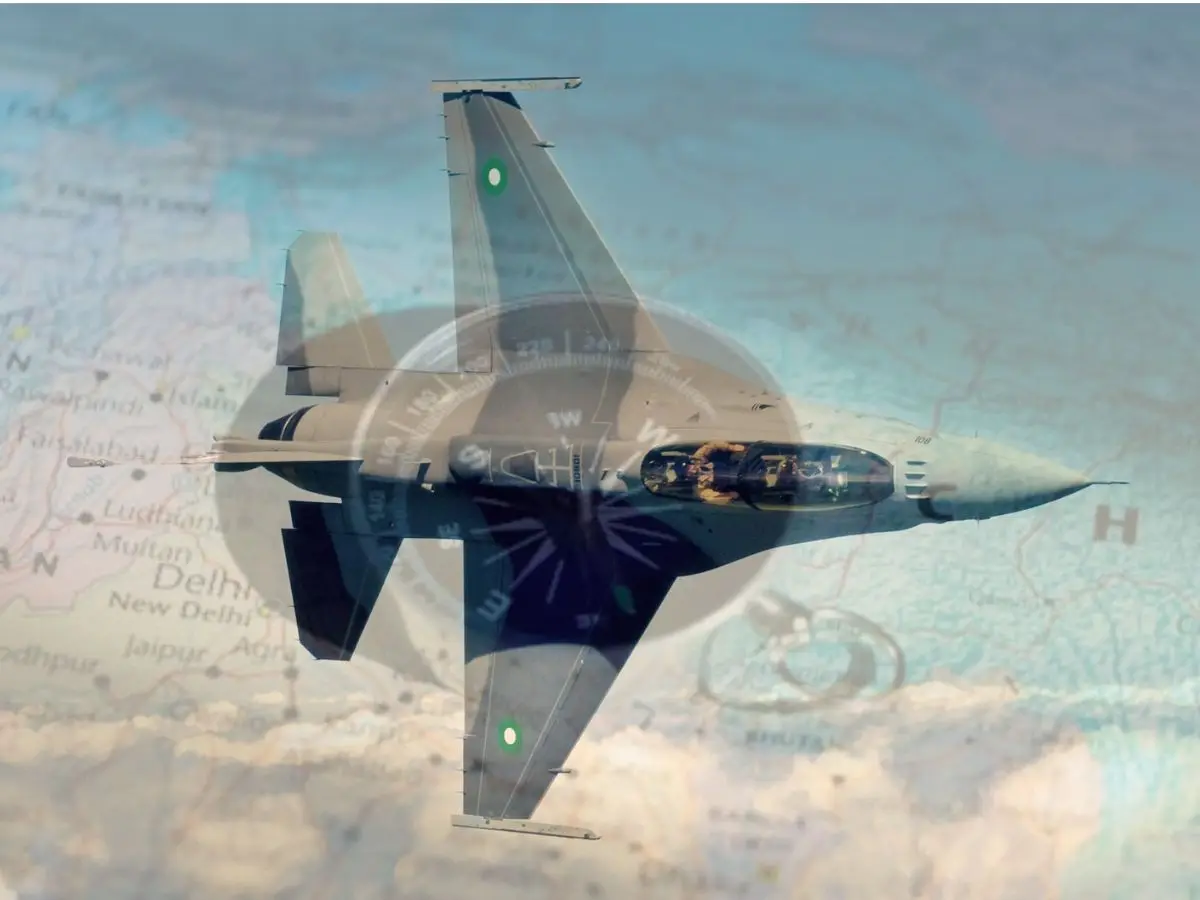
Pakistan maintains an estimated 328 fighter jets, while South Korea operates around 315. While South Korea invests heavily in keeping it's fleets modern and service-ready, the Pakistan Air Force (PAF) is currently facing the challenge of an aging fleet of fighter jets, with several aircraft types nearing the end of their operational life. Taiwan also ranks among the region’s significant air forces, with around 285 fighter jets. Yet all these fleets remain far behind China’s in both numbers and advanced capabilities.
Thailand’s moderate strength
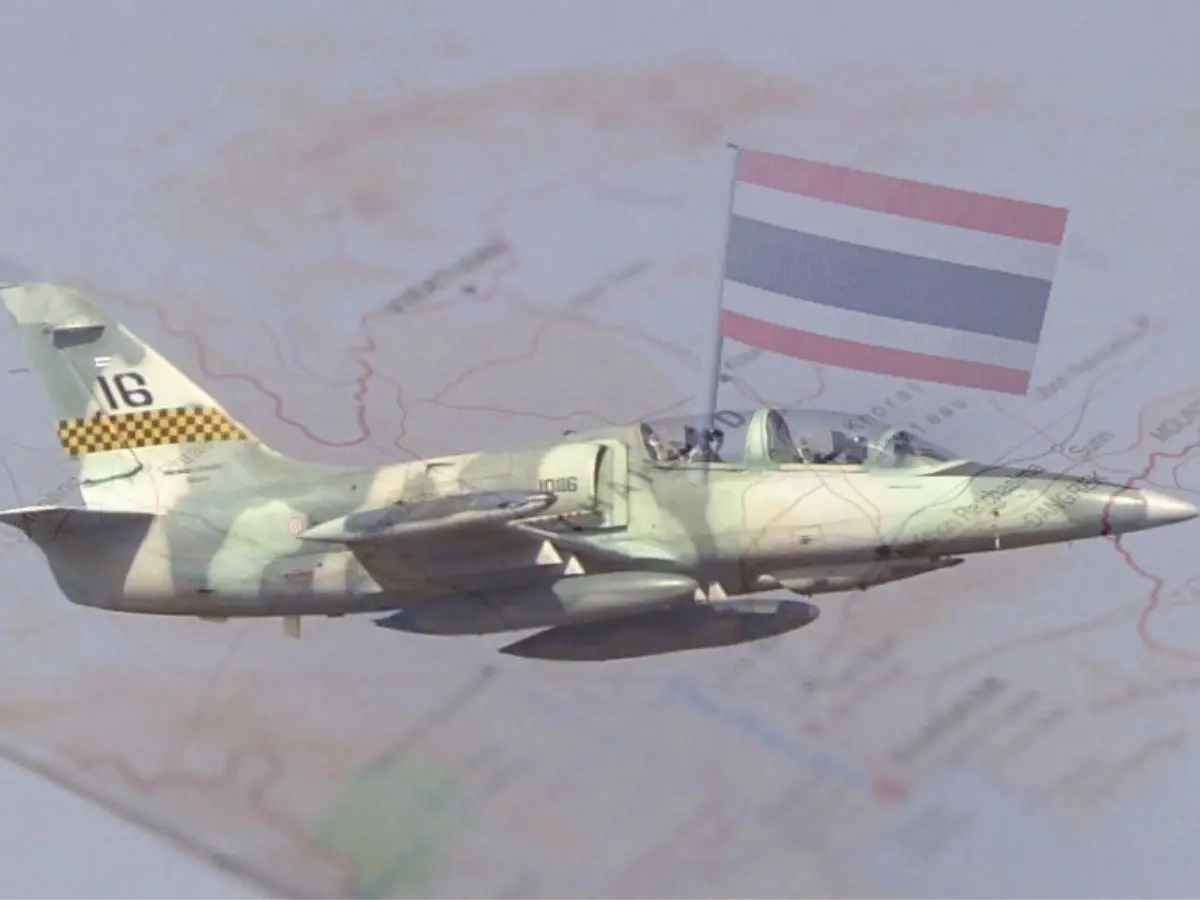
Thailand’s air force consists of around 72 fighter jets, including F‑16s and a small number of Saab Gripen aircraft. Its military manpower totals about 46,000. The recent strikes against Cambodian positions show Thailand can project air power effectively when needed, a capacity absent in several neighbouring countries.
Cambodia’s air force: a non-combat force
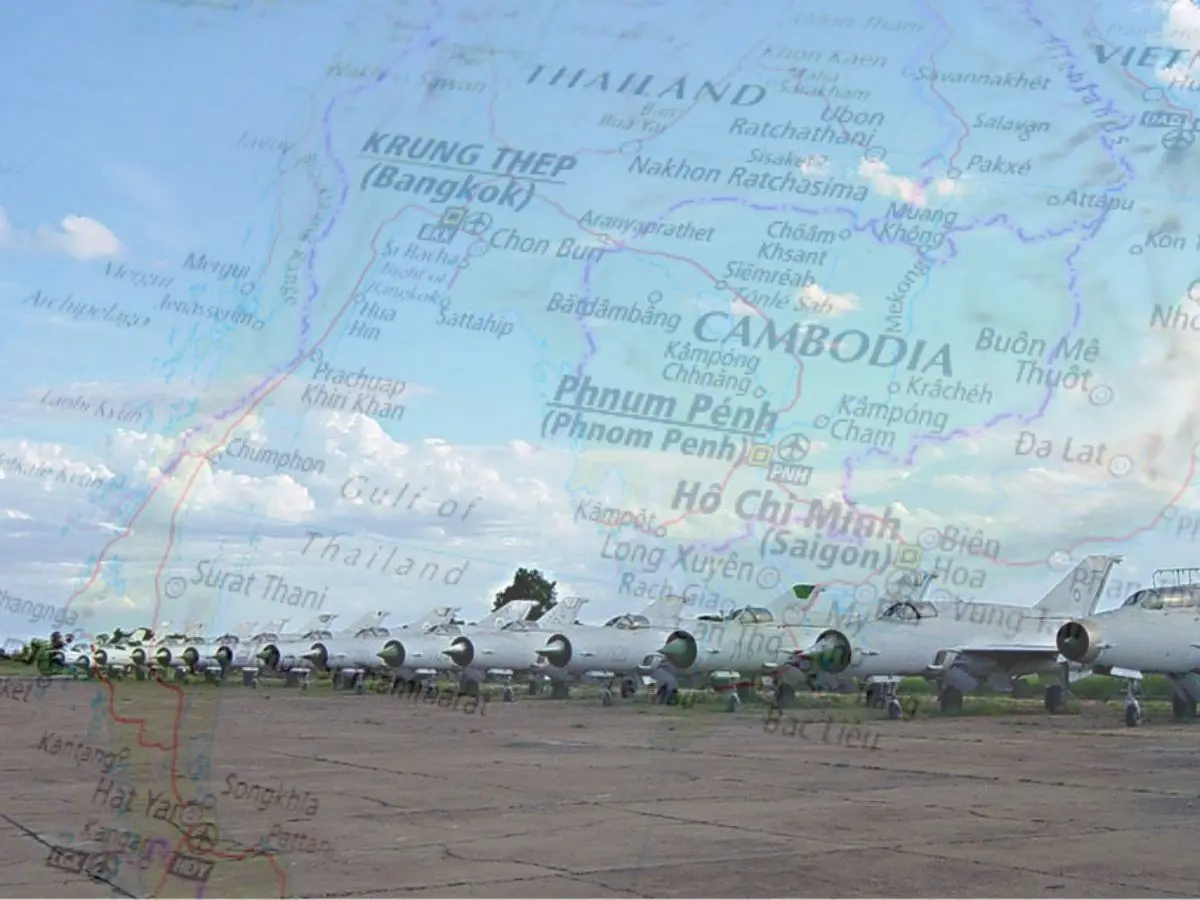
Cambodia, by contrast, has no fighter jets at all. Its air force is limited to transport planes and helicopters, with roughly 1,500 personnel. It has 10 transport planes and 10 helicopters and the most notable aircraft in its fleet include 16 multi-role helicopters, with six Soviet-era Mi-17s and 10 Chinese Z-9s. This leaves it unable to respond directly to aerial threats, relying instead on ground forces and diplomatic measures.
What the numbers reveal
These figures highlight a clear reality: China’s fighter jet strength vastly exceeds that of every other Asian country. However, India holds second place, with it's commitment to modernising the air force by inducting domestically produced fighter jets like HAL Tejas, Pakistan and South Korea follow at some distance, while Thailand and Taiwan manage smaller but capable forces. Cambodia’s lack of fighter jets places it outside the regional aerial balance altogether.
)
)
)
)
)