INS Vikrant: How did India build its first indigenous aircraft carrier?

The design work began in 1999 at the Directorate of Naval Design in Delhi, marking a milestone in Indian naval engineering. The Cochin Shipyard Limited (CSL), Kerala, primarily known for commercial shipbuilding, was chosen as the construction site.
The dawn of India’s indigenous carrier dream
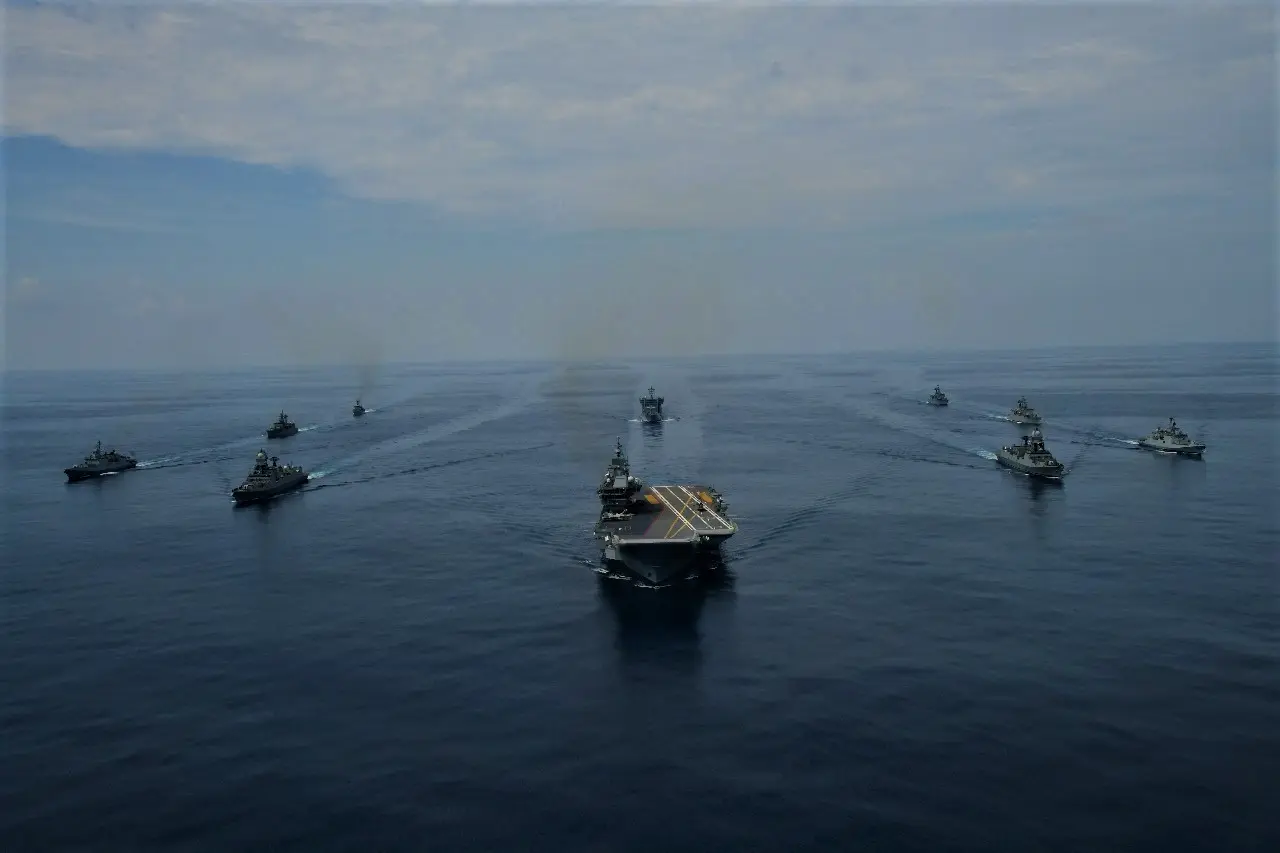
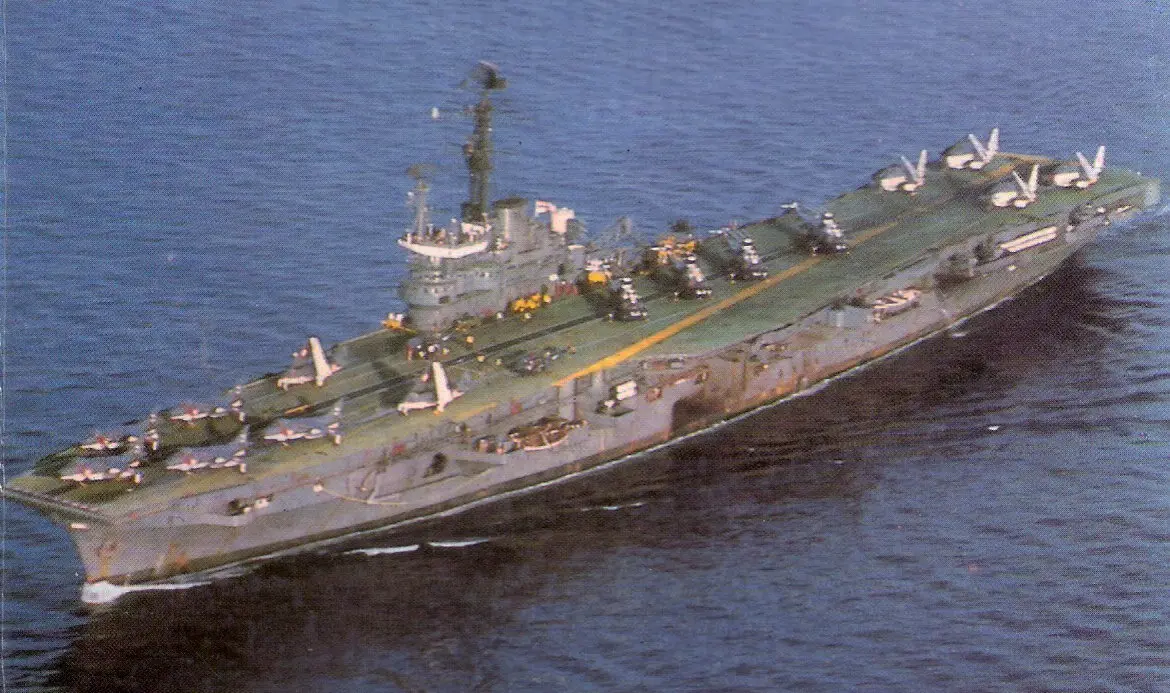
India’s journey to building its first indigenous aircraft carrier began as an ambitious statement of self-reliance in naval defence. The Indian Navy had long depended on foreign-built carriers, the first INS Vikrant (acquired from the UK in 1961) and INS Viraat (a former British Hermes-class carrier). With both ageing, India recognised the need to design and construct its own platform to maintain blue-water capability. Thus was born the Indigenous Aircraft Carrier (IAC-1) project, later named INS Vikrant in honour of its predecessor. The vision: to craft a warship that would demonstrate India’s ability to engineer, design, and operate one of the most complex naval assets on Earth.
A decade of design and engineering precision
The design work began in 1999 at the Directorate of Naval Design in Delhi, marking a milestone in Indian naval engineering. The Cochin Shipyard Limited (CSL), Kerala, primarily known for commercial shipbuilding, was chosen as the construction site. Building an aircraft carrier required not only massive infrastructure upgrades but also a mastery of complex naval systems integration. It took over 20 years of design evolution, from blueprint to launch, with more than 76 per cent of the ship’s components sourced domestically, a feat unprecedented in India’s defence sector.
Construction challenges and breakthroughs
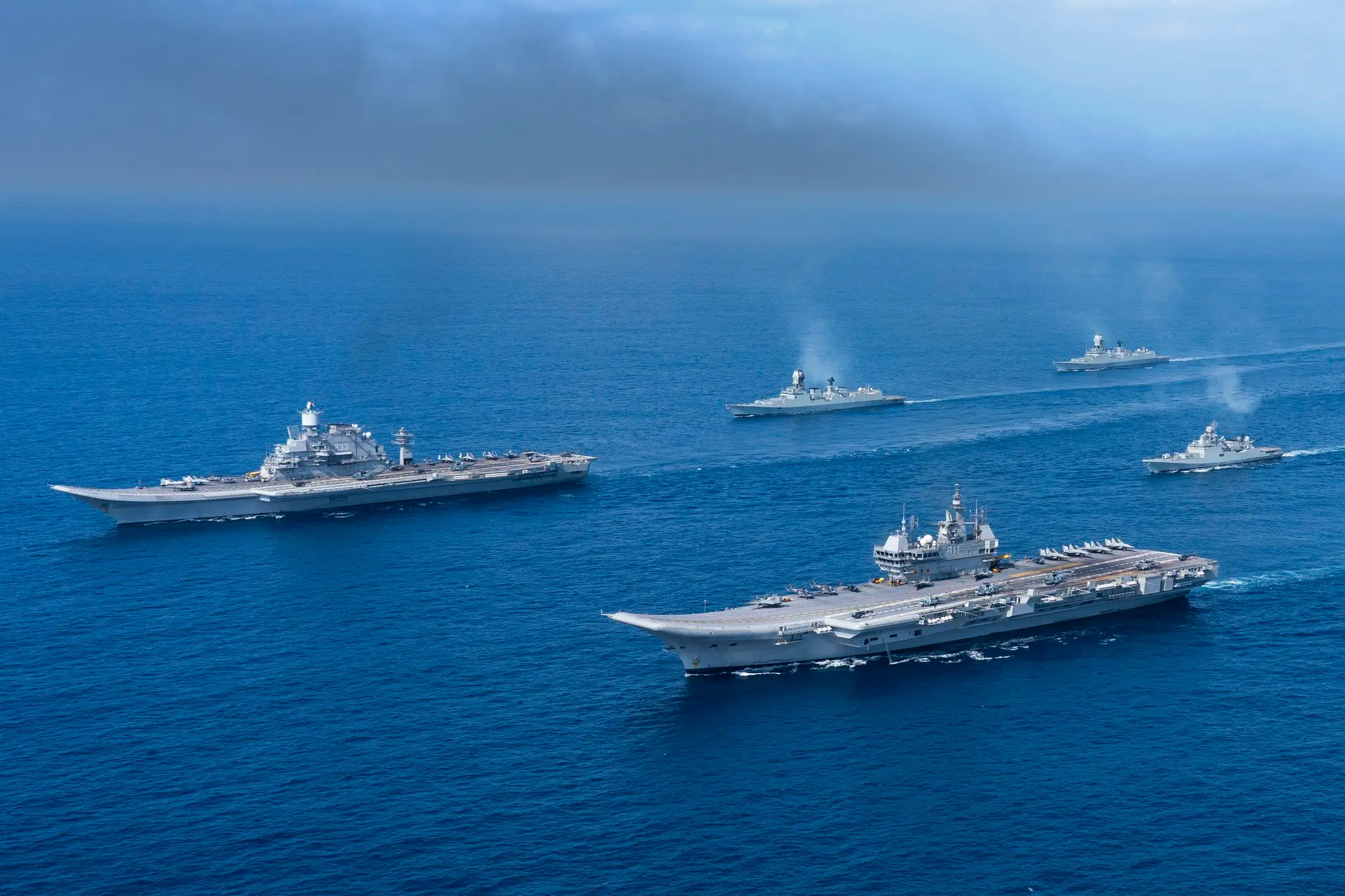
Laying down the keel in 2009 marked the beginning of one of India’s most technically demanding shipbuilding efforts. The project faced significant delays, primarily due to supply chain constraints, evolving design requirements, and the need to domestically produce specialised steel. India’s Defence Research and Development Organisation (DRDO) partnered with the Steel Authority of India Limited (SAIL) to develop DMR 249A, a warship-grade steel that eventually replaced foreign imports. More than 20,000 tonnes of this high-strength steel were used in the hull. Despite setbacks, the carrier’s modular construction, comprising over 300 blocks, showcased India’s growing technological prowess.
Power, performance and capability
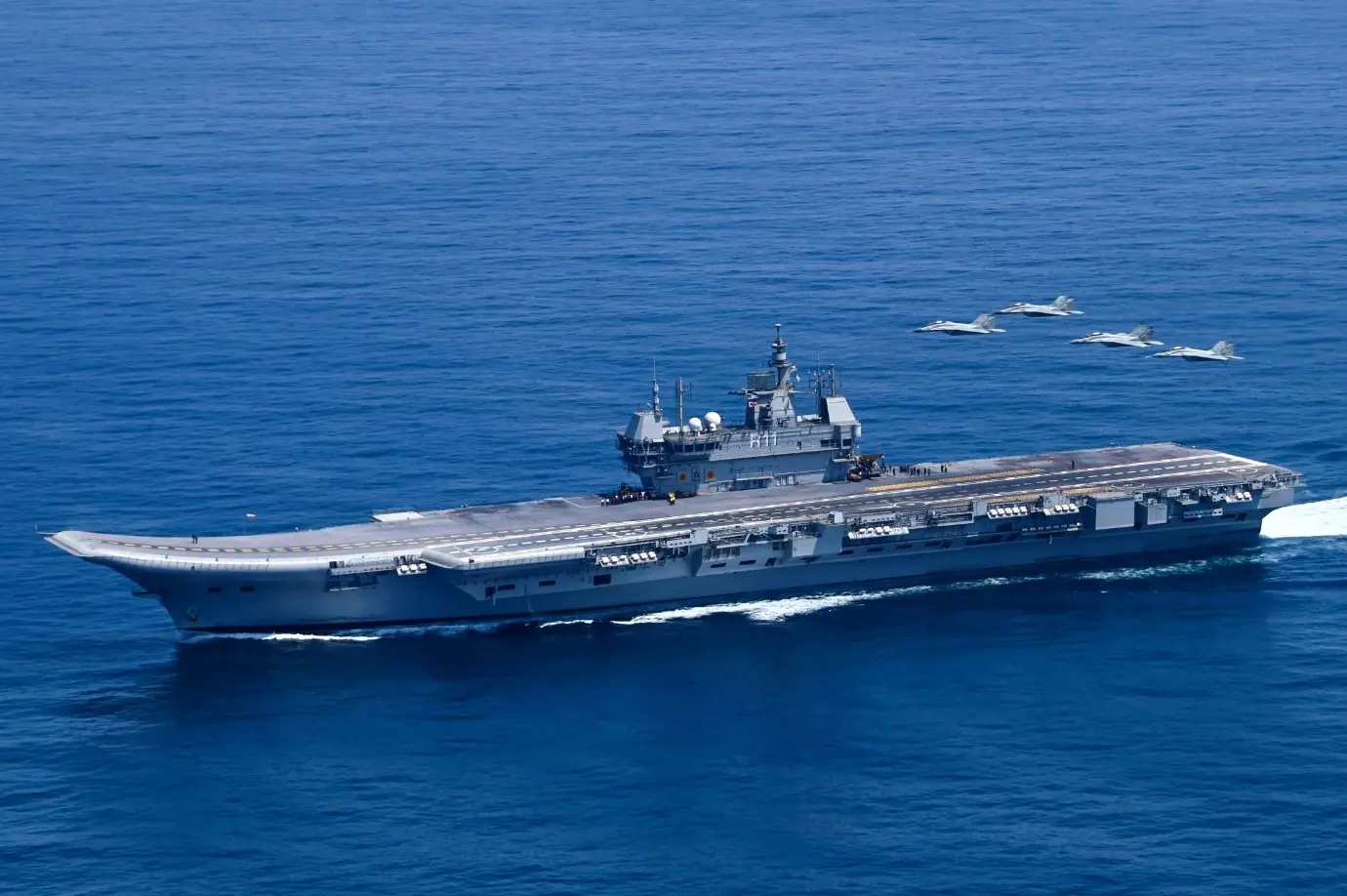
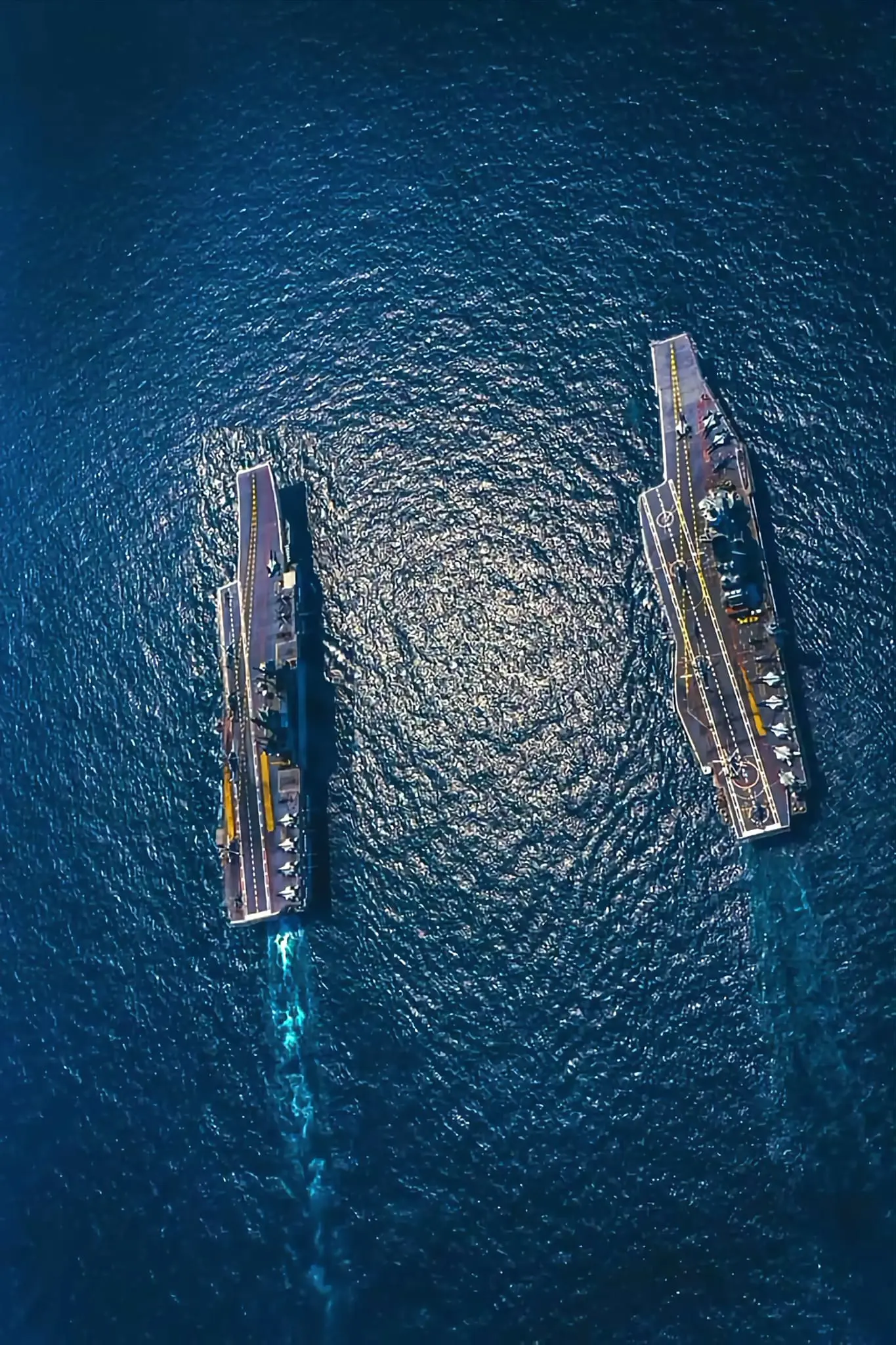
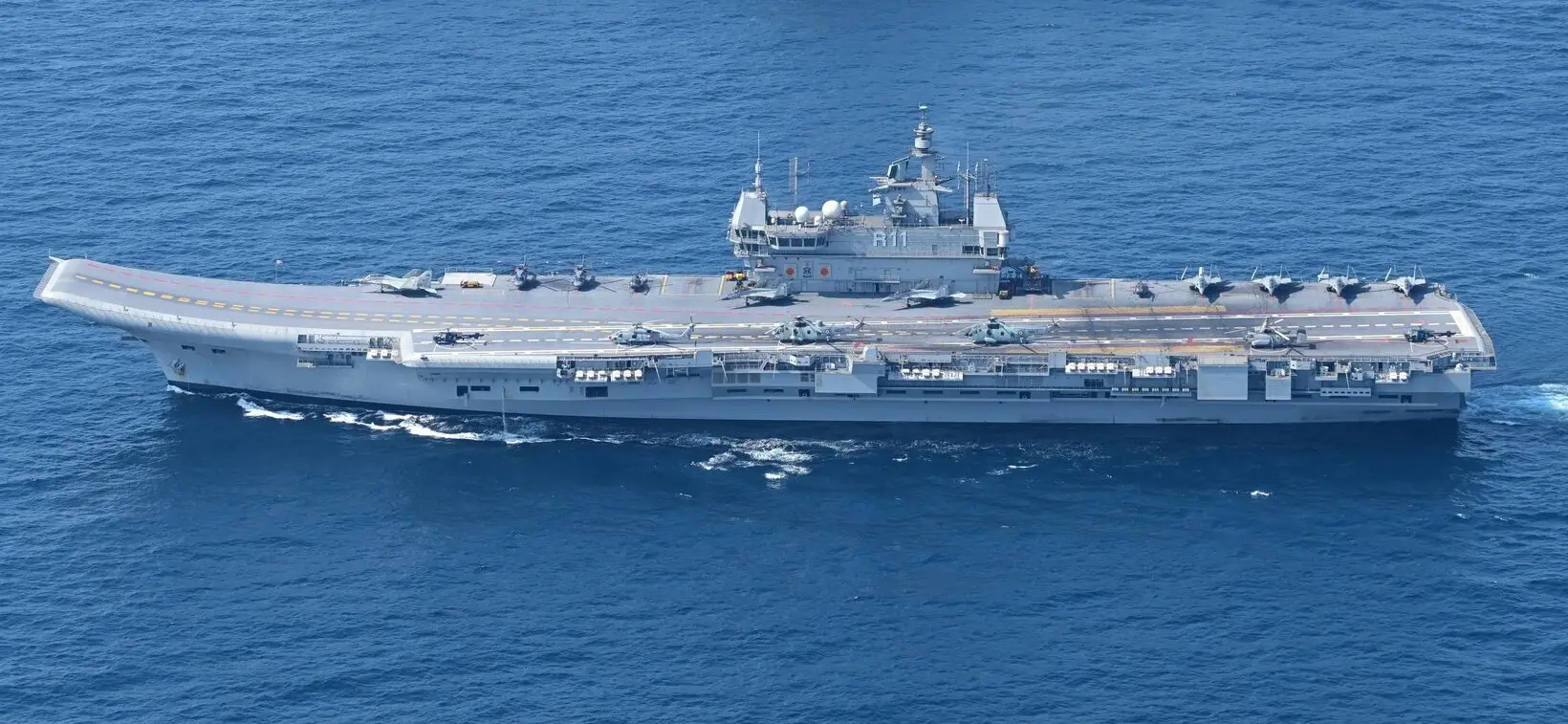
Commissioned in September 2022, INS Vikrant displaces about 45,000 tonnes and stretches 262 metres in length, roughly the size of two football fields. It is powered by four General Electric LM2500 gas turbines generating 88 MW of power, enough to light up a medium-sized city. Vikrant operates on the STOBAR (Short Take-Off but Arrested Recovery) system, enabling MiG-29K fighters and naval helicopters such as the MH-60R to operate from its deck. The carrier houses 14 decks, including accommodation for 1,700 personnel, and integrates advanced sensors, combat management systems, and air traffic control facilities rivaling those on land.
A floating city of Indian innovation
Beyond its military might, INS Vikrant is a self-contained ecosystem at sea. It has its own hospital, kitchens, workshops, desalination plants, and air conditioning systems capable of supporting extended missions. The ship’s indigenous combat system, developed by Bharat Electronics Limited, integrates radar, electronic warfare, and weapons control. Its aviation complex can handle over 30 aircraft, supported by two massive aircraft lifts, each capable of hoisting a 30-tonne jet to the flight deck within seconds.
Symbol of Atmanirbhar Bharat
INS Vikrant stands as one of the most complex engineering achievements in independent India’s history, representing the spirit of Atmanirbhar Bharat (self-reliant India). More than 500 Indian companies, from Larsen & Toubro to small suppliers across 18 states, contributed to its creation. The project also enhanced India’s industrial base, generating thousands of jobs and new naval technologies, including automated control systems and damage-management software.
The path ahead: India’s next carrier vision
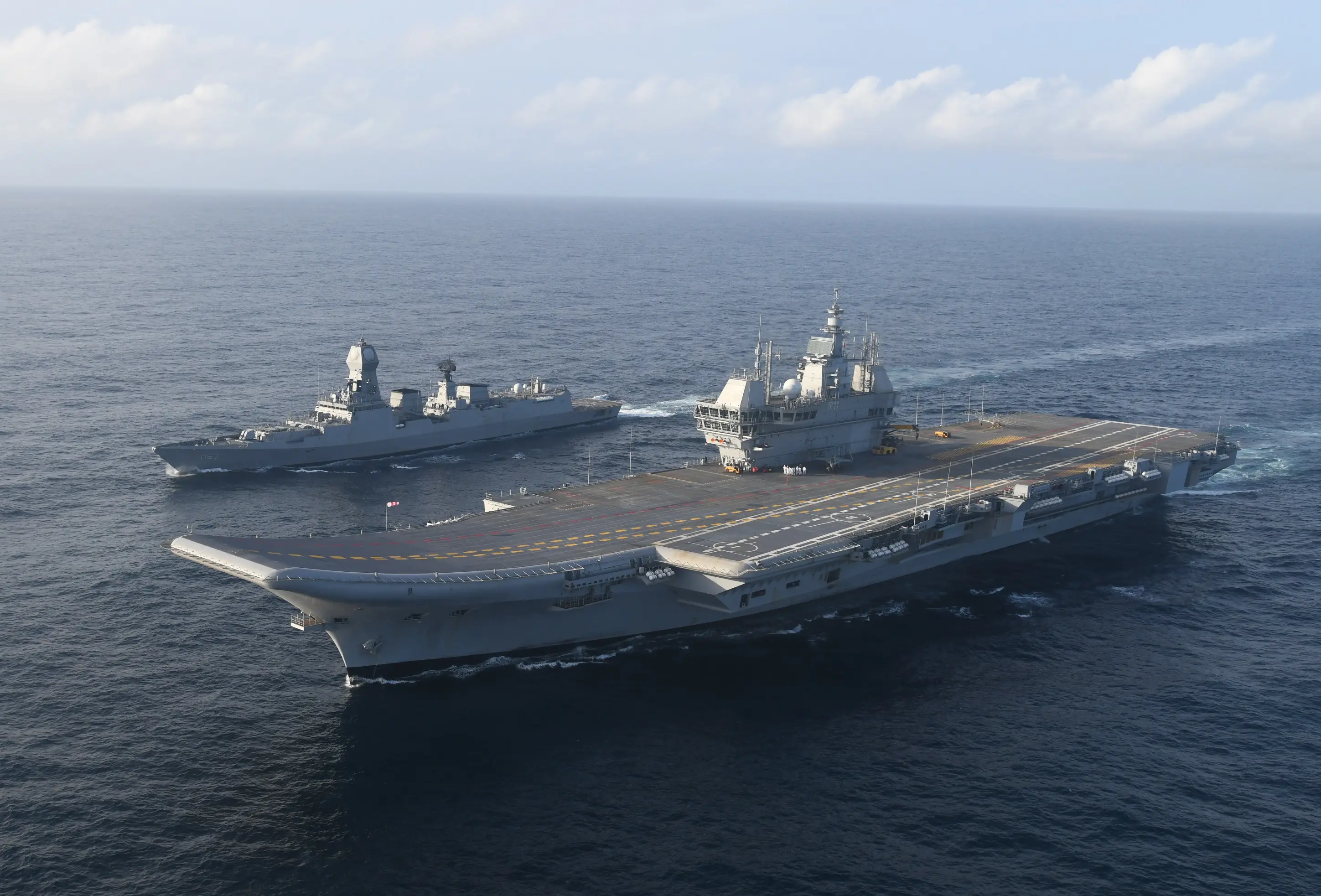
With Vikrant now fully operational, India has set its sights on a larger, more advanced carrier, INS Vishal. Planned as a 65,000-tonne vessel equipped with electromagnetic catapults (EMALS) and next-generation aircraft, it will place India among the elite nations capable of fielding supercarriers.
)
)
)
)
)