India's military expenditure and China's booming global arms export market

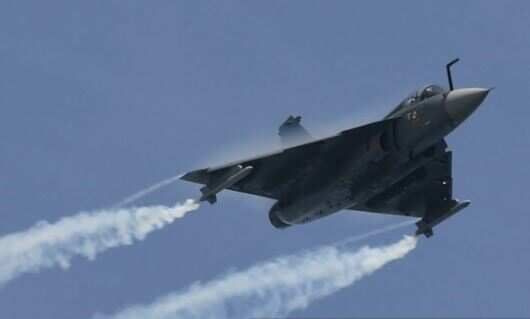
India’s military spending
According to Stockholm International Peace Research Institute (SIPRI), India’s military spending of $76.6 billion ranked third highest in the world.
India's military expenditure was up 0.9 per cent from 2020 and by 33 per cent from 2012.
"In a push to strengthen the indigenous arms industry, 64 per cent of capital outlays in the military budget of 2021 were earmarked for acquisitions of domestically produced arms," the thinktank said.
China, the world’s second largest spender allocated an estimated $293 billion to its military in 2021- an increase of 4.7 per cent compared with 2020.
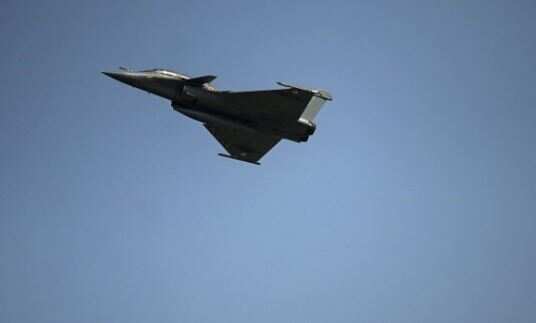
Russia’s exports concentrated on four countries
In a report on arms transfer, SIPRI had said Russia delivered major arms to 45 states from 2017–21.
In contrast to the USA, Russia’s exports in 2017–21 were more concentrated as four states - India, China, Egypt and Algeria—together received 73 per cent of total Russian arms exports.
In 2017–21 China accounted for 4.6 per cent of total global arms exports. Chinese arms exports decreased by 31 per cent between 2012–16 and 2017–21.
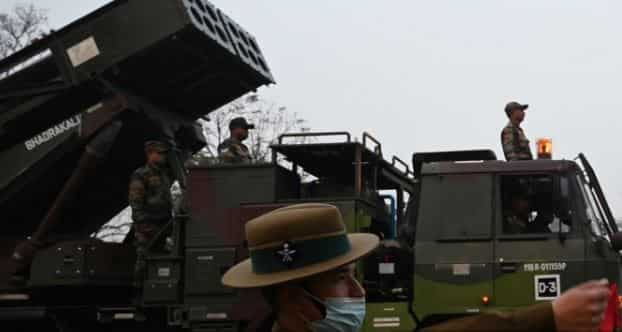
India’s arms imports from France
Between 2012–16 and 2017–21 Indian arms imports decreased by 21 per cent. Despite this, India was the world’s largest importer of major arms in 2017–21 and accounted for 11 per cent of total global arms imports in the period, it said.
Russia was the largest supplier of major arms to India in both 2012–16 and 2017–21, but India’s imports of Russian arms dropped by 47 per cent between the two periods as several large programmes for Russian arms wound down.
Also, India’s arms imports from France increased more than tenfold making it India’s second largest arms supplier in 2017–21.
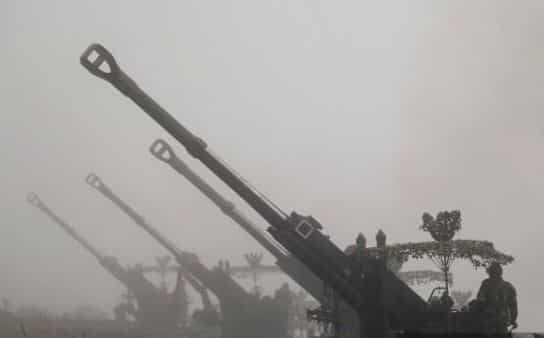
Most Chinese arms export to Pakistan
In 2017–21, China accounted for 4.6 per cent of total global arms exports. Chinese arms exports decreased by 31 per cent between 2012–16 and 2017–21.
China delivered major arms to 48 states in 2017–21, but 47 per cent of its arms exports went to just one state - Pakistan which is China’s closest ally.
"Pakistan has become increasingly reliant on Chinese arms exports, partly because of the recent deterioration in its relations with other suppliers, most notably the USA," the report said.
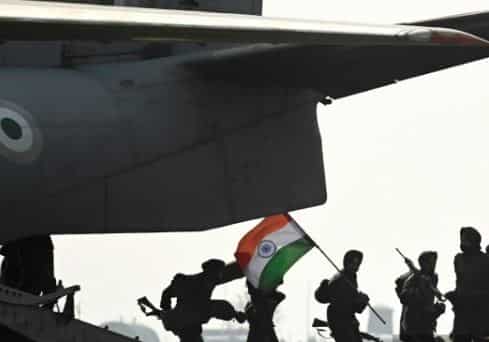
Top five arms importers
SIPRI identified 163 states as "importers" of major arms in 2017–21.
The top five arms importers — India, Saudi Arabia, Egypt, Australia and China together received 38 per cent of total global arms imports in 2017–21 and the top 10 received 55 per cent.

Military spending in Europe and Russia surges
Military spending in Europe and Russia surged in the run-up to Moscow's invasion of Ukraine despite the subduing effects of the pandemic on economic growth, data published by SIPRI showed.
It has also paved the way for a potential expansion of NATO military alliance to include Finland and Sweden.
The biggest effect of increased military budgets is likely to be visible in the coming years, but spending was already on the rise in 2021 amid heightened tensions in the run up to Russia's invasion.
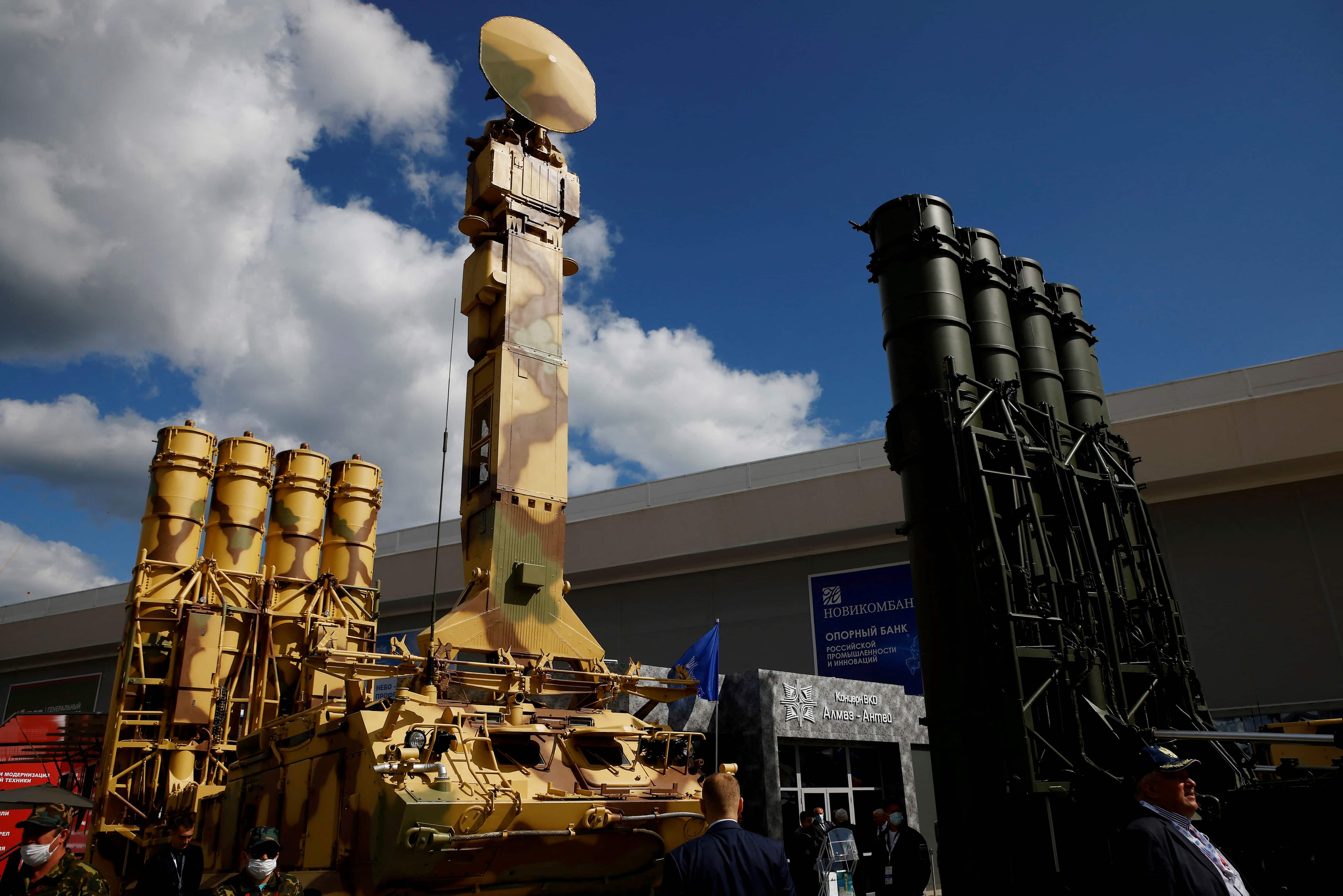
Global military spending topped $2 trillion
In fact, global military spending topped $2 trillion for the first time ever last year, reaching $2,113 billion, up 0.7 per cent from 2020, as expenditure rose for the seventh straight year, the defence thinktank said.
Russia lifted its military outlay by 2.9% in 2021 to $65.9 billion as it built up its forces along the Ukrainian border, SIPRI said. It was the third consecutive year of growth in Russia's military spending, which reached 4.1 per cent of GDP in 2021.
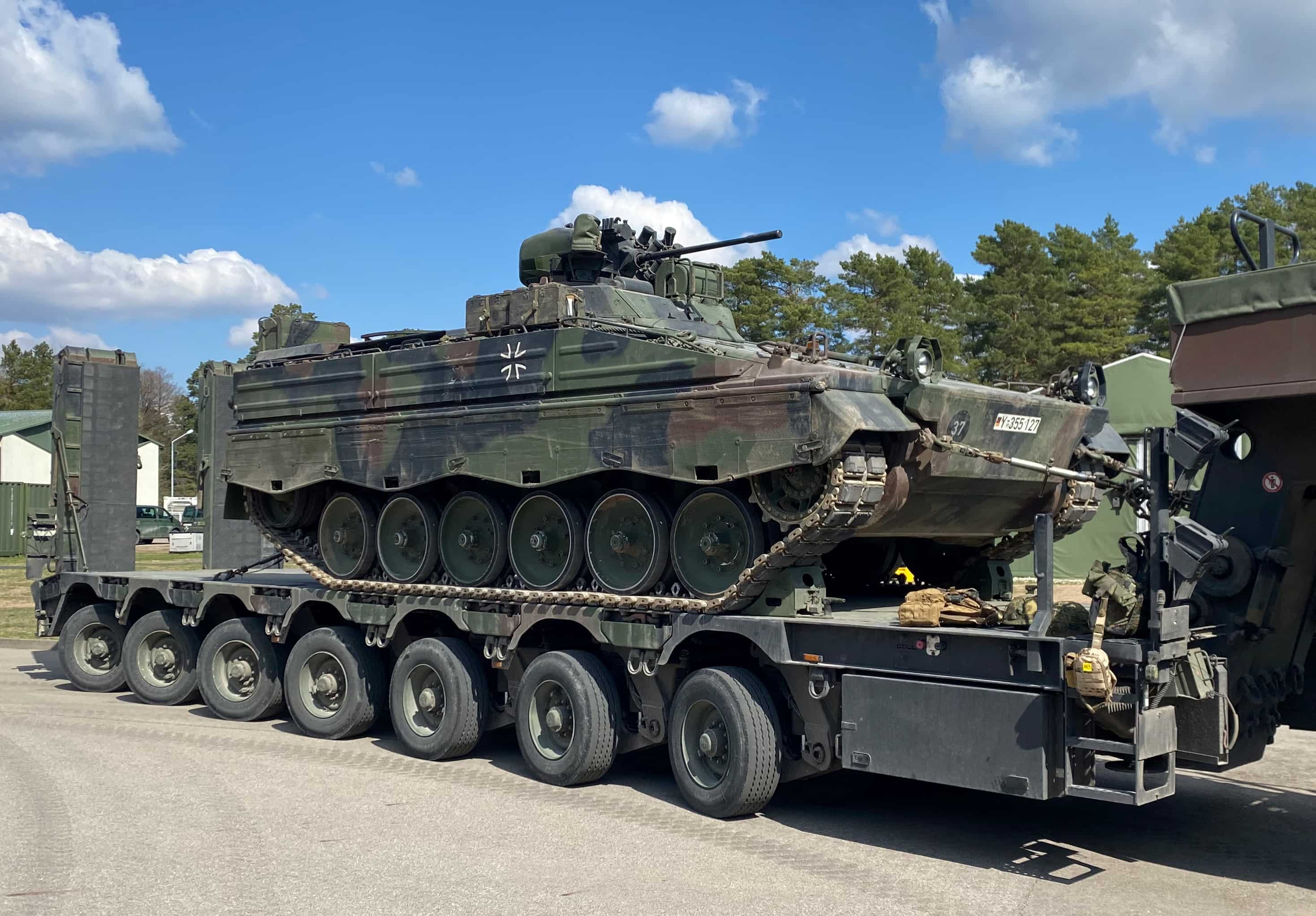
Ukraine spent $5.9 billion on its military in 2021
Russia remained in fifth spot in terms of global military spending, behind the United States, China, India and the United Kingdom.
Ukraine spent $5.9 billion on its military in 2021, less than one tenth of Russia's budget, according to SIPRI.
Total military spending in Europe amounted to $418 billion and has been rising sharply since Russia's annexation of Crimea in 2014. Military budgets rose 3.0% from 2020 and stood 19 per cent higher than in 2012, SIPRI informed.
Germany the third largest spender in central and western Europe spent $56 billion on its military in 2021, or 1.3 per cent of its GDP. Military spending was 1.4 per cent lower compared with 2020 due to inflation.
)
)
)
)
)