India set to launch first-ever 10-coach hydrogen train on Haryana’s Jind-Sonipat route | In Pics

India’s first hydrogen-powered train is set to launch on the Jind-Sonipat route after receiving approval from the Ministry of Railways. Developed in India, the train produces zero emissions and positions the country among global leaders using hydrogen-powered rail technology.
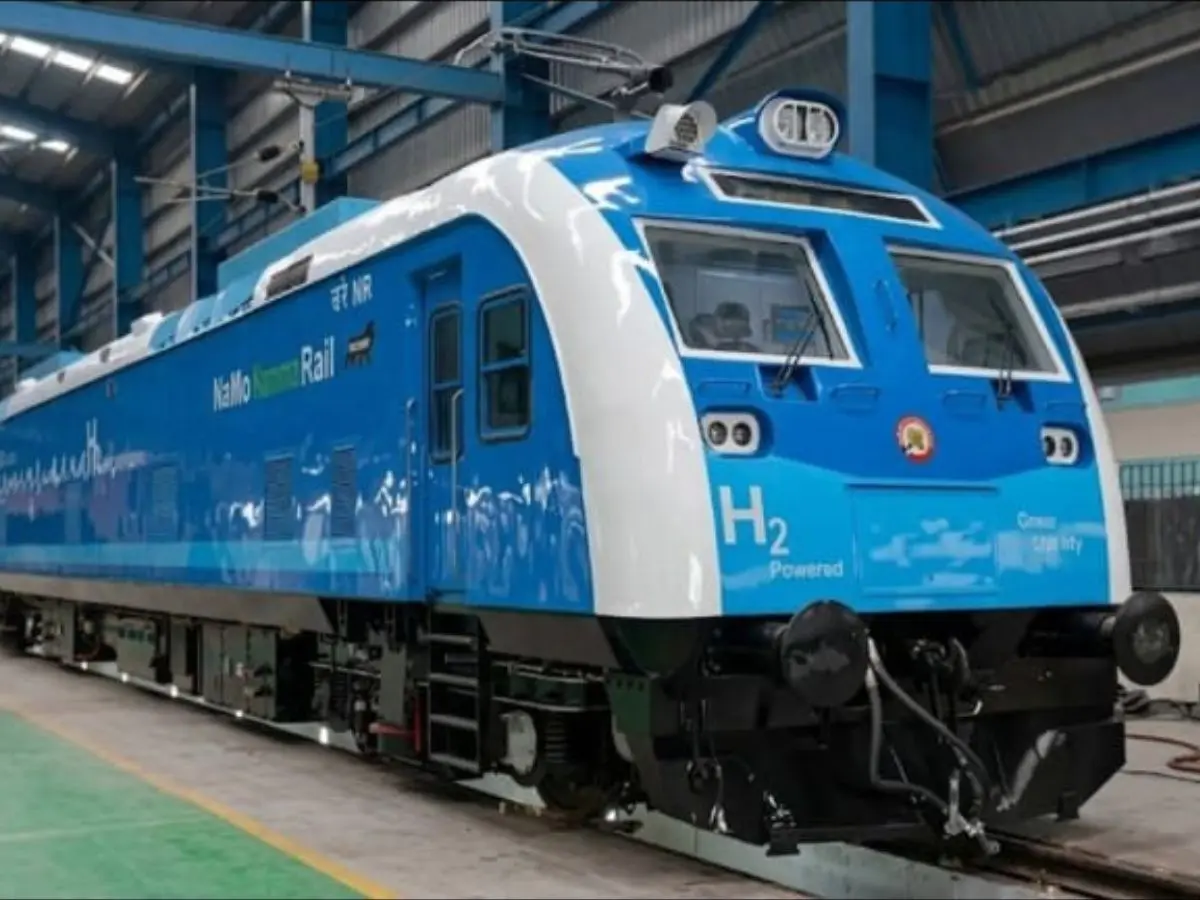
Milestone for Indian Railways
The launch of India’s first hydrogen-powered train has been approved by the Railway Ministry. The 10-coach DEMU (Diesel-Electric Multiple Unit) trainset will run between Jind and Sonipat in Haryana under the Northern Railway zone.
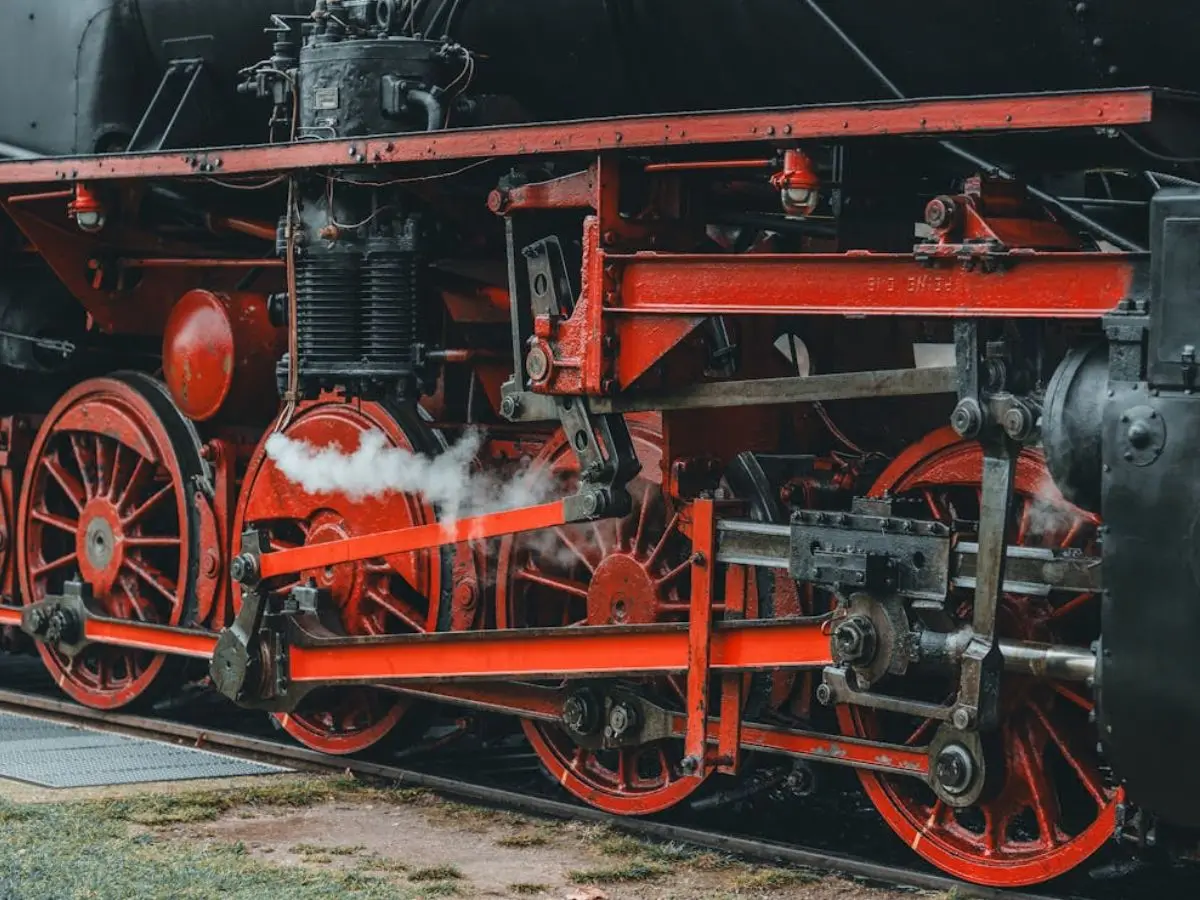
Zero emissions
The train will use hydrogen fuel cells to generate power instead of diesel or electricity-based traction. This will result in zero carbon emissions, with water vapour being the only byproduct, making it a sustainable alternative to conventional rail transport.
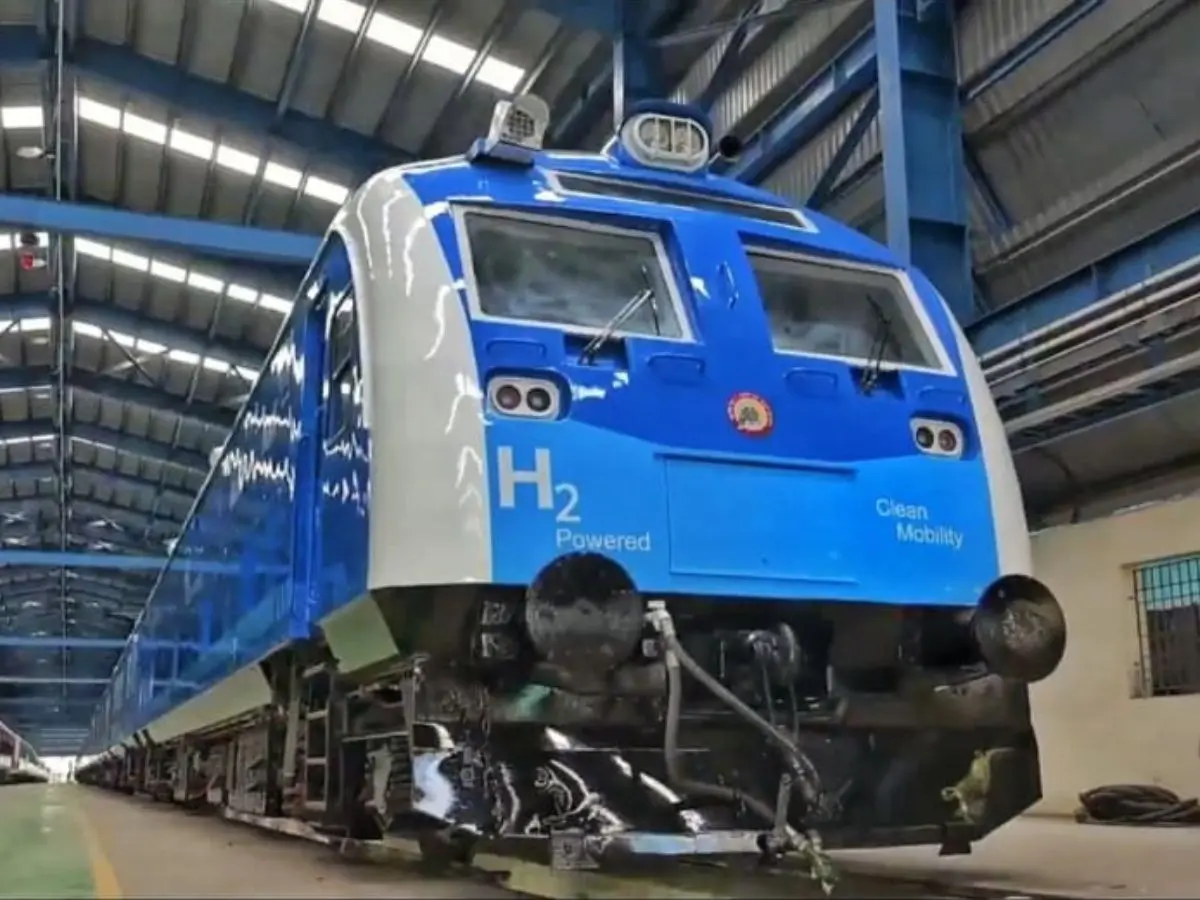
Advanced technology
The train is expected to run at a maximum speed of 75 kmph, while its total power output is reportedly 2,400 kilowatts, split between two Driving Power Cars.
“Hydrogen for Heritage”
The hydrogen train is part of Indian Railways’ ambitious “Hydrogen for Heritage” initiative, which aims to deploy around 35 hydrogen-powered trainsets across heritage and mountain routes. The project is designed to reduce dependence on fossil fuels while supporting India’s broader green energy goals.
Made in India
The train systems are indigenous to India, having been designed by the Research Designs and Standards Organisation (RDSO) and set to be manufactured at the Integral Coach Factory (ICF) in Chennai. Reports describe it as the world’s longest hydrogen train set on a broad-gauge network and among the most powerful hydrogen passenger train systems developed so far.
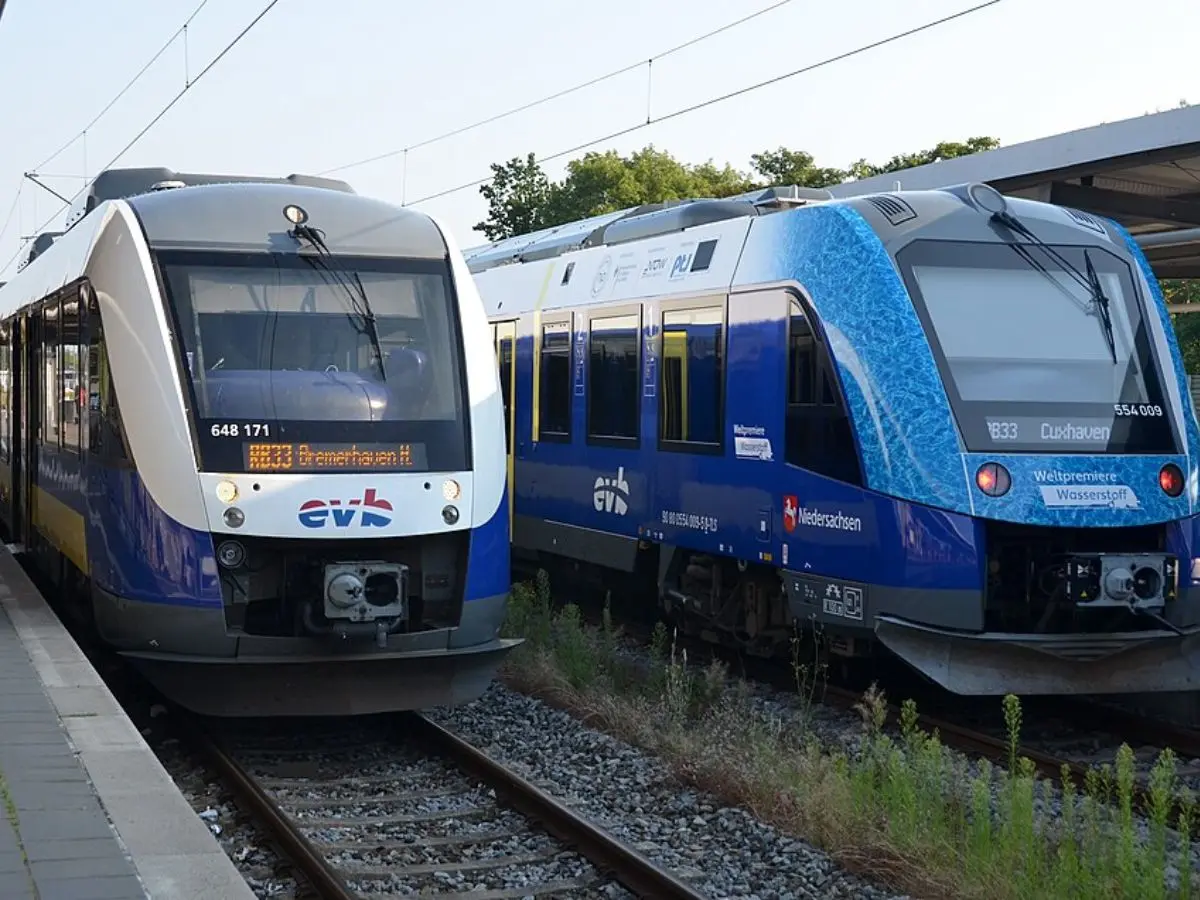
Other countries using hydrogen trains
India is now set to join a select group of countries deploying hydrogen-powered rail technology. Germany pioneered the world’s first commercial hydrogen passenger train in 2018. Today, countries such as China, Japan and the United States also operate hydrogen-powered trains.
)
)
)
)
)