India’s oil dependency: How much power does Saudi Arabia & Pakistan really hold after defence pact?

As a leading member of OPEC+, Saudi Arabia has major influence on global oil prices through production cuts or increases. Any shift in Riyadh’s policy can directly affect India’s fuel costs and inflation levels.
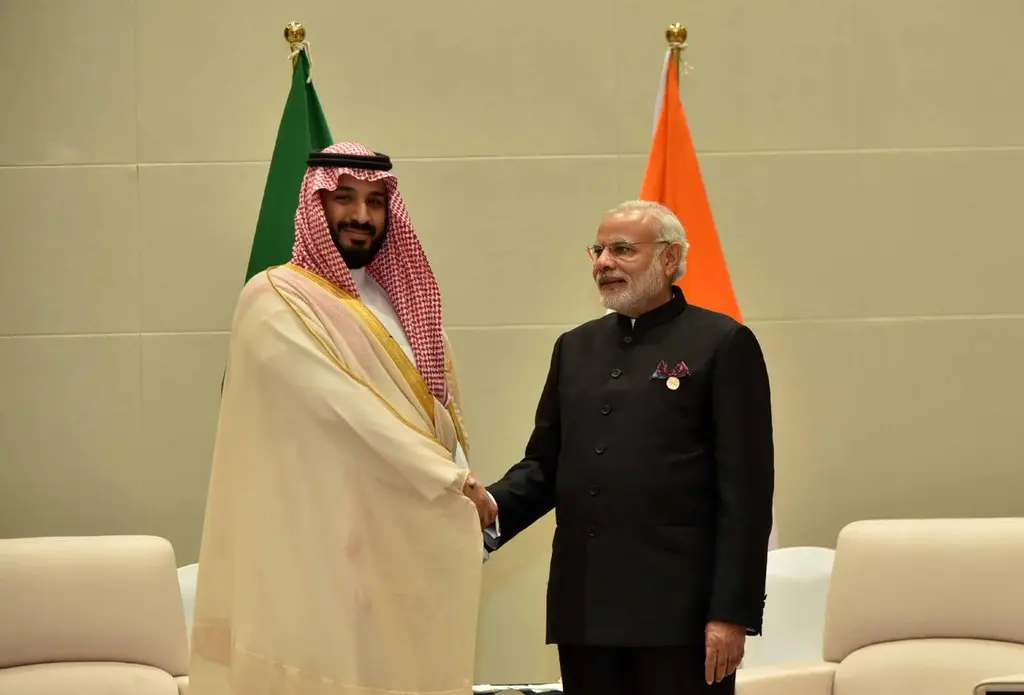
1. India’s Crude Import Reliance
India imports nearly 85 per cent of its crude oil needs, making it heavily dependent on external suppliers. Saudi Arabia consistently ranks among the top three suppliers, providing around 16–20 per cent of India’s total imports.
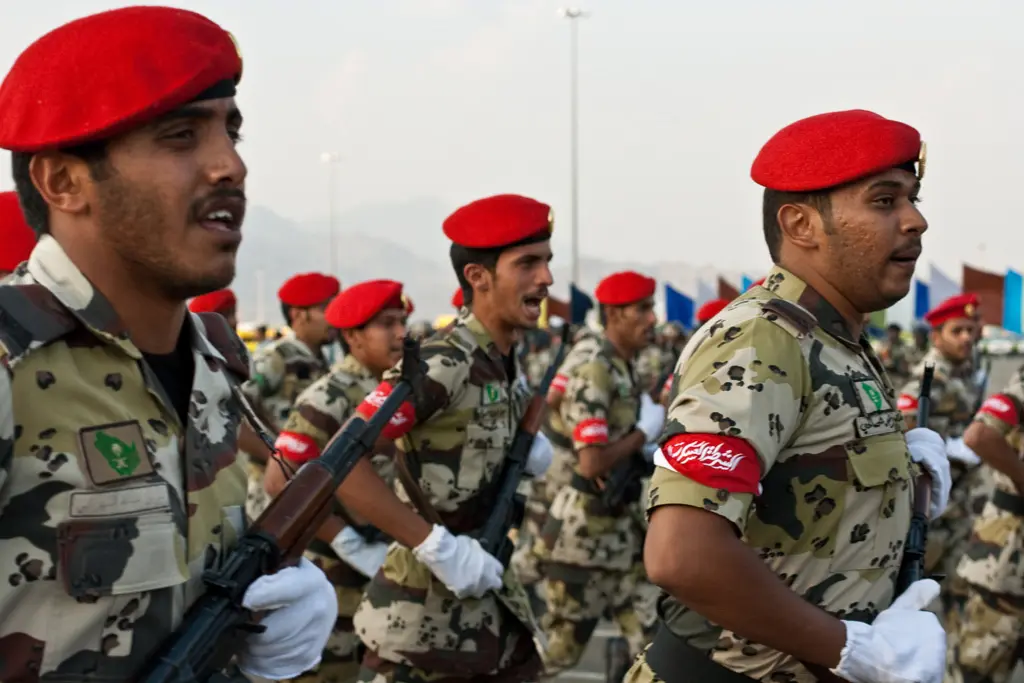
2. Saudi Arabia’s Role in OPEC+
As a leading member of OPEC+, Saudi Arabia has major influence on global oil prices through production cuts or increases. Any shift in Riyadh’s policy can directly affect India’s fuel costs and inflation levels.
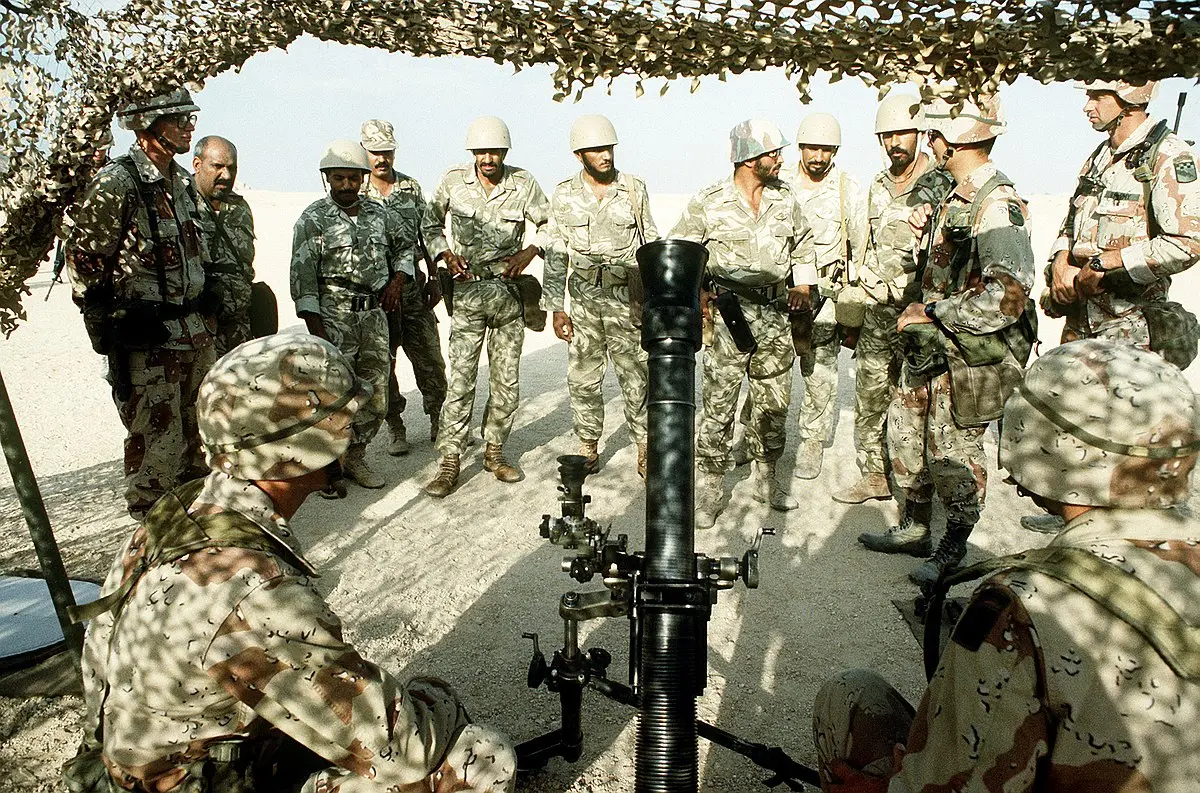
3. Energy Security Risks
India’s growing energy demand means continued reliance on Gulf suppliers. If Saudi Arabia restricts supply during a crisis, India would need to source from costlier alternatives like the U.S., Africa, or Latin America, raising import bills.
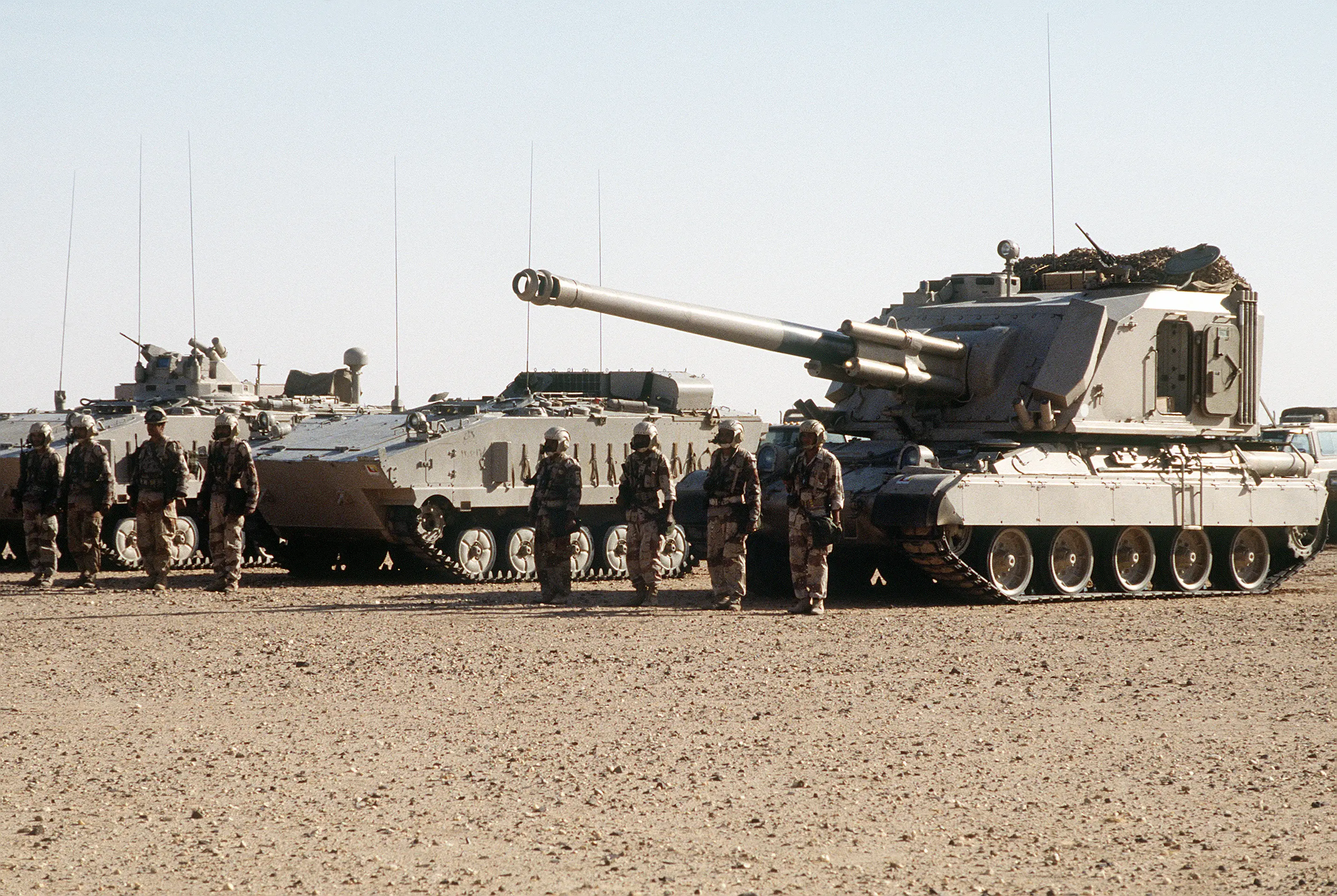
4. Diversification Efforts
India has diversified imports in recent years, buying more from Iraq, Russia, and the US This reduces Saudi Arabia’s leverage somewhat, but Riyadh remains a critical supplier due to proximity and stable shipping routes.
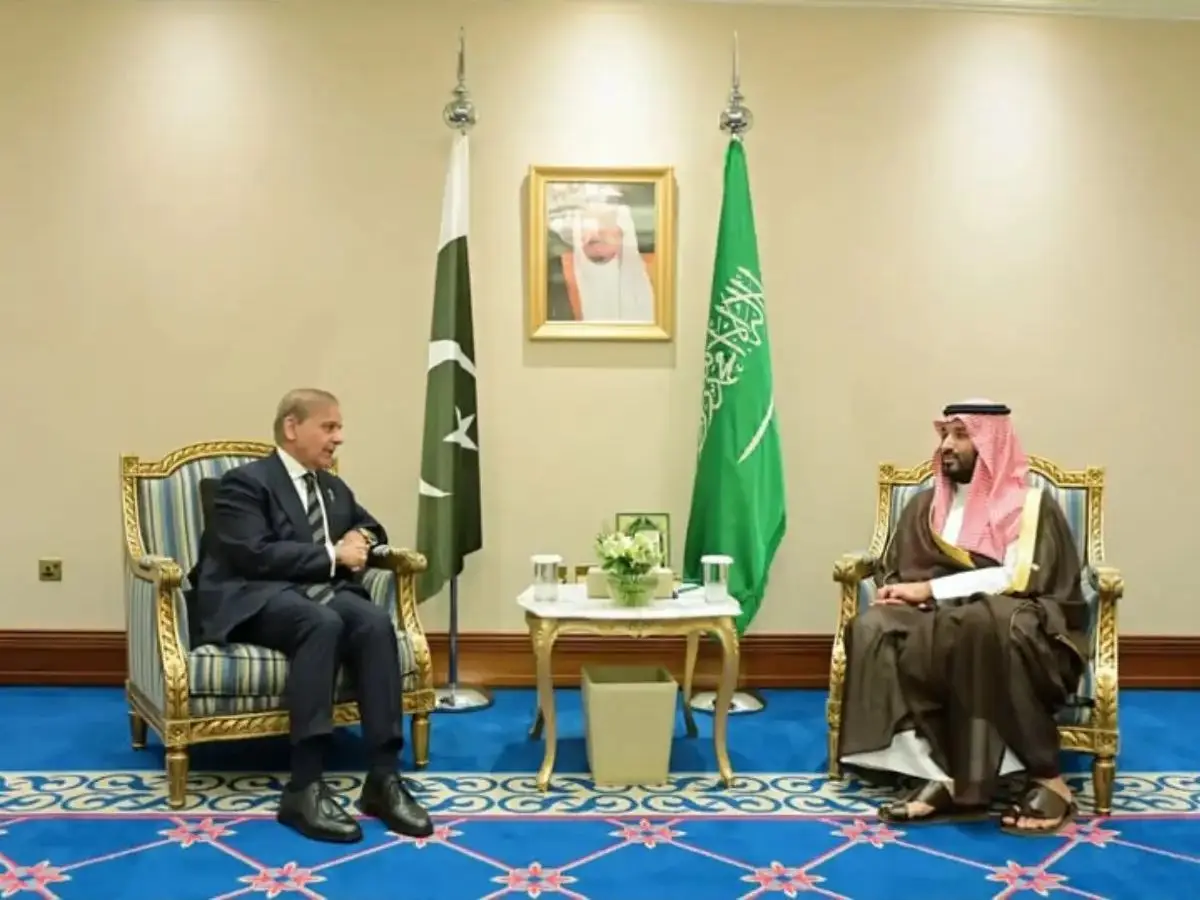
5. The Refining Link
Indian refineries are optimised for processing Middle Eastern crude, especially Saudi grades. Switching away abruptly would create technical and financial hurdles, reinforcing Riyadh’s influence over Indian supply chains.
6. Strategic Oil Reserves
India maintains strategic petroleum reserves equal to about 10 days of imports, with plans to expand. While this provides some cushion against supply shocks, it is limited compared to the scale of dependency on Saudi imports.
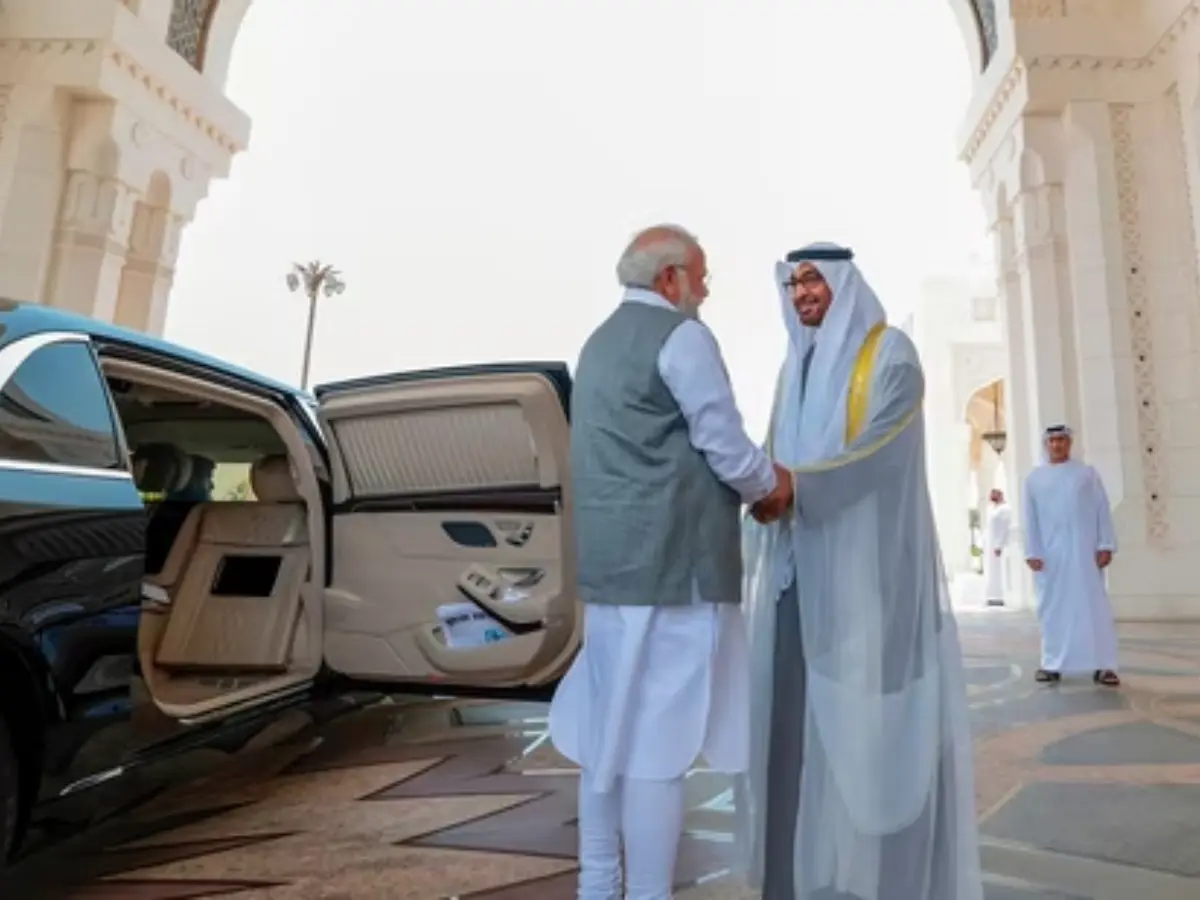
7. Mutual Dependence
Saudi Arabia also benefits from India as a stable, long-term buyer. Cutting off oil would hurt Riyadh’s revenues and undermine its Vision 2030 diversification plans. This interdependence means Saudi Arabia’s power is significant but not absolute.
)
)
)
)
)