India’s 79th Independence Day 2025: How India surpassed Pakistan in the space race

The story of how these paths diverged is also a story of governance, vision, and priorities, one that underscores how national choices made after independence have shaped their place among the stars.
Introduction
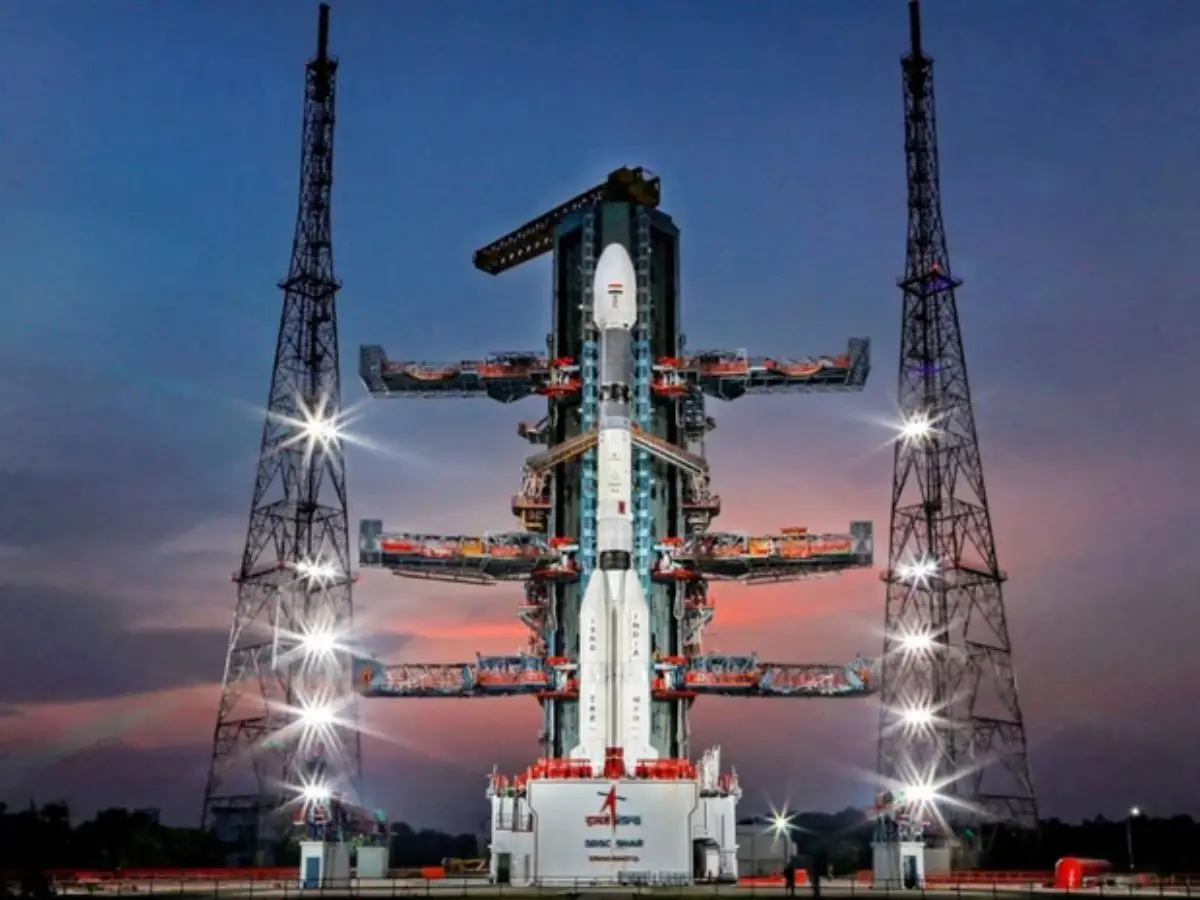
As Pakistan marks its 78th Independence Day on August 14 and India prepares to celebrate its 79th tomorrow, the two neighbours, once bound by shared history, stand worlds apart in the space race. Six decades ago, Pakistan took an early lead, launching a rocket before India. Today, India is landing probes on the Moon while Pakistan’s programme struggles for relevance. The story of how these paths diverged is also a story of governance, vision, and priorities, one that underscores how national choices made after independence have shaped their place among the stars.
A Shared Dawn and Diverging Trajectories
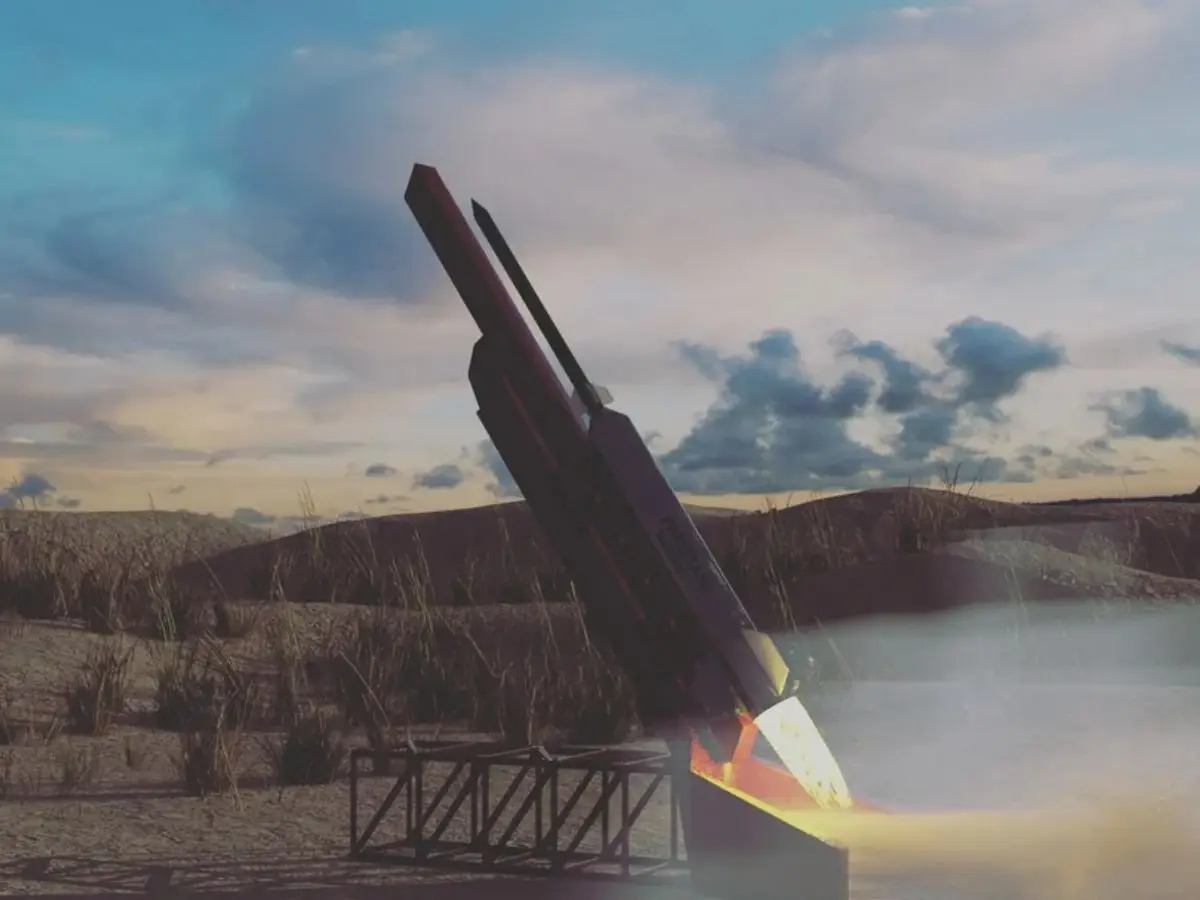
When India and Pakistan gained independence in 1947, both inherited a shared piece of the subcontinent, and a common ambition: to harness space. Pakistan’s programme, SUPARCO, launched its first sounding rocket, Rehbar-I, on 7 June 1962, becoming the third country in Asia to do so. India’s space aspirations followed closely with the formation of INCOSPAR in 1962, evolving into ISRO in 1969, but with a focus on peaceful, civilian applications
The Rise of Power vs the Withering of Promise
While Pakistan's early lead was commendable, the trajectory soon faltered. In the 1970s, SUPARCO was starved of funds as national priorities shifted toward the nuclear programme; subsequent political neglect further eroded its momentum. Meanwhile, India’s ISRO thrived with consistent government support, progressively building capabilities in satellites, launch vehicles, and exploration.
Delivering Results: From Moon to Mars and Beyond
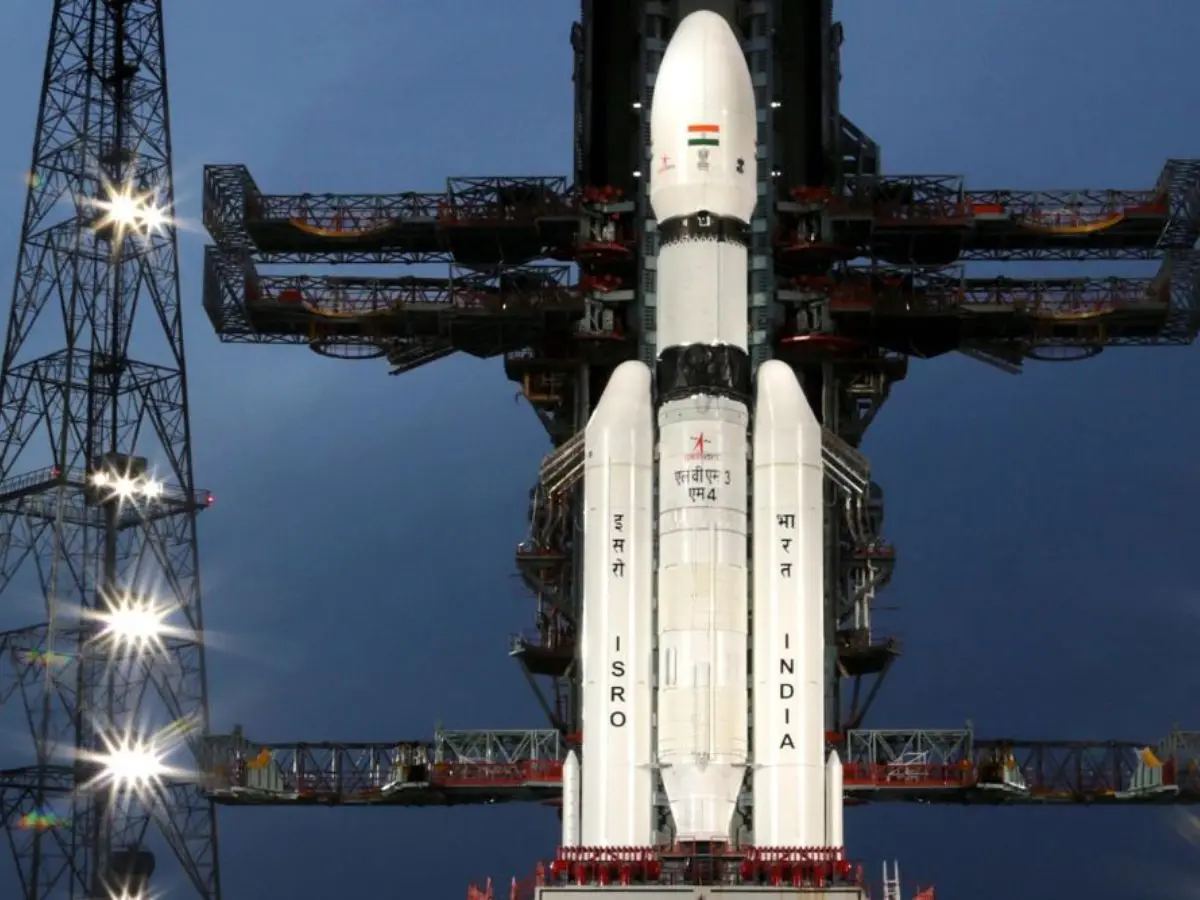
India’s accomplishments have been striking. The successful Chandrayaan-3 landing near the Moon’s south pole placed India among elite space-faring nations. In 2025, ISRO marked its 100th launch from Sriharikota, completed SpaDEX docking operations, and expanded the NavIC navigation system. The agency is also leading international missions like ESA’s Proba-3 aboard Indian rockets
Looking Ahead: Humans, Stations, and Sample Returns
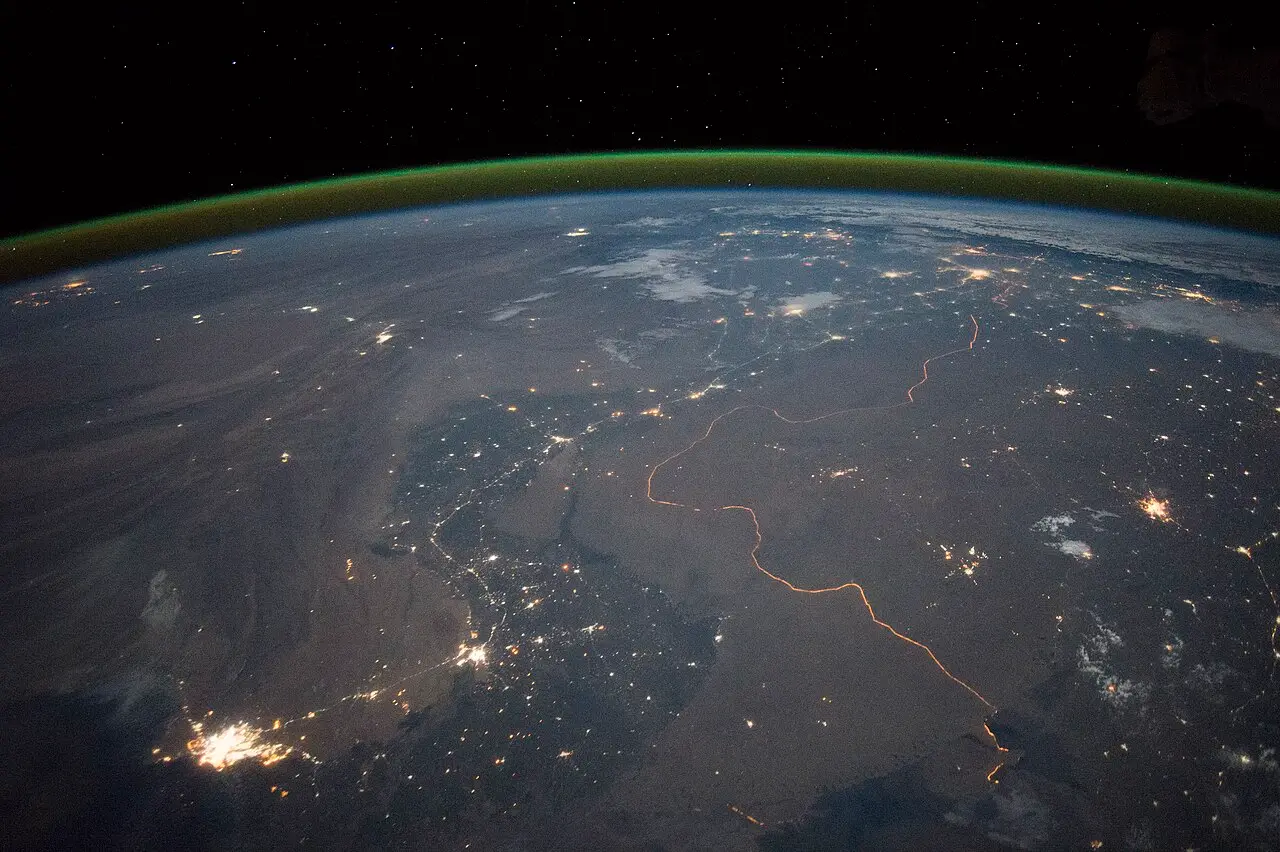
India’s ambitions now reach even farther. Budget for the Gaganyaan human spaceflight has doubled to $2.32 billion, with plans for up to eight missions and a national space station by 2035. By 2027, ISRO aims to fly its first crewed mission (Gaganyaan-4) in low Earth orbit. Over the next decade, Chandrayaan-4 (sample return), Chandrayaan-5 (joint with Japan), Venus mission, and ultimately a manned lunar mission by 2040 are on the horizon.

SUPARCO: Stuck in Orbit
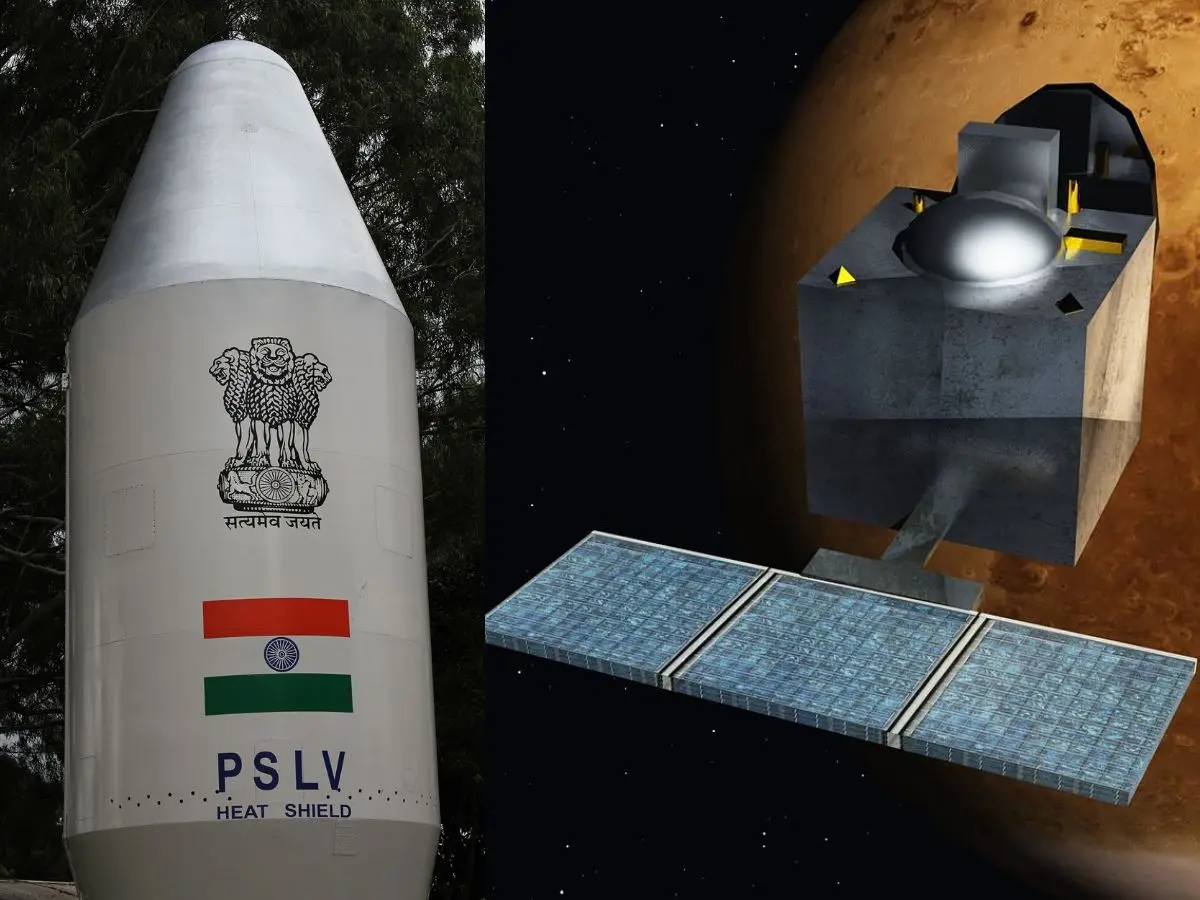
By contrast, Pakistan’s space programme remains limited. SUPARCO’s initial successes, including Badr-I (1990) and PAKSAT-1R (2011), are overshadowed by lack of follow-through, underfunding, and militarisation. The agency’s Space Vision 2040 aims for more satellites but lacks momentum.
Strategic and National Impact
For India, space is not just about exploration—it supports national security, disaster management, agriculture, communications, and more. ISRO’s 56 operational satellites were even instrumental in Operation Sindoor, demonstrating its critical role across sectors. SUPARCO’s focus, in contrast, is fragmented and marginalised.
From Independence to Global Influence
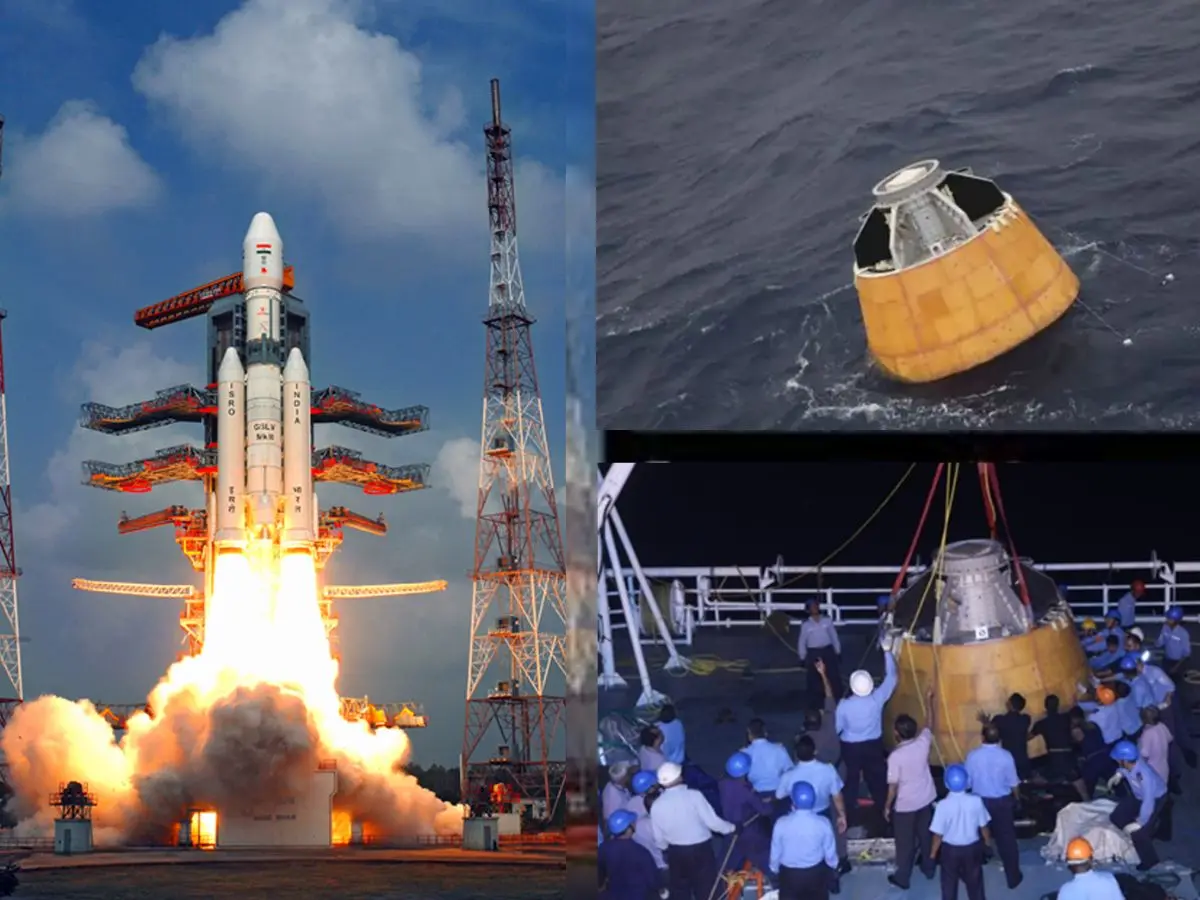
Seventy-nine years post-independence, India is on the cusp of joining the elite club of human space-faring nations, defined by ambition, execution, and partnership. Pakistan’s initial burst of promise has long given way to drift. As India celebrates its 79th Independence Day in 2025, it does so not just as a sovereign nation, but as a rising space power, leaving its sibling across Wagah in the wake of cosmic progress.
)
)
)
)
)