India-Russia Summit 2025: 7 ways a nuclear attack submarine enhances India's naval power

India has concluded a $2-billion agreement with Russia to lease a nuclear-powered attack submarine. Public reports do not specify the vessel’s name or class.
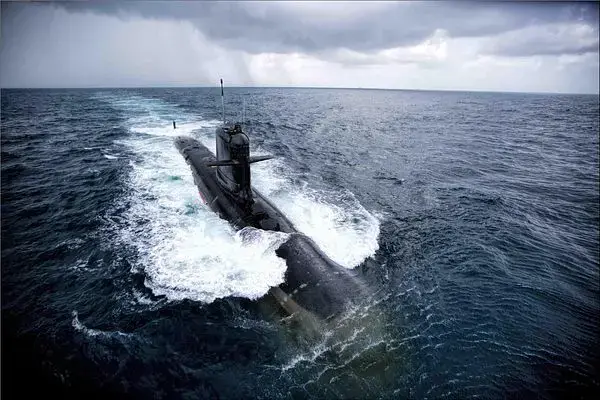
1. Extended underwater endurance for long patrols
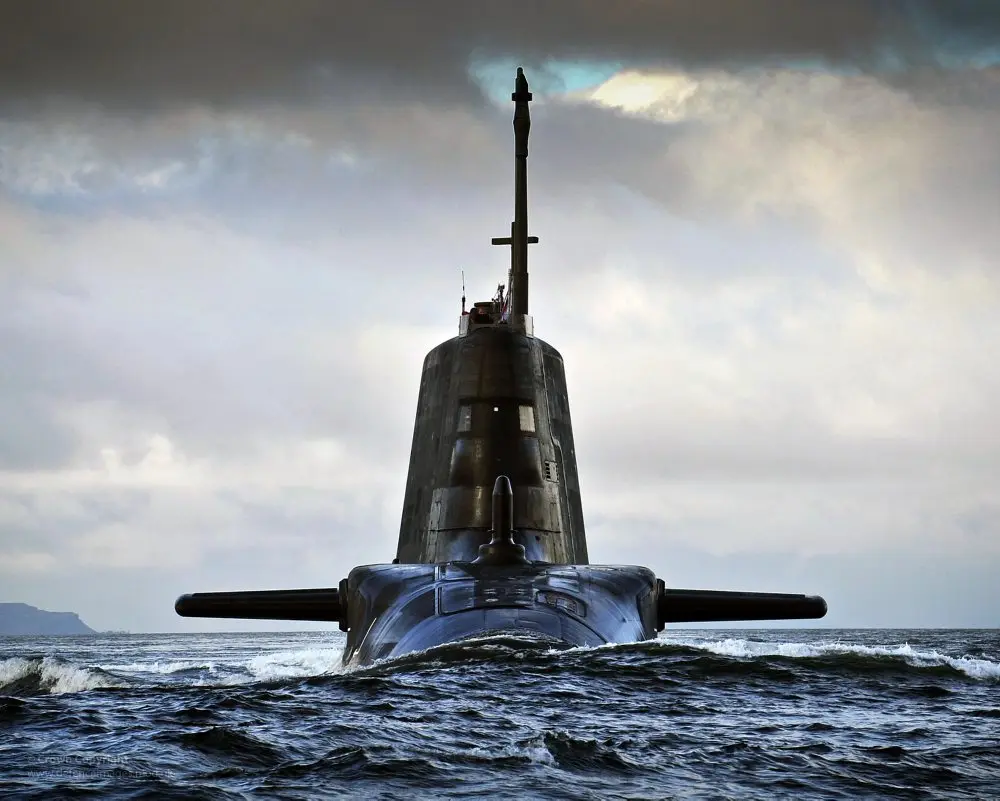
A nuclear-propelled attack submarine can remain submerged for far longer periods than diesel-electric boats because it does not need to surface for fuel or battery recharge. Endurance is then limited mainly by food and crew supplies, enabling prolonged, persistent patrols.
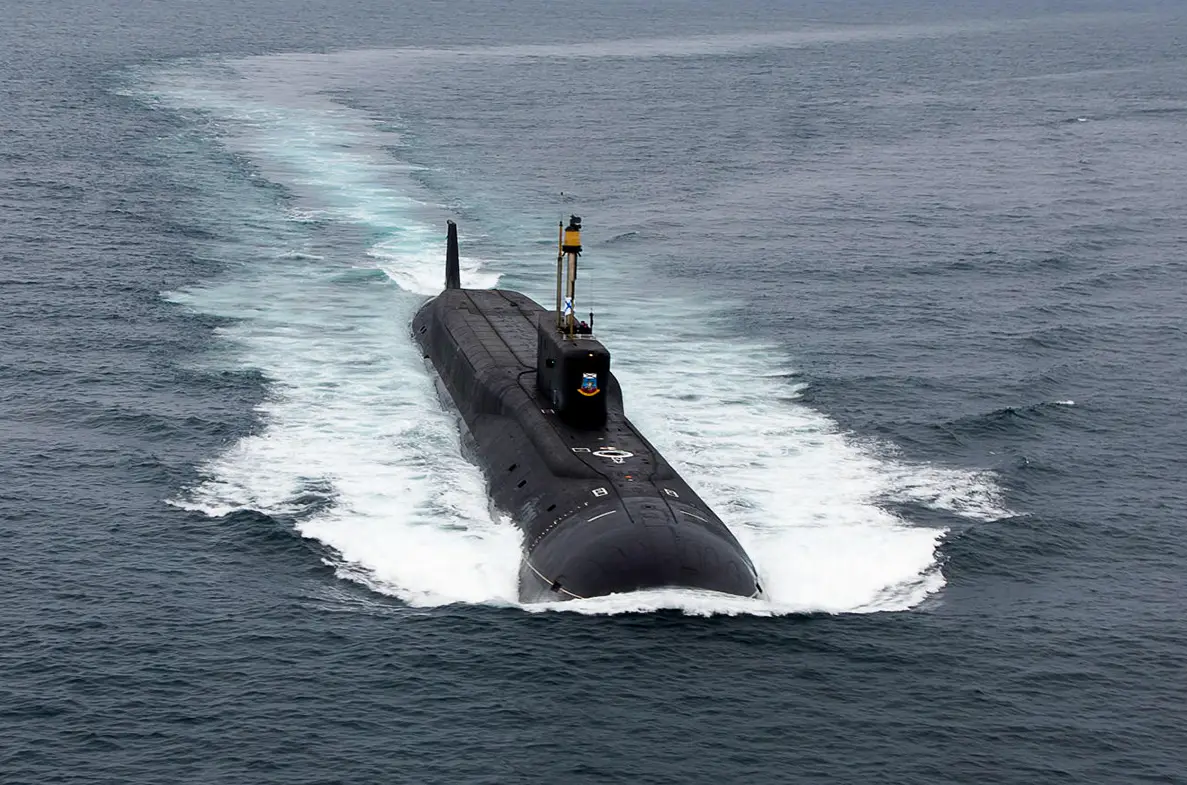
2. Faster mobility and wider operational reach
Nuclear propulsion delivers sustained higher transit speeds, allowing quicker redeployment across distant maritime zones. This mobility improves responsiveness to contingencies and shortens transit times between patrol sectors.
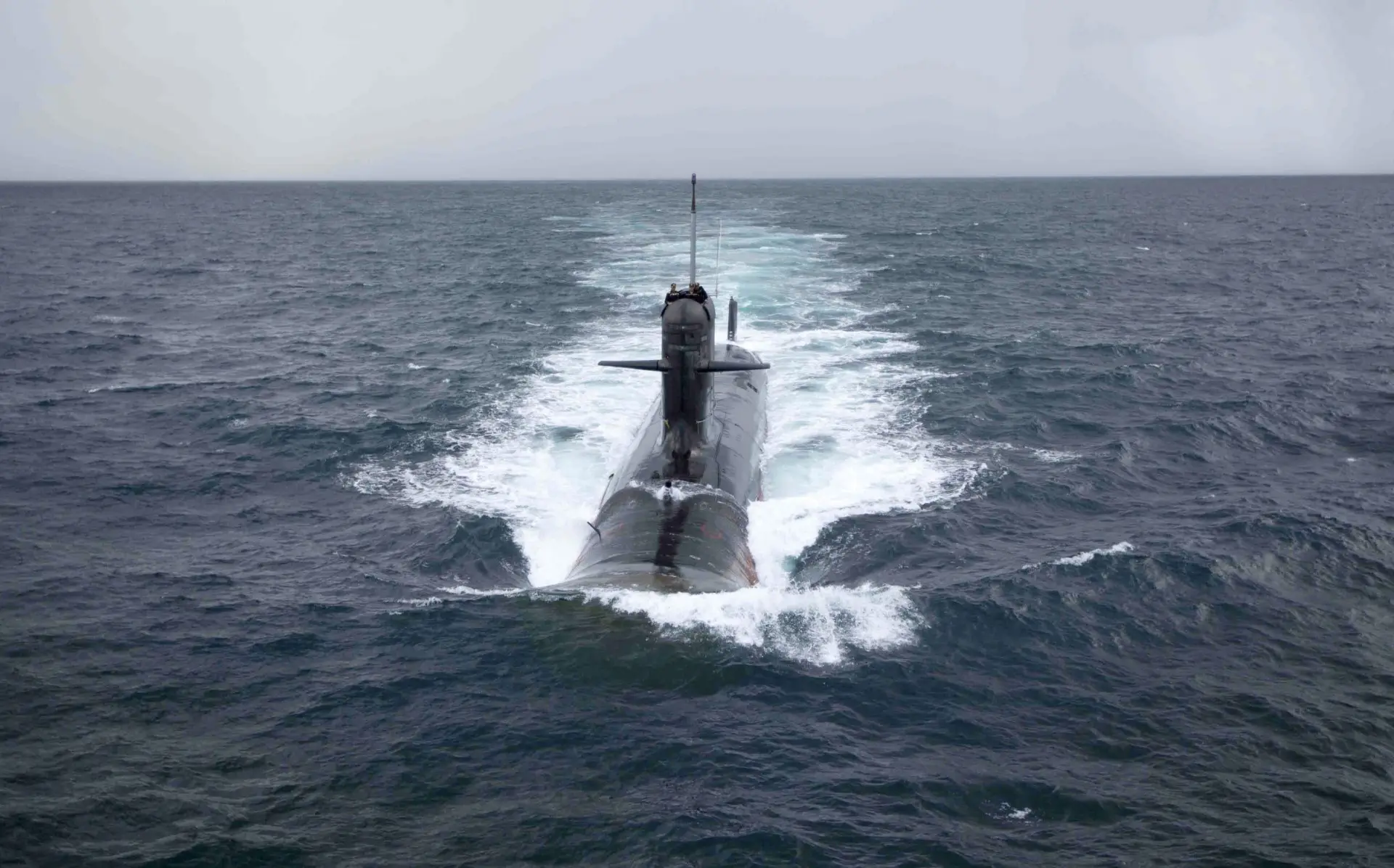
3. Improved stealth and deep-water survivability
Nuclear attack submarines are designed to operate quietly at greater depths, which reduces the chance of detection by surface ships, aircraft or passive sonar networks. That stealth supports covert surveillance, tracking and surprise-attack options.
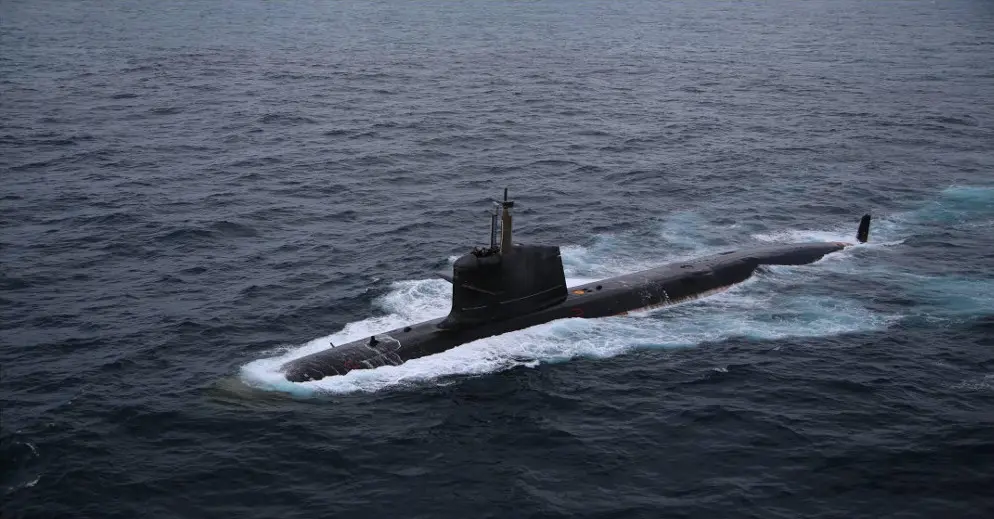
4. Larger weapons load and more flexible mission profiles
SSNs typically carry a heavier and more varied payload, heavyweight torpedoes and anti-ship/land-attack missiles among them, giving commanders expanded options for sea-denial, escort and precision strike missions.
5. Immediate operational experience from the India–Russia submarine agreement
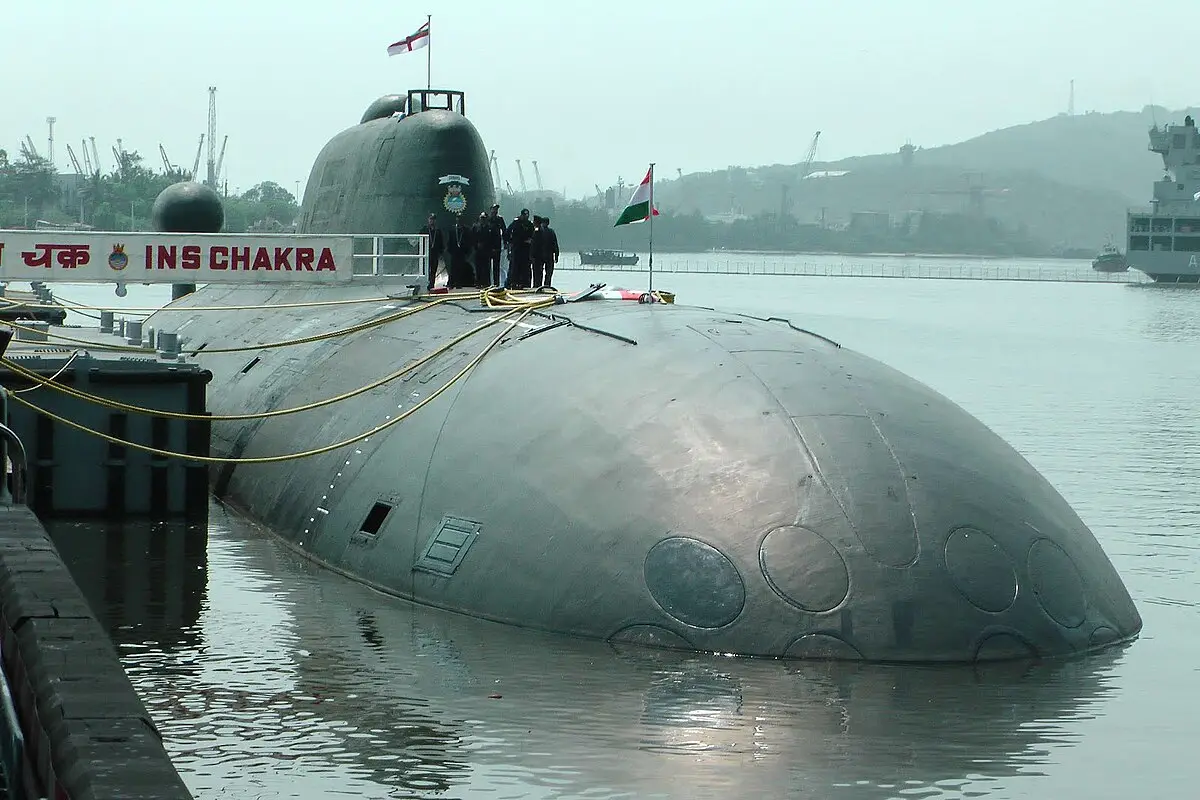
India has concluded a $2-billion agreement with Russia to lease a nuclear-powered attack submarine. Public reports do not specify the vessel’s name or class. The leased platform will give Indian crews practical experience with nuclear-propulsion operations, nuclear safety procedures and SSN-specific tactics while domestic programmes progress.
6. Stronger deterrence and maritime signalling
An operative SSN complicates an adversary’s planning because its position is not easily tracked. Its covert presence can shadow high-value units, monitor undersea activity and raise the operational costs for hostile deployments, thereby contributing to deterrence.
7. Force-multiplying effect within a mixed submarine fleet
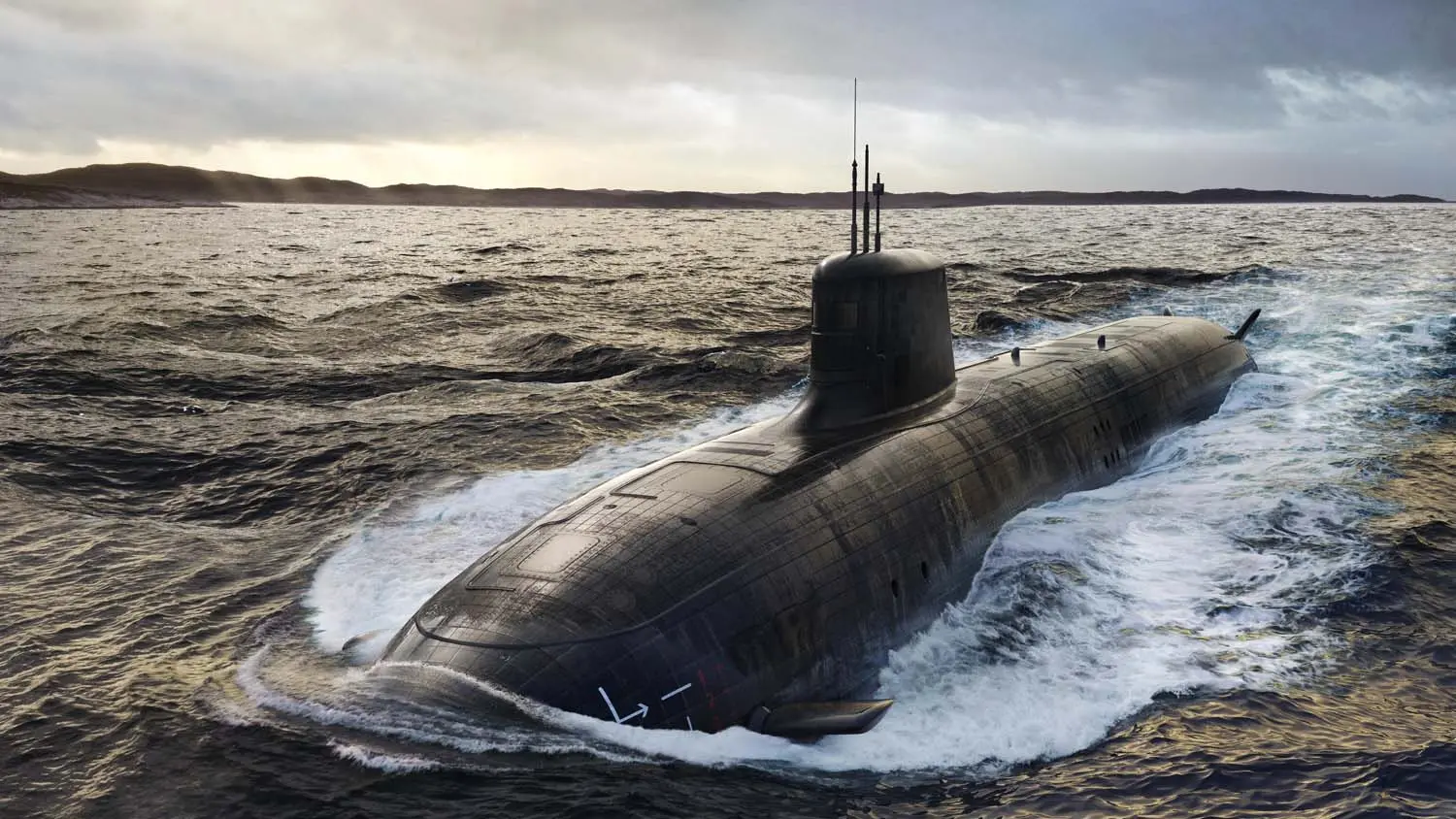
Combining an SSN with diesel-electric boats (for littoral tasks) and ballistic-missile submarines (for strategic deterrence) creates a layered undersea posture. This mix improves operational flexibility, endurance and resilience across the Indian Ocean region.
)
)
)
)
)