IN PICS | All the times Donald Trump vowed to resolve global crisis in ‘two-three weeks’

From Iran to global alliances, US President Donald Trump repeatedly promised quick fixes in ‘two to three weeks’, but outcomes often told a different story
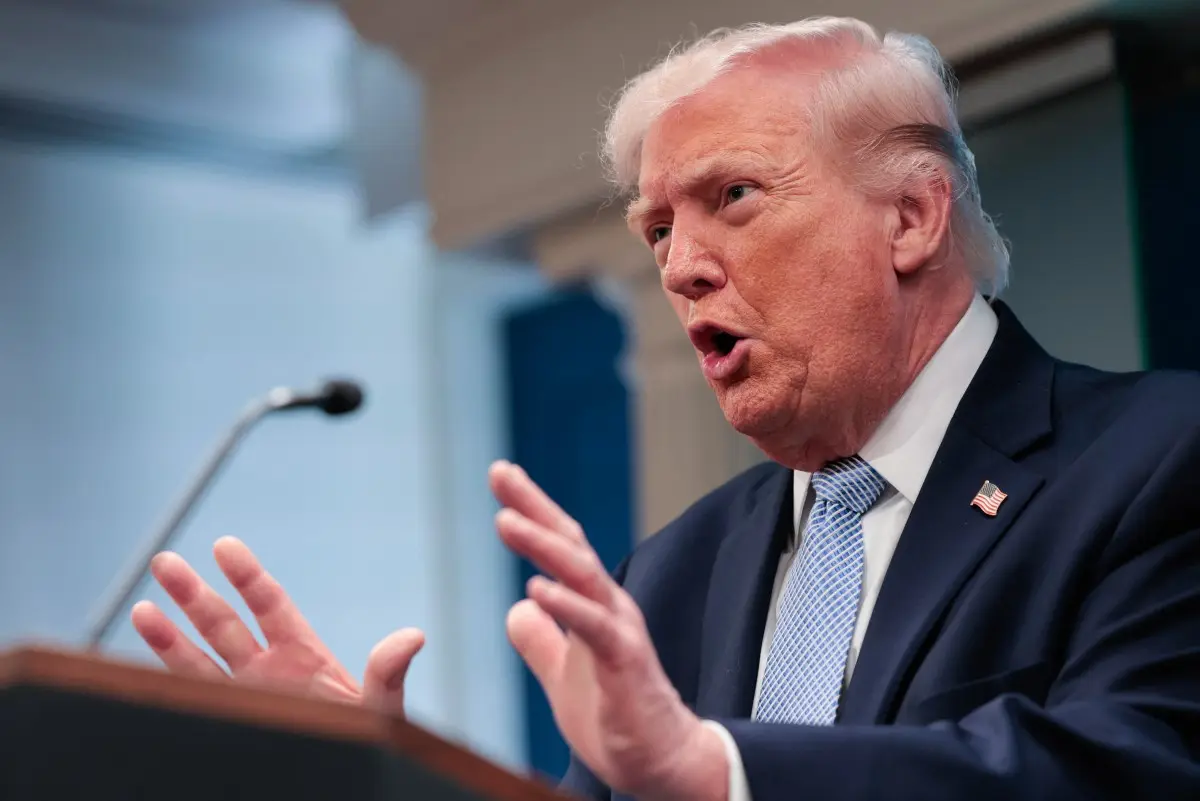
'Two weeks to decide war or peace'
Amid rising tensions with Iran, Donald Trump repeatedly set a ‘two-week’ deadline to determine whether the US would launch military action or pursue diplomacy. The ticking clock created global anxiety, especially with threats tied to the Strait of Hormuz. Ultimately, the promised decisive action turned into a temporary ceasefire, leaving key issues unresolved.
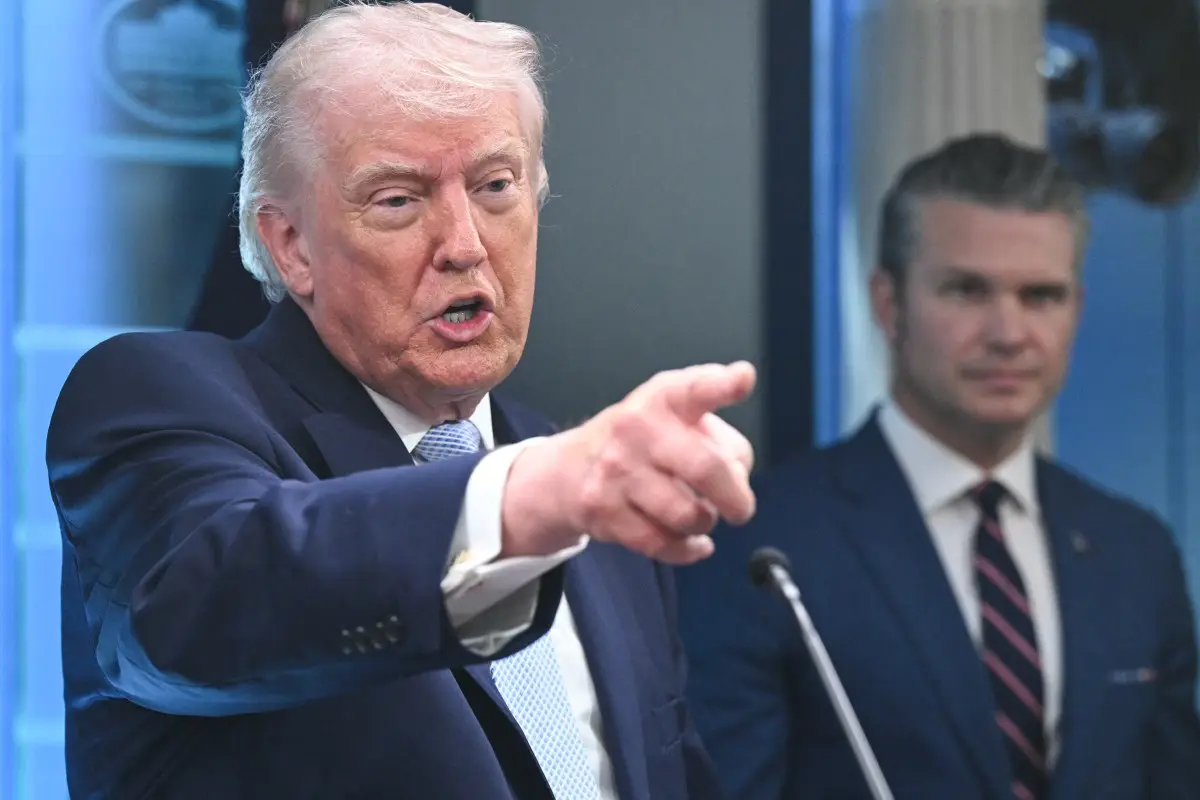
Russia-Ukraine war: 'We’ll have an answer soon'
Trump has repeatedly suggested that conflicts like the Russia-Ukraine war could be addressed quickly under his leadership, often hinting at resolutions within weeks. While specifics remained unclear, the messaging reinforced his preference for rapid outcomes. However, such complex geopolitical conflicts rarely align with compressed timelines, making these claims highly debated among analysts.
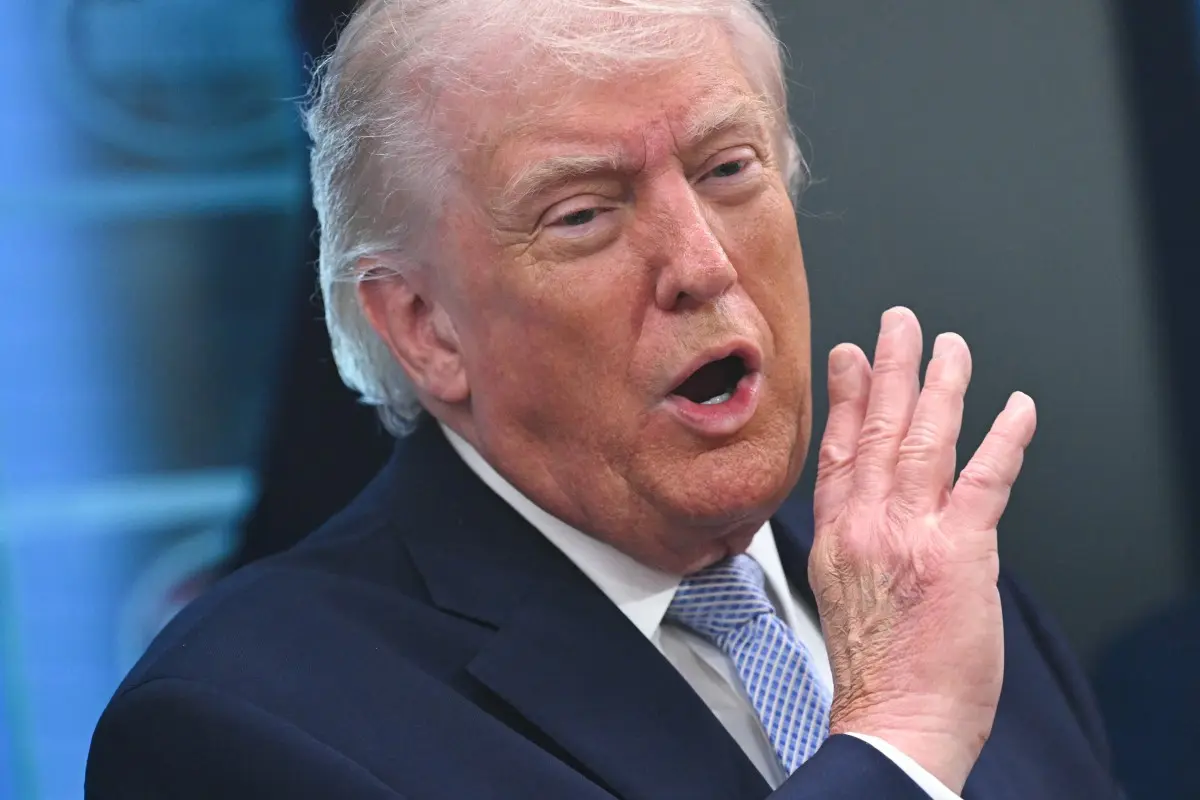
Trade wars and tariffs: The two-week review cycle
During trade disputes, particularly with China and other global partners, Trump frequently used ‘two to three weeks’ as a timeline for reviewing tariffs or announcing deals. These rolling deadlines created uncertainty in markets. While some negotiations progressed, many decisions were delayed, revised, or reversed, reinforcing a pattern of fluid and unpredictable policymaking.
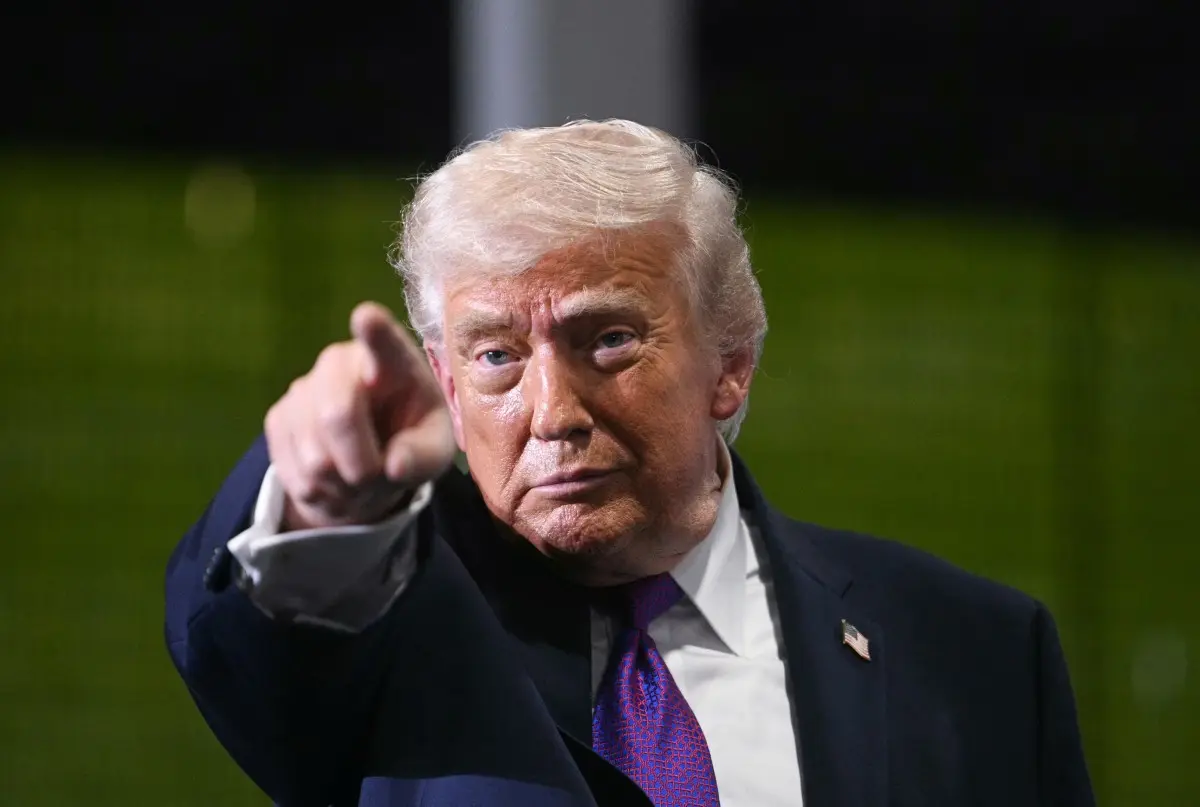
Greenland controversy: A swift strategic pivot?
Trump’s controversial interest in acquiring Greenland also came with signals of rapid decision-making. Though not framed strictly as a ‘two-week’ timeline, the approach reflected his broader style, quick proposals followed by sudden shifts. The idea shocked allies and was ultimately dropped, highlighting the gap between bold announcements and practical outcomes.
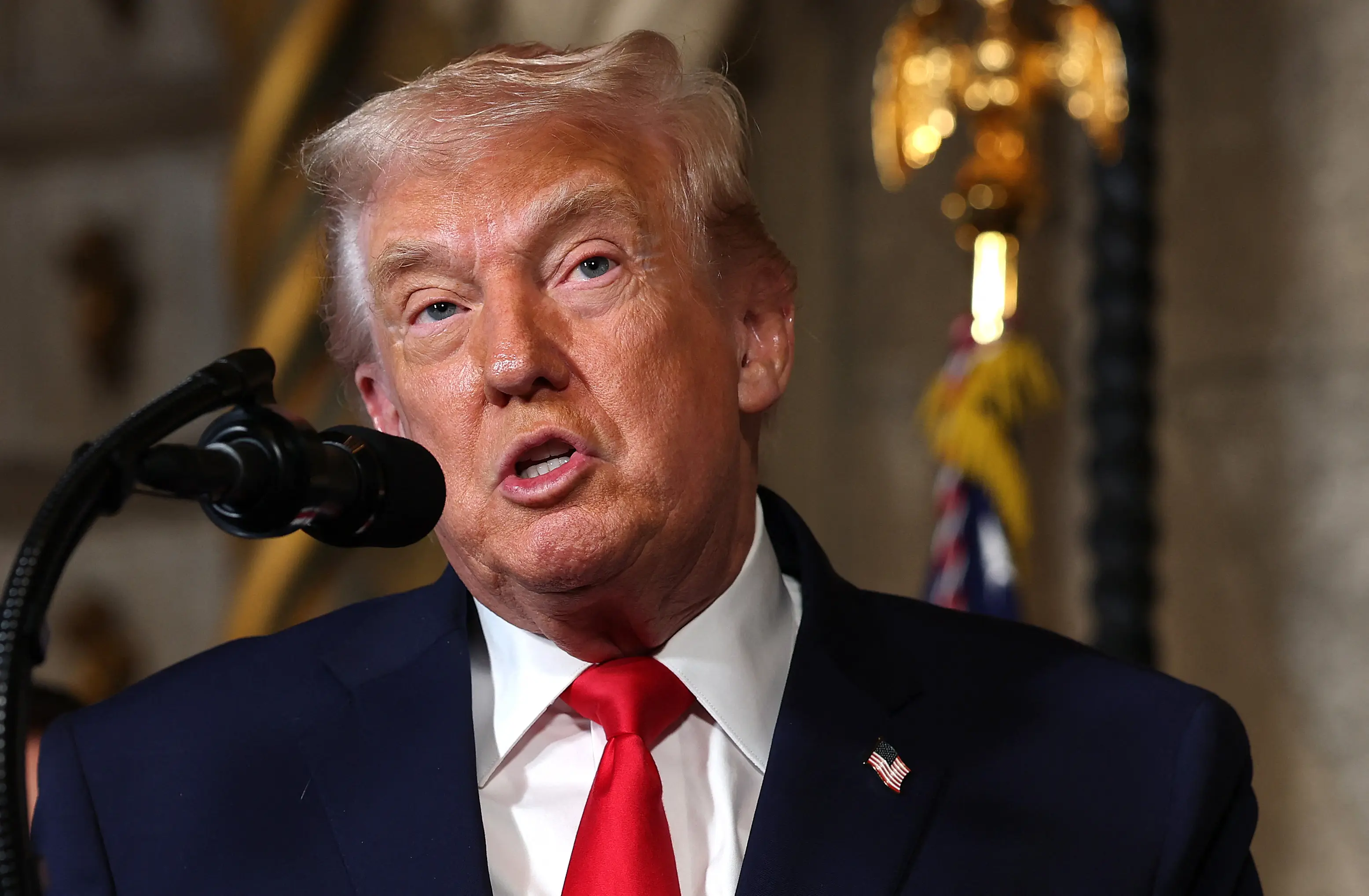
The pattern: Deadlines, pressure, and delays
Across crises, from Iran to trade wars, Trump’s reliance on short deadlines has become a defining feature of his leadership style. The ‘two to three weeks’ framework creates urgency and media attention but often leads to postponements or reversals. Supporters see strategic flexibility; critics call it inconsistency. Either way, the pattern is now unmistakable.
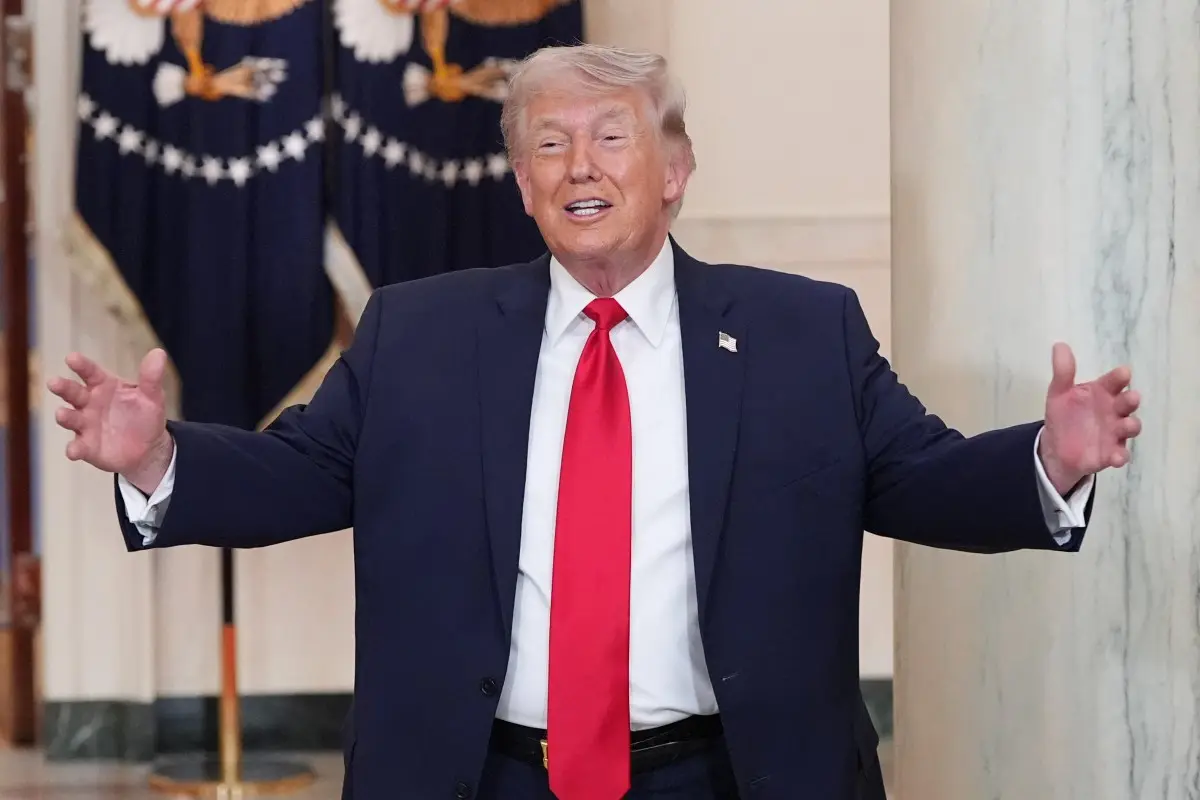
The political playbook: Why ‘two weeks’ keeps coming back
The repeated use of ‘two to three weeks’ isn’t accidental; it’s a political tactic. Short deadlines create urgency, dominate news cycles, and buy time without committing to immediate action. For Trump, it keeps options open while projecting control. But over time, the repetition has turned into a recognizable pattern, shaping both expectations and skepticism globally.
)
)
)
)
)