If nothing escapes a black hole, could one really swallow the entire universe?

They form when massive stars exhaust their fuel and collapse under their own gravity, compressing all their mass into an incredibly dense point called a singularity
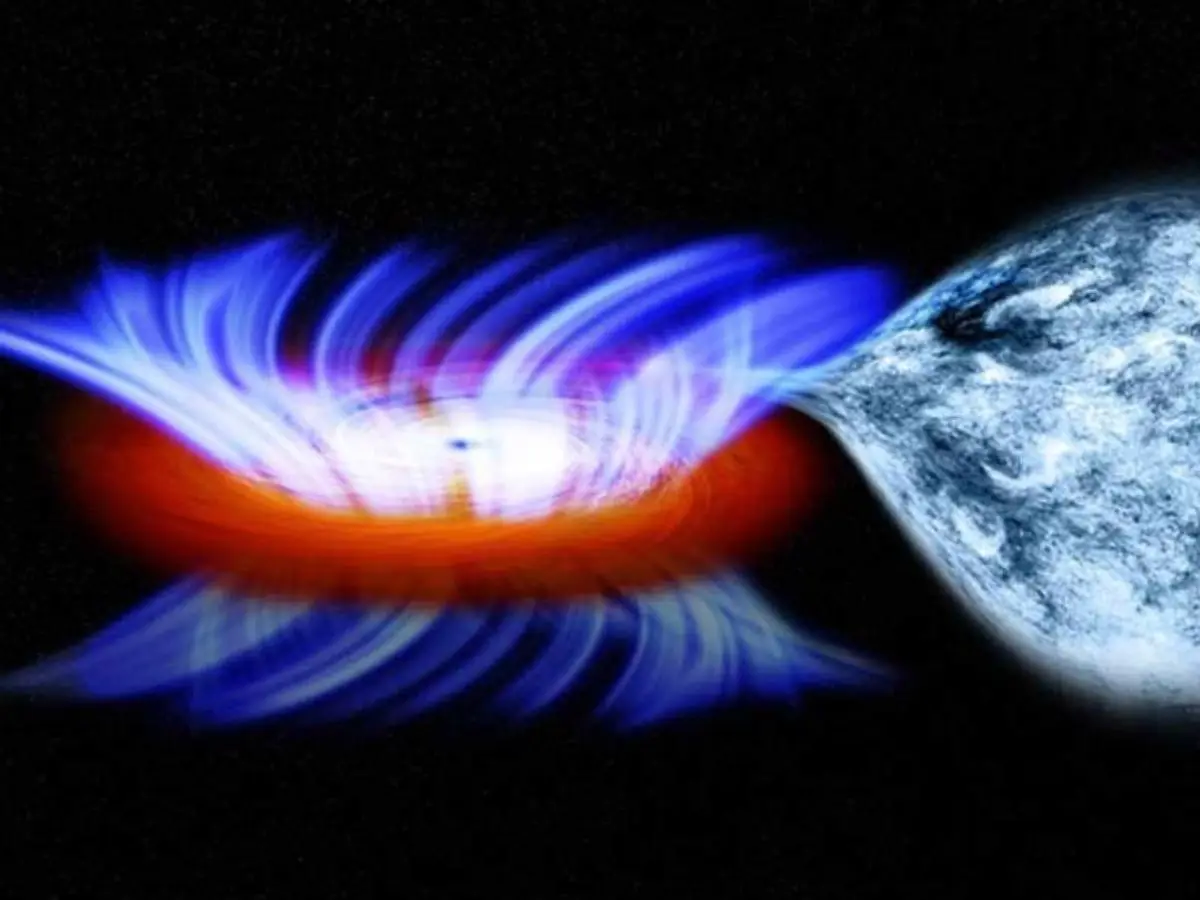
The nature of a black hole
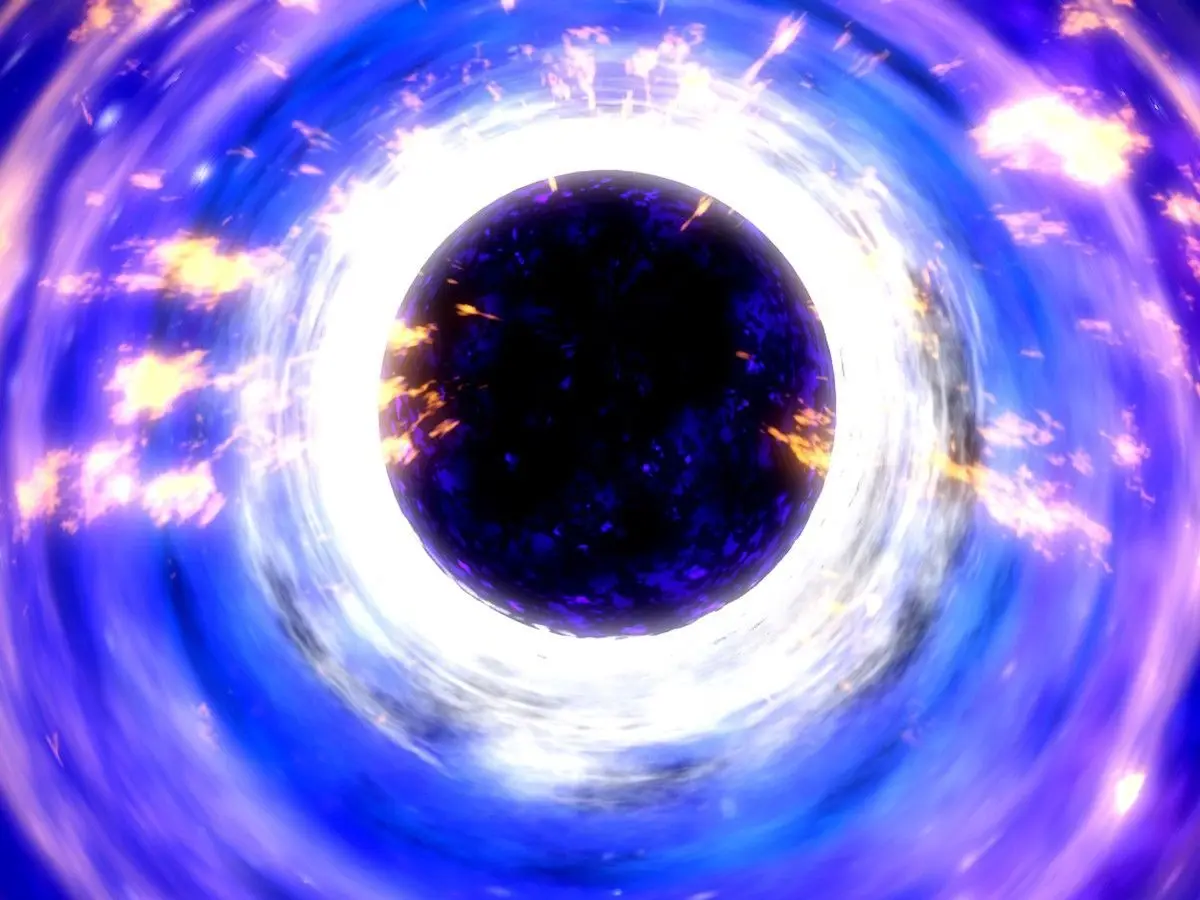
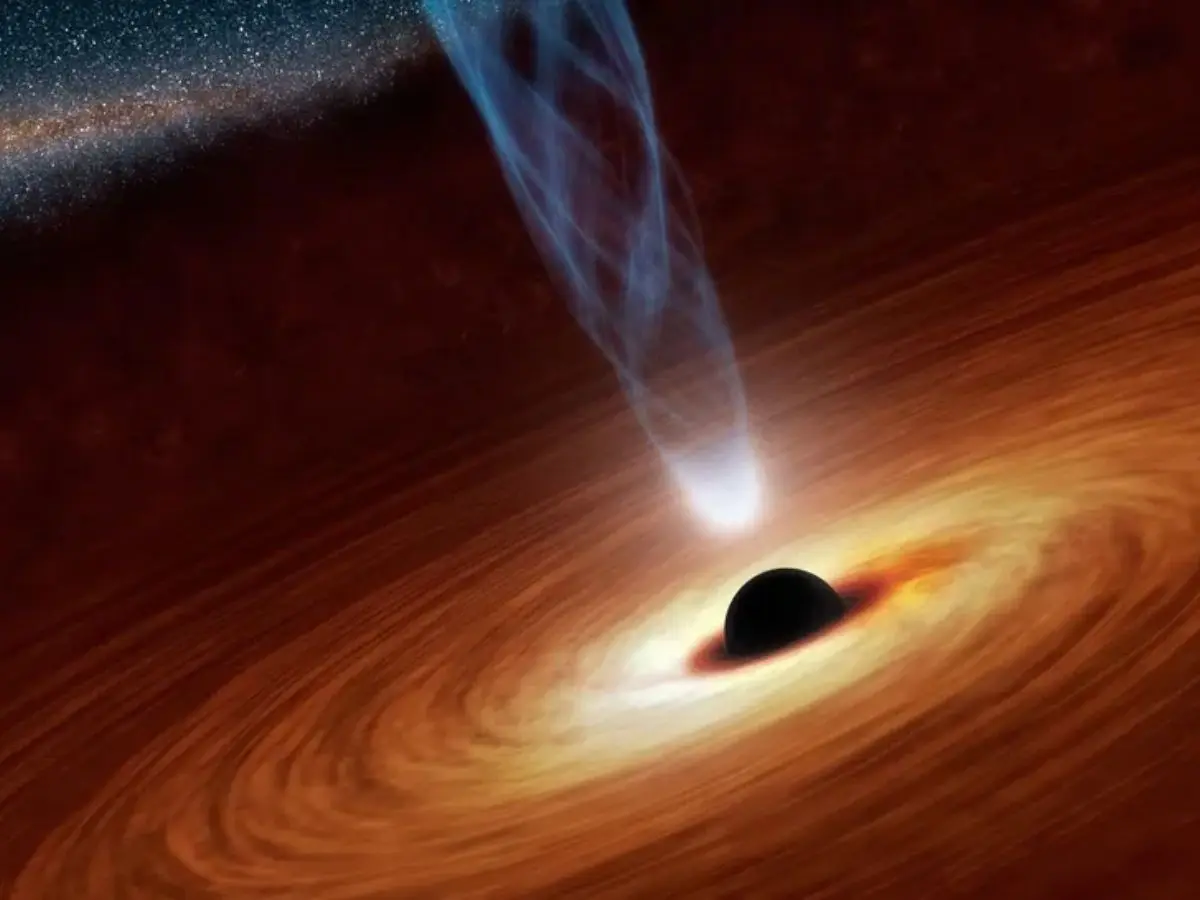
Black holes are regions of space where gravity is so intense that nothing, not even light, can escape. They form when massive stars exhaust their fuel and collapse under their own gravity, compressing all their mass into an incredibly dense point called a singularity. Surrounding this is the event horizon, the boundary beyond which escape is impossible. Once matter crosses this threshold, it is lost to the outside universe.
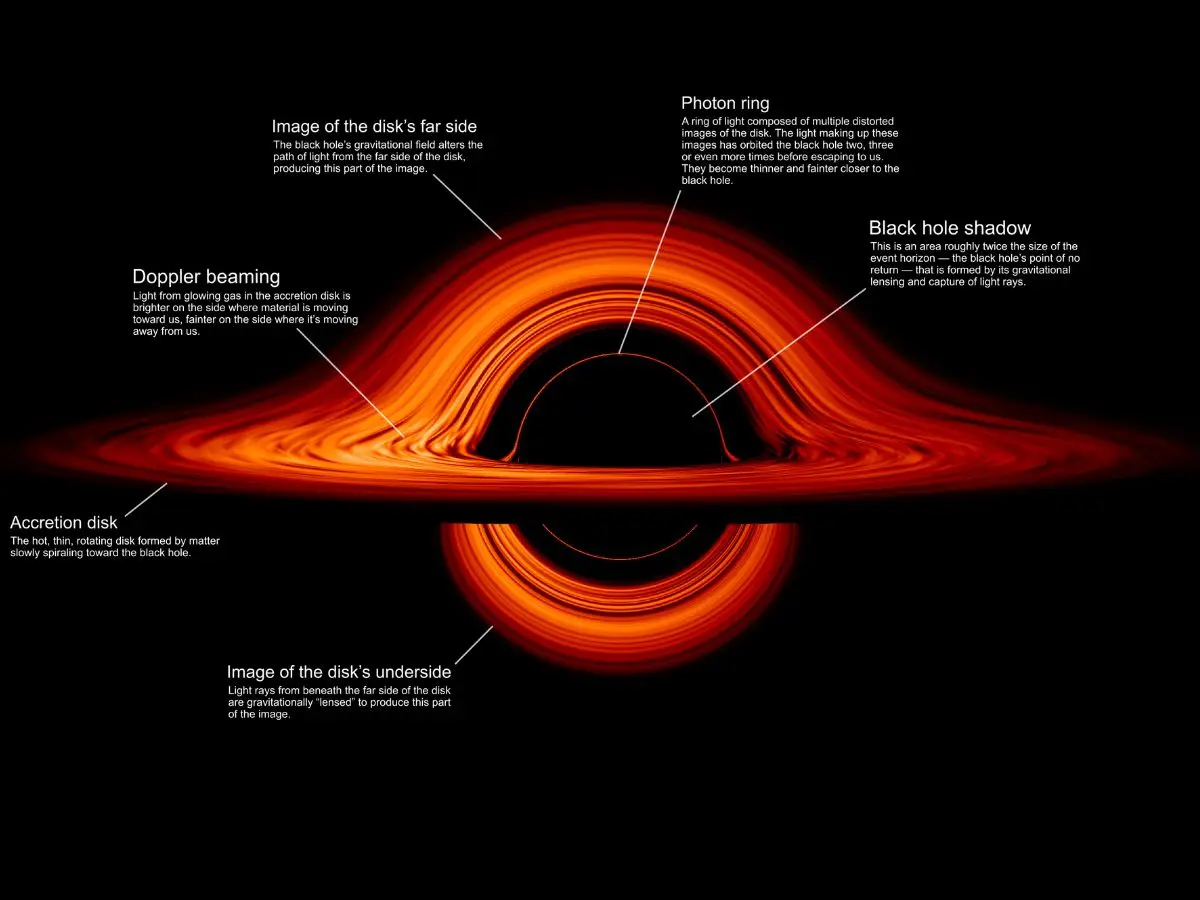
Why they seem so dangerous
Black holes are capable of swallowing stars, planets, and even other black holes. Their immense gravity warps spacetime, pulling in anything that ventures too close. This makes them appear, in the popular imagination, like cosmic vacuum cleaners. They are often depicted as unstoppable forces that could consume anything in their path, a vision that fuels the question of whether they could eventually devour the entire universe.
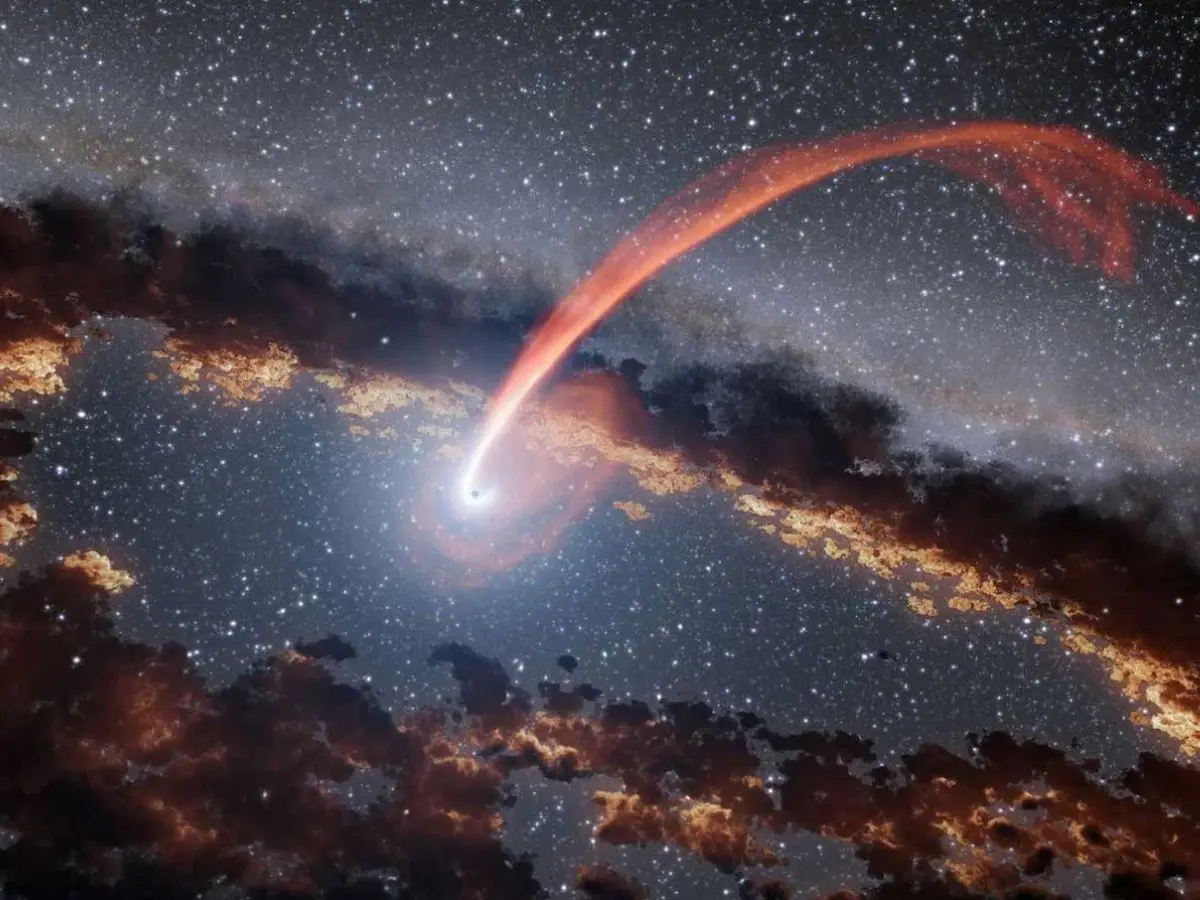
The limits of their reach
In reality, a black hole’s gravitational influence is limited. Like any other massive object, its pull weakens with distance. According to NASA, even the supermassive black hole at the centre of the Milky Way, Sagittarius A, only strongly affects the stars in its immediate neighbourhood. Located about 26,000 light years from Earth, it poses no threat to our planet. Most stars in the galaxy are too far away to be drawn in, and the black hole has likely already consumed the material that formed nearby when the galaxy was young.
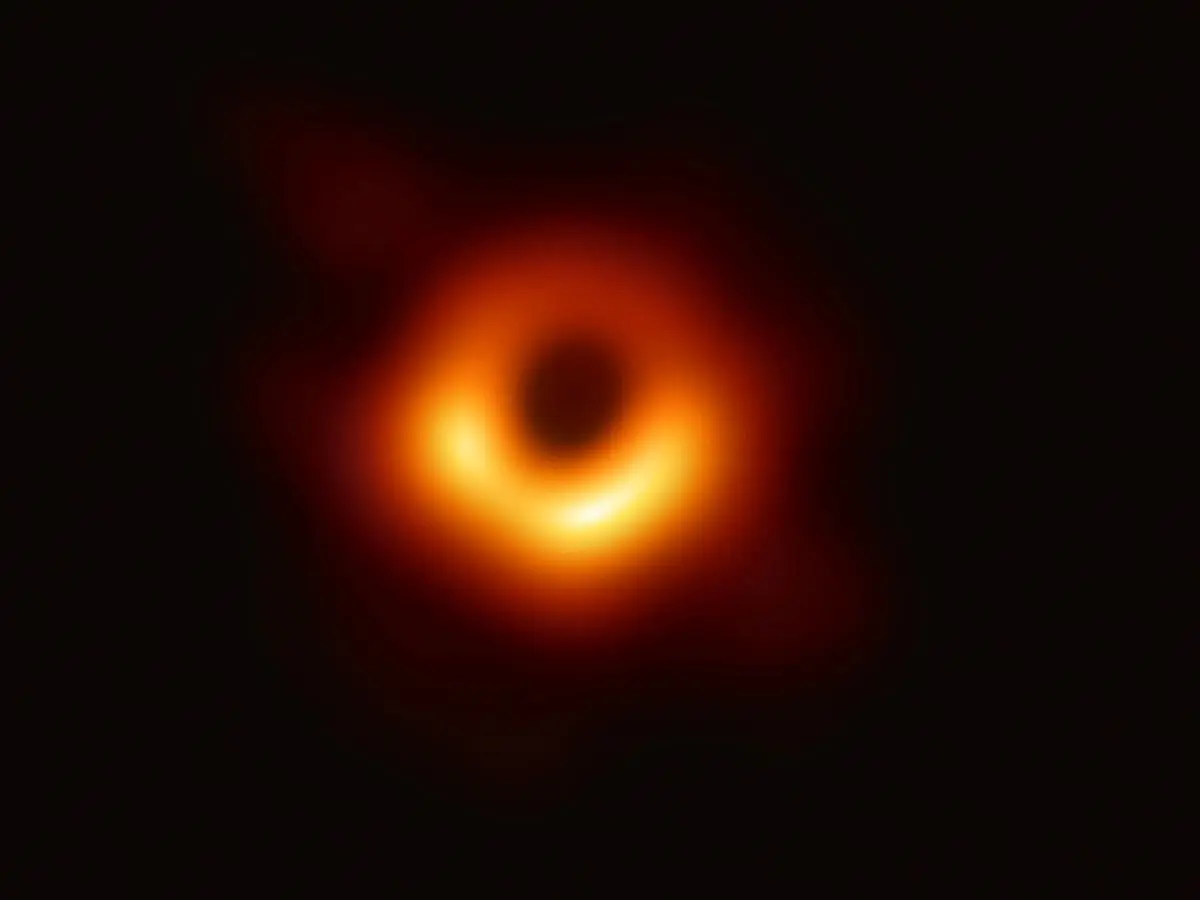
Not cosmic vacuum cleaners
Black holes do not actively 'suck' in matter from across space. They only capture objects that stray within their event horizon or orbit close enough to be gradually drawn inward. As physicist Gaurav Khanna notes, they swallow only what is extremely close. If the Sun were replaced by a black hole of the same mass, Earth’s orbit would remain unchanged, only the absence of sunlight would make a difference.
The role of cosmic expansion
Even with galaxy collisions, which can cause central black holes to merge and grow, the universe is simply too vast for one black hole to consume it all. The accelerating expansion of the universe is driving galaxies farther apart, making it increasingly unlikely that black holes will encounter and capture large amounts of matter on a cosmic scale.
Black holes are not eternal
Over unimaginable timescales, black holes themselves lose mass through Hawking radiation, a theoretical process where they slowly evaporate. This means they cannot continue growing indefinitely and will eventually vanish.
Why the universe is safe
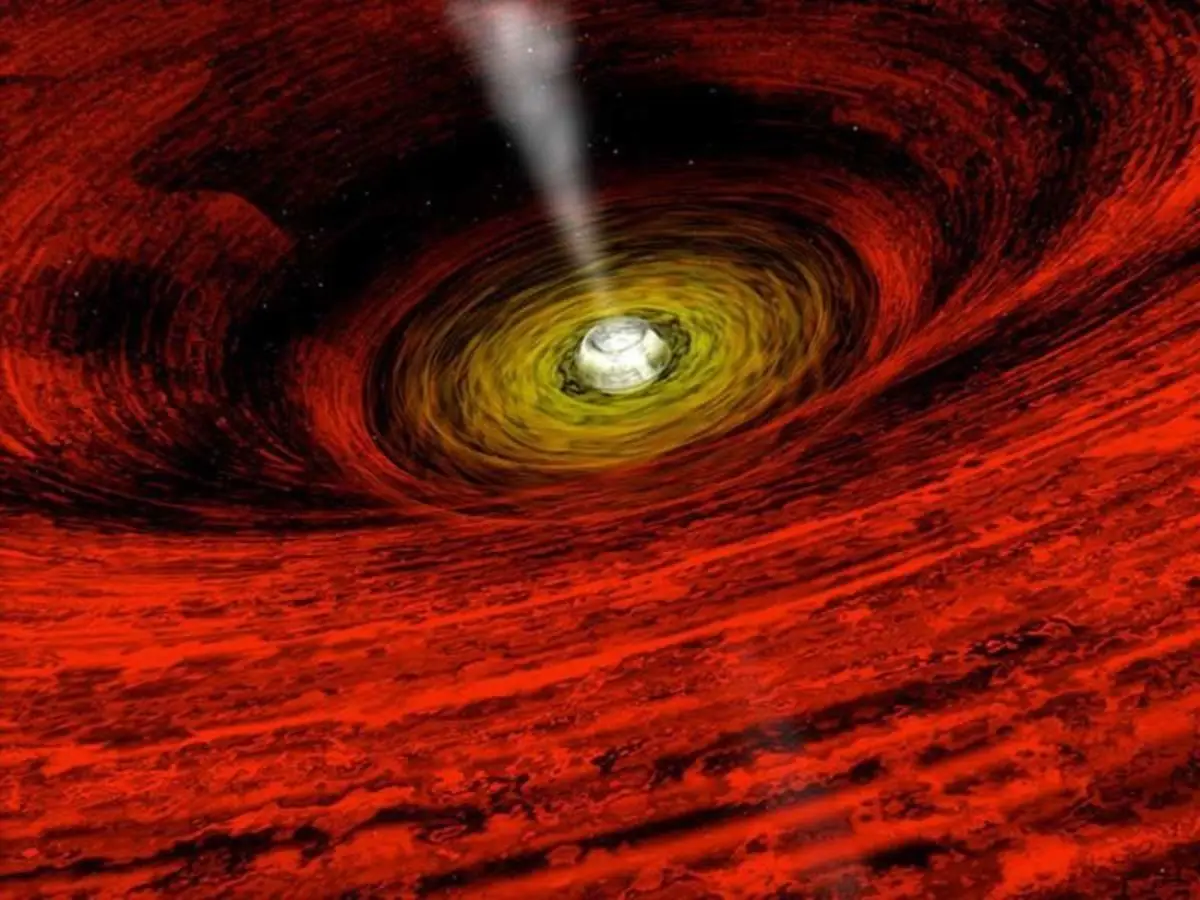
The notion of a runaway black hole consuming everything is a misconception. Their gravitational reach is finite, the universe is expanding, and they ultimately evaporate. While they remain among the most extreme objects in the cosmos, they are not a threat to the universe as a whole.
)
)
)
)
)