How would USS Gerald R. Ford’s Evolved Sea Sparrow Missiles shield the supercarrier from Iranian missile threats?

These missiles can be fired from trainable launchers or quad‑packed in vertical launch systems, increasing their salvo capability.
A vital layer in carrier defence
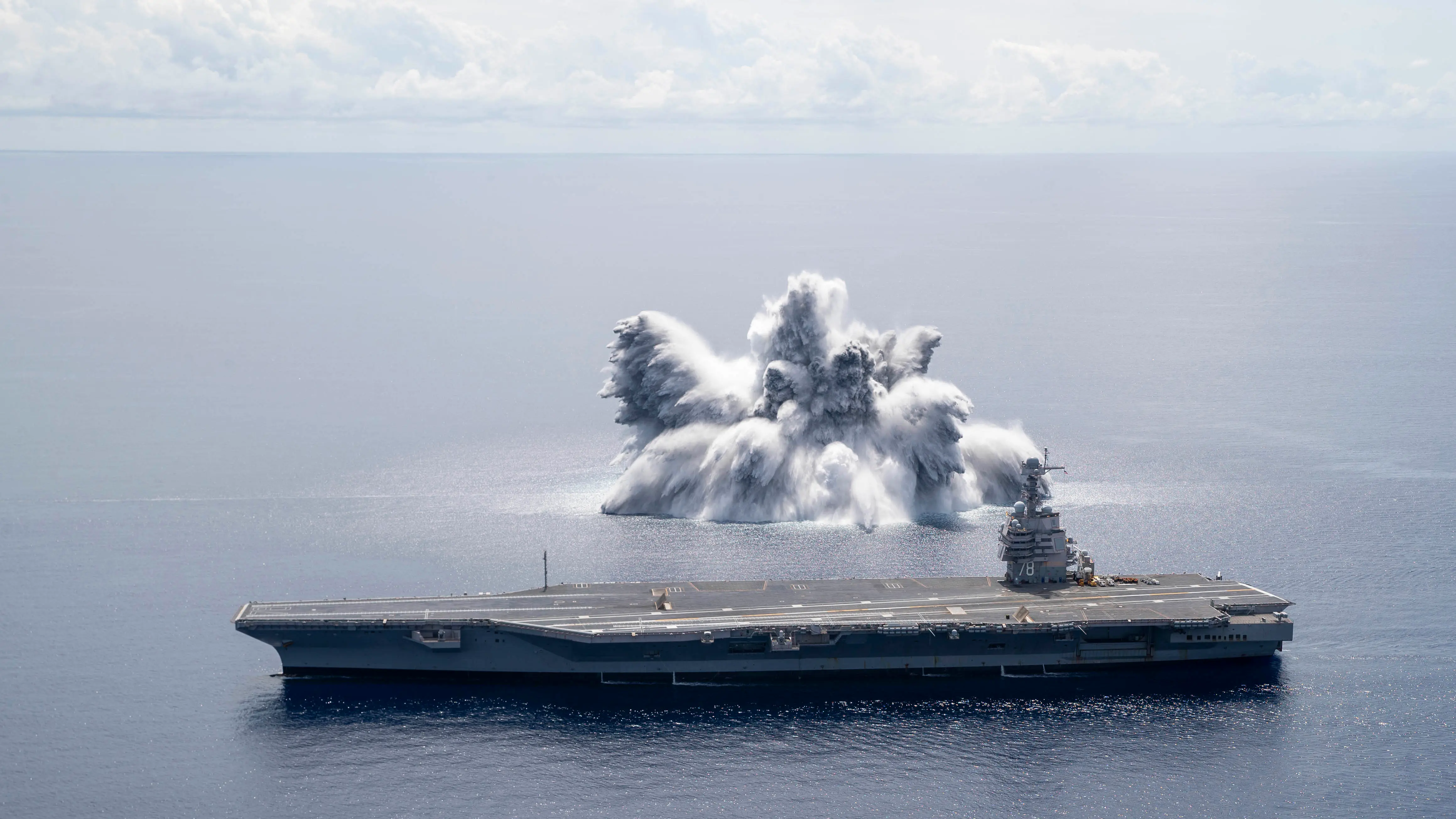
The United States Navy has announced the planned redeployment of the USS Gerald R. Ford (CVN‑78) from the Caribbean Sea to the Middle East amid rising tensions with Iran. Though the primary role of the warship is of an airbase at sea, the carrier is equipped with a multi‑layered defensive system designed to protect the vessel from missile and aerial threats. One of the central components of that network is the RIM‑162 Evolved SeaSparrow Missile (ESSM), a medium‑range, surface‑to‑air interceptor that forms a critical line of defence against fast, manoeuvring targets such as anti‑ship missiles and hostile aircraft.
What the ESSM is and does
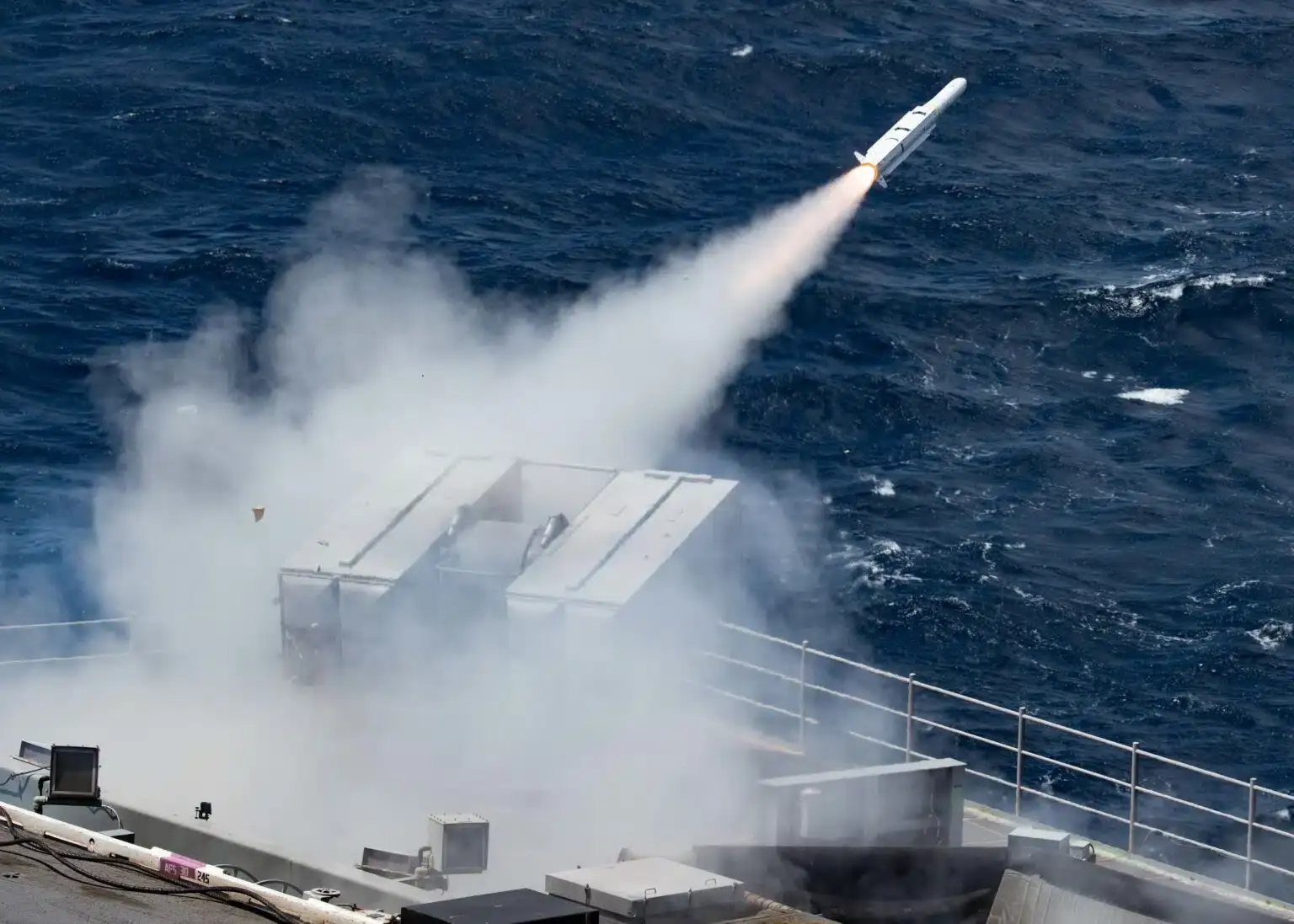
The Evolved Sea Sparrow Missile (ESSM) forms the principal medium‑range air defence layer. ESSM Block II can reach speeds more than four times the speed of sound and intercept targets, at ranges up to roughly 50 km, according to RTX. These missiles can be fired from trainable launchers or quad‑packed in vertical launch systems, increasing their salvo capability.
Guidance and performance
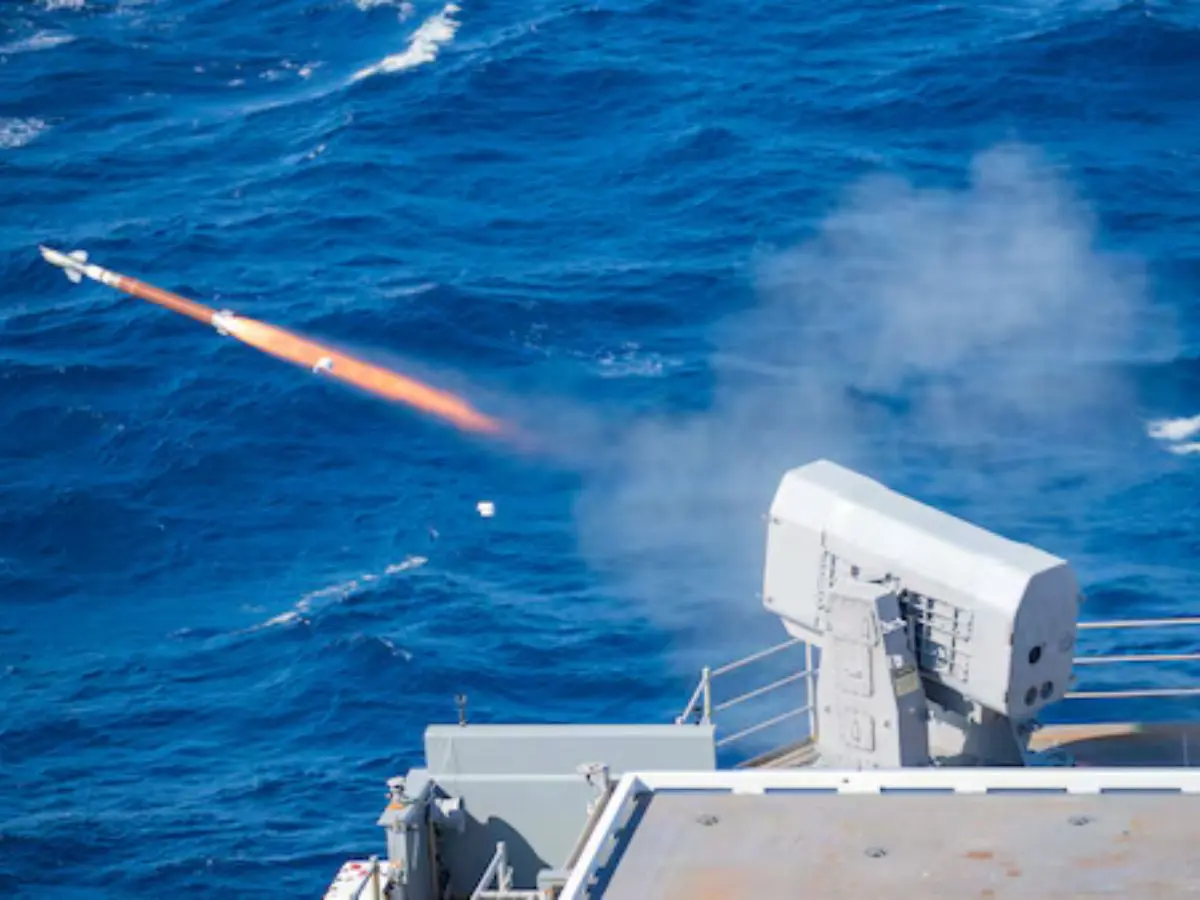
It features an upgraded guidance system with a dual-mode active and semi-active radar seeker, increased maneuverability, and improved performance over its Block 1 predecessor.
Integration into Ford’s defence network
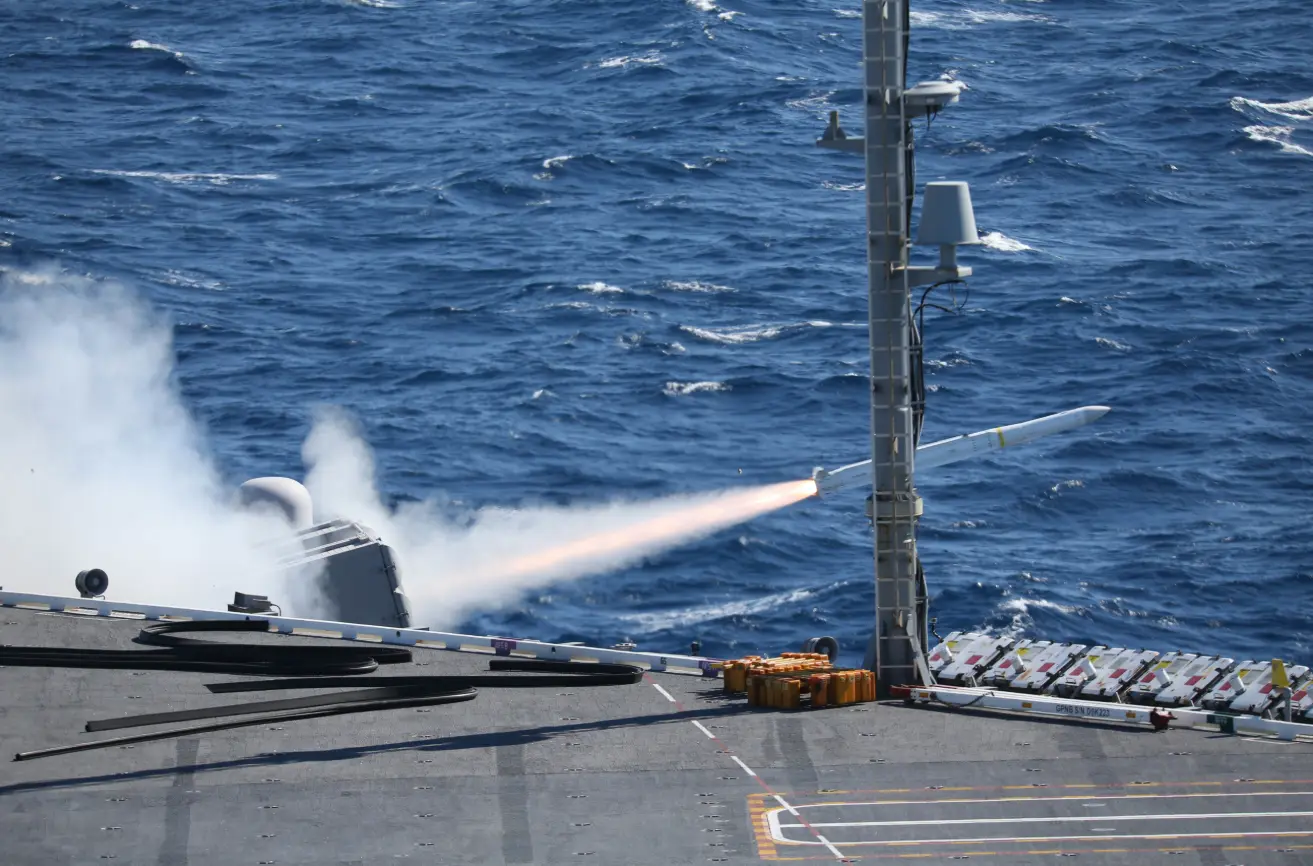
ESSM launchers aboard the carrier are integrated with radar and combat systems that detect and track potential threats. The ship’s sensors can identify hostile targets at long range and coordinate with the ESSM system to launch interceptors in a timely manner, forming part of a layered defence alongside other systems such as the RIM‑116 Rolling Airframe Missile (RAM) and MK‑15 Phalanx Close‑In Weapon System (CIWS).
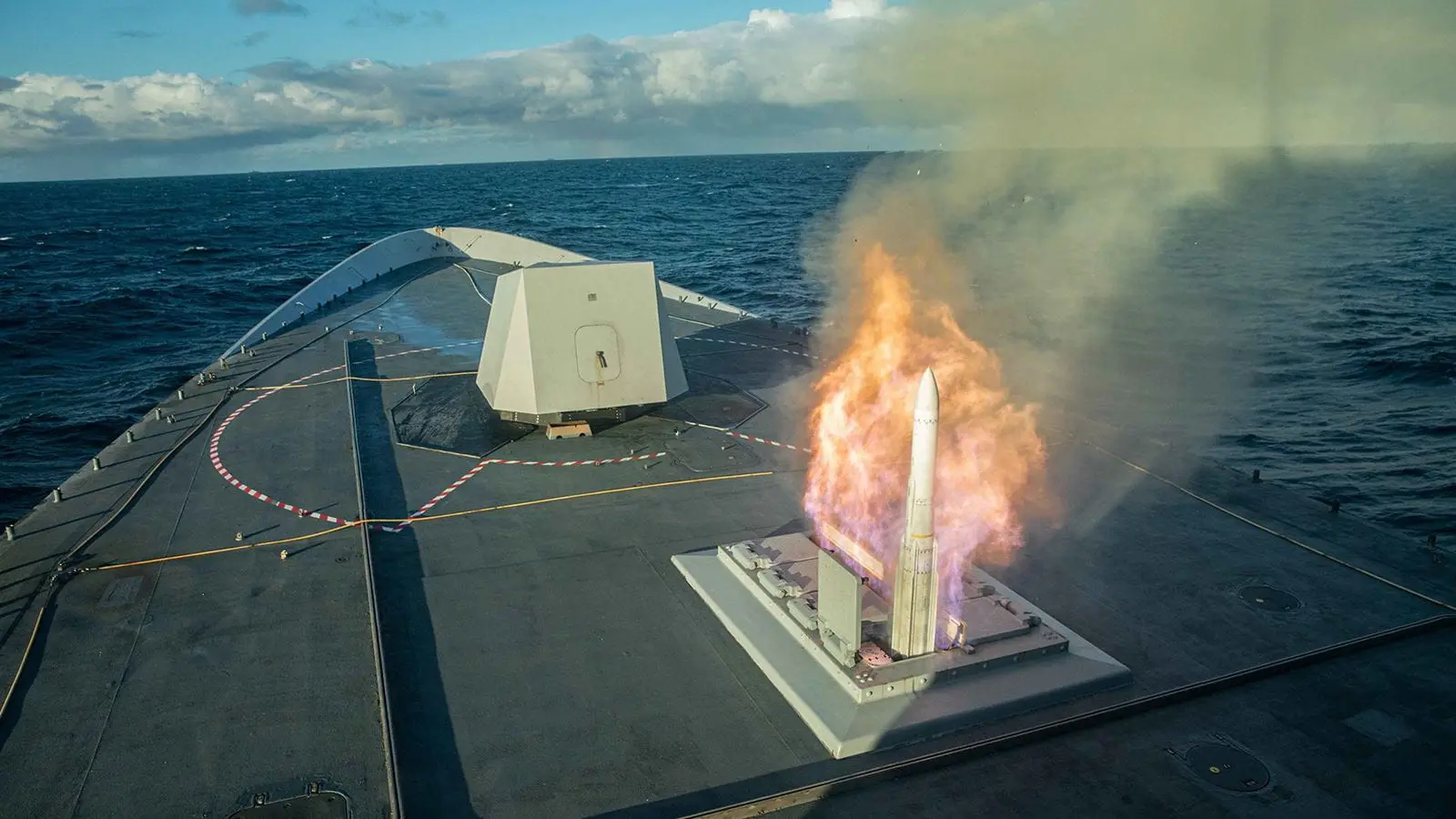
Background
The ESSM is overseen by the NATO SEASPARROW Consortium, a partnership of 12 countries: Australia, Belgium, Canada, Denmark, Germany, Greece, the Netherlands, Norway, Portugal, Spain, Türkiye, and the United States. As NATO’s largest and most successful collaborative weapons programme, it reflects more than 50 years of international military-industrial cooperation.
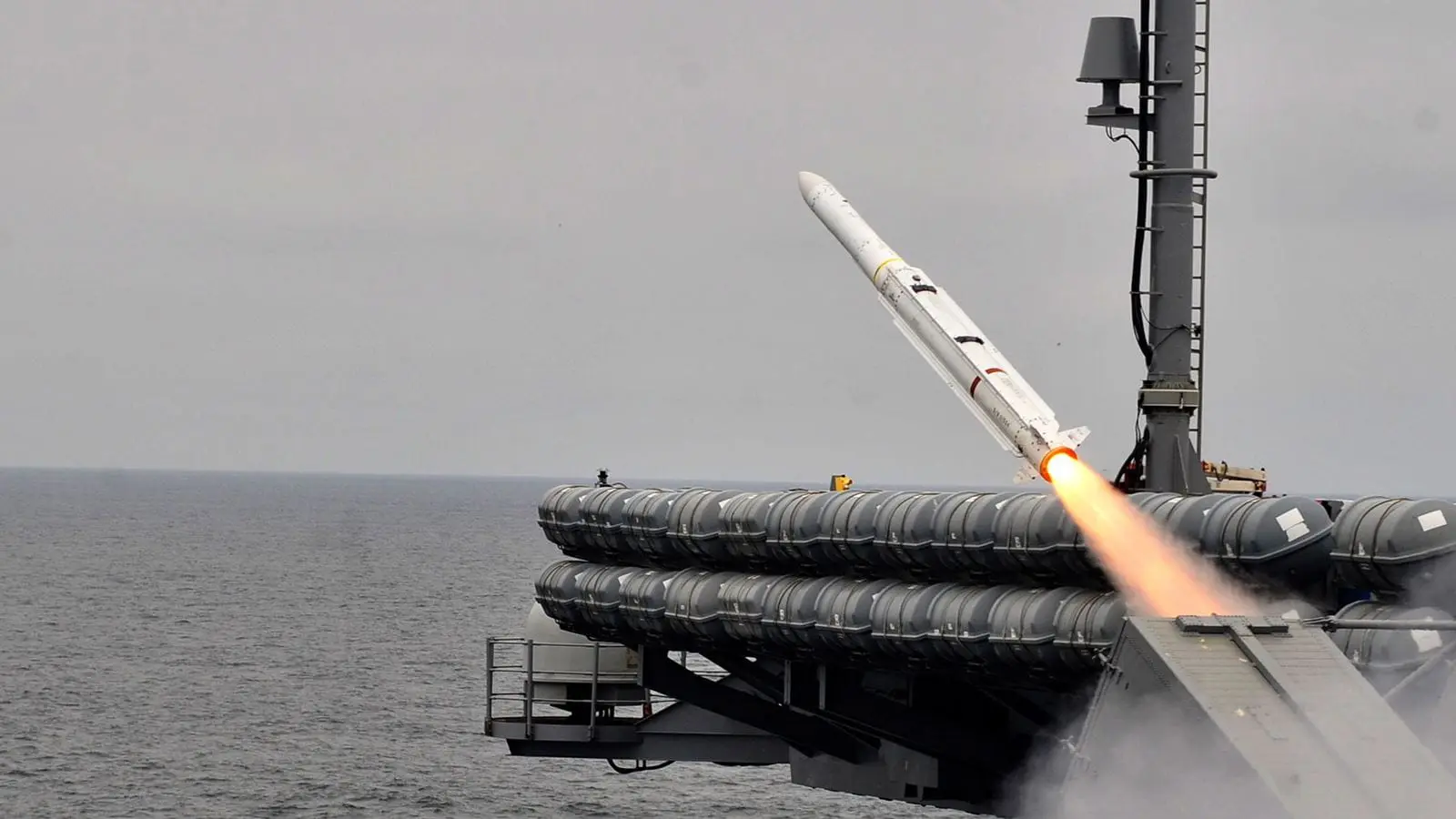
Quad‑pack capability multiplies firepower
The ESSM Block 2 builds on Block 1 with a 10-inch guidance section and a dual seeker for semi-active and active guidance, enhancing accuracy and agility. Firepower is boosted via the MK 25 quad-pack canister for MK 41 Vertical Launch Systems, allowing multiple missiles per cell and an upgraded warhead, achieving initial operational capability in 2021.
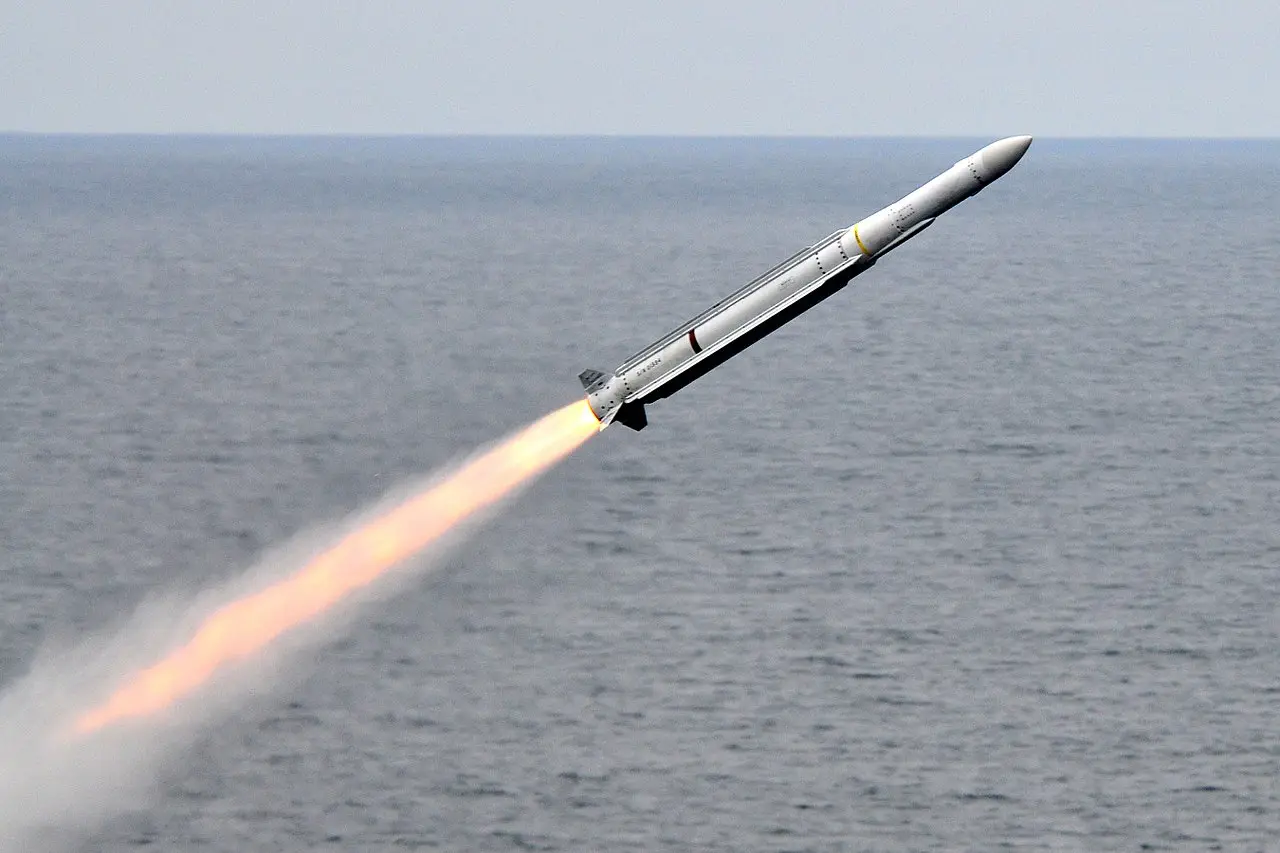
ESSM’s role in modern naval strategy
In an era of ever more capable anti‑ship weapons and unmanned aerial threats, the ESSM serves as a crucial layer in the carrier’s defensive fabric. By intercepting high‑speed missiles and aircraft at medium ranges, it helps ensure the continued operational viability of one of the US Navy’s most important assets.
)
)
)
)
)