How Vajpayee's Pokhran nuclear test surprised the world

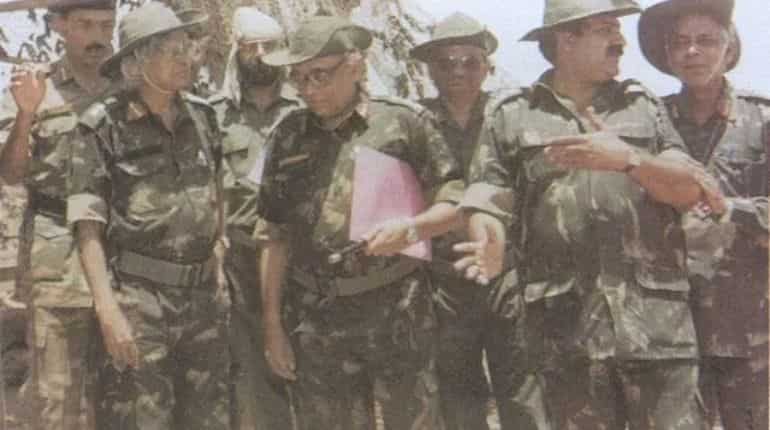
The team used to disguise as army to not draw attention
Dr. Abdul Kalam, the Chief Scientific Adviser and the Director of Defence Research and Development Organisation (DRDO), Dr. R. Chidambaram, the Director of the Department of Atomic Energy (DAE), were the chief coordinators of this test. They, along with the other members of the small team, used to disguise as army officials to avoid drawing any attention towards them from US spies.

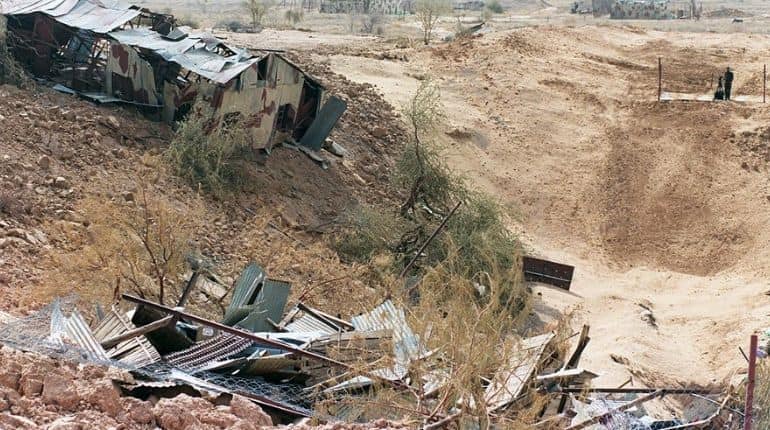
Crater formed after the testing in Pokhran
On May 11, three bombs were tested. The first one was a fusion bomb and the rest were were fission bombs. These three included 45 kt thermonuclear device, 15 kt fission device and sub-kt nuclear device. The rest two fission bombs were tested on May 13. These were also sub-kt bombs of power 0.5 kt and 0.3 kt.

Transporting in secrecy
The bombs were flown in from Chhatrapati Shivaji International Airport to Jaisalmer. They were transported to Pokhran in an army convoy of four trucks in three trips, and this required three trips. This was done on May 1 at 3 am.
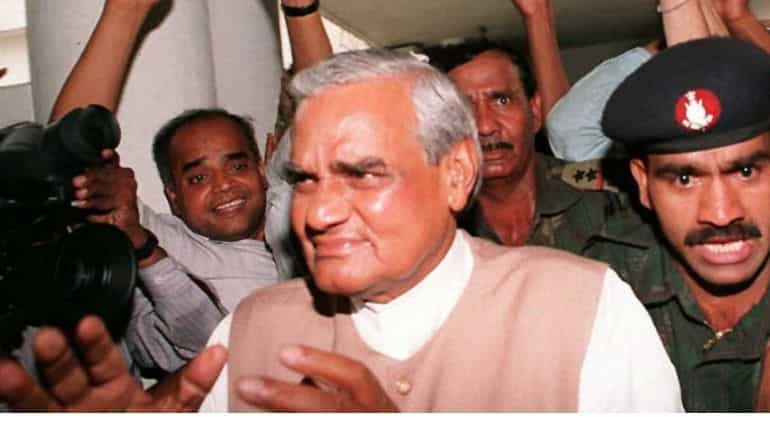
Former PM Atal Bihari Vajpayee
After the tests were conducted, Prime Minister Atal Bihari Vajpayee addressed the media. He confirmed that nuclear tests were successfully conducted in Pokhran and there was no release of radioactive elements into the atmosphere.
Pakistan retaliates with own test
Pakistan retaliated by issuing a statement accusing India of starting an arms race.
Then, Prime Minister Nawaz Sharif authorised nuclear tests, which were conducted on May 28, 1998 and on May 30, 1998, the country conducted its own tests code-named Chagai-I and Chagai-II. Pakistan's move was opposed by the opposition and the US.
)
)
)
)
)