How thrust-vectoring helps fighter jets turn sharply

Thrust vectoring helps fighter jets turn sharply by directing engine thrust in multiple directions. This technology improves manoeuvrability in combat, allowing jets to perform tight turns and maintain control at high angles of attack.
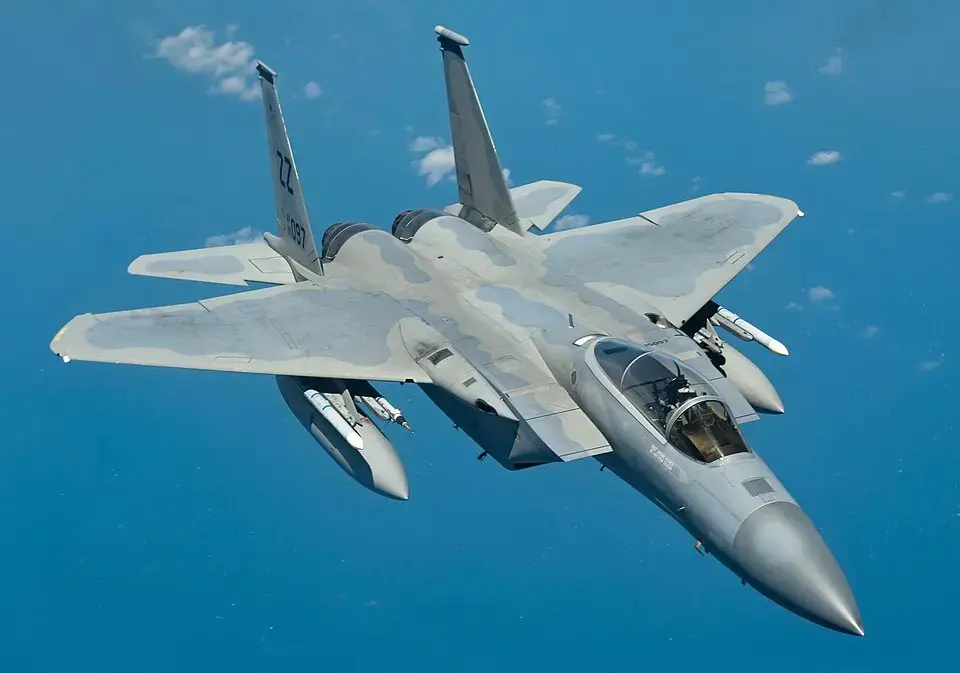
What Is Thrust Vectoring?
Thrust vectoring allows a fighter jet to direct the thrust from its engine in different directions instead of just straight backward. This change in thrust direction helps control the aircraft’s movement more precisely than relying on traditional aerodynamic controls alone.
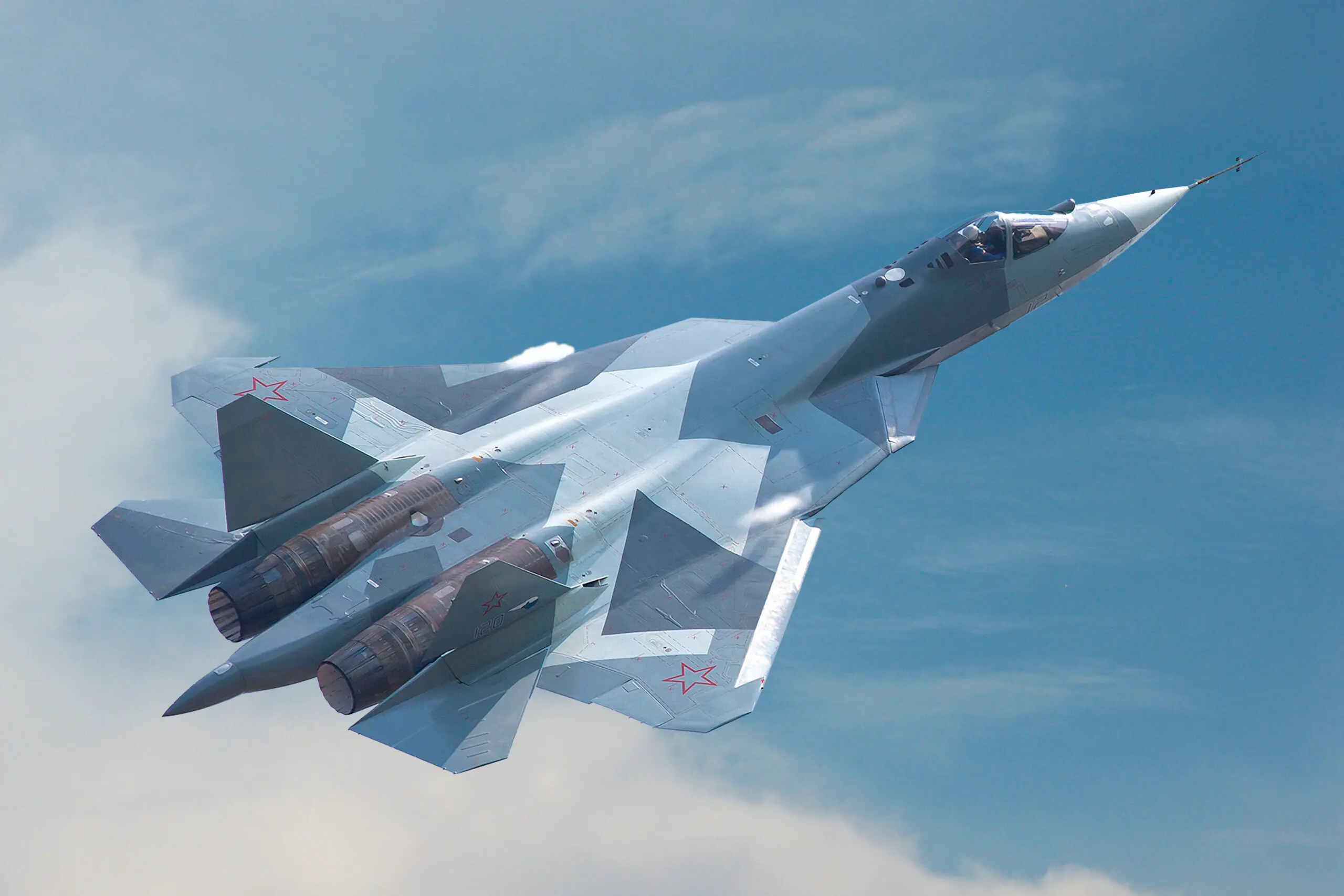
Enhancing Maneuverability
By shifting the engine’s thrust up, down, or sideways, jets can change their pitch, yaw, and roll more sharply. This significantly increases the plane’s ability to turn quickly and perform tight manoeuvres needed in close air combat.
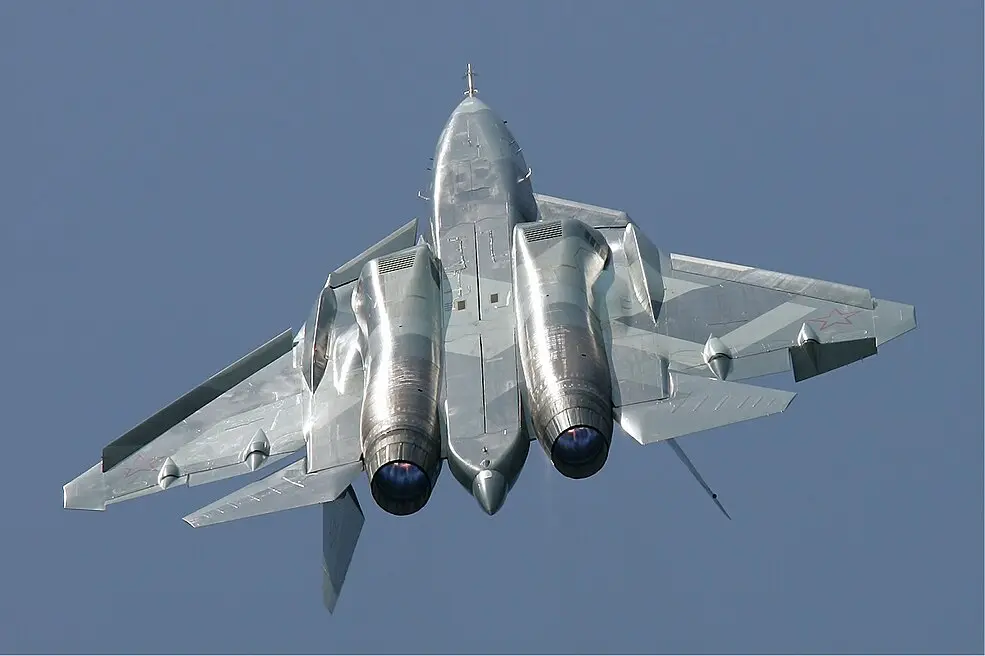
Examples in Modern Jets
Jets like the Sukhoi Su-35 use 3D thrust vectoring to control all three axes of motion, allowing extreme agility. The F-22 Raptor uses 2D thrust vectoring focused on yaw and pitch for a balance of stealth and maneuverability.
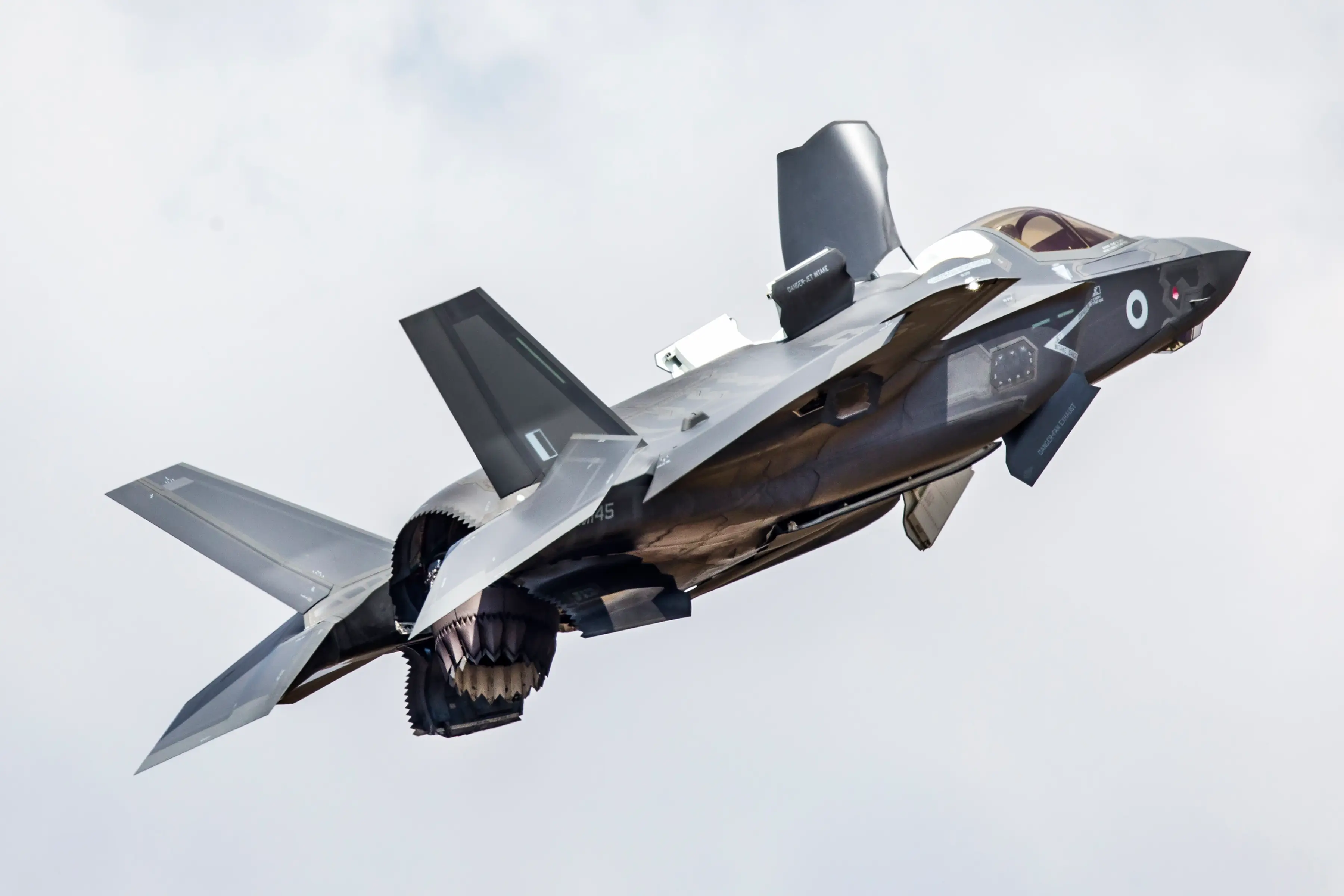
Performance Benefits
Thrust vectoring enables jets to maintain control at high angles of attack - up to 60 degrees or more. This means jets can make sharp turns even when their wings stall, giving pilots an edge in dogfights.
High-Speed Control Advantage
Unlike traditional flight controls that become less effective at low speeds or steep angles, thrust vectoring provides powerful control even in these challenging conditions. This keeps jets agile throughout different flight phases.
Additional Advantages
Thrust vectoring also helps jets take off from shorter runways and perform vertical or short takeoffs like the Harrier jet. This improves operational flexibility by enabling more versatile deployment.
Future of Thrust Vectoring
New technologies like fluidic thrust vectoring promise lighter, faster, and more reliable thrust control mechanisms, which could become standard on next-generation fighter jets and unmanned aerial vehicles.
)
)
)
)
)