How the Netherlands created the largest artificial island! The story behind Flevopolder

Explore the remarkable story behind Flevopolder, the world's largest artificial island, built by the Dutch with brilliant engineering and determination. This engineering miracle changed history and created a home for 400,000 people!
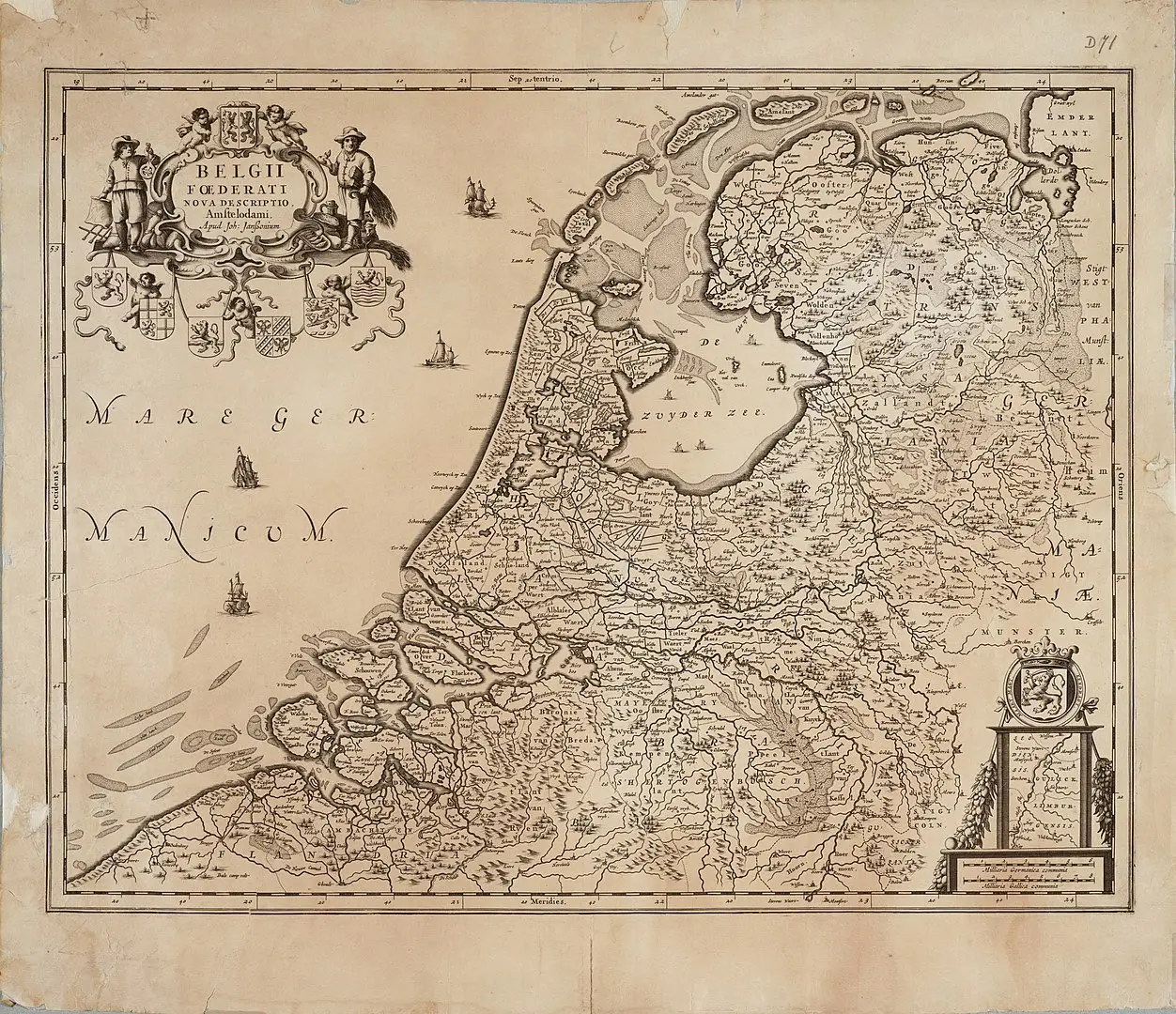
The Zuiderzee Challenge
Long ago, the Zuiderzee was a dangerous sea inlet threatening Dutch lands with devastating floods. Storm surges repeatedly caused loss of life and property. The Dutch knew they had to tackle this problem to protect their homes.
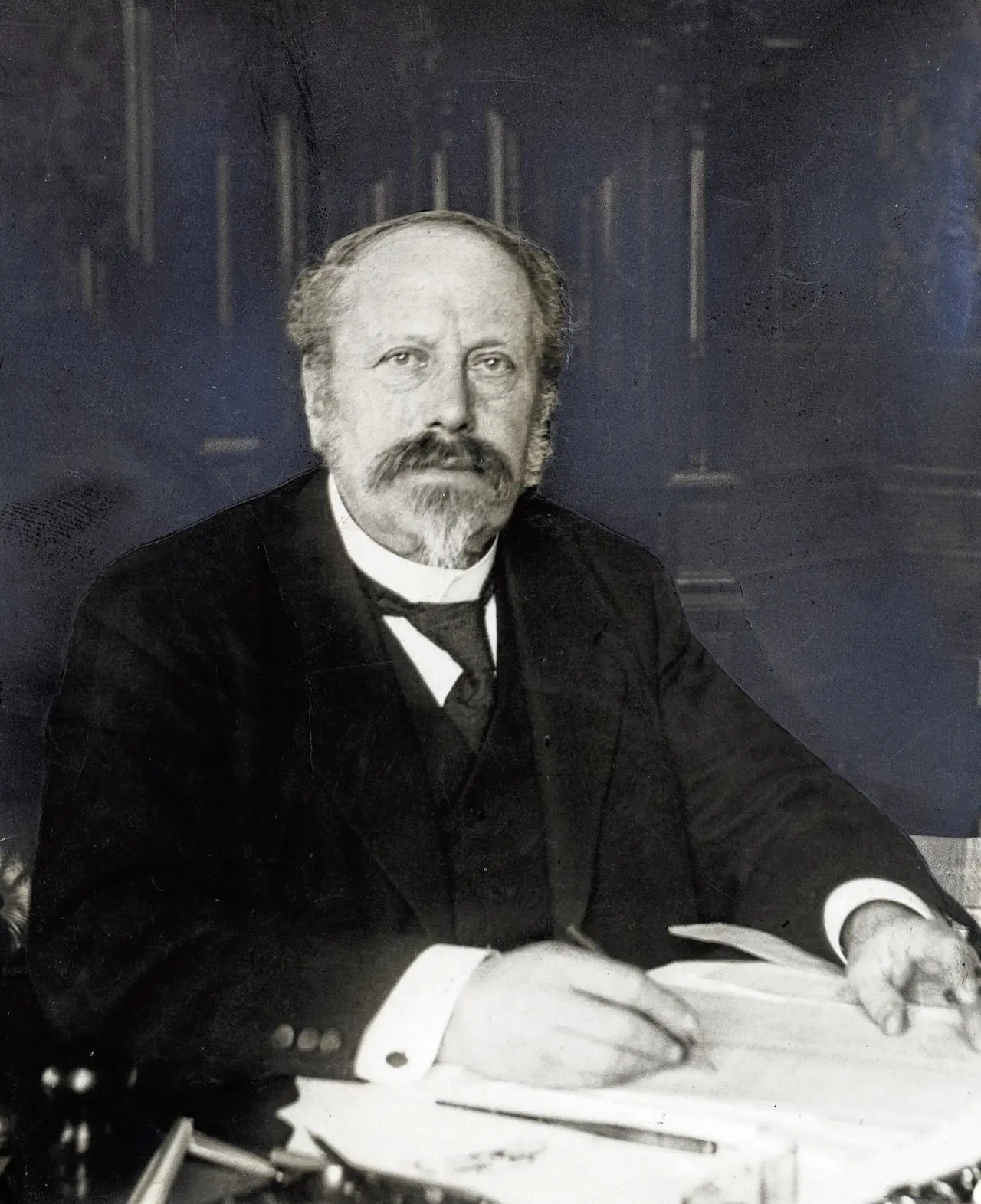
The Vision of Cornelis Lely
Engineer Cornelis Lely proposed an ambitious plan in 1891: close off the Zuiderzee with a massive dam and reclaim new land from the sea. This idea became the largest land reclamation project ever attempted.
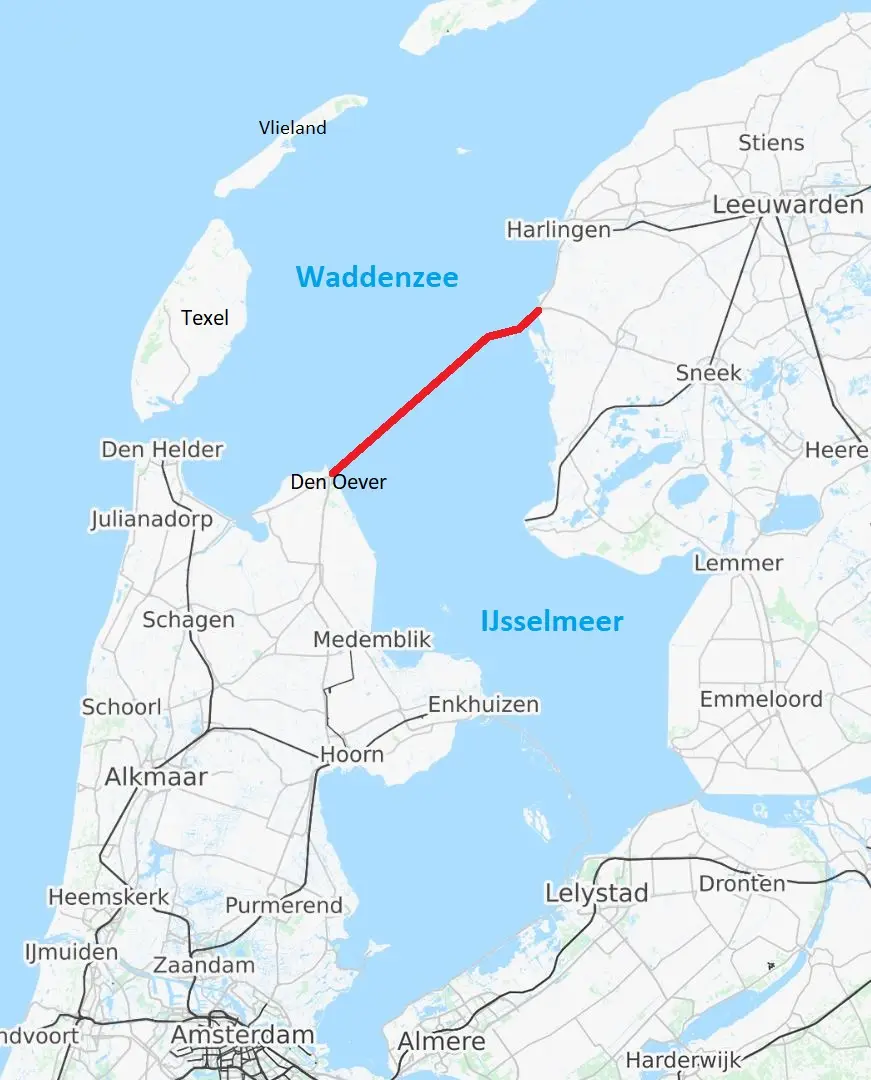
Building the Afsluitdijk
Between 1927 and 1932, the Afsluitdijk dam was built to close the Zuiderzee, turning it into a large freshwater lake called the IJsselmeer. This great feat allowed the Dutch to control water safely and begin land reclamation.
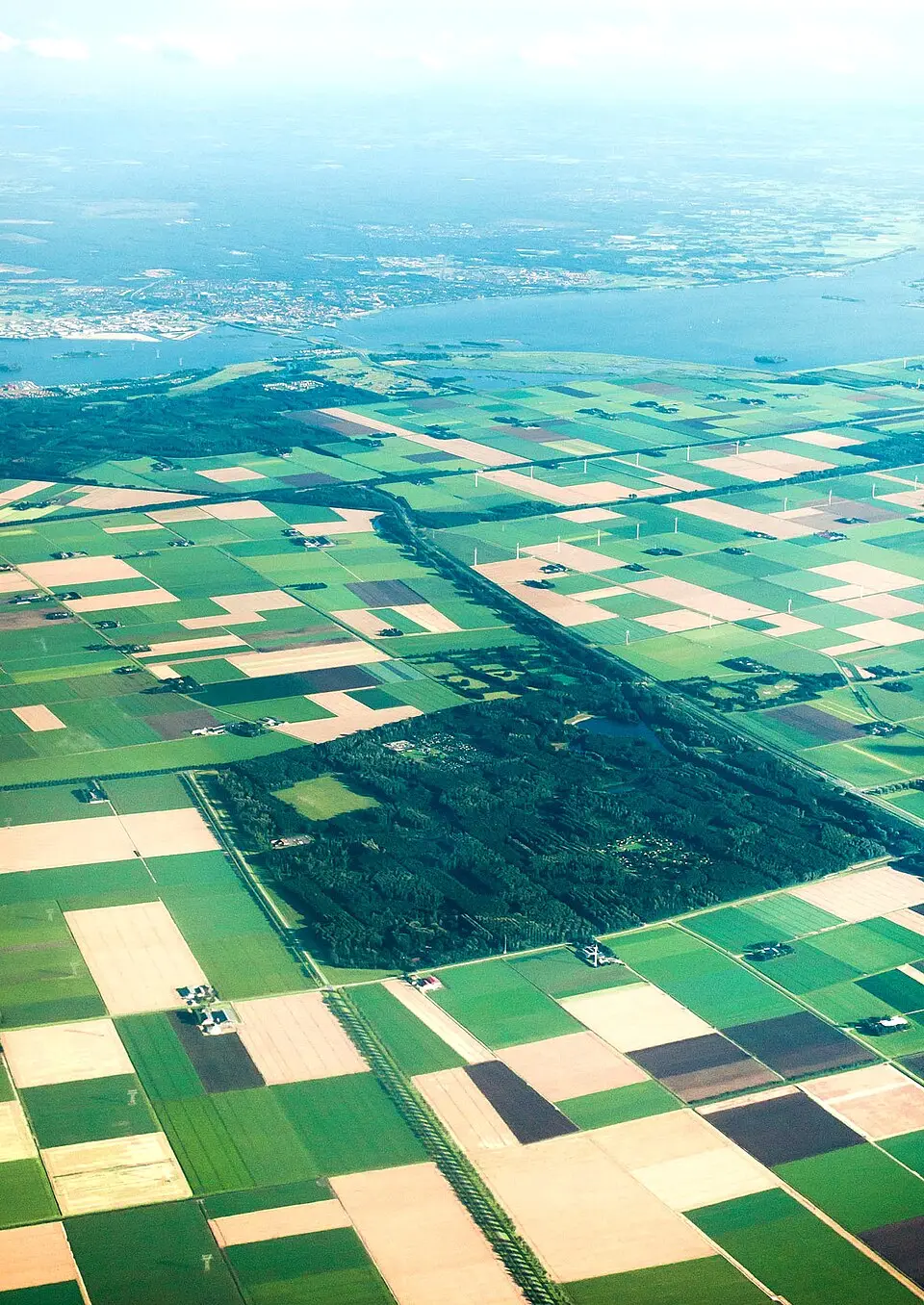
Creating Flevopolder
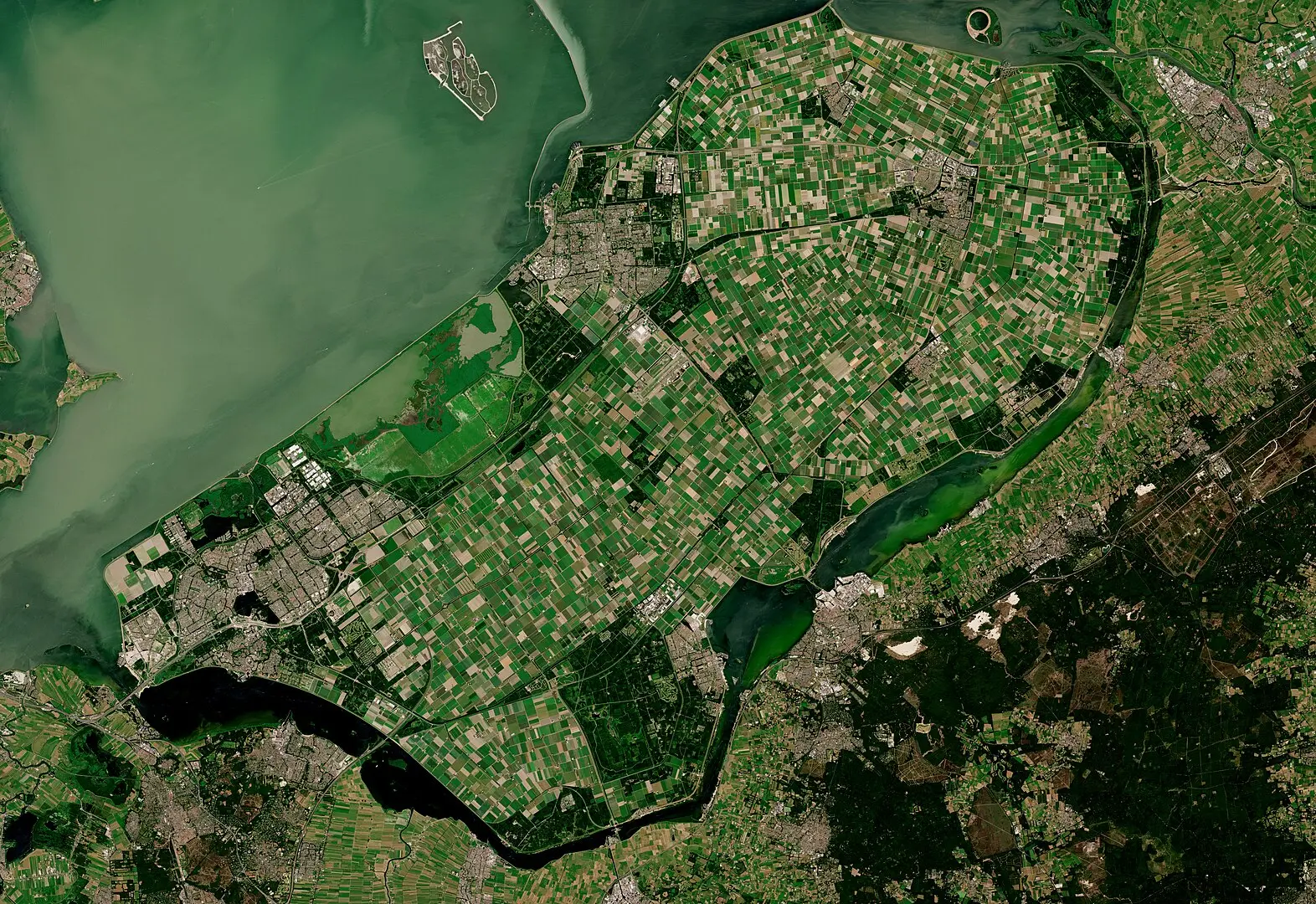
After enclosing the lake, pumps began to drain parts of the IJsselmeer. The northeastern part was drained in 1955, and the southern Flevopolder followed in 1968. Land slowly emerged from what was once sea, forming a new island.
Modern Flevoland
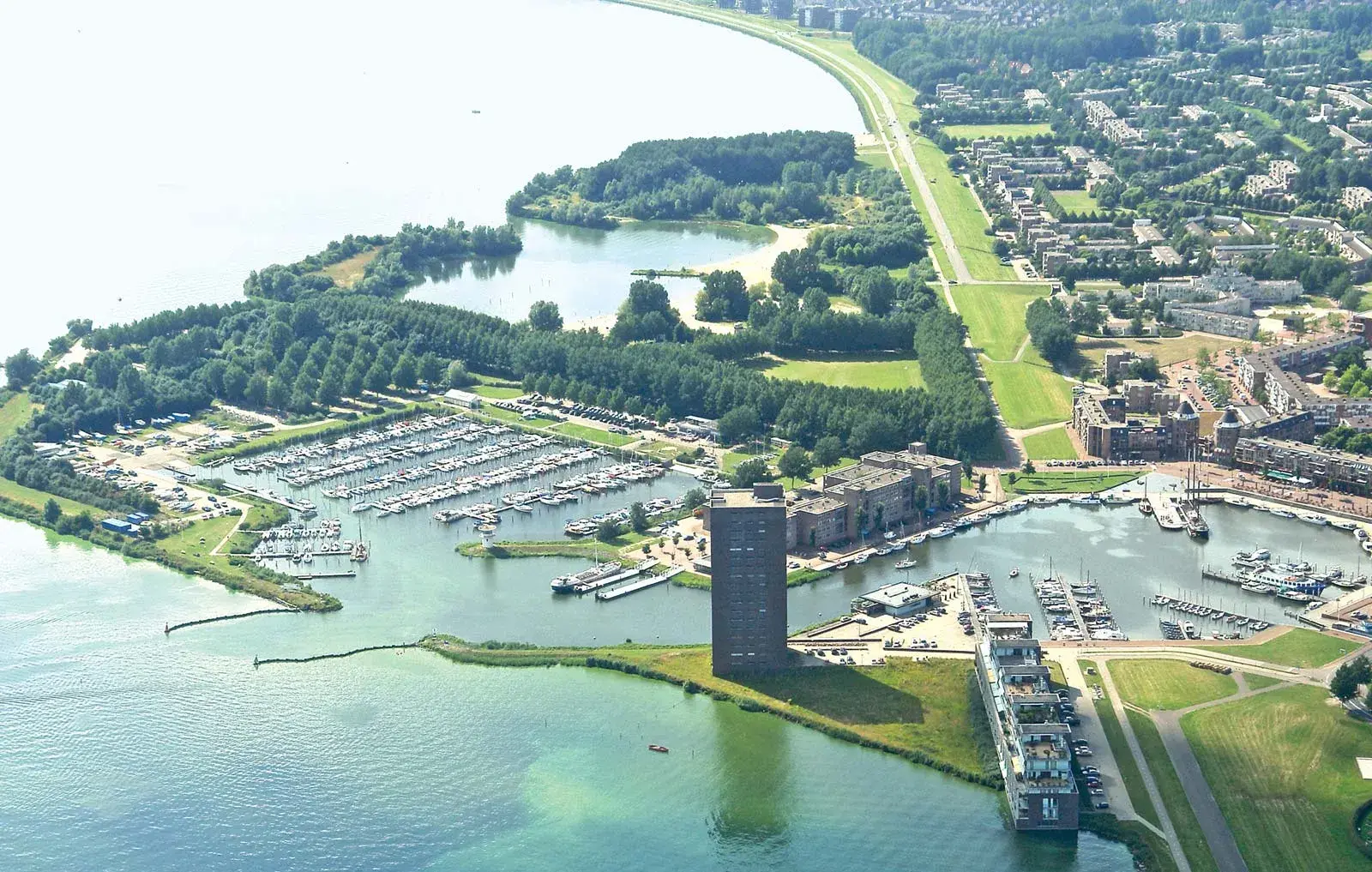
Flevopolder became part of Flevoland province in 1986. Today, it is home to towns like Lelystad and Almere, with over 400,000 residents. The island supports farming, housing, and nature areas, all built on reclaimed land.
A Testament to Dutch Engineering
The creation of Flevopolder shows the Dutch mastery of water management and innovation. From danger to opportunity, the project transformed the sea into valuable land, proving human persistence and engineering skill can reshape nature.
)
)
)
)
)