How the B-52 bomber can keep flying even if an engine fails

The B-52 bomber relies on eight engines, offering unmatched redundancy if one fails. Upgrading to four engines would cause fatal asymmetric thrust due to its small rudder. Instead, the B-52J will receive eight new Rolls-Royce F130 engines.
The Eight-Engine Insurance
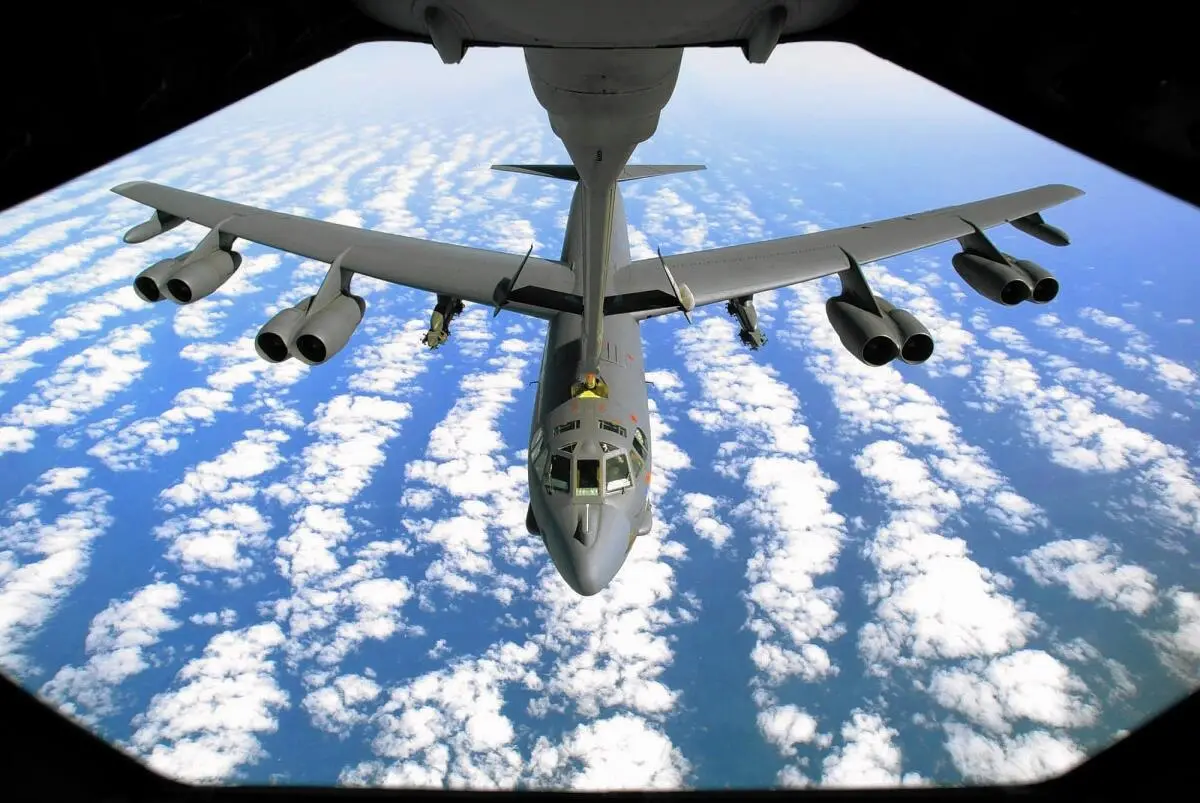
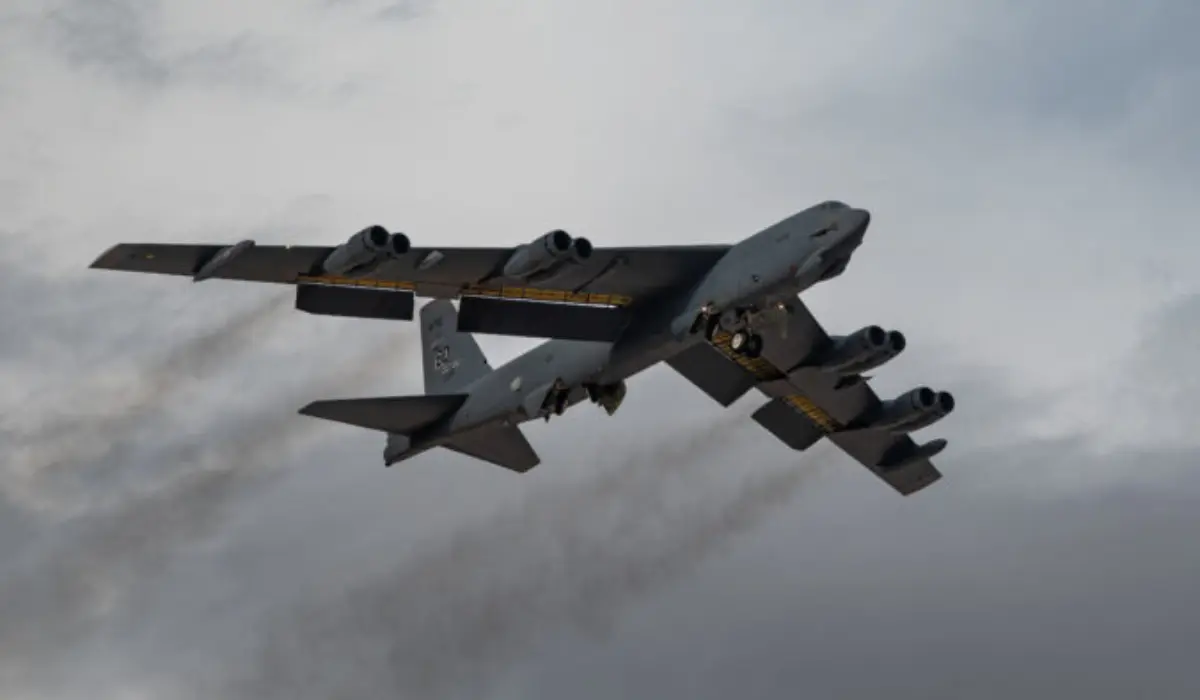
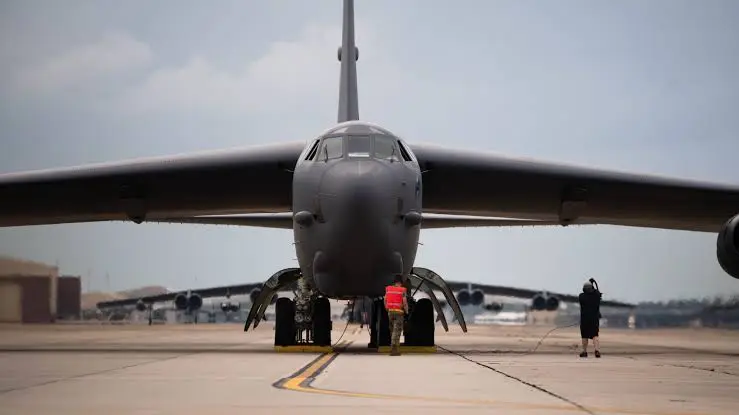
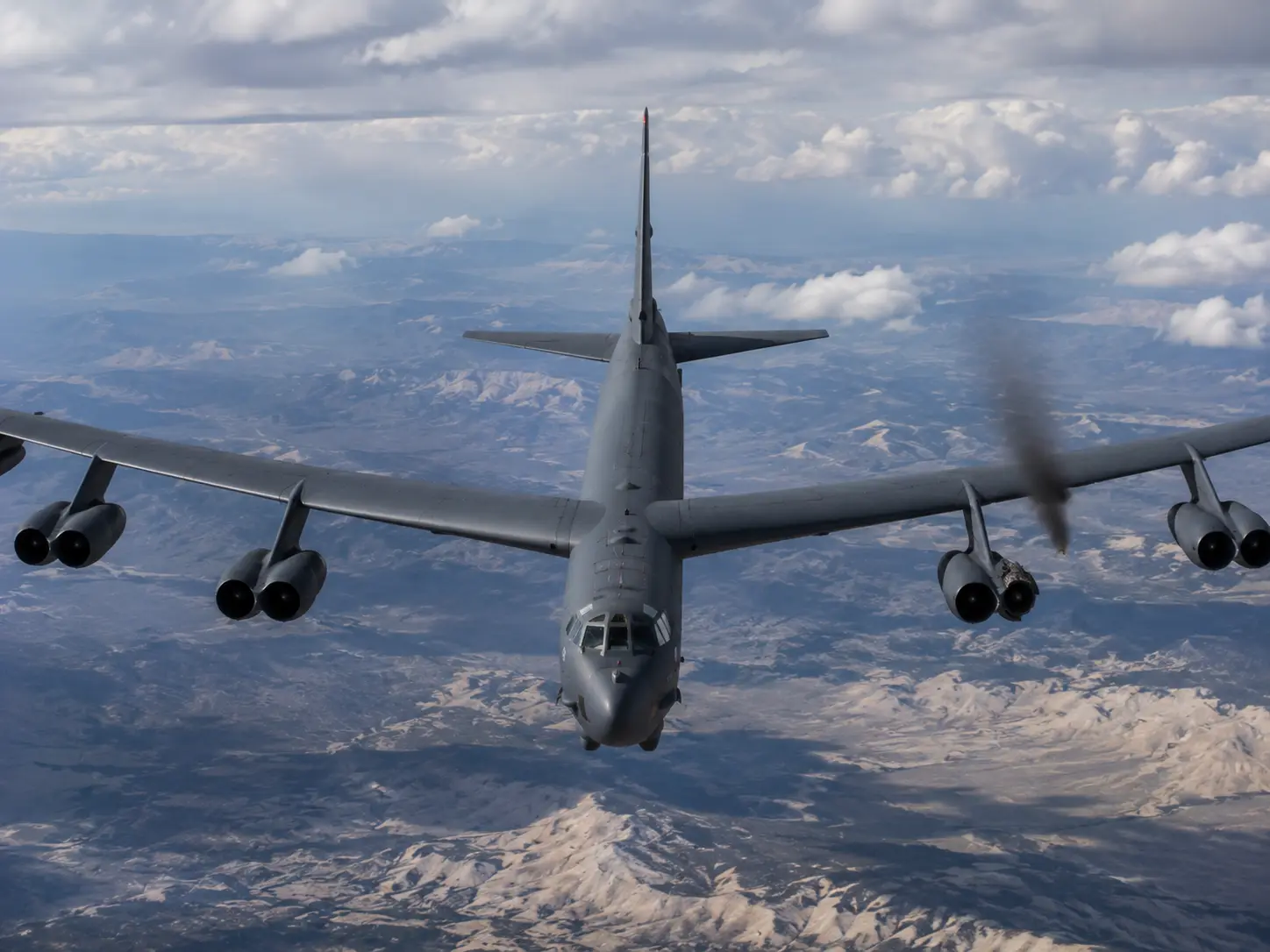
The Boeing B-52 Stratofortress is highly unusual among modern military aircraft because it relies on an array of eight jet engines. This unique twin-pod configuration provides the vintage bomber with an unparalleled level of mechanical redundancy during global strike missions.
A Cold War Relic
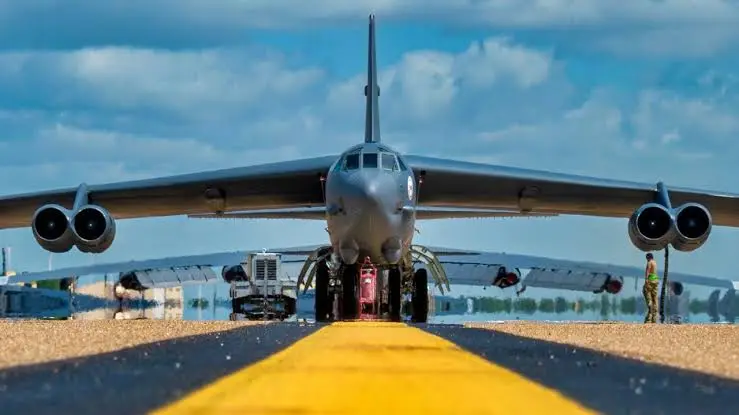
Engineers originally chose this eight-engine layout in the late 1940s because early turbojets simply lacked the raw power to lift the heavy bomber. To achieve the massive thrust necessary to carry heavy payloads into the stratosphere, they were forced to cluster the early engines together.
Surviving Engine Loss
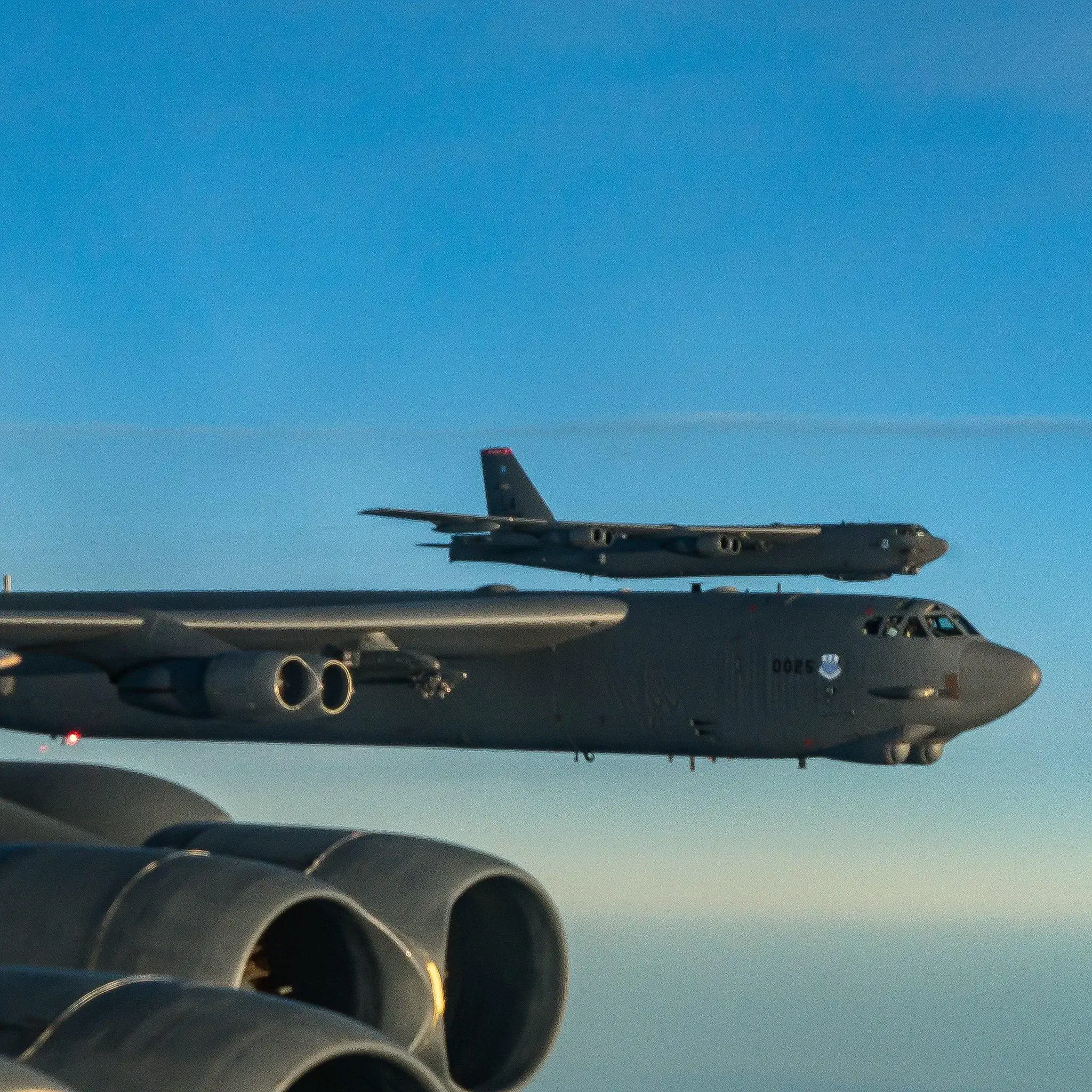
Looking at thrust across eight separate powerplants, losing a single engine mid-flight rarely results in a catastrophic failure. In 2017, a B-52 safely returned to base after an entire engine physically detached and fell off during a routine training flight.
The Four-Engine Trap
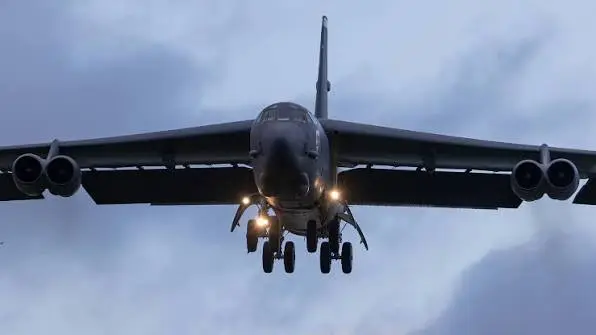
While modern commercial engines are powerful enough to fly the bomber with just four powerplants, the military has consistently rejected this modification. Upgrading to a four-engine layout would introduce dangerous aerodynamic risks if one massive engine were to suddenly flame out mid-flight.
Battling Asymmetric Thrust
If a modern four-engine B-52 lost a powerplant, the resulting asymmetric thrust would violently pull the nose toward the dead engine. Because the Cold War-era tail and rudder lack the surface area to counter this extreme drag, the pilot would quickly lose control of the aircraft.
Avoiding Costly Redesigns
To safely install four engines, aerospace engineers would be forced to completely redesign the aircraft's wings, cockpit, and tail section. The US Air Force concluded that maintaining the original eight-engine layout is a far safer and more cost-effective engineering solution.
The Rolls-Royce Upgrade
To ensure maximum reliability without risking structural redesigns, the Pentagon is executing the B-52J modernisation programme. By installing eight modern Rolls-Royce F130 engines in the original twin-pod layout, the US military ensures the bomber will safely fly into the 2050s.
)
)
)
)
)