How Sputnik 1, the world’s first satellite, changed space exploration forever: 6 interesting facts

It transformed human ambition into orbital reality, reshaped the Cold War rivalry, and ushered in the modern era of satellites. It turned space from a speculative domain into a field of human endeavour, shifting politics, science and technology alike.
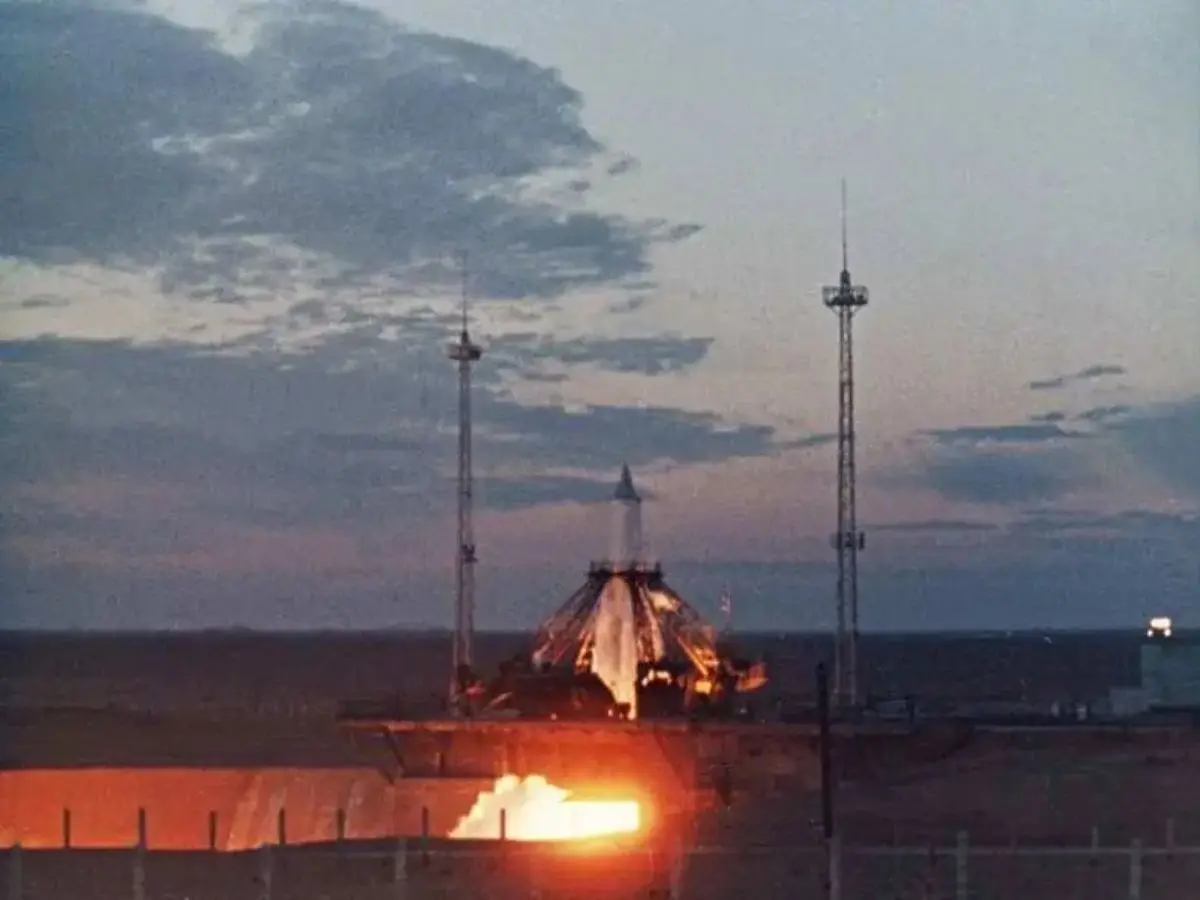
Sputnik 1’s legacy
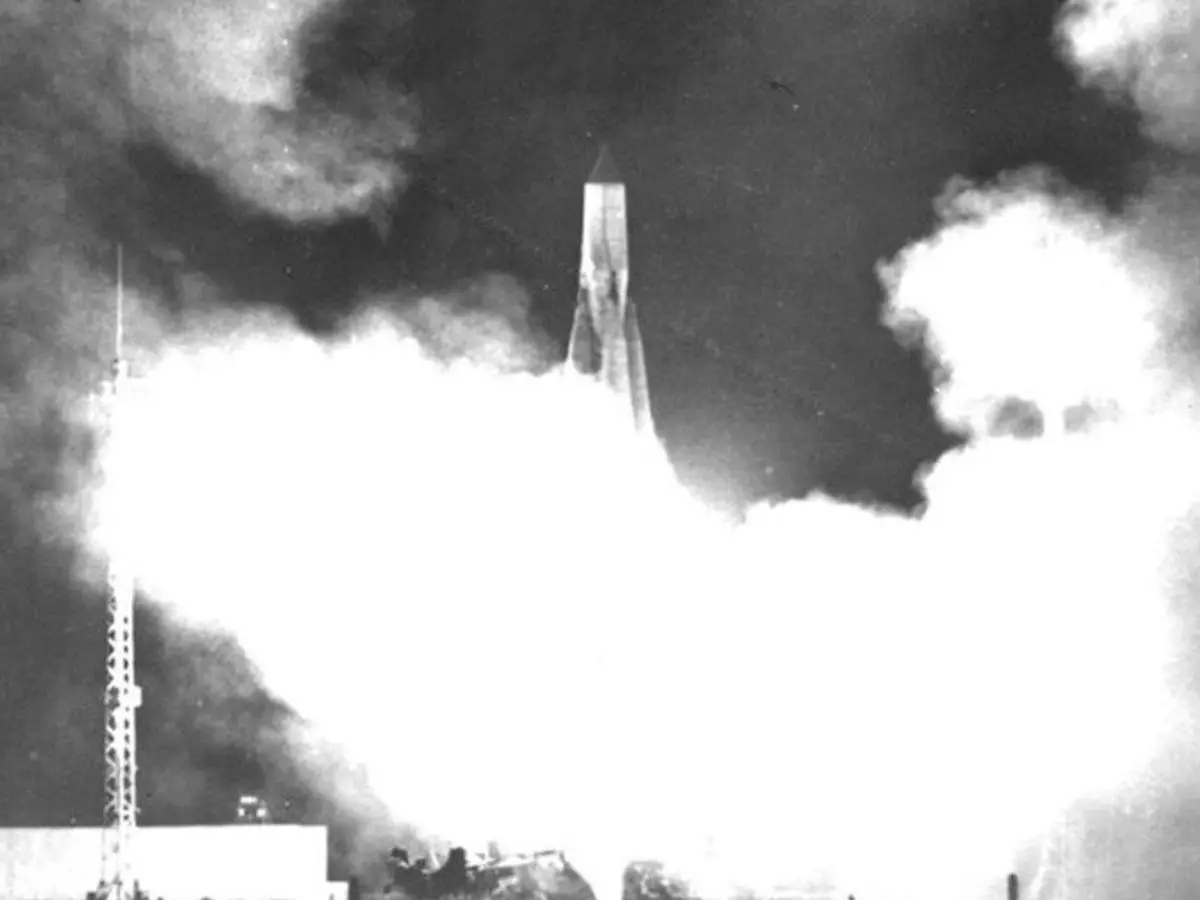
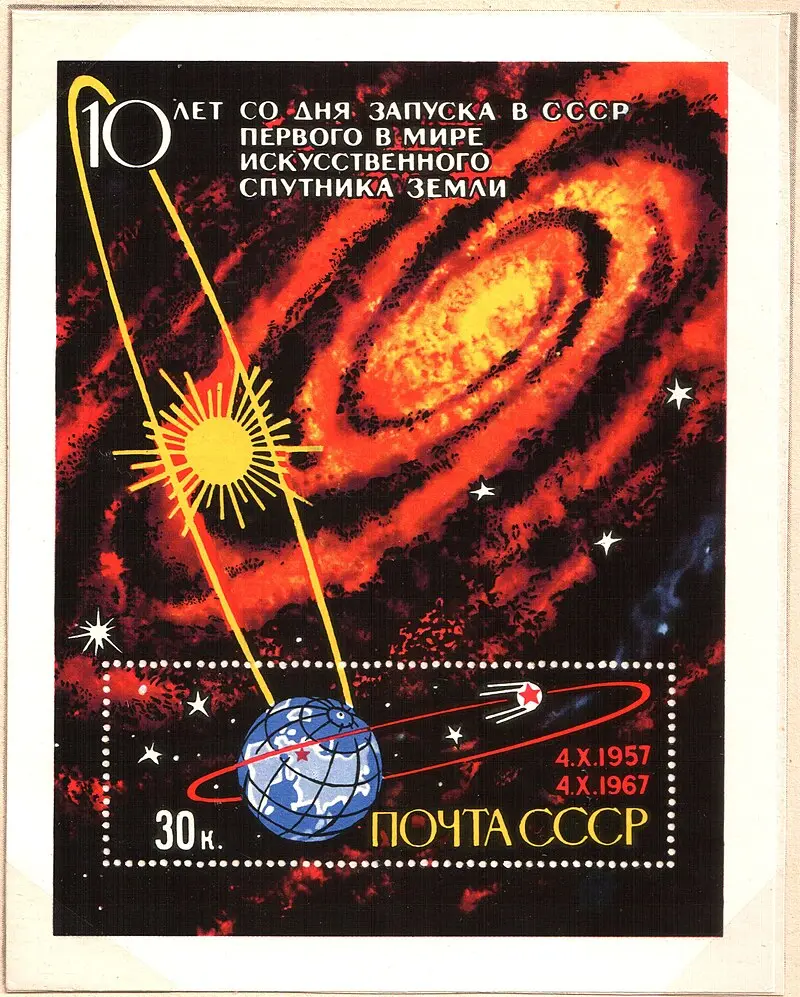
On October 4, 1957, the Soviet Union launched Sputnik 1, the world’s first artificial satellite, into Earth orbit. That single event triggered a cascade of scientific, political and technological changes that still resonate today. It transformed human ambition into orbital reality, reshaped the Cold War rivalry, and ushered in the modern era of satellites. Here are six key facts that show why Sputnik 1 was far more than just a metal sphere in space.
1. A modest but groundbreaking payload
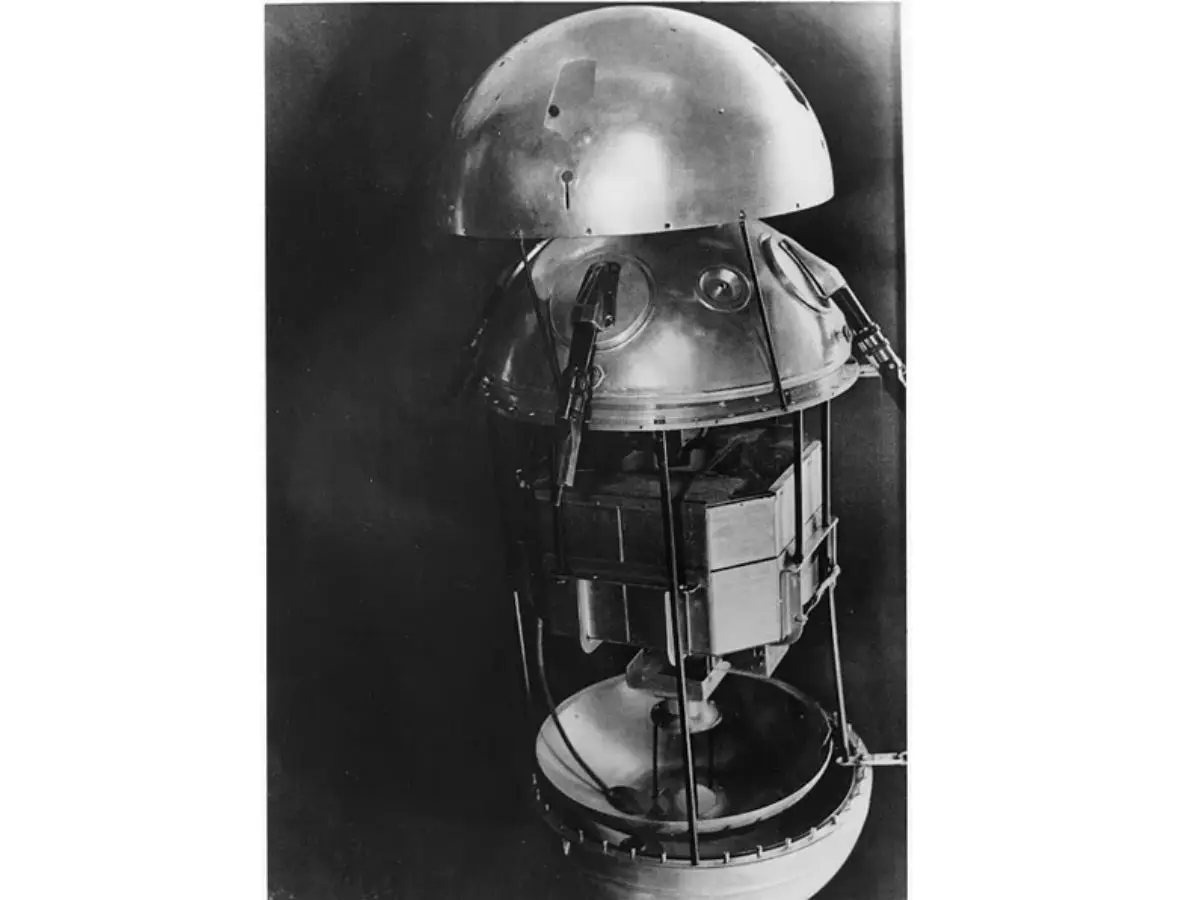
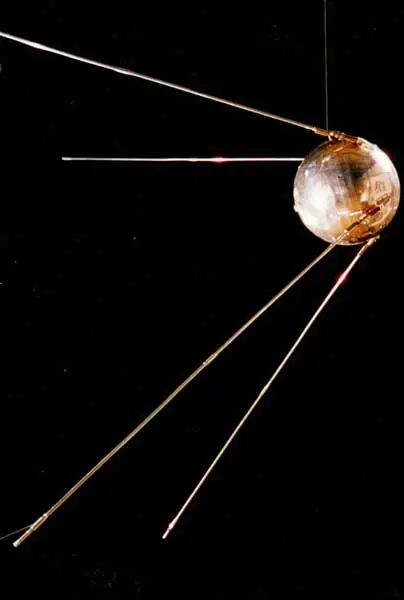
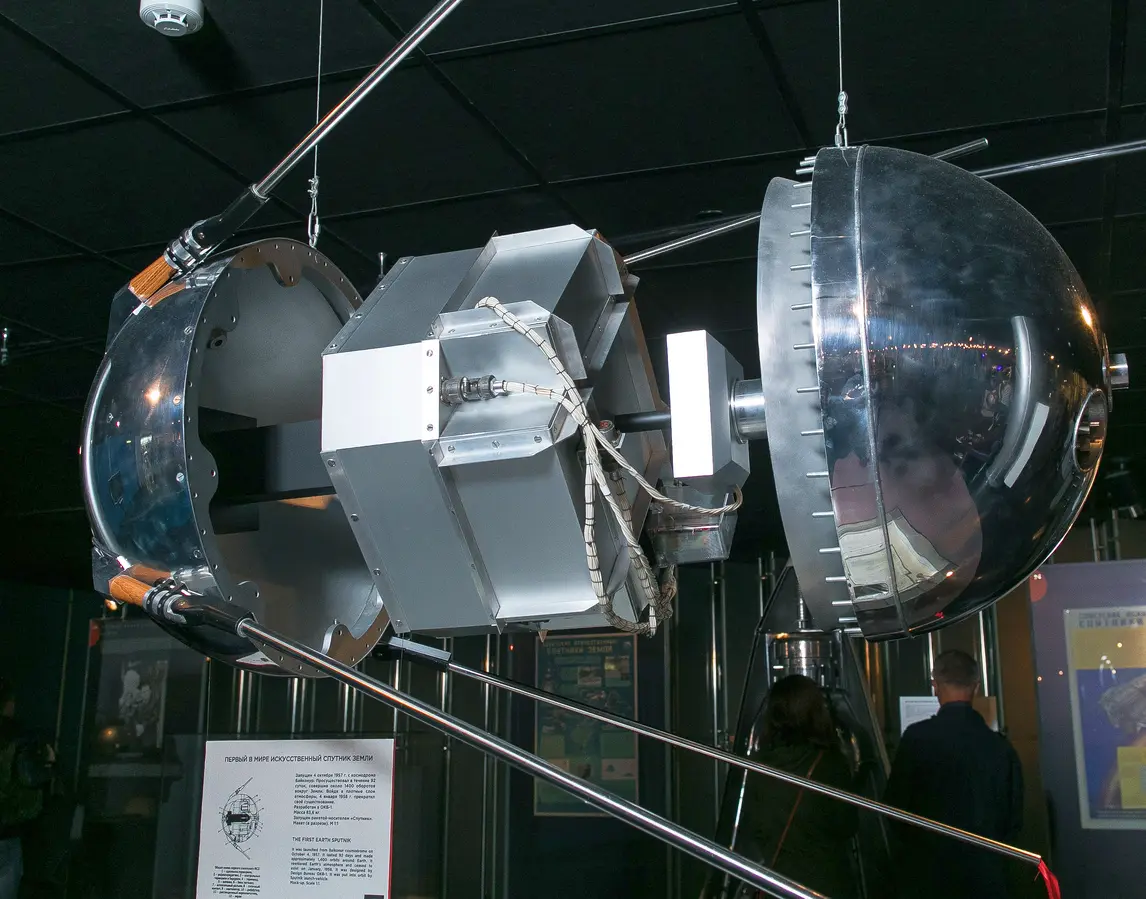
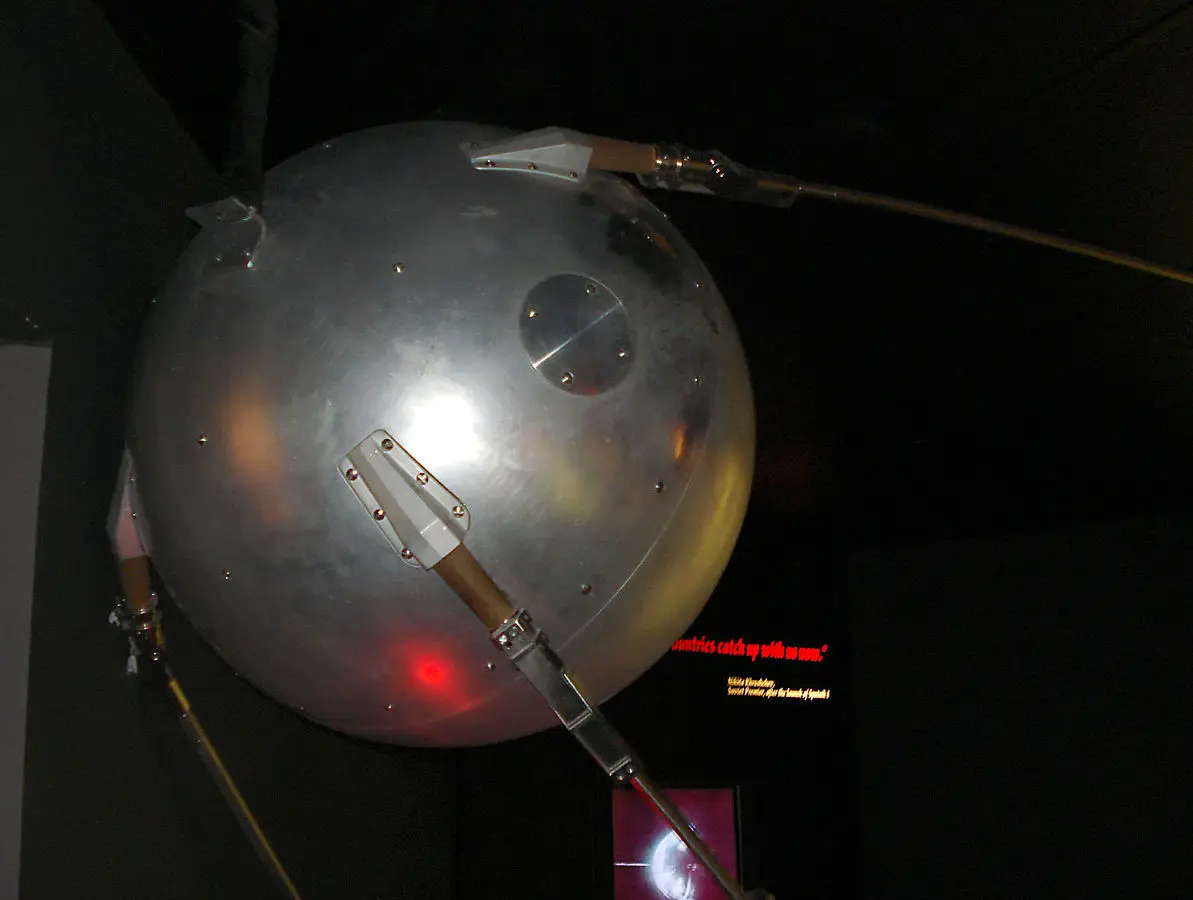
Sputnik 1 weighed about 83.6 kg and measured 58 centimetres in diameter. Its design was simple: a polished metal sphere with four antennas to transmit radio pulses. It orbited the Earth once every 96 minutes, sending a signal that could be picked up by radio operators around the world.
2. It shocked the global order
The launch of Sputnik 1 stunned observers, especially in the United States, which had assumed technological leadership in the postwar era. The fact that the Soviet Union could not only build a rocket capable of reaching orbit but also deliver a satellite underscored the strategic stakes of space.
3. It launched the Space Race
Sputnik 1 is widely recognised as the opening salvo of the U.S.–Soviet Space Race. Its success spurred the United States to accelerate its space programme, ultimately leading to the creation of NASA in 1958.
4. It taught us about the upper atmosphere
By tracking Sputnik’s orbit and how it decayed, scientists could infer properties of Earth’s upper atmosphere, especially its density and drag effects. The way its radio signals propagated also gave insights into the ionosphere and radio-wave transmission under real space conditions.
5. Its mission was brief but symbolic
Sputnik 1 transmitted for about three weeks before its batteries were exhausted. It remained in orbit until 4 January 1958, when it re-entered the atmosphere and burned up after completing approximately 1,440 orbits.
6. It inspired technologies we depend on today
Although simple, Sputnik proved the feasibility of Earth orbit as an operational domain. That foundational demonstration paved the way for satellite systems we now take for granted, communications, navigation, weather, Earth observation and global broadcasting. Sputnik 1’s legacy is not just in its physical presence but in the transformation it catalysed. It turned space from a speculative domain into a field of human endeavour, shifting politics, science and technology alike.
)
)
)
)
)