How NASA could stop an asteroid from hitting Earth

NASA’s DART mission proved we can deflect asteroids by hitting them with a spacecraft. From nuclear blasts to gravity tractors, learn how scientists plan to protect Earth and why early detection is key.
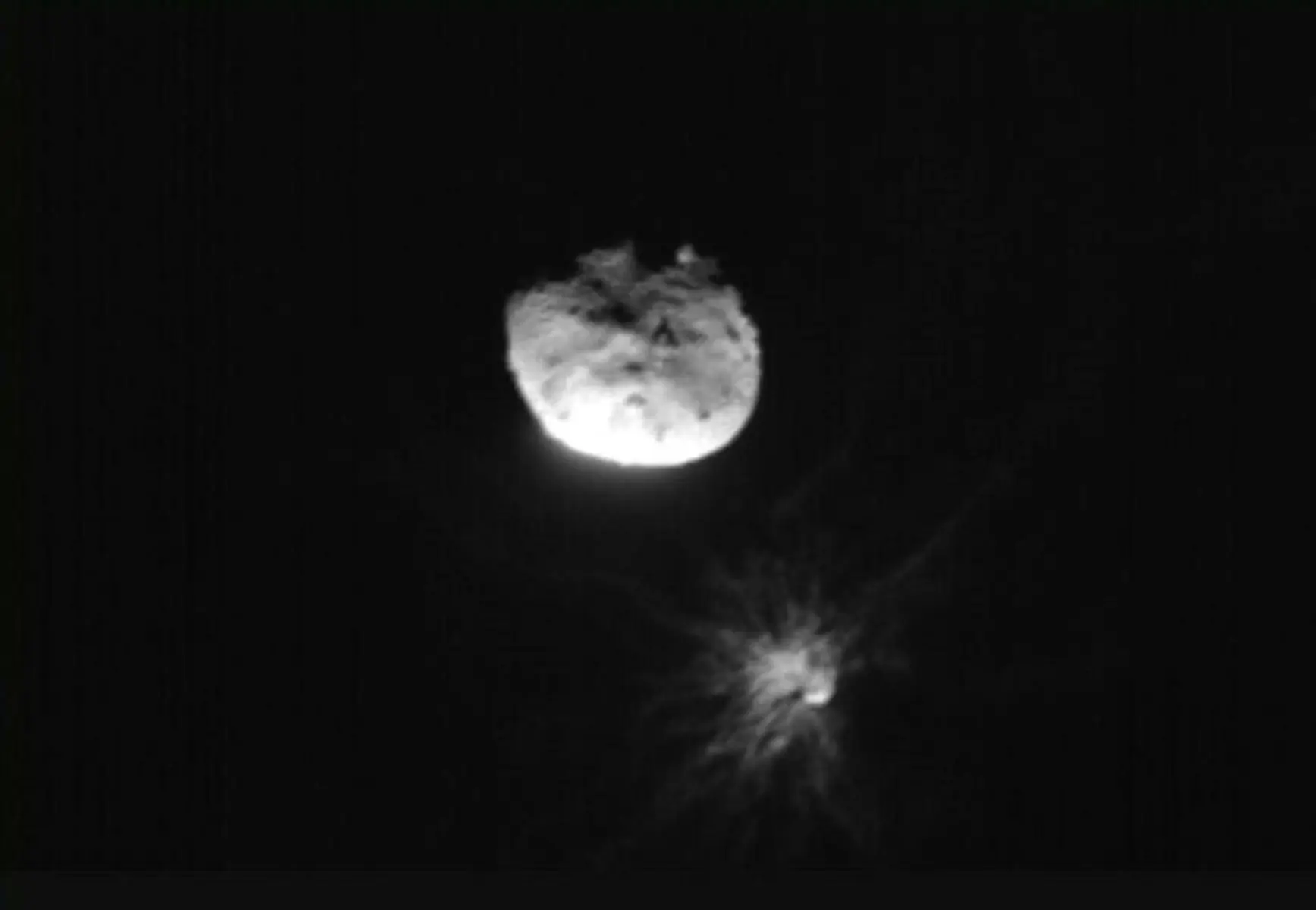
NASA’s DART mission
NASA’s DART mission showed for the first time that we can change an asteroid’s path by hitting it at high speed. This method, called the kinetic impactor technique, uses a spacecraft to nudge an asteroid away from Earth’s orbit.
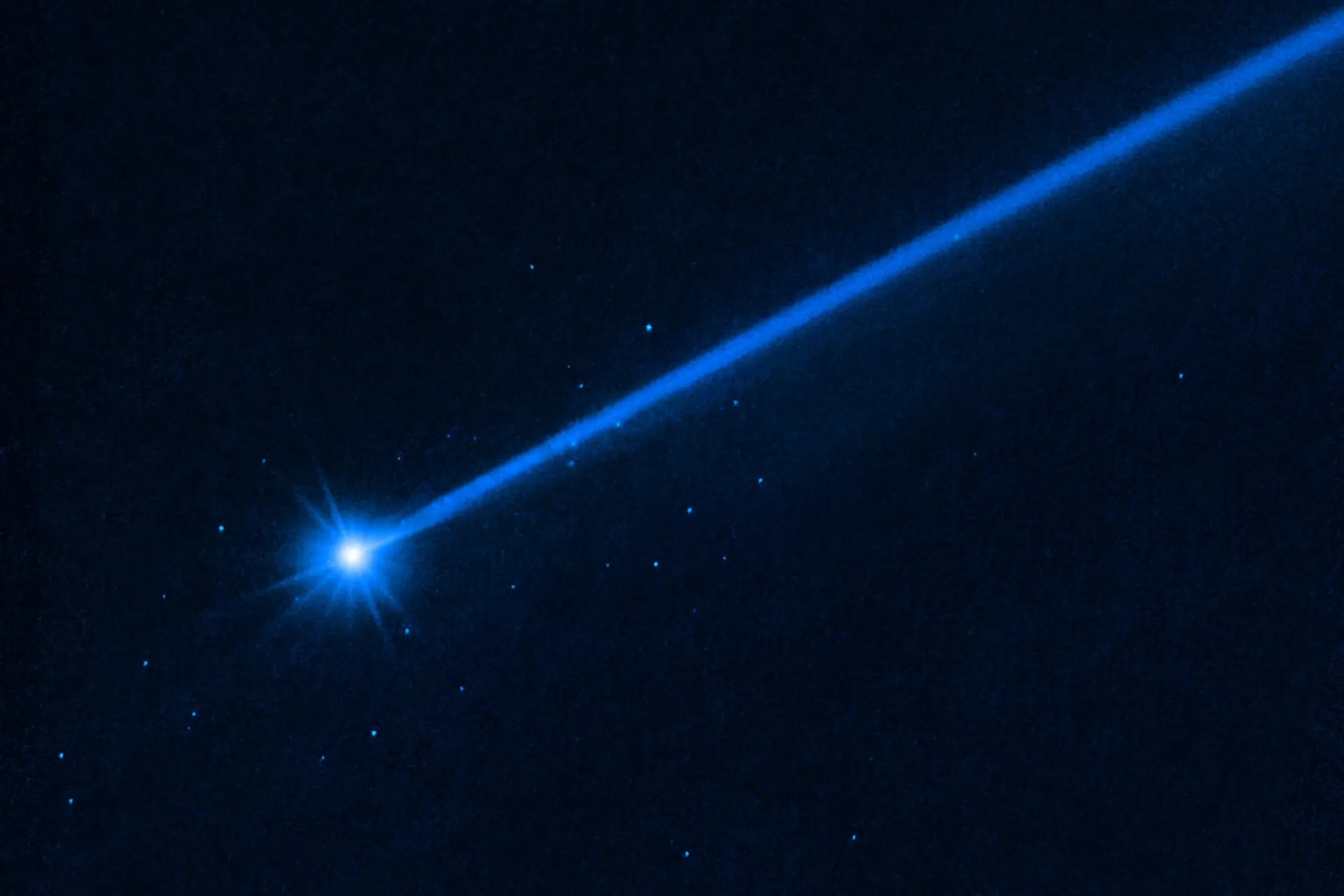
Dimorphos
DART targeted a small asteroid moon called Dimorphos, hitting it in 2022 and shortening its orbit by 32 minutes. This success proved that we can steer asteroids, lowering the risk of collision with Earth.

Nuclear explosions close to an asteroid
Another idea is to use nuclear explosions close to an asteroid. A nuclear blast would vaporise a small surface layer, pushing the asteroid off course without breaking it into dangerous fragments. This method works best for very large asteroids or ones detected late.
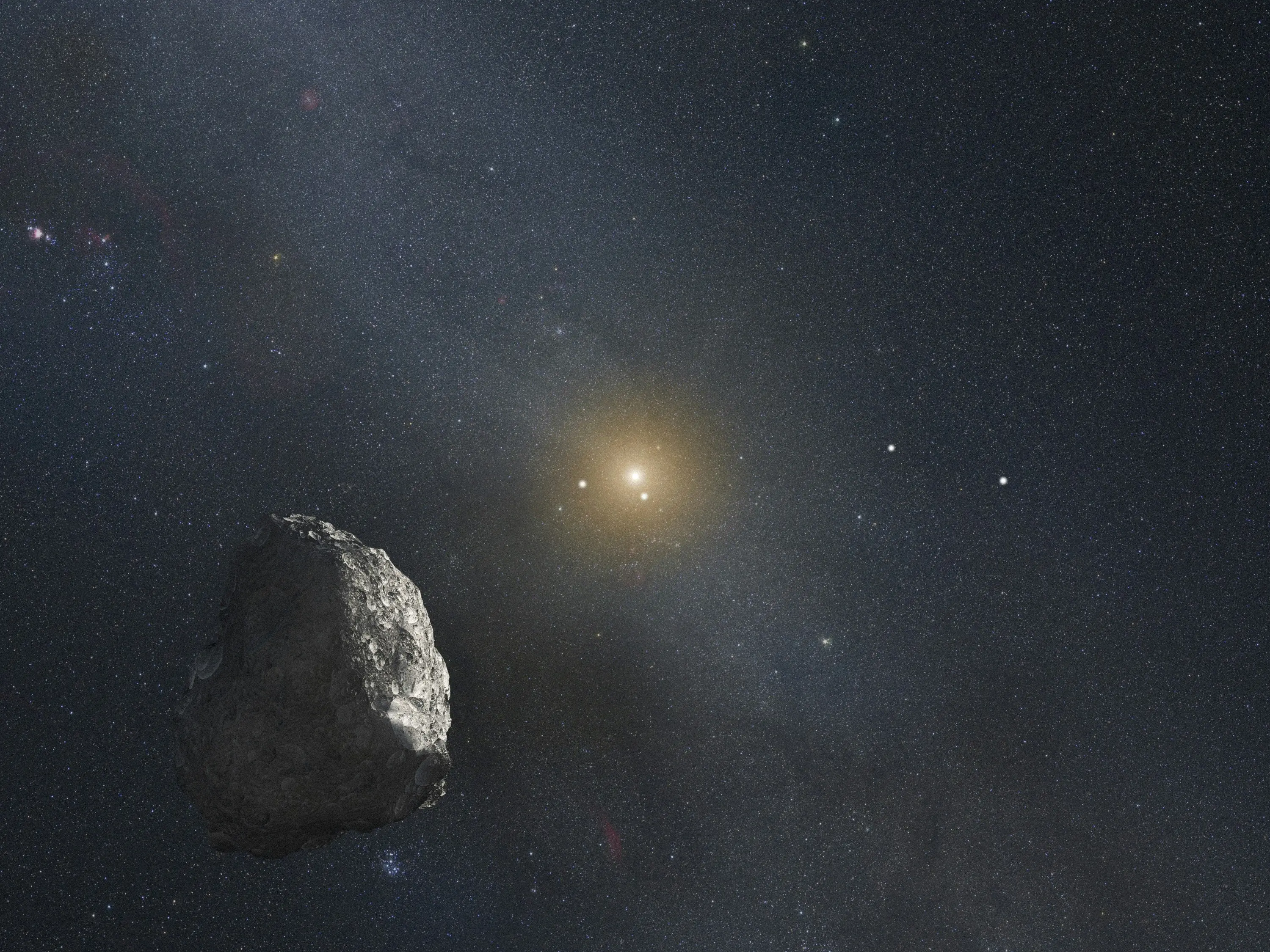
Spacecraft’s gravity
Slower techniques include gravity tractors, which use the pull of a spacecraft’s gravity over time to move an asteroid. These are less risky but require many years of early warning and careful planning.

Planetary Defense Coordination
NASA continues studying many defence methods. Their Planetary Defense Coordination Office tracks near-Earth objects and researches ways to deflect or disrupt them before they hit Earth.

Blasting an asteroid
While blasting an asteroid with a nuclear device is Hollywood’s favourite, real missions prefer nudging it gently with a kinetic impactor. These missions are less dangerous and their effects easier to predict.

Technology is improving fast
Technology is improving fast. Successful tests like DART give hope we could one day protect Earth from killer asteroids. But this depends on early detection, international cooperation, and continued space research.
)
)
)
)
)