How much fuel does the HAL Tejas fighter jet burn during a standard sortie?

Tejas Mk1 carries 2,458 kilograms of internal fuel. A standard 45-minute combat sortie burns 1,200-1,400 kilograms. Subsonic cruise burns 250-300 kg per hour. Afterburner increases burn to 600-800 kg hourly. Operating cost is approximately $8,000 per flight hour. Know more below.
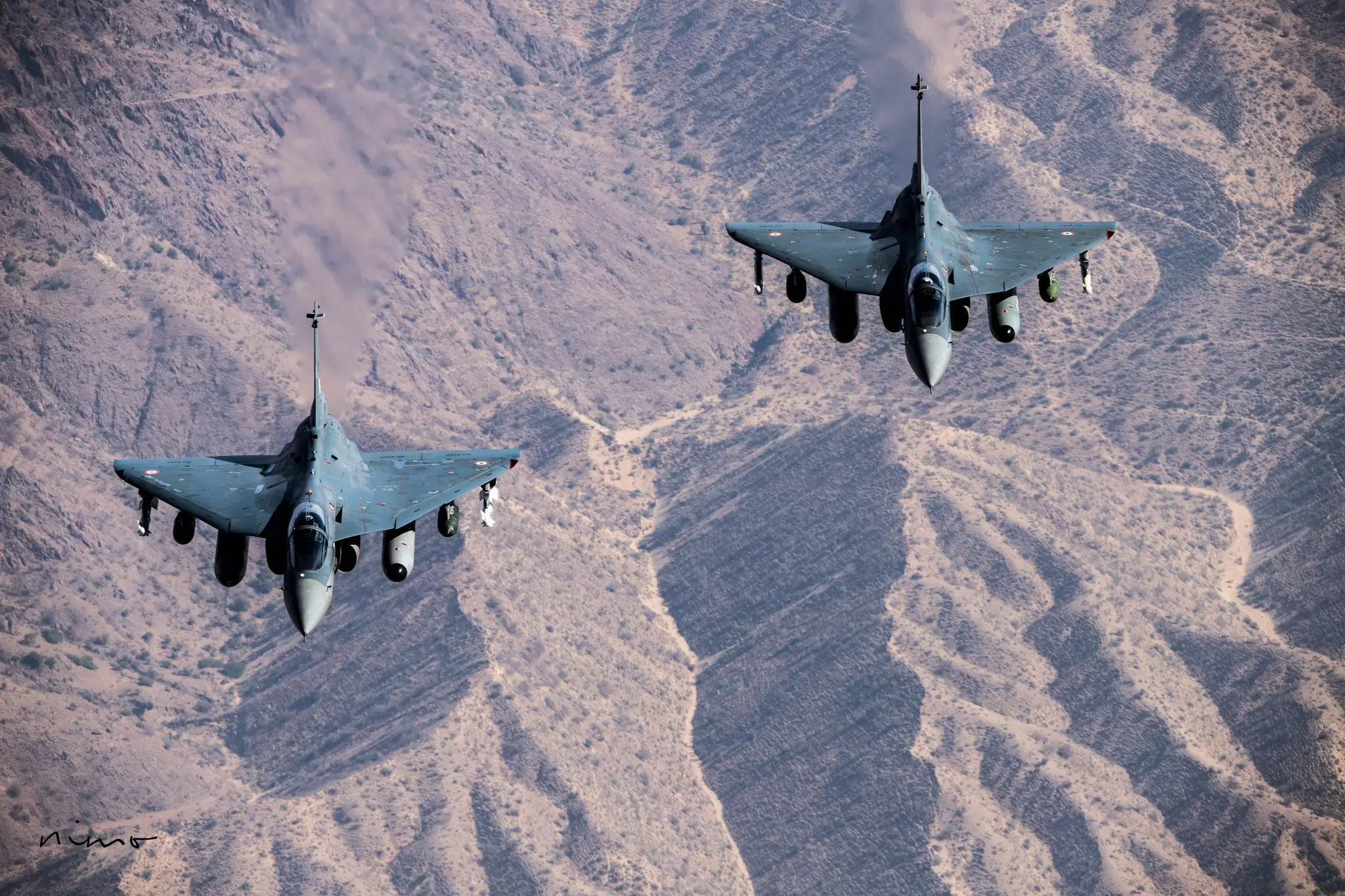
Internal Fuel Tank Capacity: 2,458 Kilograms For Mk1
The Tejas Mk1 aircraft carries 2,458 kilograms of fuel internally. This equals about 3,060 litres. The fuel sits in tanks inside the wings and fuselage. The Tejas Mk2 carries even more, about 3,000 to 3,400 kilograms internally. This extra fuel gives longer range and endurance. For long missions, the aircraft can attach external drop tanks. Two 1,200-litre tanks add another fuel capacity. Three external tanks give maximum range for long-distance missions.
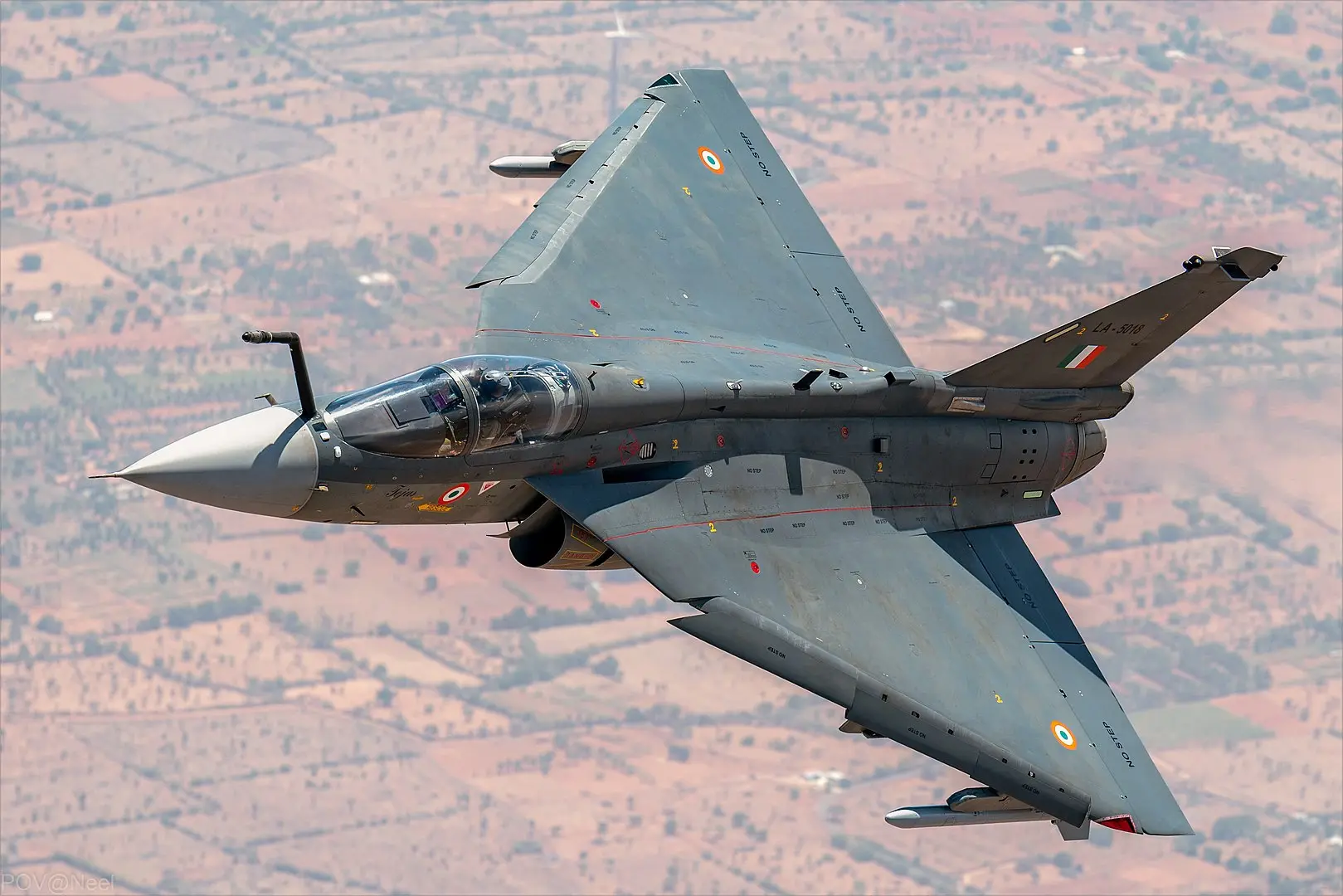
45-Minute Combat Flight Burns 1,200 To 1,400 Kilograms Fuel
A typical combat sortie lasts 45 to 50 minutes. During this time, the Tejas burns approximately 1,200 to 1,400 kilograms of fuel. This includes takeoff, climbing to altitude, flying the patrol, and landing. The aircraft operates at different speeds during different parts of the mission. During patrol at subsonic speed, fuel burn is lower. During combat manoeuvres or climbing, fuel burn increases. Landing with enough reserve fuel for emergencies is critical.
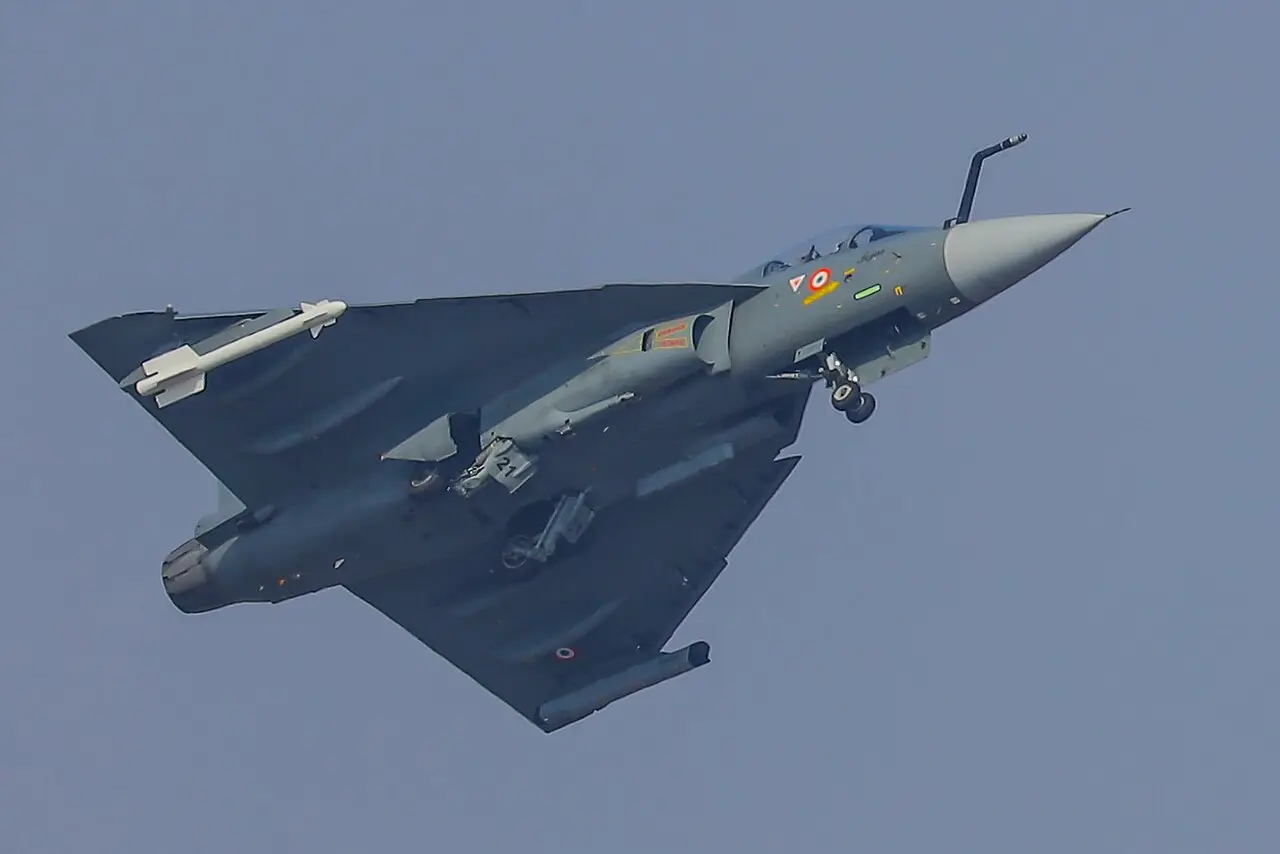
Subsonic Cruise Burns 250-300 Kilograms Per Hour
When the Tejas flies at subsonic speeds for patrol or transit, the fuel consumption is moderate. At cruise speed of around 750 kilometres per hour, the aircraft burns approximately 250 to 300 kilograms of fuel per hour. This is relatively efficient. It allows the aircraft to patrol for extended periods without refuelling. The exact amount varies based on altitude, weather, and weapons load. Higher altitude cruise typically burns less fuel. Flying at sea level burns more fuel due to thicker air.
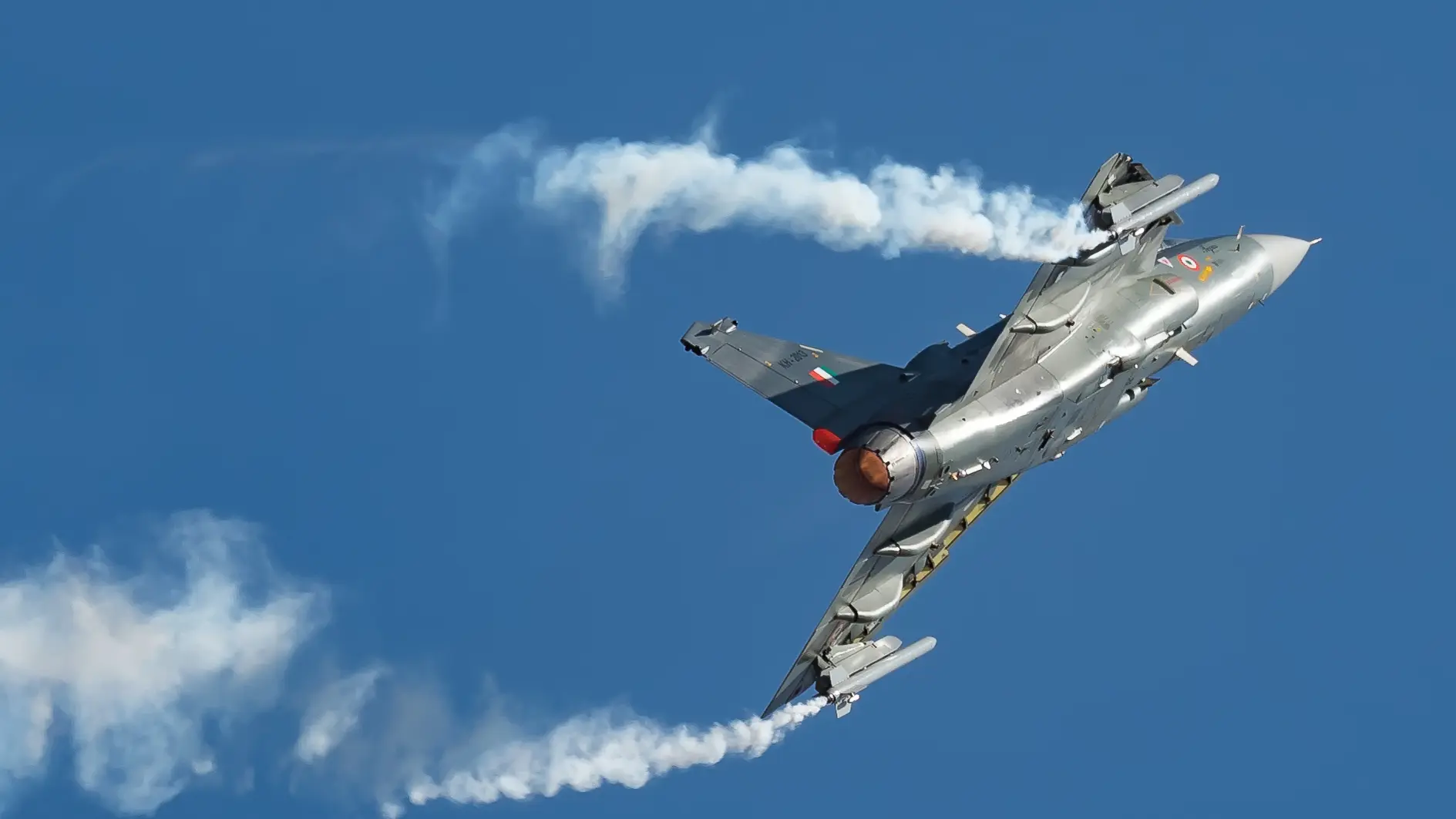
Afterburner Engagement Increases Fuel Burn To 600-800 Kg Per Hour
When the pilot engages the afterburner for acceleration or combat manoeuvres, fuel consumption increases dramatically. With afterburner engaged, the Tejas burns 600 to 800 kilograms of fuel per hour. This is why pilots use afterburner only when necessary. A brief burst to gain speed in combat or evade a threat uses a lot of fuel quickly. The F404 engine with afterburner has a specific fuel consumption of 1.85 kilograms per kilonewton per hour. This explains why supersonic flight must be limited during long missions.
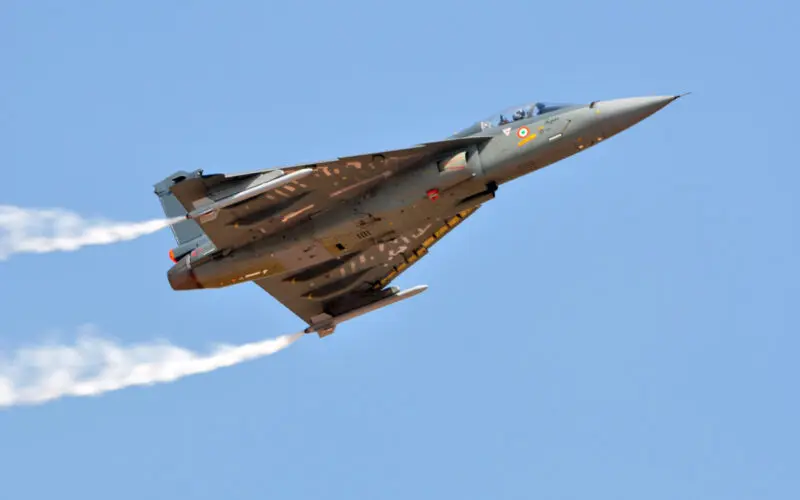
Engine Efficiency Specifications
The specific fuel consumption, or SFC, measures engine efficiency. The F404 engine powering Tejas Mk1 has an SFC of 0.78 kilograms per kilonewton per hour at military thrust. This means for every kilonewton of thrust produced, the engine uses 0.78 kilograms of fuel per hour. The Tejas Mk2 with the newer F414 engine achieves 10 percent better fuel efficiency. This 10 percent improvement extends range and endurance significantly. Better fuel efficiency means longer patrol times and greater combat flexibility.
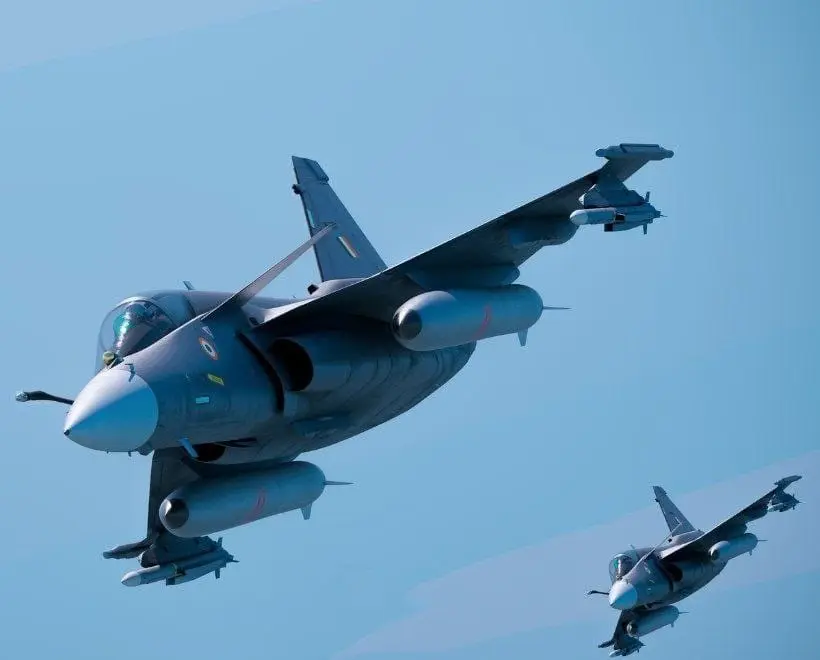
Long-Distance Ferry Flight: 800 Kilograms Fuel Reserve
Flying from Bengaluru to Jaisalmer with two 1,200-litre drop tanks, the Tejas completes the journey and lands with 800 kilograms of fuel remaining. This demonstrates excellent range. The distance is about 800 kilometres. With 1,200-litre drop tanks providing extra fuel, the aircraft reaches the destination safely. This example shows the Tejas can operate across India without always refuelling at every base. It reduces logistical demands on the Indian Air Force.
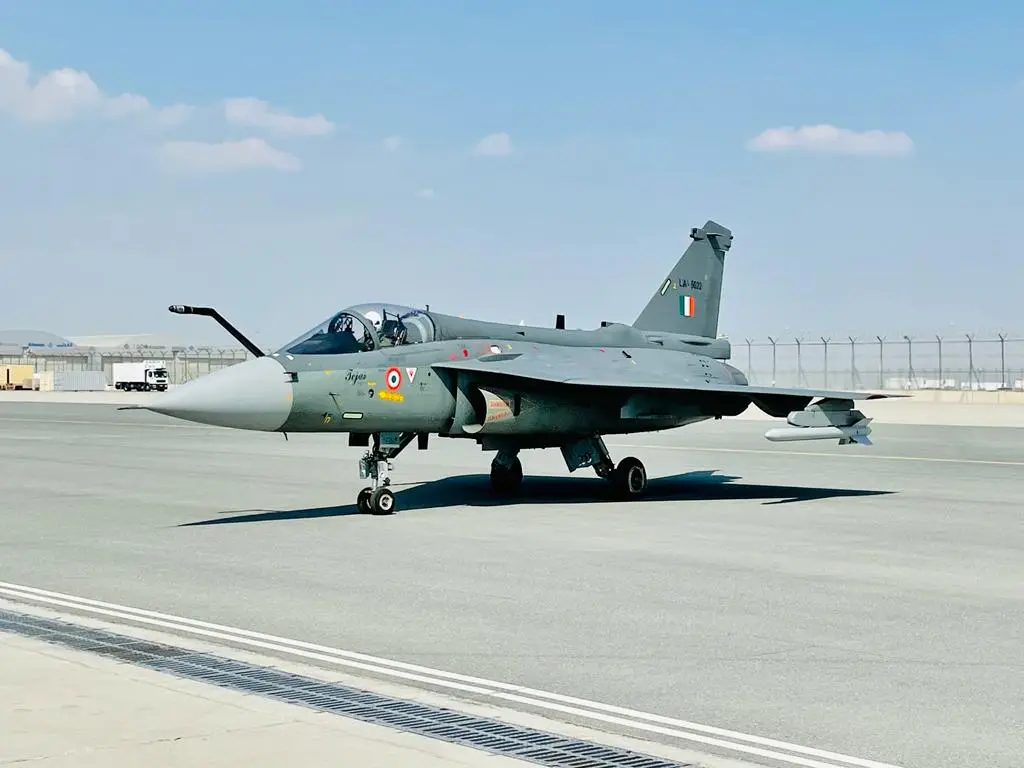
Operating Costs And Future Efficiency
The total cost to operate a Tejas fighter jet is approximately 8,000 US dollars per flight hour. This includes fuel, maintenance, crew training, and wear on components. Compared to other fighters, this is relatively economical. The Tejas Mk2 with the more efficient F414 engine will reduce this operating cost. Future versions will include even better fuel management systems. These improvements matter because the Indian Air Force operates on a budget. More efficient aircraft mean more flight hours with the same budget allocation.
)
)
)
)
)