How much does a B-52 bomber cost?

The B-52H bomber originally cost US$9.3 million in 1962, or roughly US$84 million today. To keep the fleet flying into the 2050s, the US Air Force is spending US$48.6 billion on upgrades. Despite this, its US$88,000 hourly flight cost makes it a highly cost-effective military asset.
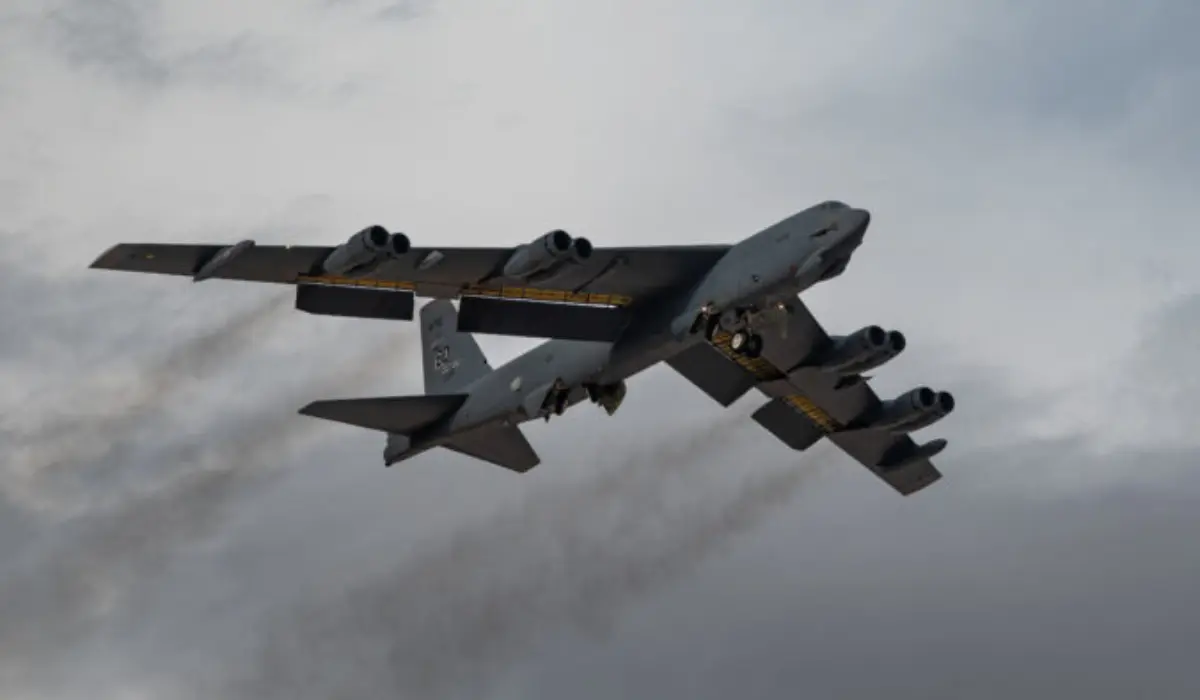
The Original Price Tag
The B-52H Stratofortress originally cost the US military around US$9.3 million per aircraft when the final models rolled off the assembly line in 1962. Adjusted for modern inflation, official Air Force documents place that historic flyaway unit cost at approximately US$84 million today.
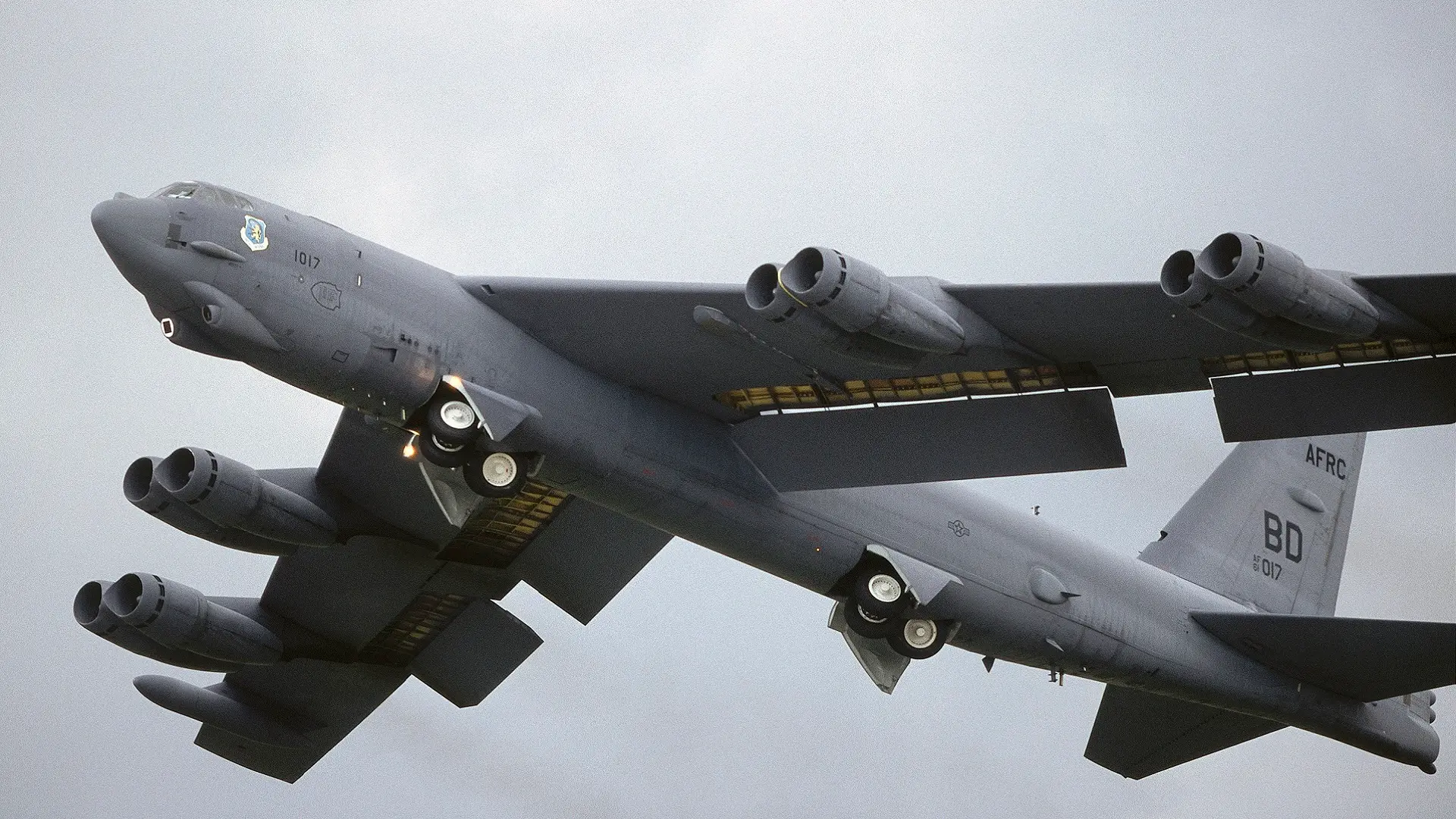
A Multi-Billion Overhaul
To keep these 70-year-old airframes flying into the 2050s, the US Air Force is currently executing an incredibly expensive mechanical overhaul. Government watchdogs estimate that a dozen combined B-52 modernisation programmes will eventually cost American taxpayers roughly US$48.6 billion.
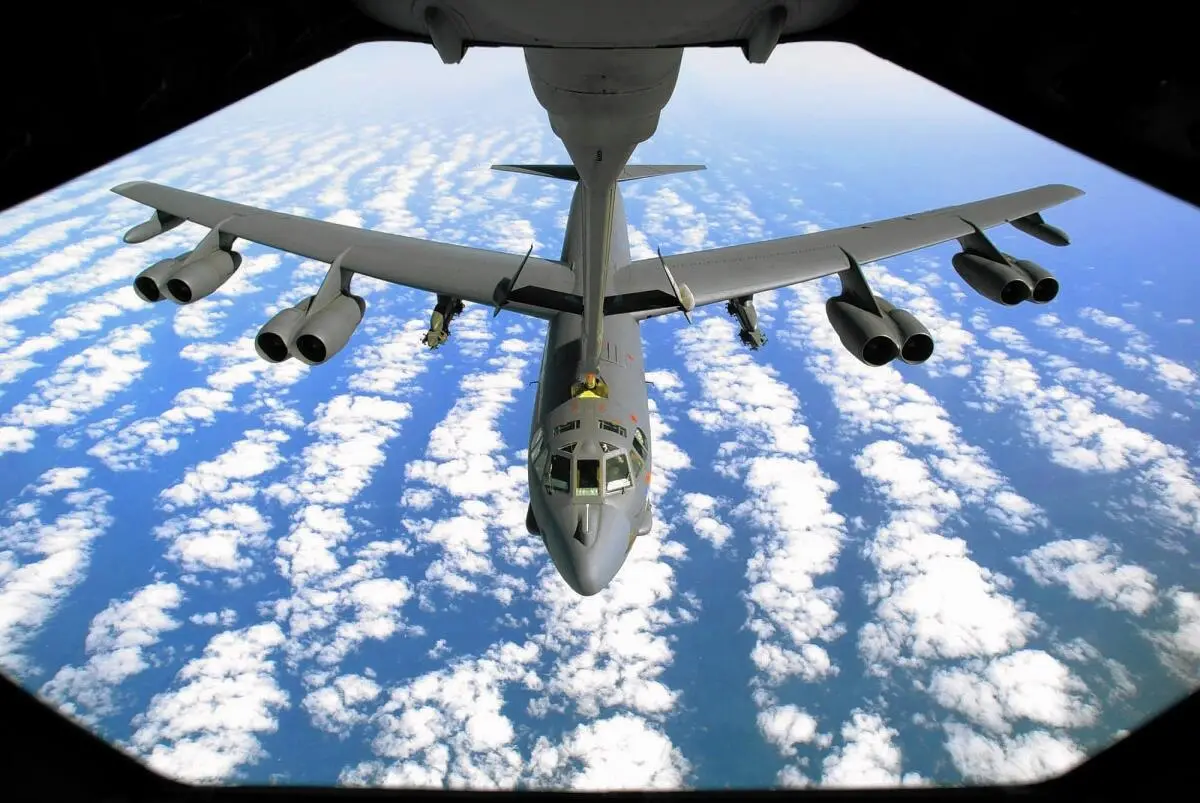
Replacing Vintage Engines
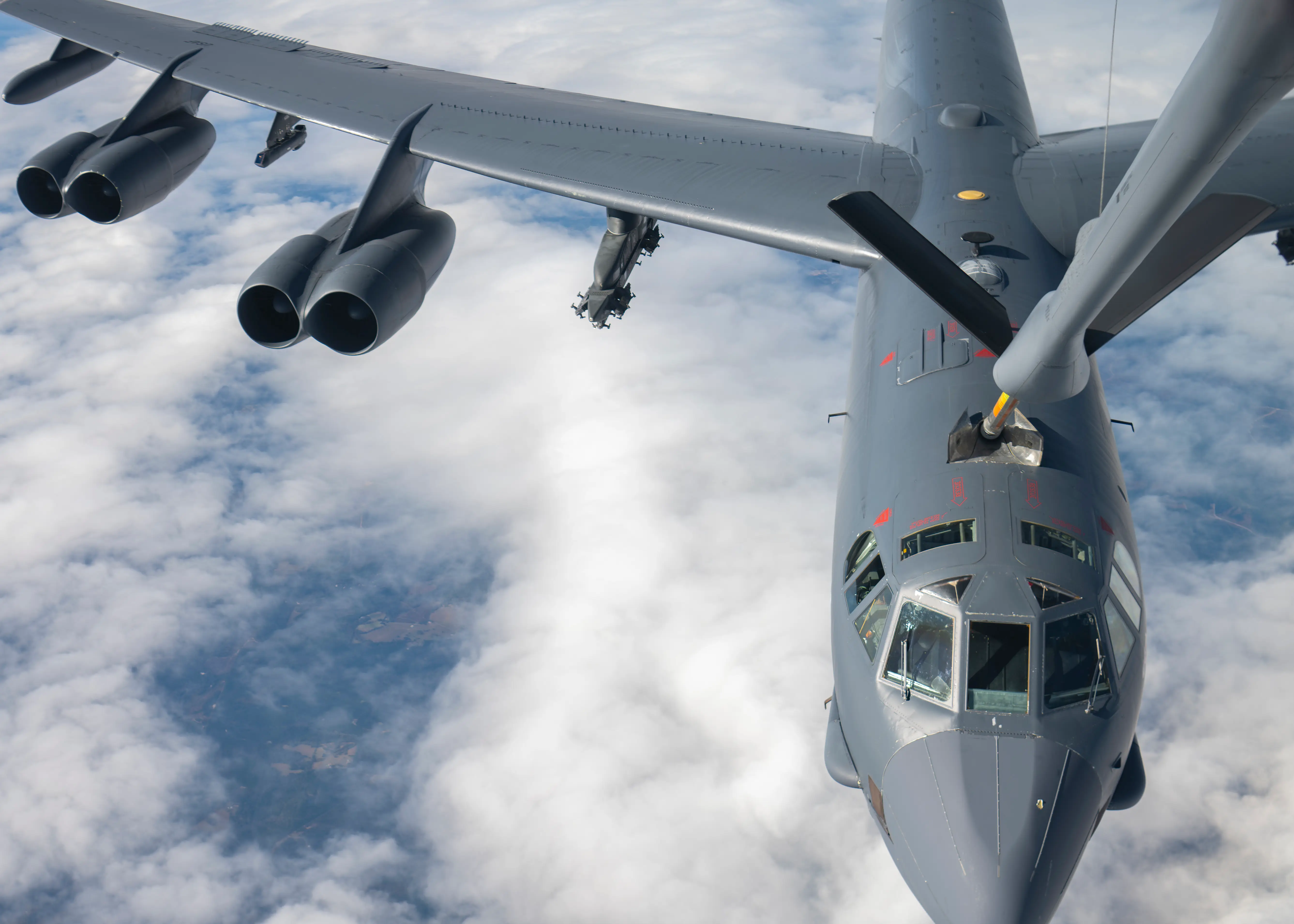
The most expensive single upgrade is the Commercial Engine Replacement Program, which swaps the aircraft's ageing 1960s turbofans for modern Rolls-Royce powerplants. The Pentagon recently confirmed this massive engineering effort is expected to cost approximately US$15 billion to complete.
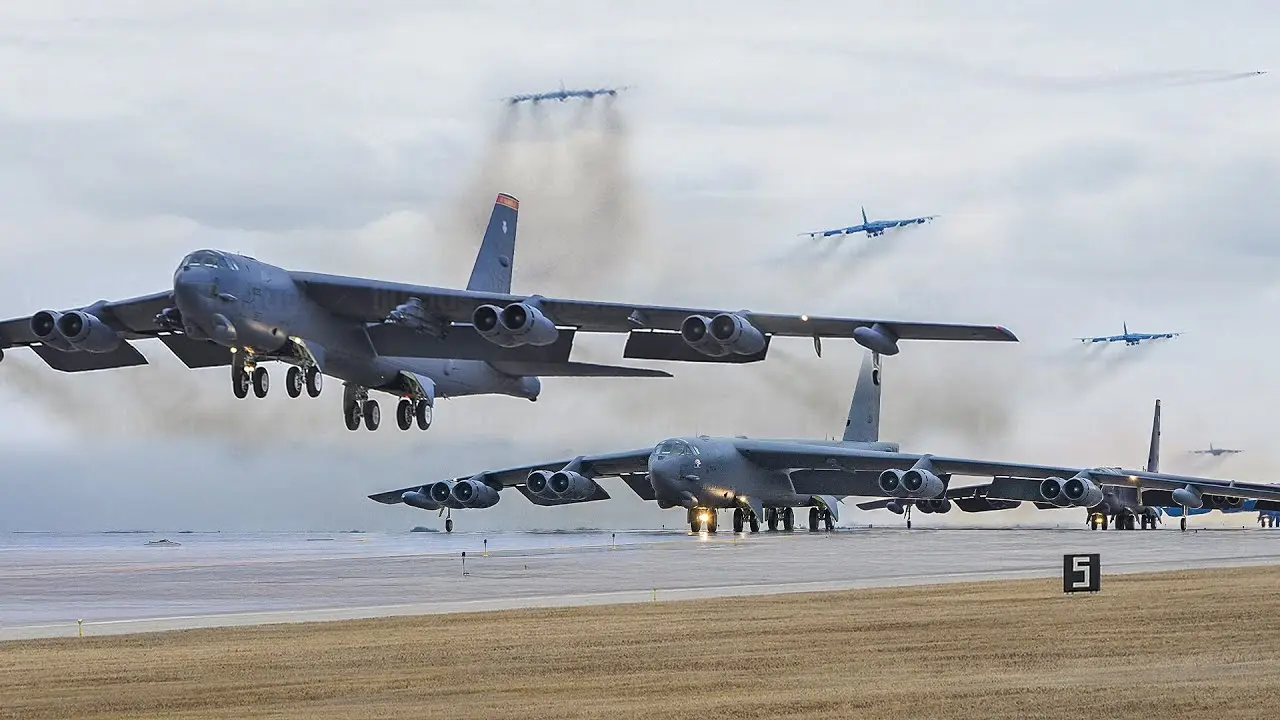
Advanced Radar Investments
The military is also spending heavily to replace the bomber's obsolete Cold War-era targeting sensors and navigation equipment. The new Active Electronically Scanned Array radar programme will cost over US$3.3 billion, despite suffering recent schedule delays and significant price hikes.
Cheaper to Operate
While modernising the fleet requires a massive upfront investment, the aircraft remains remarkably inexpensive to fly compared to modern stealth alternatives. Official military data shows the B-52 costs roughly US$88,000 per flight hour, making it significantly cheaper to operate than the B-2 Spirit.
No Fragile Stealth Coatings
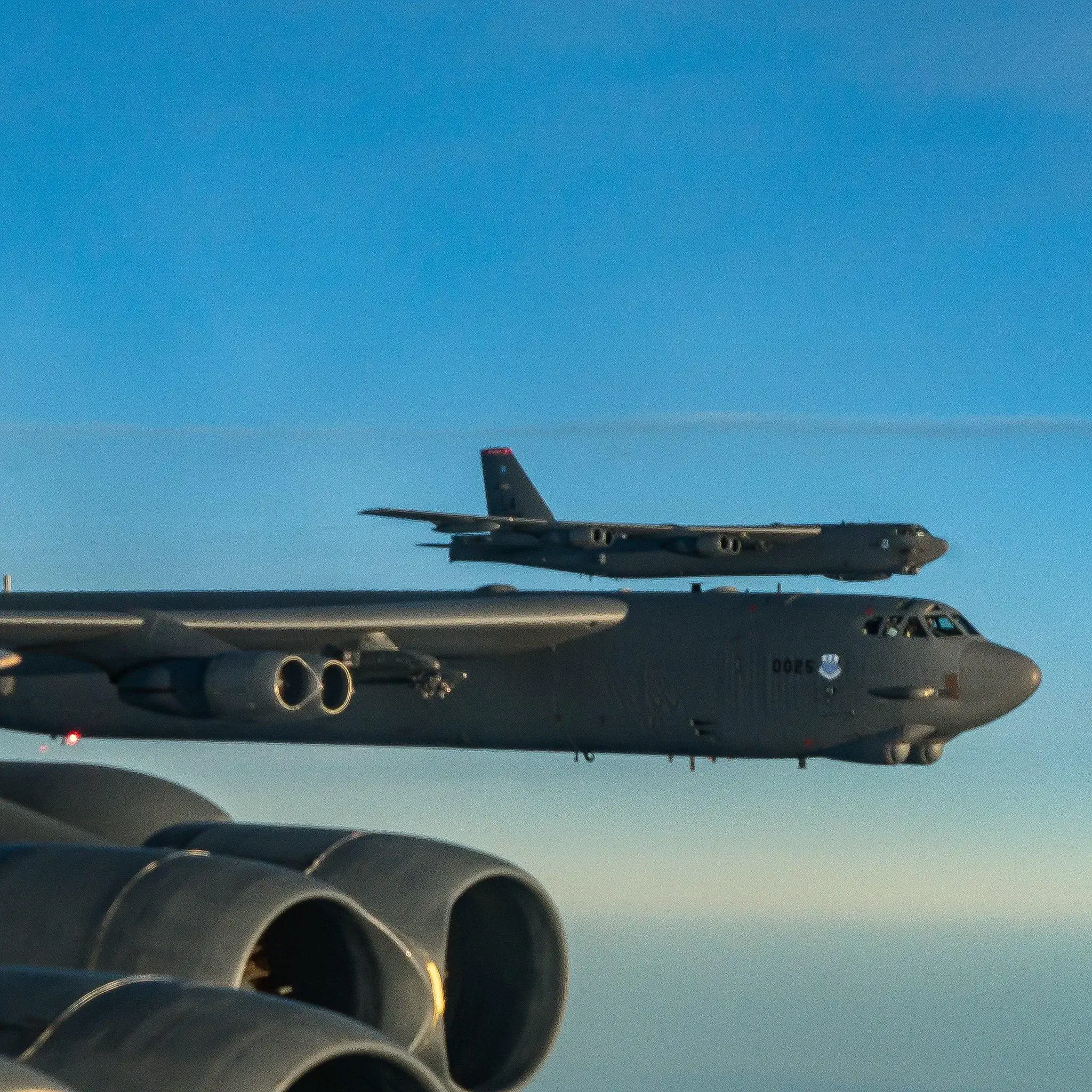
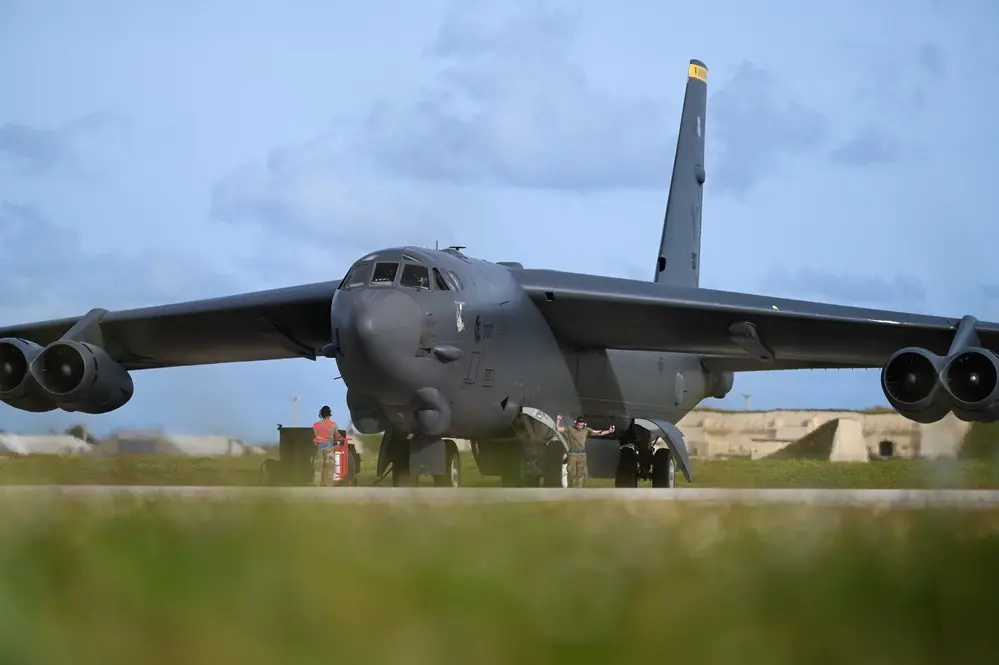
This relatively low operating cost directly stems from the aircraft's classic conventional design. Because it lacks the fragile, radar-absorbing stealth coatings found on newer bombers, ground crews can maintain the B-52 without relying on expensive climate-controlled hangars.
The Ultimate Value
By investing heavily in new engines and radars today, the military secures a highly reliable standoff missile truck for several more decades. Defence planners view the B-52 as the most cost-effective way to deliver massive conventional and nuclear payloads across the globe.
)
)
)
)
)