How many F-16s could you buy for the price of one B-2 bomber?

Even using the higher-end estimate of 70 million dollars per jet, you would still get around 30 F-16s for the same investment.
An Eye-Watering Price Disparity
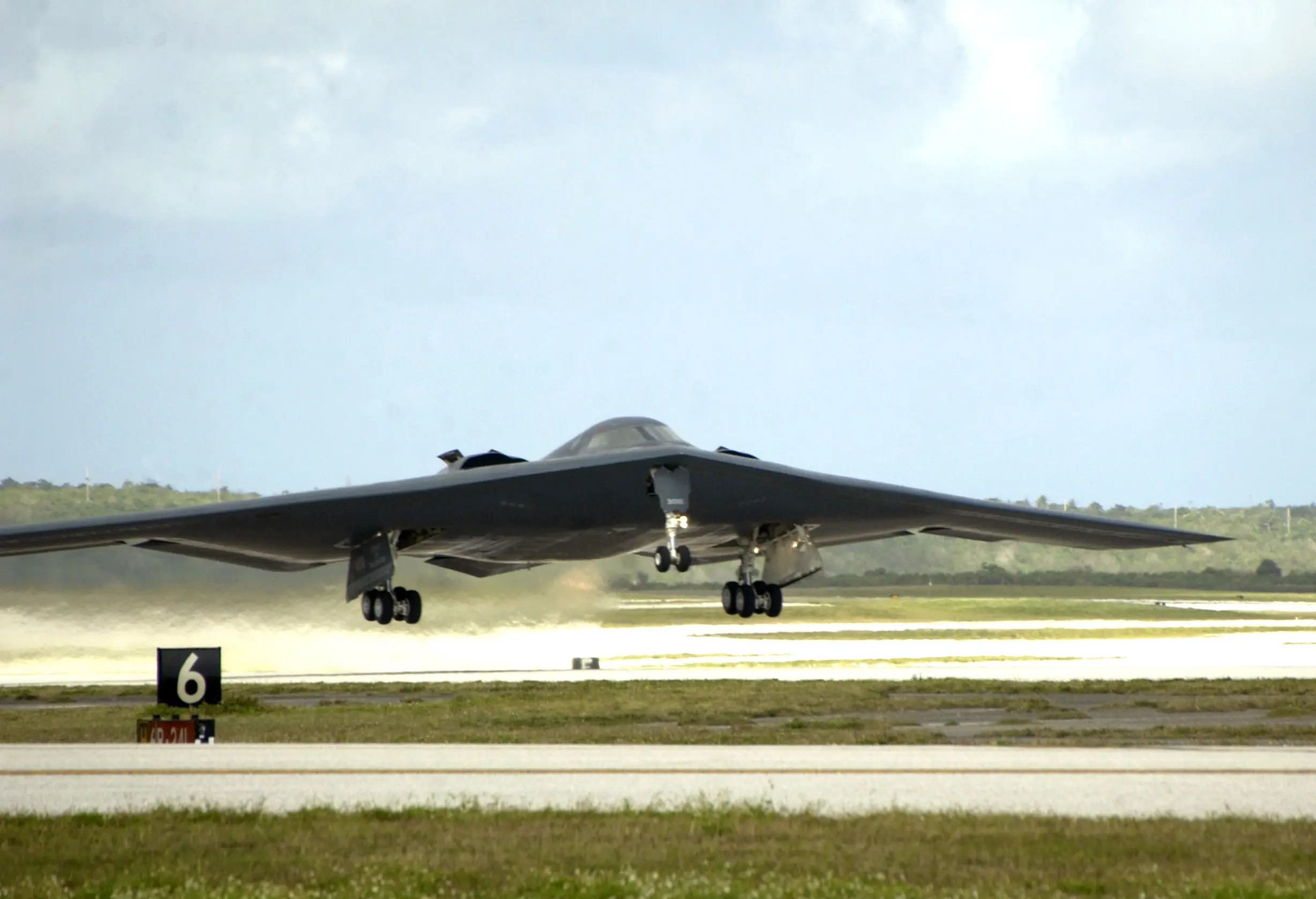
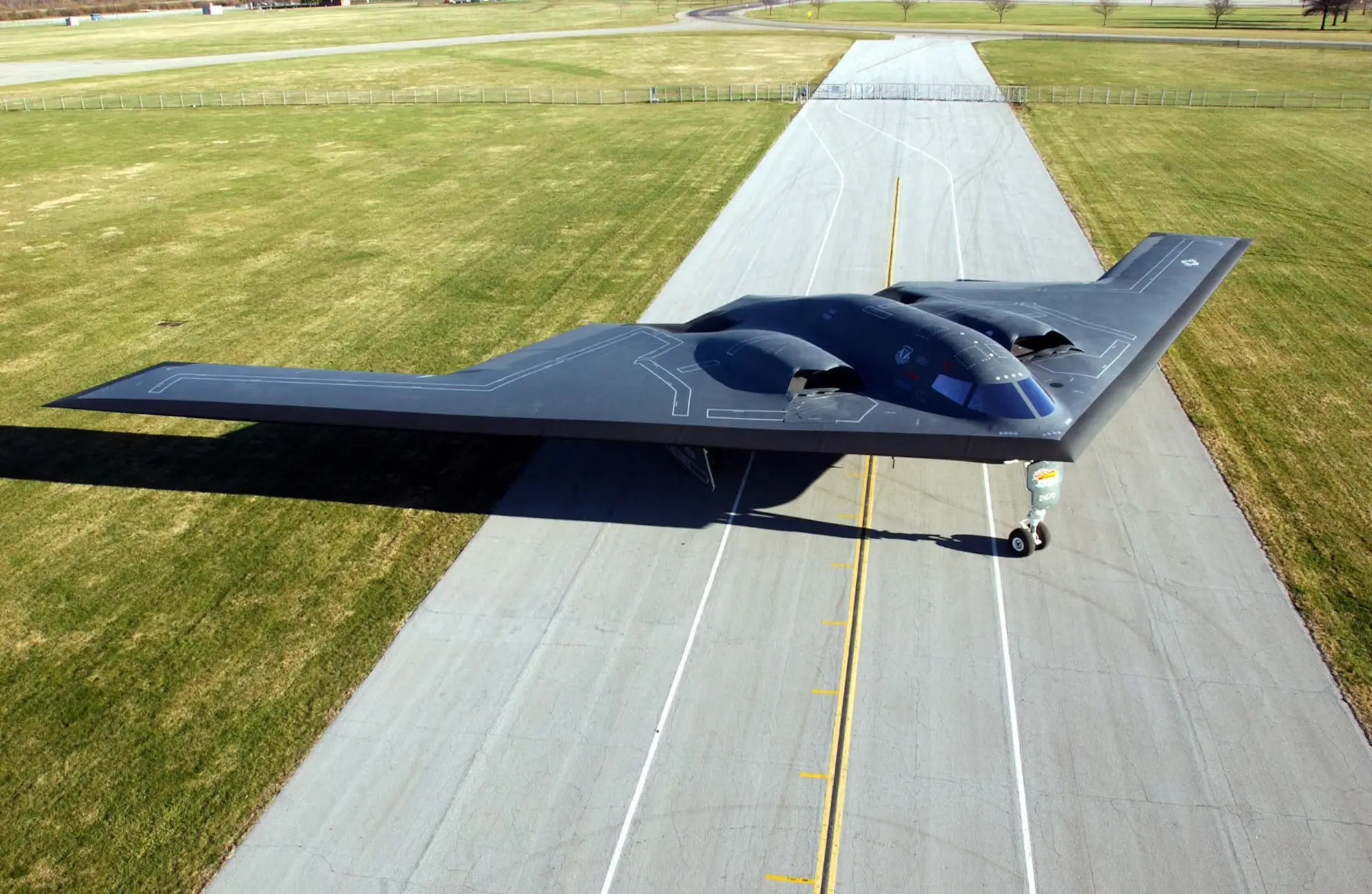
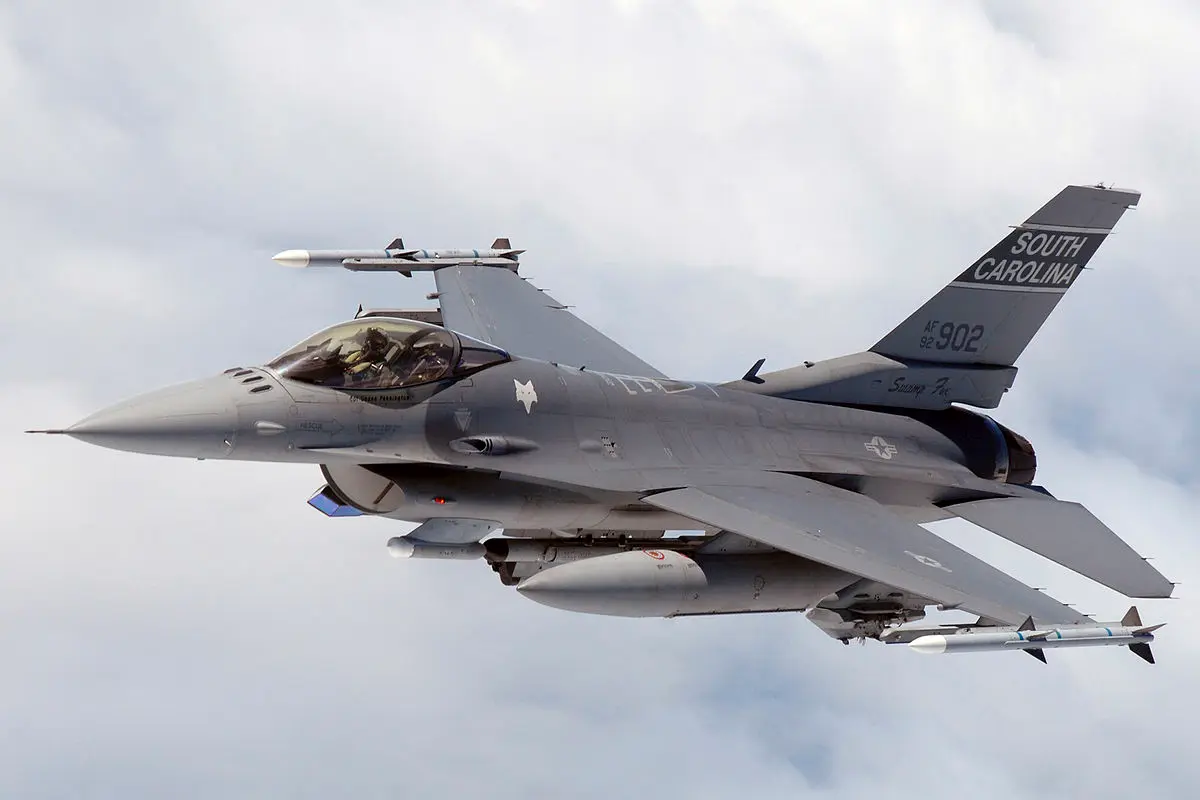
The B-2 Spirit stealth bomber carries a staggering price tag, approximately 2.13 billion dollars per aircraft when accounting for development, engineering, testing, production, and procurement, though the core unit cost sits lower, at around 737 million dollars. In contrast, modern F-16 fighter jets, depending on variant and equipment, typically cost between 50 million and 70 million dollars apiece.
Doing the Math: A Fleet for One
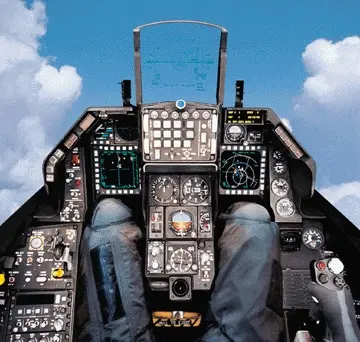
With a base B-2 cost of 2.13 billion dollars, one could purchase nearly 43 of the most advanced F-16 variants, calculated at 50 million dollars each. Even using the higher-end estimate of 70 million dollars per jet, you would still get around 30 F-16s for the same investment. This sharp juxtaposition underlines the B-2’s extraordinary cost, even in an era where modern fighter jets carry their own hefty price tags.
Different Missions, Different Investments
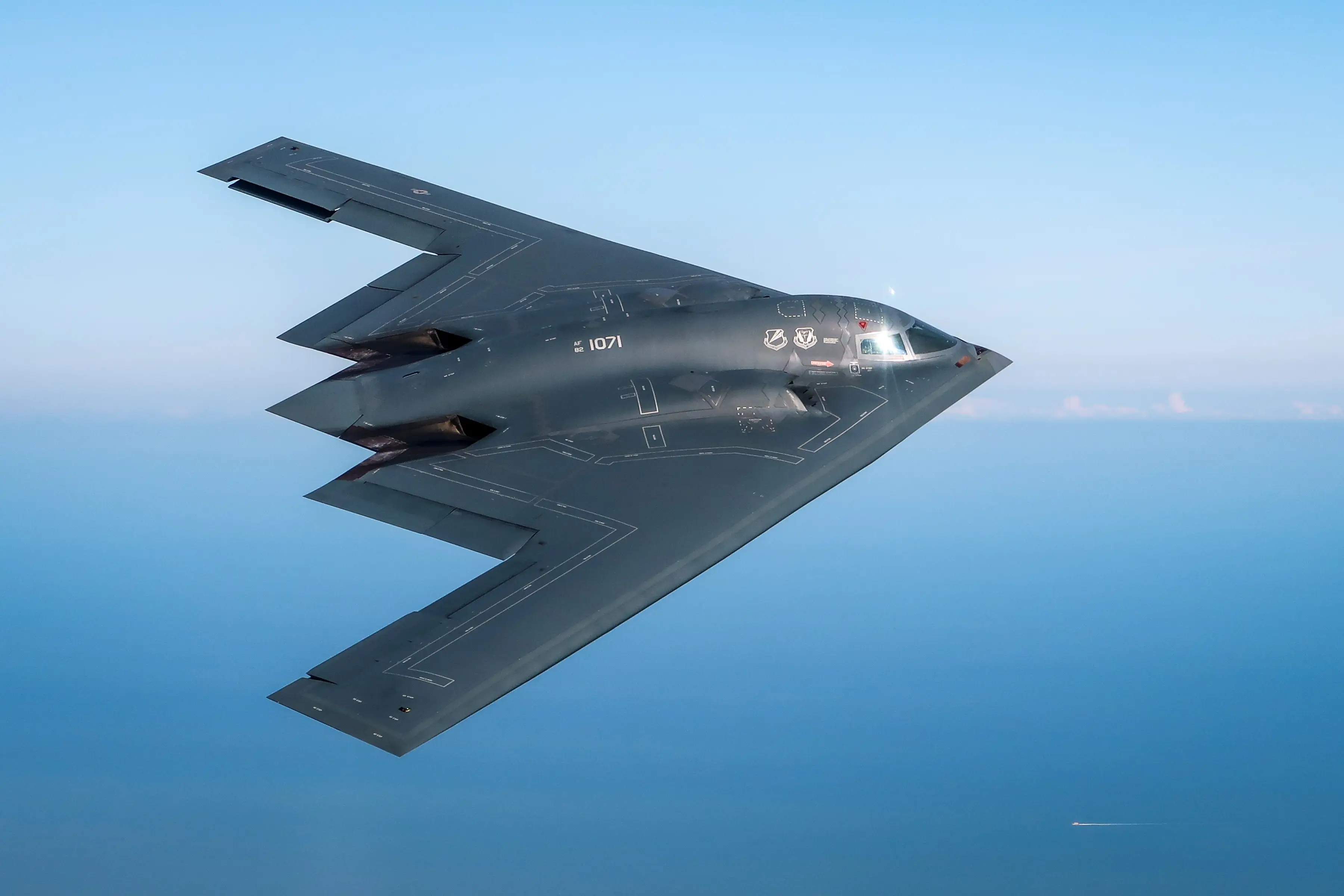
While the numbers are compelling, the two aircraft operate in vastly different strategic spheres. The B-2 is a stealth heavy bomber capable of penetrating the most sophisticated air-defence systems and delivering both nuclear and conventional payloads across the globe. The F-16, by comparison, is a multirole fighter, versatile, reliable, and affordable,but lacking the stealth, payload heft, and range of its bomb-laden counterpart.
Budget Implications for Defence Planners
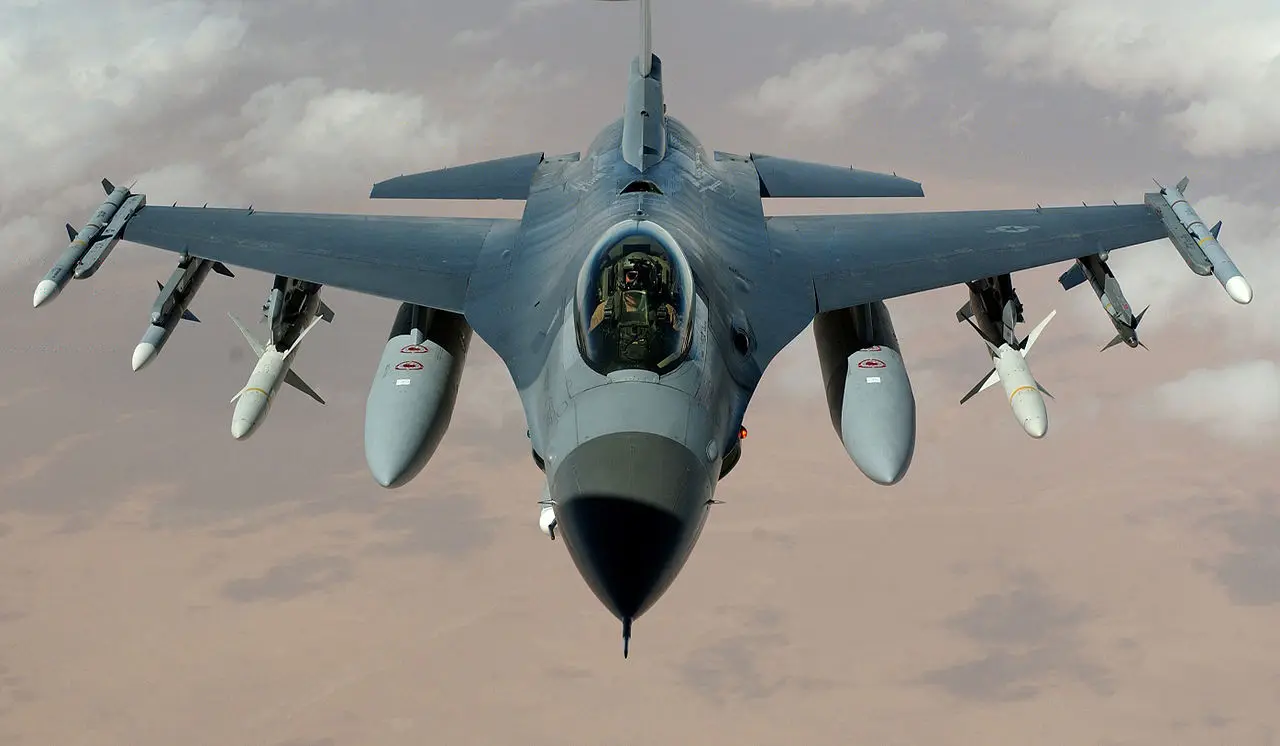
This disparity presents defence decision-makers with a stark choice: invest in a smaller fleet of extraordinarily capable, but costly, assets like the B-2, or field a larger number of flexible yet blunt instruments like the F-16. Multiple F-16s can maintain air superiority, perform interception, ground-attack, and reconnaissance missions at a fraction of the cost, though without the strategic reach and deterrent value of the B-2.
Strategic Value Versus Quantity
Despite its astronomical cost, the B-2 remains a critical component of US deterrence strategy. Its stealth design, heavy bomb capacity, and ability to strike from anywhere in the world make it uniquely irreplaceable. Meanwhile, the ubiquity and lower operating cost of F-16s mean that for many nations, they remain the backbone of air power.
Conclusion: The Luxury of Air Power
To sum up, the unimaginable expense of a single B-2 bomber could purchase three to four dozen F-16s. It is a comparison that both underlines the incredible value packed into each B-2 and underscores the tough fiscal decisions facing policymakers. When one craft embodies stealth, global reach, and deterrence in one package, the cost, though shocking, begins to make a form of strategic sense.
)
)
)
)
)