How Indian Army tests BrahMos missile? Inside the Bay of Bengal mission profile

Once launched, the missile follows its standard two-stage profile: a solid booster for initial lift-off and a ramjet for sustained supersonic cruise. The test evaluates mid-course stability, trajectory adherence and sustained speed.
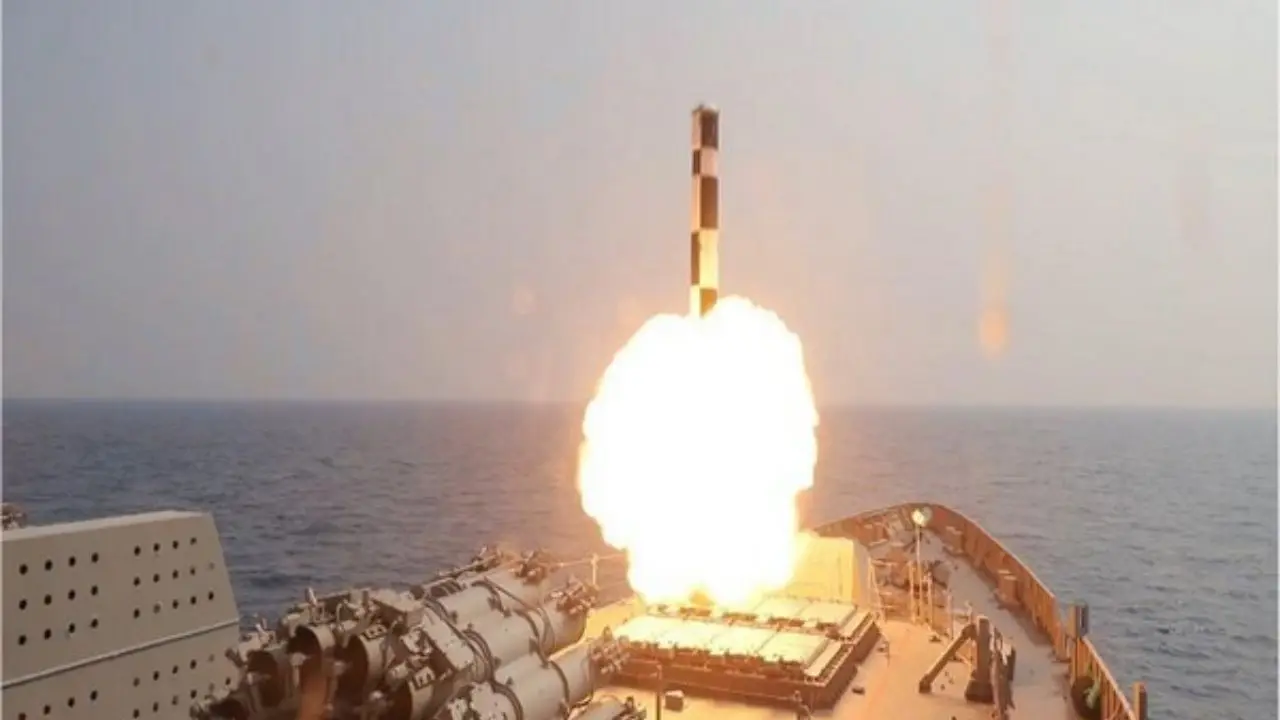
1. Selection of the Bay of Bengal Firing Corridor
The Indian Army uses designated test corridors over the Bay of Bengal cleared by the Defence Ministry and maritime agencies. These zones provide an extended straight-line trajectory, open sea safety buffers, and minimal civilian activity, allowing the BrahMos missile to complete a full flight profile without obstruction. This location is used consistently for Army, Navy and Air Force trials.
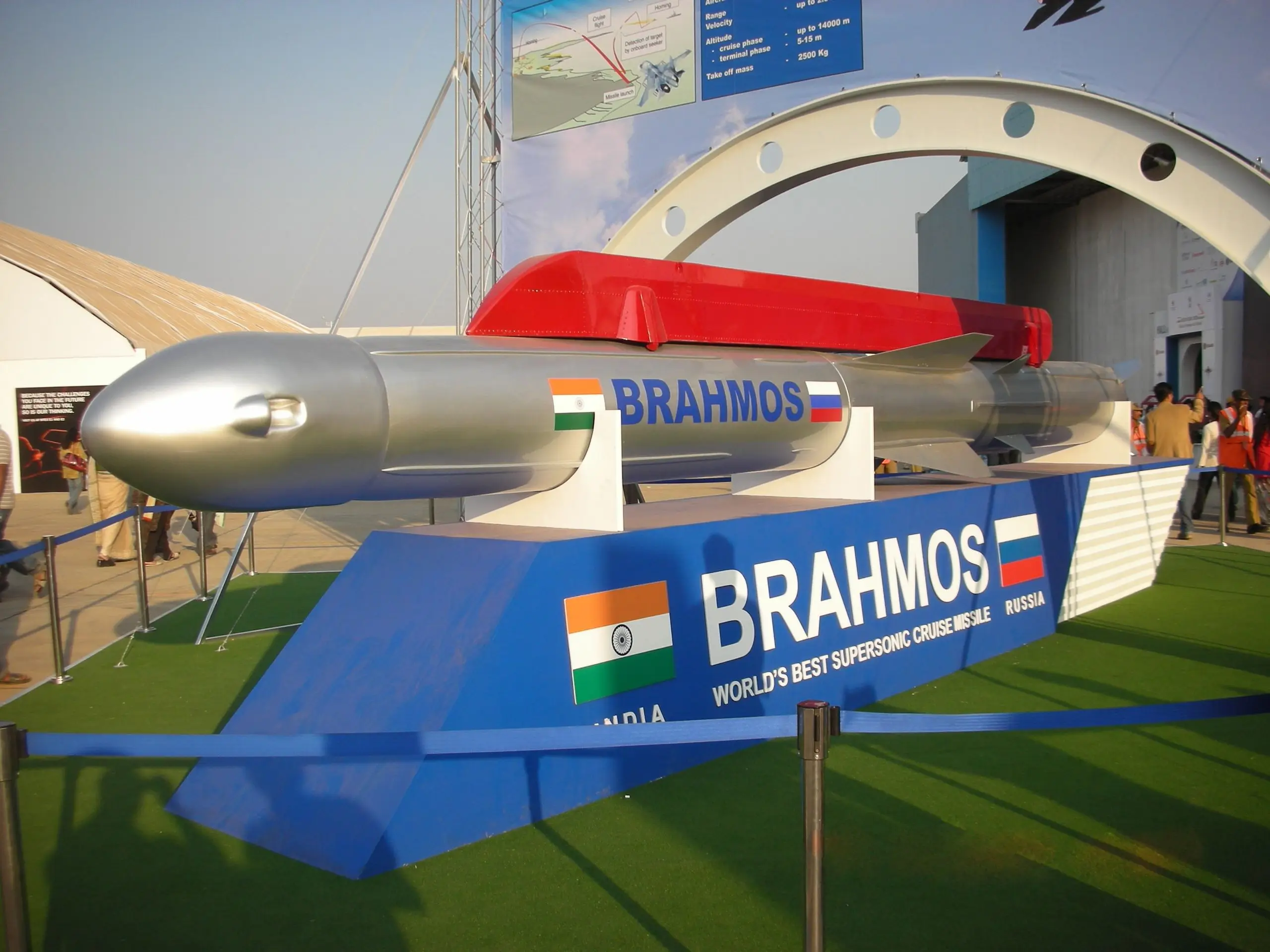
2. Pre-Launch Procedures by the BrahMos Regiment
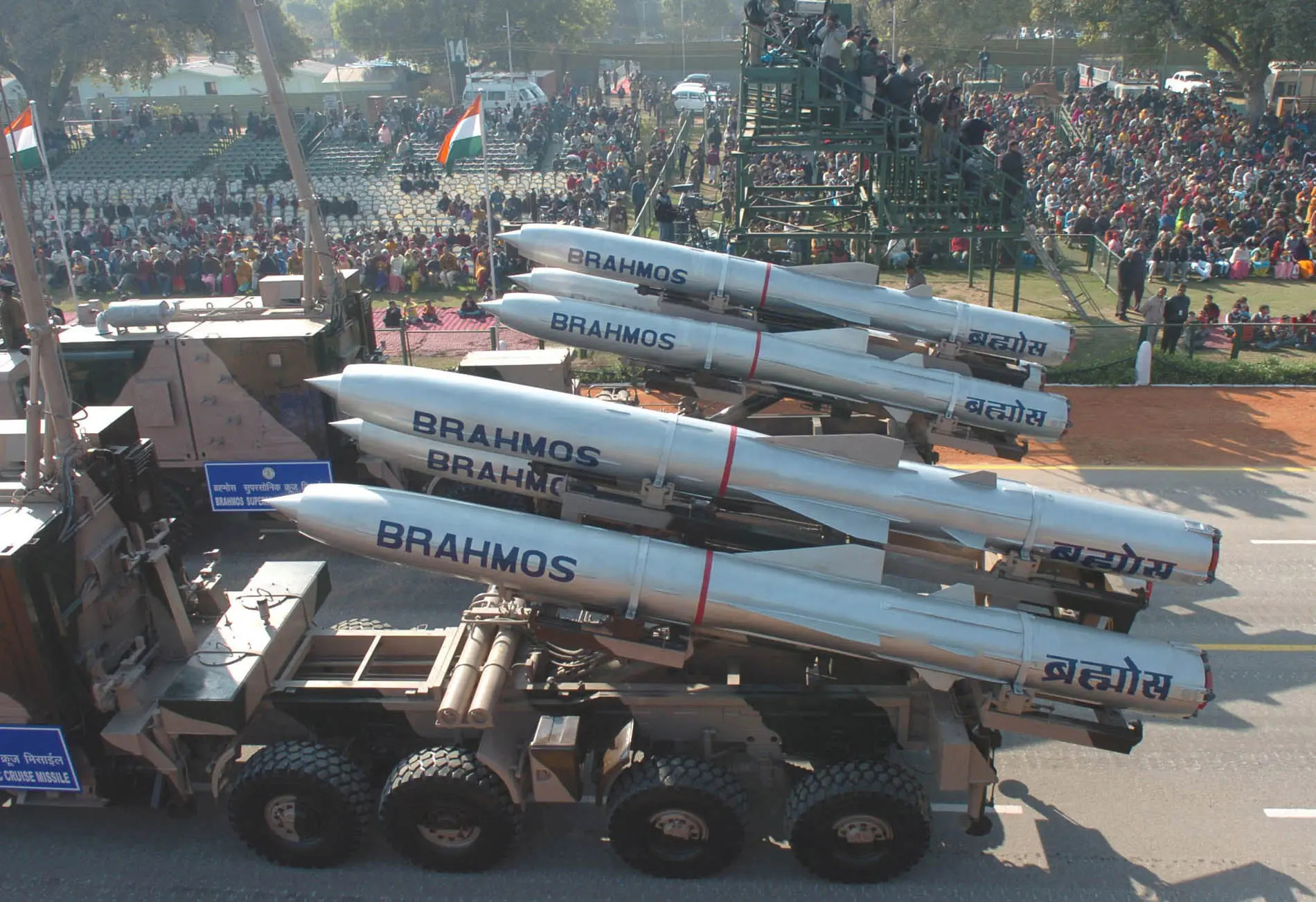
Before every test, the Army’s BrahMos-equipped unit conducts equipment checks, guidance system calibration, launcher alignment and communication link verification. These steps follow DRDO and Army test protocols. Mobile launchers, radar units and support vehicles are positioned according to a predefined test layout.
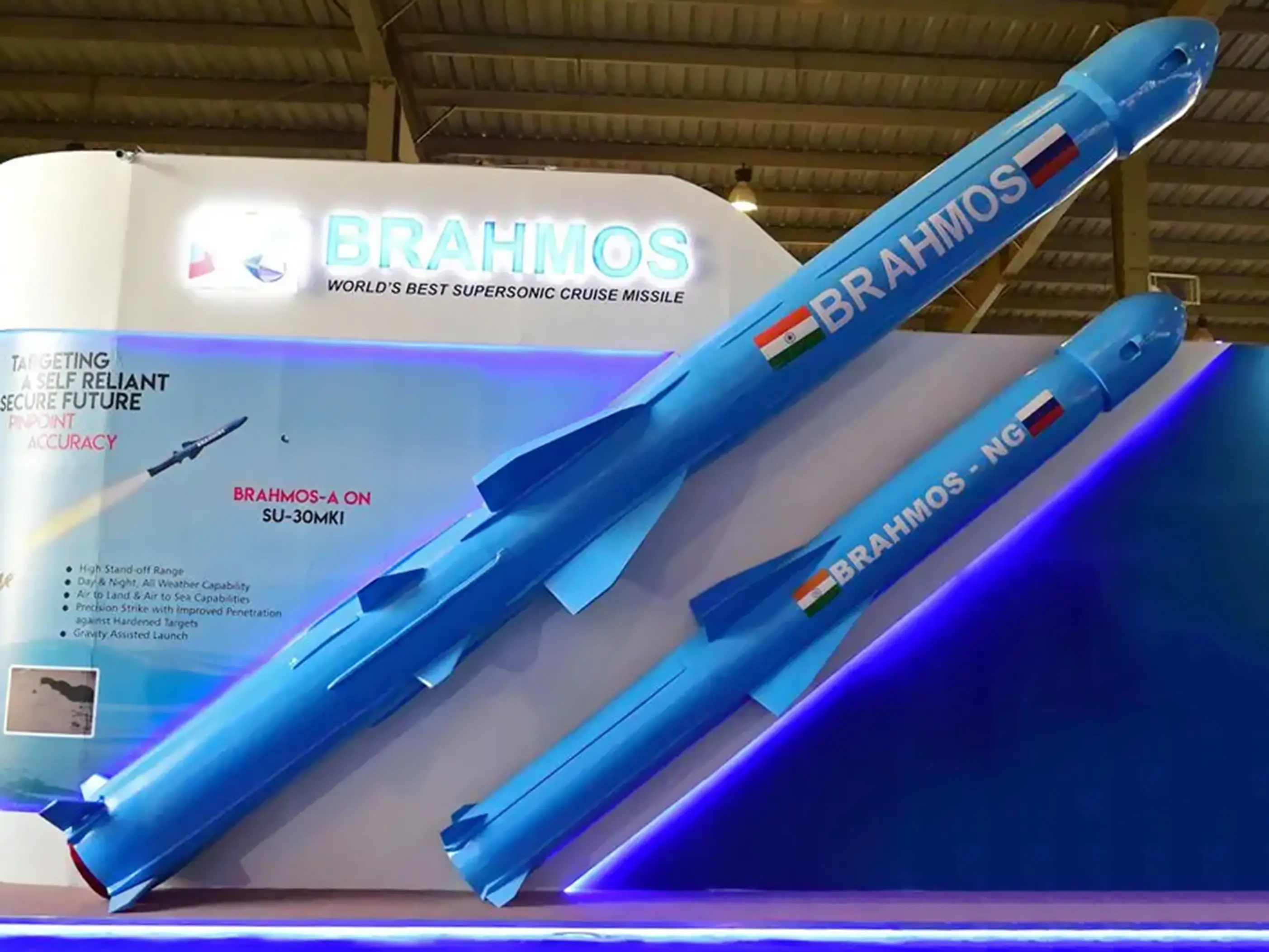
3. Coordination With Andaman & Nicobar Command
Tests involving longer trajectories or strategic coordination typically include the Tri-Services Andaman & Nicobar Command. Their role is to provide airspace monitoring, maritime clearance, and terminal-phase oversight. This joint set-up ensures safe flight corridors and accurate monitoring of the missile’s final impact zone.
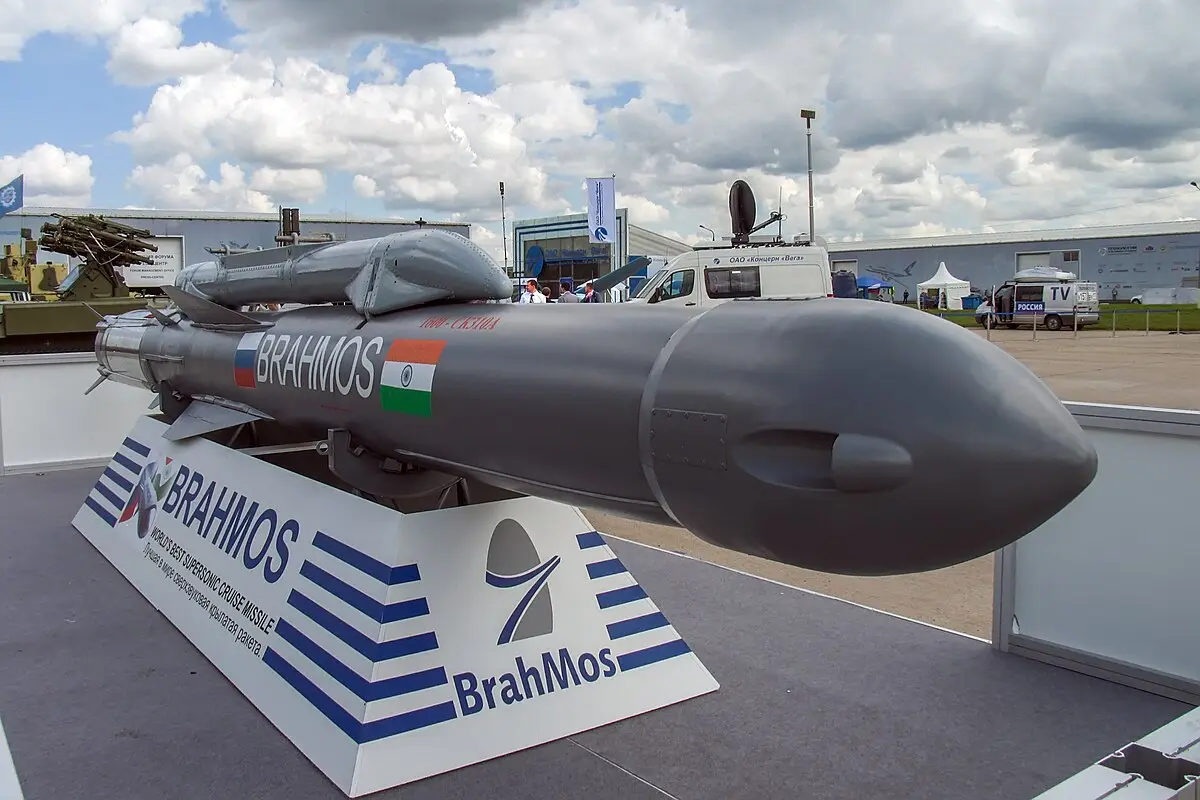
4. Execution of the Supersonic Flight Profile
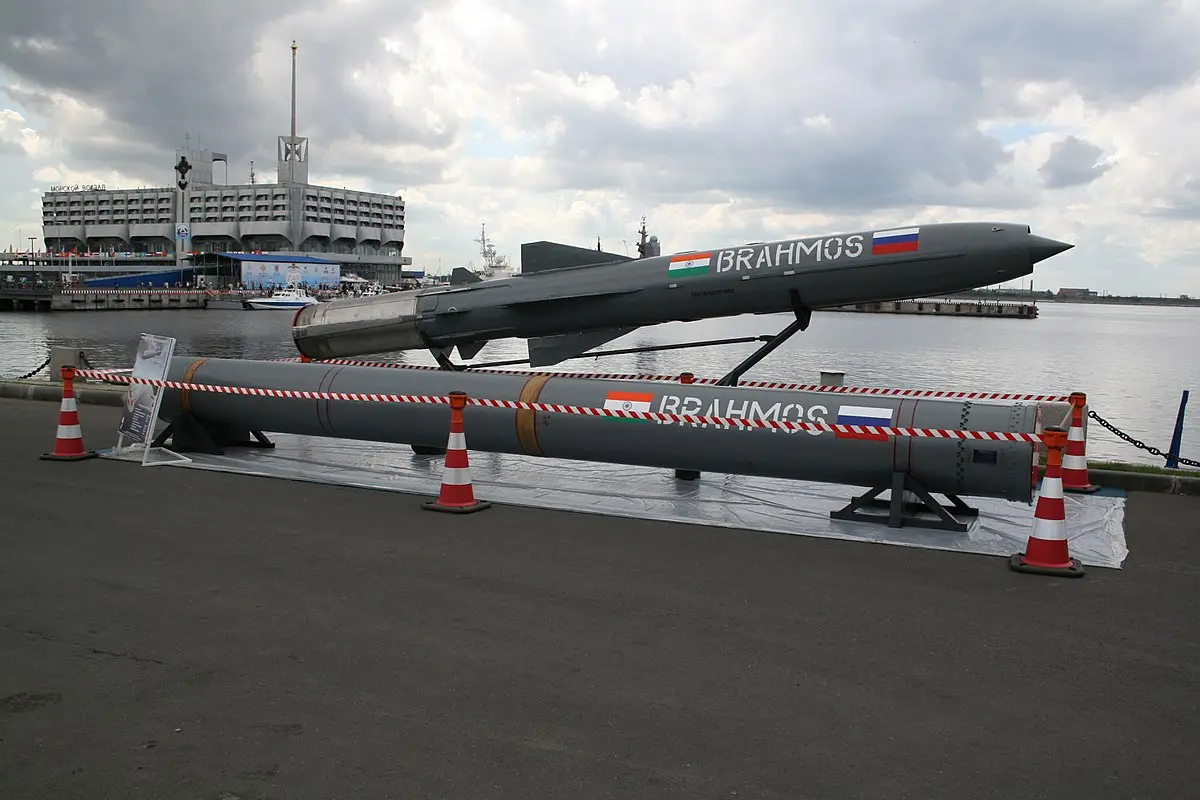
Once launched, the missile follows its standard two-stage profile: a solid booster for initial lift-off and a ramjet for sustained supersonic cruise. The test evaluates mid-course stability, trajectory adherence and sustained speed. These parameters are part of every known BrahMos Army test and are routinely confirmed in official Army statements.
5. Validation of Guidance, Navigation and Control Systems
Every mission is designed to verify the missile’s inertial navigation system, satellite-aided corrections and active radar seeker performance. These systems guide the missile to its designated sea target. The Army publicly highlights these elements after each test, stating whether guidance and terminal accuracy matched expectations.
6. Assessment Under Simulated Battlefield Conditions
The Army conducts tests under operationally realistic timelines, including quick launcher deployment, crew coordination and battle-like readiness. Official briefings consistently mention that these tests are used to evaluate how the BrahMos system performs when launched in conditions similar to conflict scenarios.
7. Post-Launch Data Review and Technical Analysis
After impact, telemetry and sensor data are analysed by DRDO engineers and Army evaluators. This review includes missile behaviour, flight stability, seeker lock performance and precision during the terminal phase. Findings are used to refine deployment doctrines and maintain readiness across BrahMos units.
)
)
)
)
)