How does the F-35 fighter jet stand out in takeoff speed and design? Here’s its minimum lift-off speed

The F-35 Lightning II is a stealth jet that takes off at different speeds, depending on version and mission. From standard runways to ship decks, each model has unique power. Let's find out how slow or fast it really needs to be to take off and more.
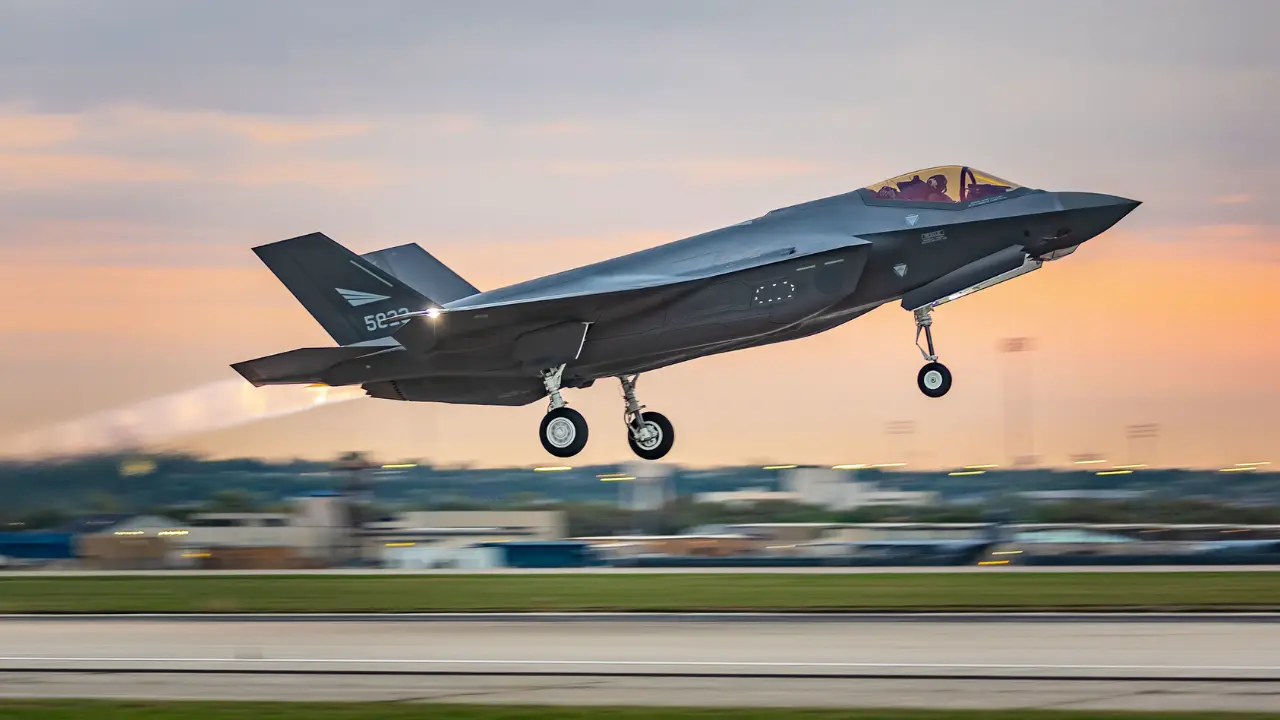
The F-35 Lightning II - A Modern Marvel
The Lockheed Martin F-35 Lightning II is a fifth-generation stealth fighter jet used by air forces worldwide. There are three types: F-35A (standard runway), F-35B (short takeoff, vertical landing), and F-35C (for aircraft carriers). Each version is built for unique missions and special takeoff methods.
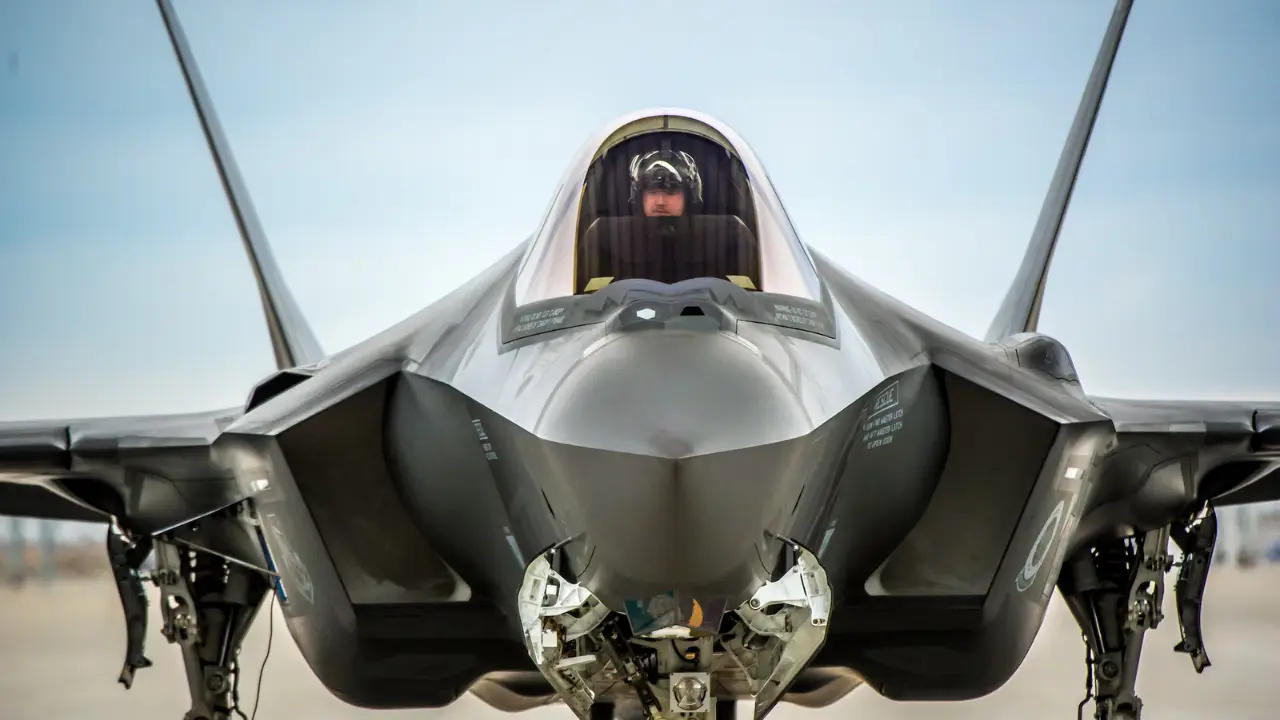
What Is Minimum Takeoff Speed?
The minimum takeoff speed is the lowest speed a jet needs to take off. For the F-35, this depends on design and use. The F-35A needs a runway, F-35B works from short runways or ships, and F-35C uses catapults on carriers. Each has a different speed requirement for takeoff.
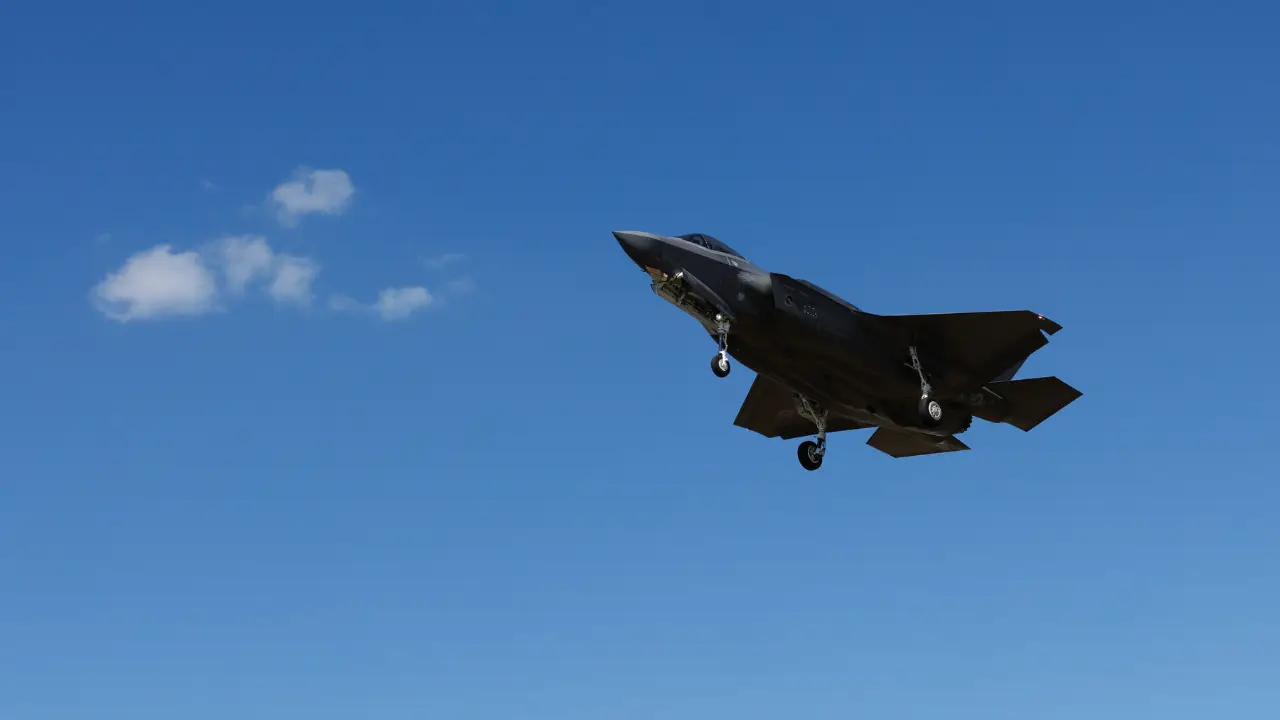
F-35A’s Takeoff Speed
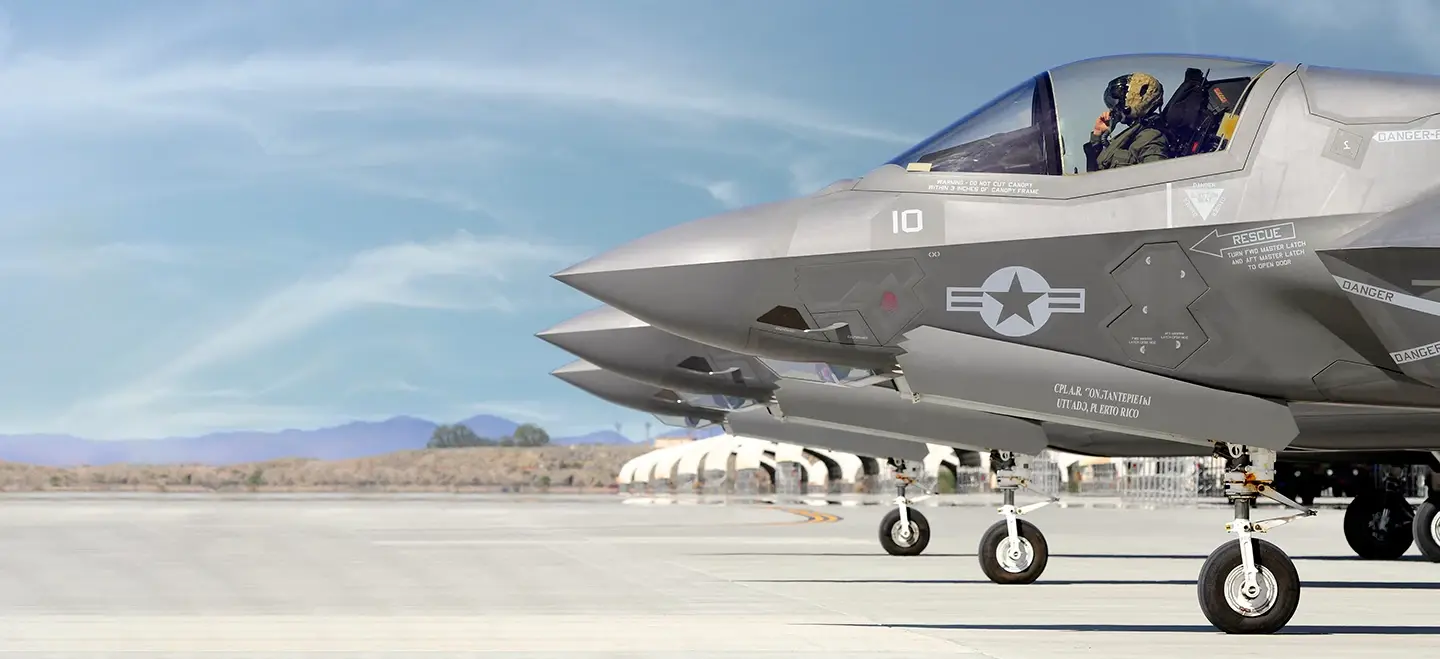
The F-35A, mainly used by air forces such as the US Air Force and the Royal Air Force, needs about 165 knots (305 km/h) to take off from a standard runway. This is made possible by its strong Pratt & Whitney F135 engine and its aerodynamic design.
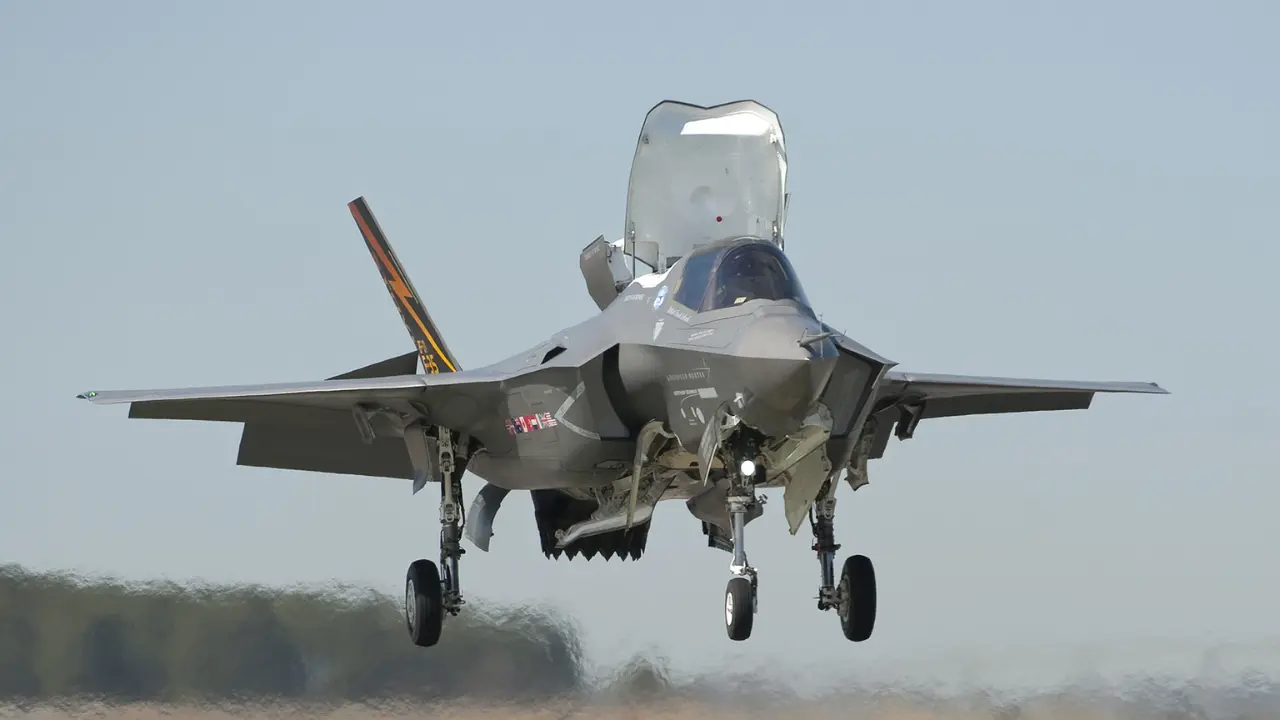
F-35B’s Short Takeoff
The F-35B is built for short fields and ship decks. Thanks to its lift fan and a special nozzle, it can take off at only 100 knots (185 km/h), needing just a 500-foot (152-metre) runway. This jet can take off and land vertically. This makes it ideal for the Royal Navy’s HMS Queen Elizabeth or small airbases.
F-35C’s Carrier Launch Power
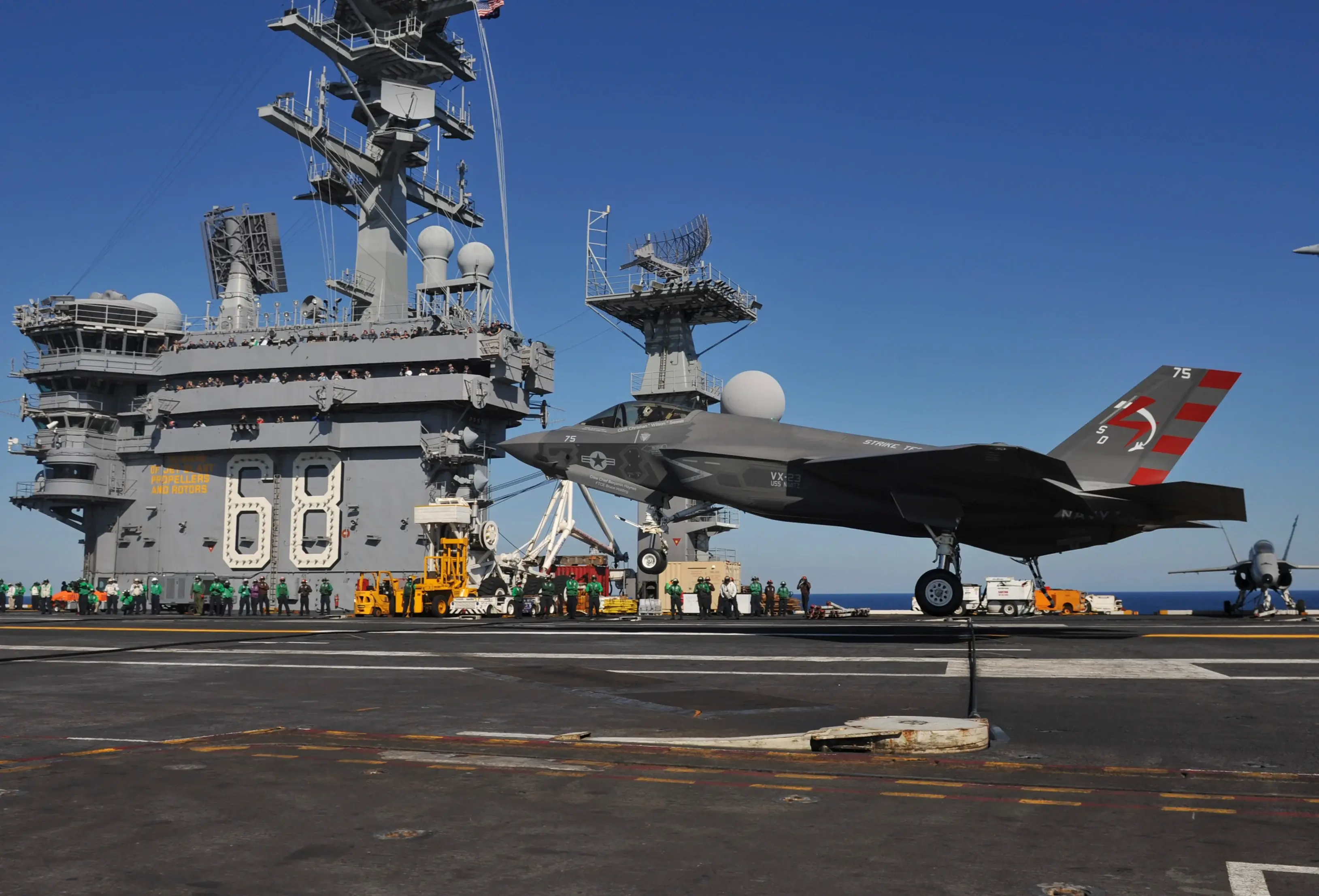
Carrier-based F-35C jets are catapulted off US Navy aircraft carriers. The catapult launch brings the F-35C up to about 130 knots (240 km/h). Its large wings and strong landing gear let it fly from ships in the roughest seas.
Why Speed Matters
Correct takeoff speed is vital for a safe and successful flight. If the jet is too slow, it cannot lift off; if too fast, it can be damaged. The F-35’s controls, computers, and pilot training make sure each takeoff uses the right speed for the mission and the environment.
)
)
)
)
)