How could AI help humans build the first city on Mars?

AI is changing how we plan to build cities on Mars. From robot builders to smart design using Martian soil, AI will make space living safer and faster. But can it handle mars’ tough conditions? Here’s how the future of space building may look like.
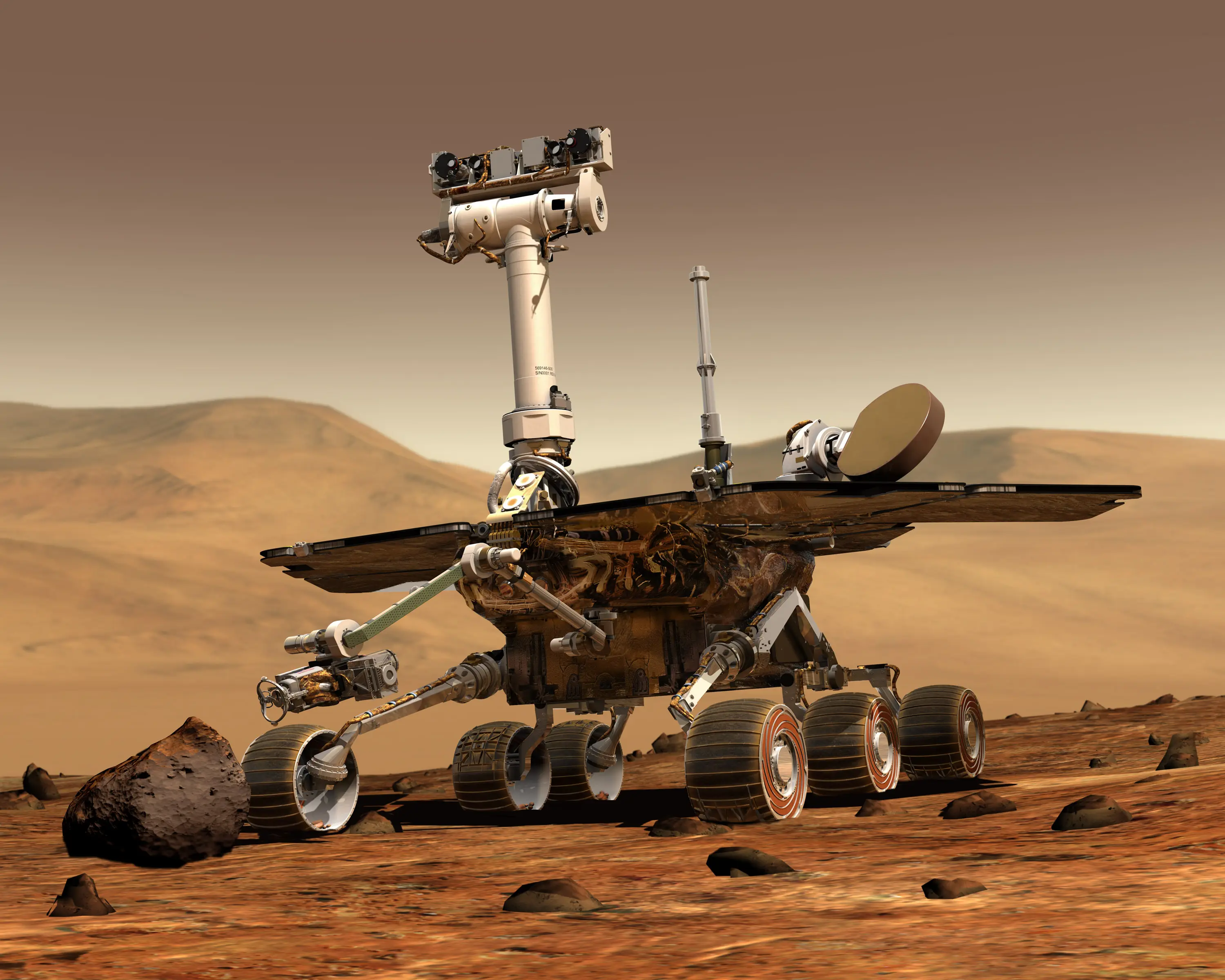
Why AI is needed to build Mars cities
Building on Mars is too risky and slow for humans alone. AI can guide robots to safely explore, plan, and construct habitats using local soil and rocks. This makes Mars colonization more feasible.
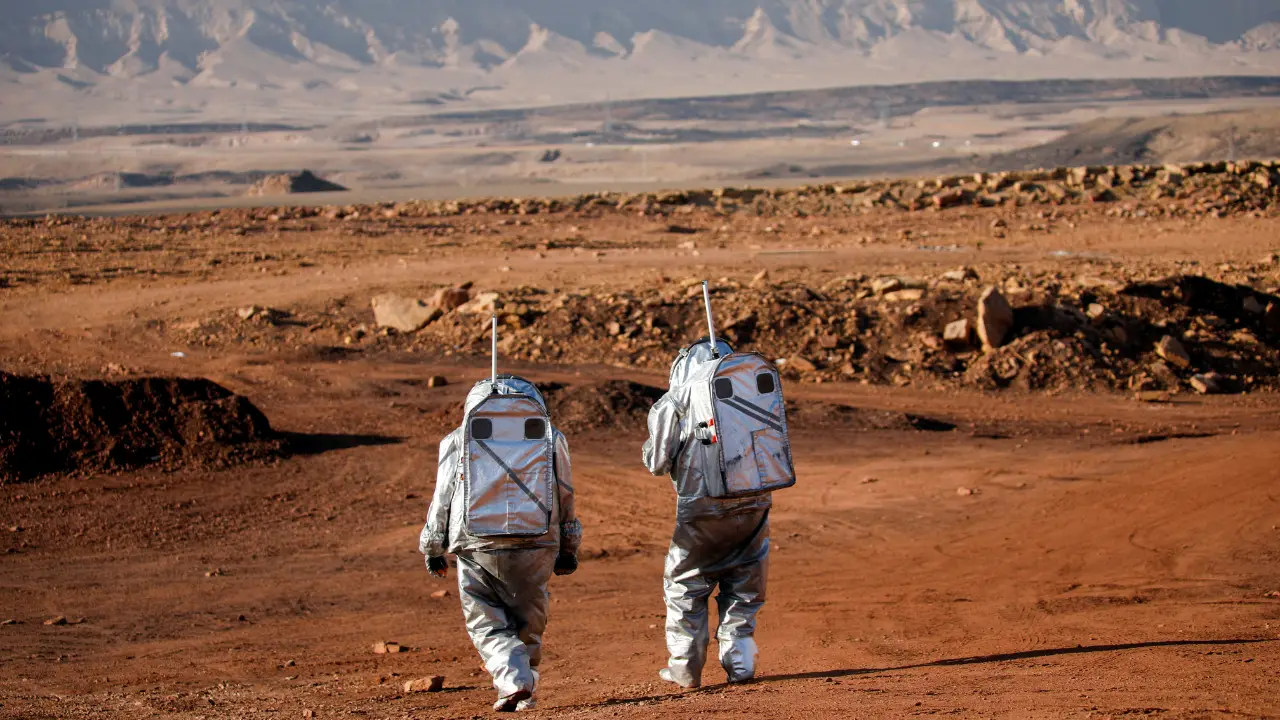
AI designing Mars habitats
AI helps design buildings adapted to Mars’ cold, radiation, and low air pressure. Using computer models, AI creates safe, efficient, and scalable city layouts considering local terrain.
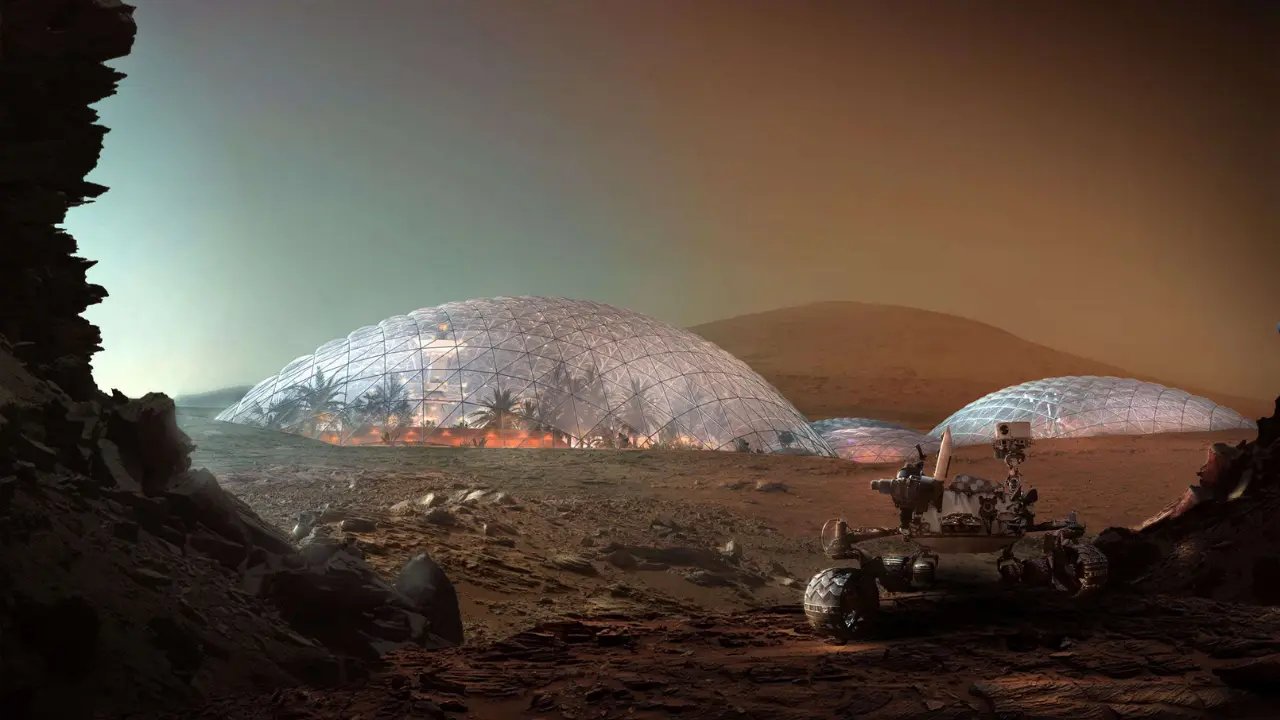
Robots for construction
Robots controlled by AI can 3D print structures using Martian soil. These printers can operate autonomously, building homes, labs, and greenhouses without constant Earth supervision.
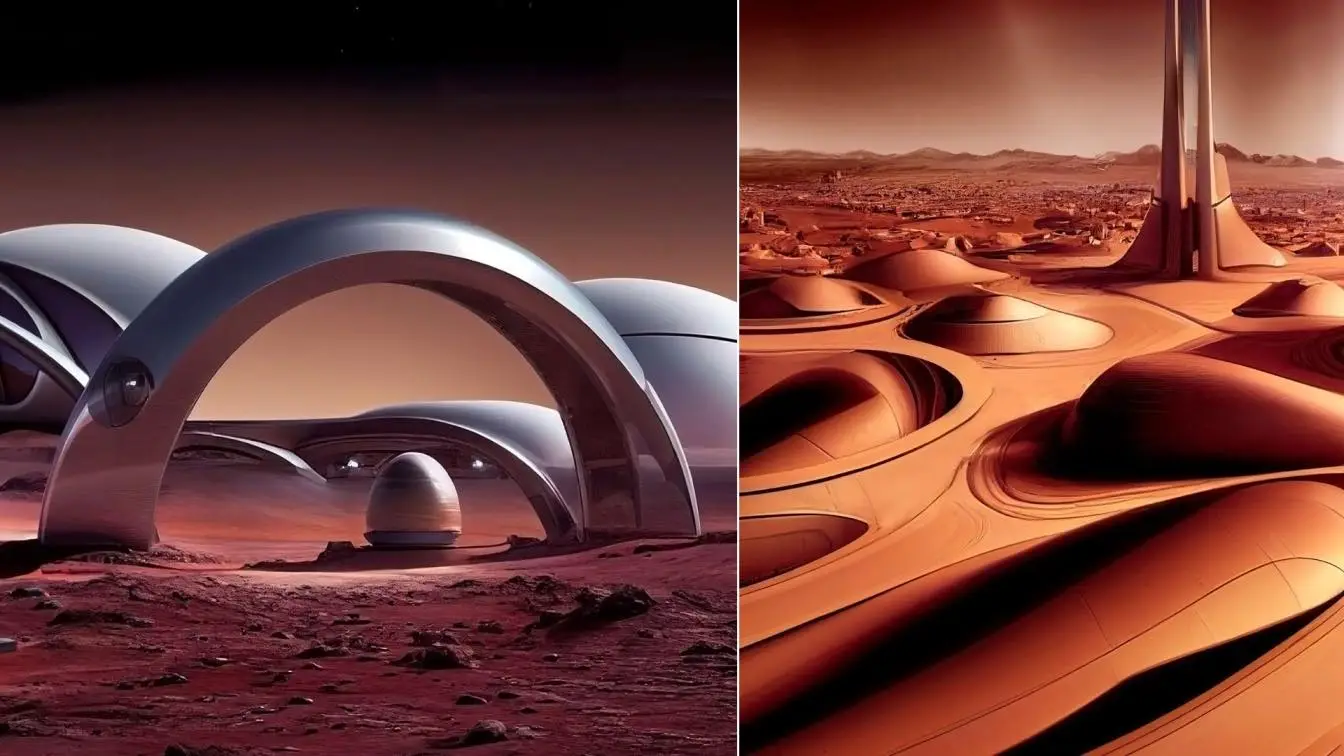
Using local Martian resources
AI systems manage mining of water ice and minerals on Mars. This reduces the need to transport heavy materials from Earth, making settlements self-sufficient.
Early robotic cities
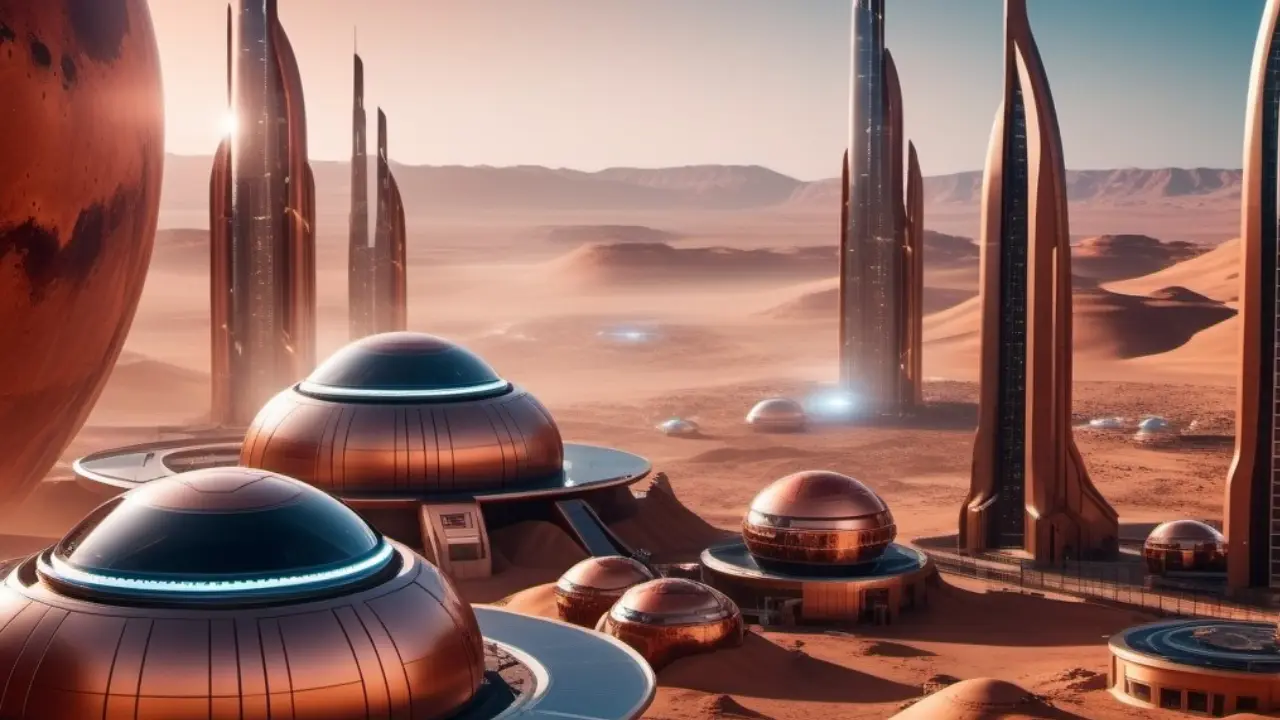
Plans include sending hundreds of AI-powered, hibernating robots ahead of humans. These will build initial infrastructure to protect equipment and produce energy, preparing for human arrival.
Challenges and current progress
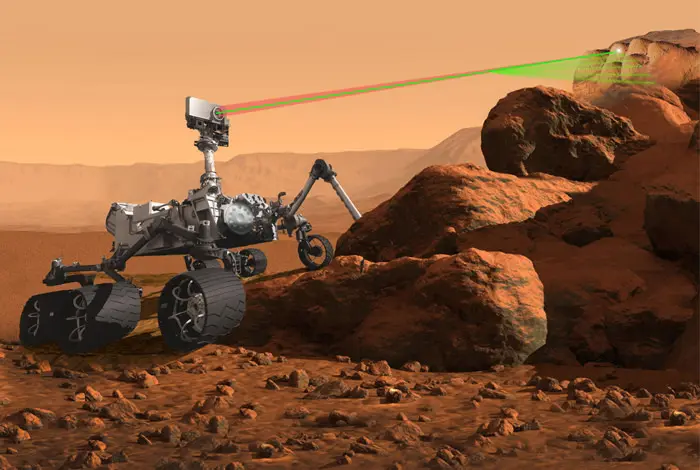
AI and robotics face challenges like dust storms, harsh temperatures, and communication delays. NASA and private firms are developing solutions and testing on Earth and the Moon.
AI and robotics Mars cities
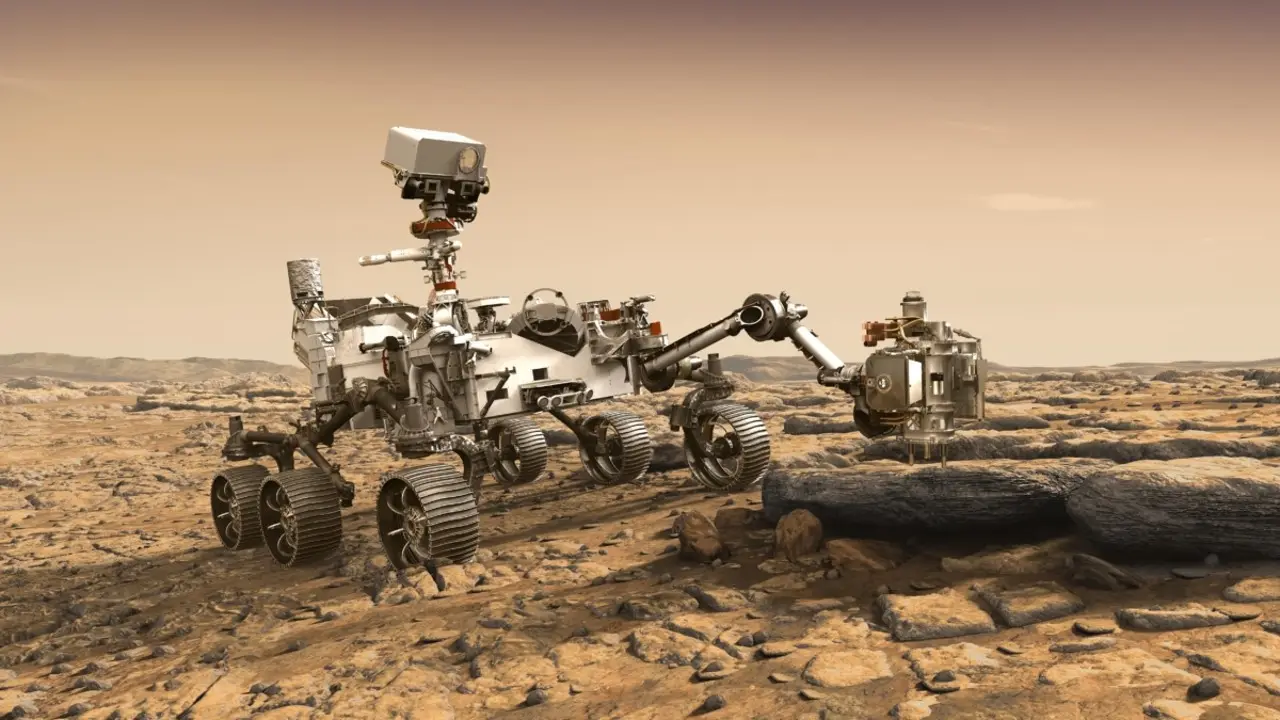
Experts expect AI to be essential in creating the first Mars city within the next 20-30 years. Combining human creativity and AI efficiency will open a new era of space colonization.
)
)
)
)
)