How coating materials help fighter jets evade detection?

Special coatings called radar-absorbing materials (RAM). It help fighter jets hide from enemy radar by soaking up radar waves. Know how these coatings really work, what materials are used, and why jets still need them now.
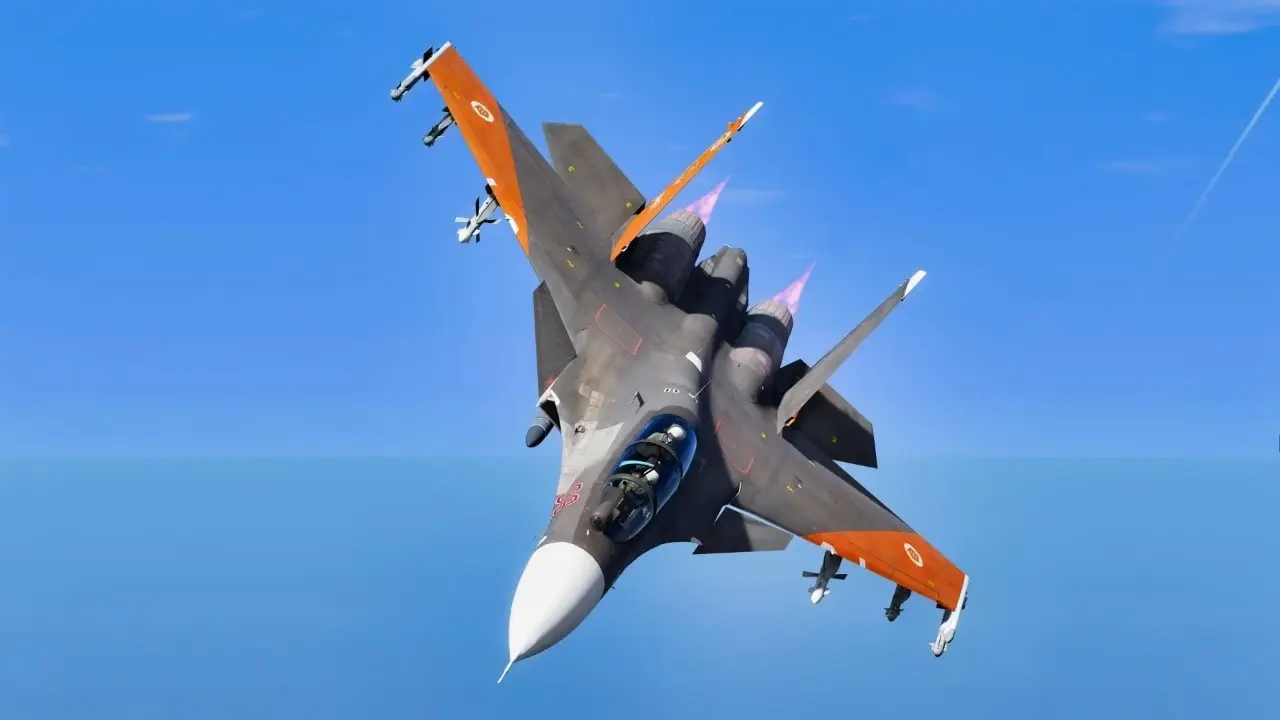
What are radar-absorbing coatings?
Radar-absorbing coatings or RAM are special paints and sheets used on fighter jets to make them less visible to radar. They do this by absorbing or scattering radar waves instead of bouncing them back at the radar station.
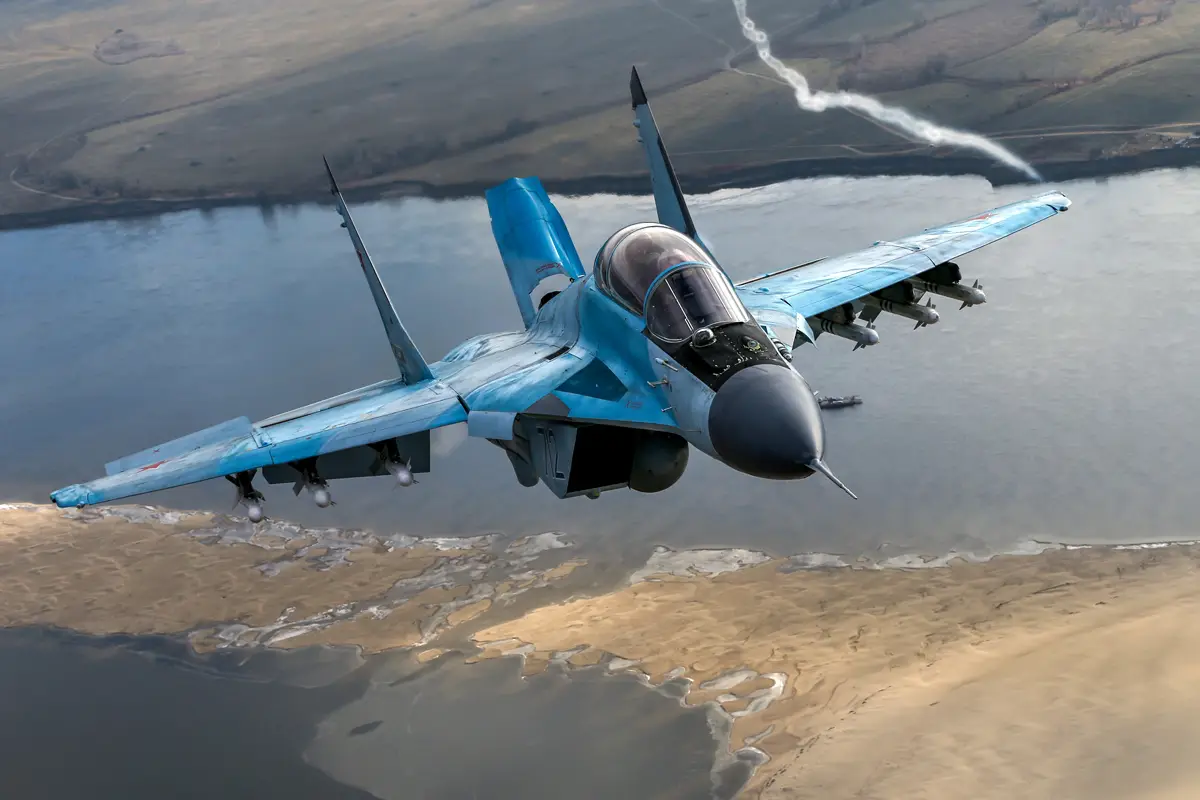
How do these coatings work?
When radar waves hit the coated surface, the special materials inside the coating turn that wave energy into heat or send it off in another direction. This leaves less energy to go back to the enemy’s radar, making the jet harder to track.
What are these coatings made of?
RAM coatings can use carbon-based chemicals, iron ball paints, ferrite tiles, and flexible polymer layers mixed with metal powders. Some new coatings use nanotechnology and even ceramics for higher durability and radar absorption.
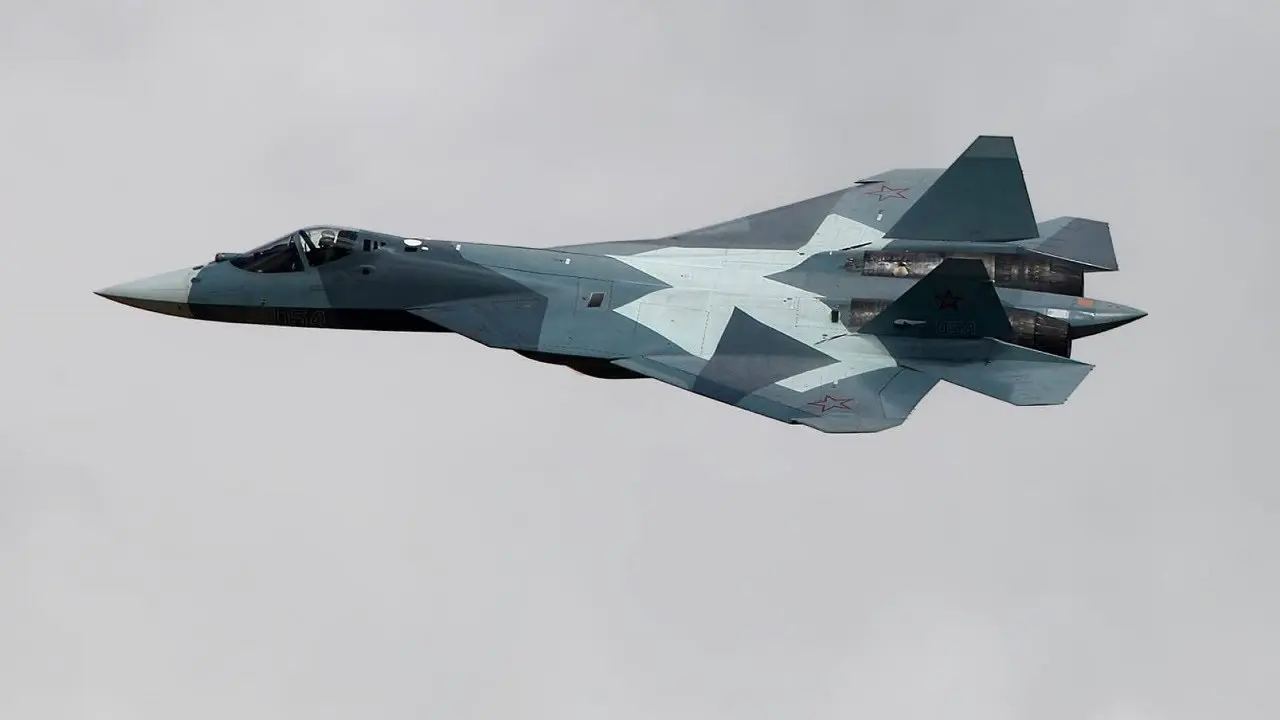
Advanced RAM coatings
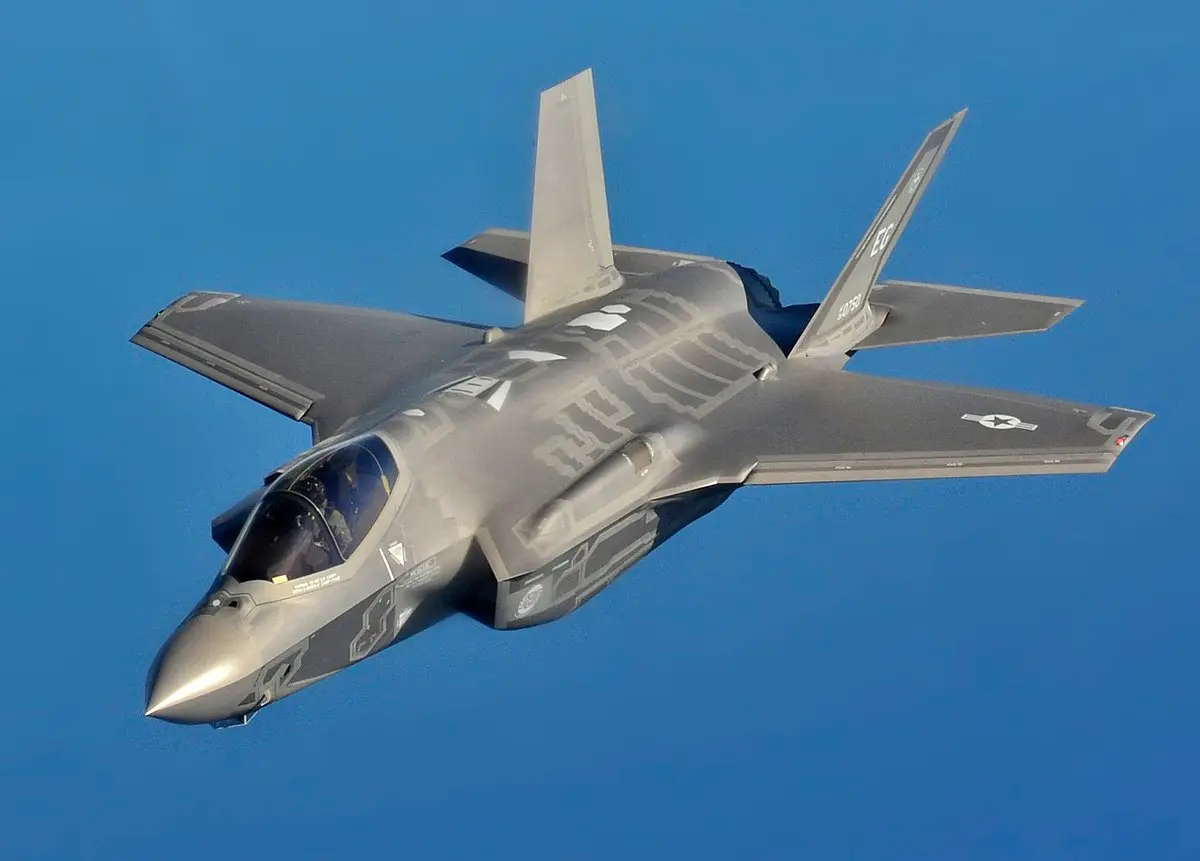
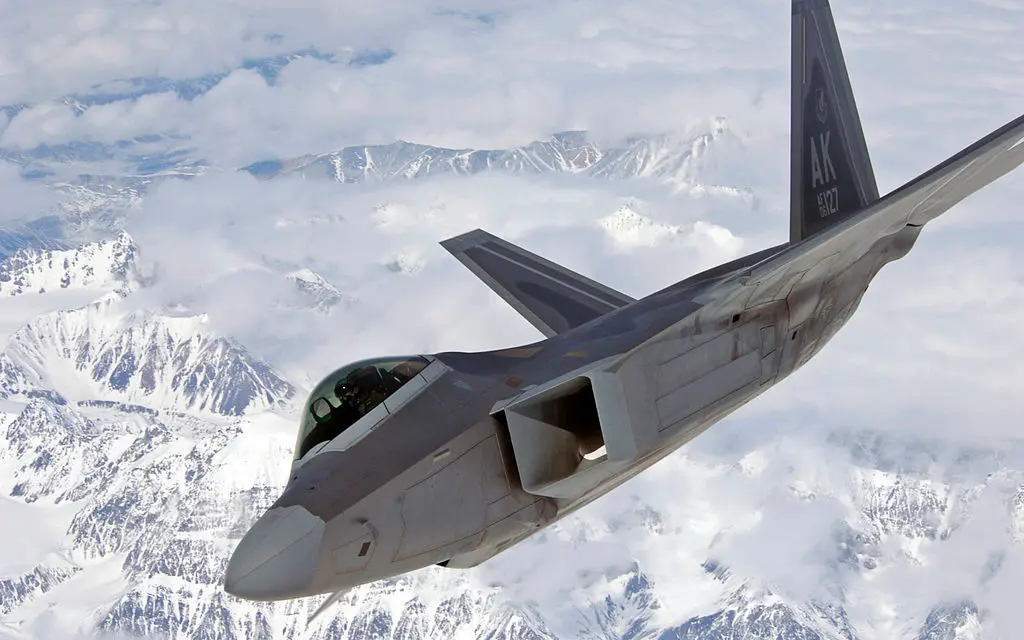
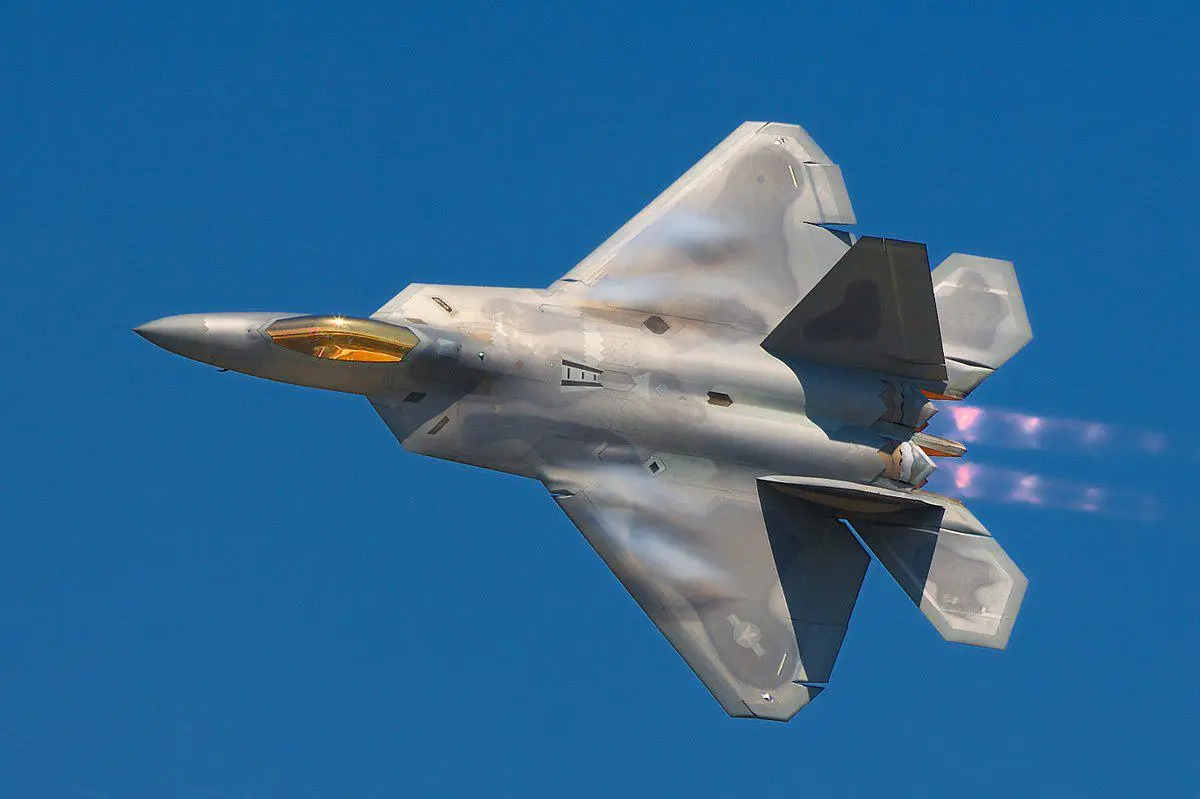
Aircraft like the F-22, F-35, and some drones use advanced RAM coatings. These coatings have different recipes, but all aim to cut the radar cross-section of the jet by a large margin, according to aviation experts and media reports.

Why shape and coating work together
The shape of the jet and RAM coating must work together for full stealth. Even the best coating cannot hide a fighter with unsafe design, and carrying weapons on the outside can make stealth less effective.
Repairs and limits
RAM coatings are tough but not unbreakable. Heat, weather, and simple wear-and-tear can damage them, so they need repairs often, sometimes after every flight for top stealth jets.
Stealth coatings?
Future coatings may use adaptive materials that change properties for different radar types, or lightweight nanomaterial layers for even better radar absorption, as per technical journals and defence reports.
)
)
)
)
)