How does stealth actually work? The physics of B-2 bomber that radar simply cannot see

The B-2 Spirit is described as ‘stealthy’ in almost every news report about it — but almost no news report explains what that actually means. It is not invisibility. It is not a cloaking device. It is the result of very specific engineering decisions about shape, material, and electronics. Here is how radar works, why the B-2 defeats it, and what ‘low observable’ really means in plain language.
How Radar Works In The First Place
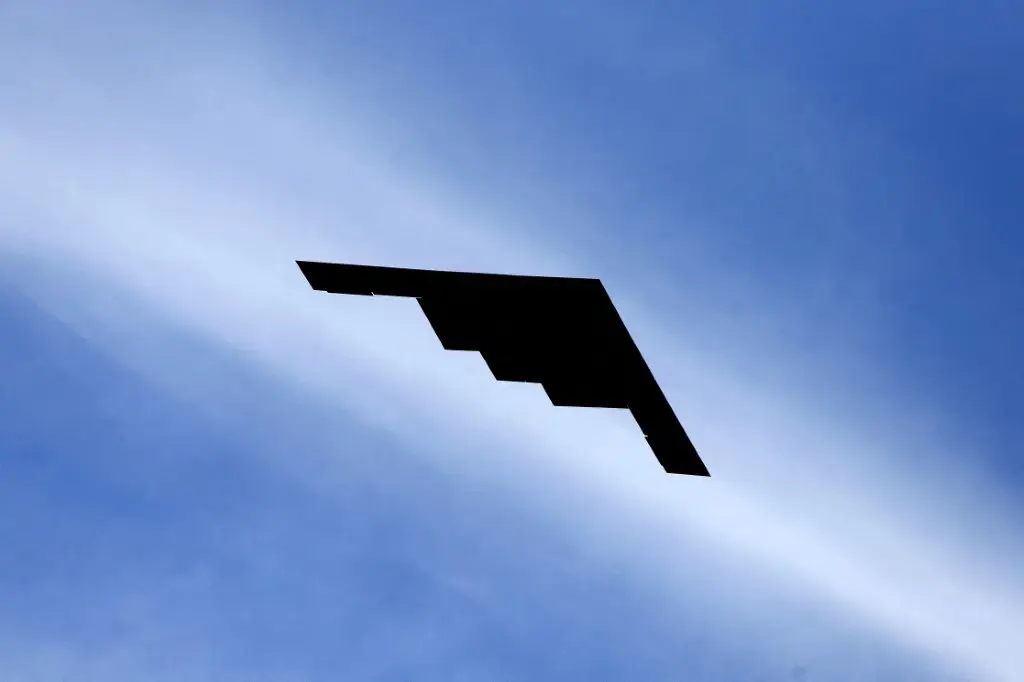
Radar works by sending out a pulse of radio waves and waiting to see what bounces back. If a radio wave hits a flat metal surface facing the radar, most of the energy bounces directly back to the receiver — a strong return, a clearly visible target. If the surface is curved, angled, or covered in a material that absorbs rather than reflects, less energy returns. The radar either sees a smaller blip, sees it later, or sees nothing at all.
Shape: The First Line Of Stealth
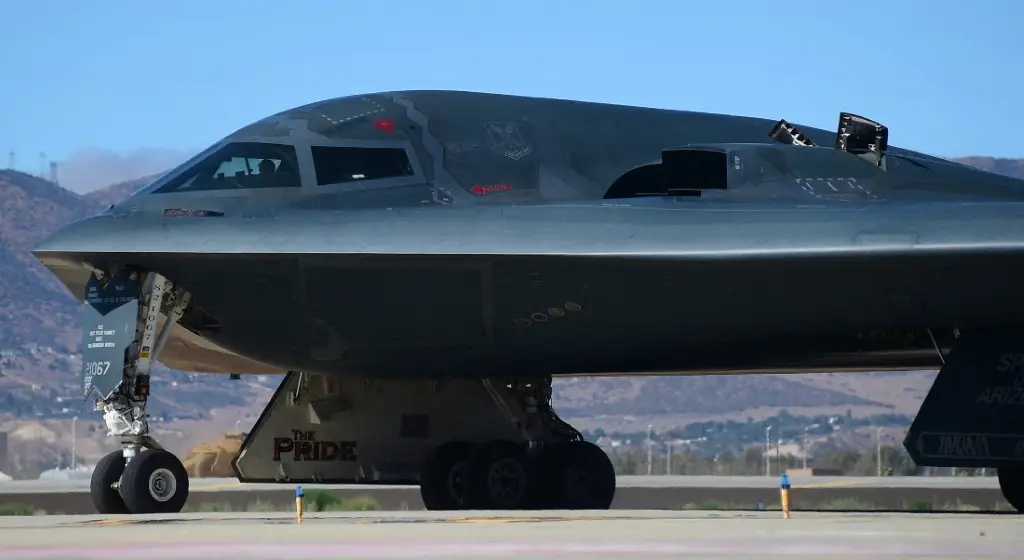
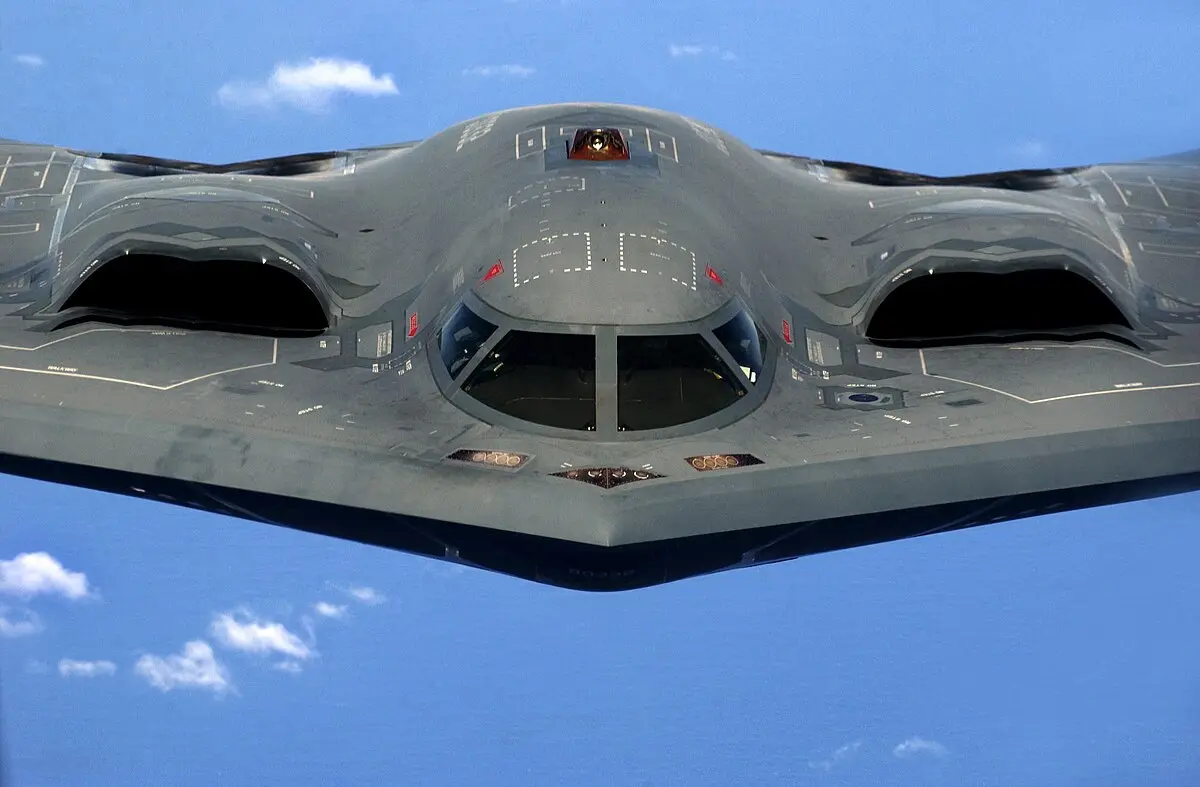
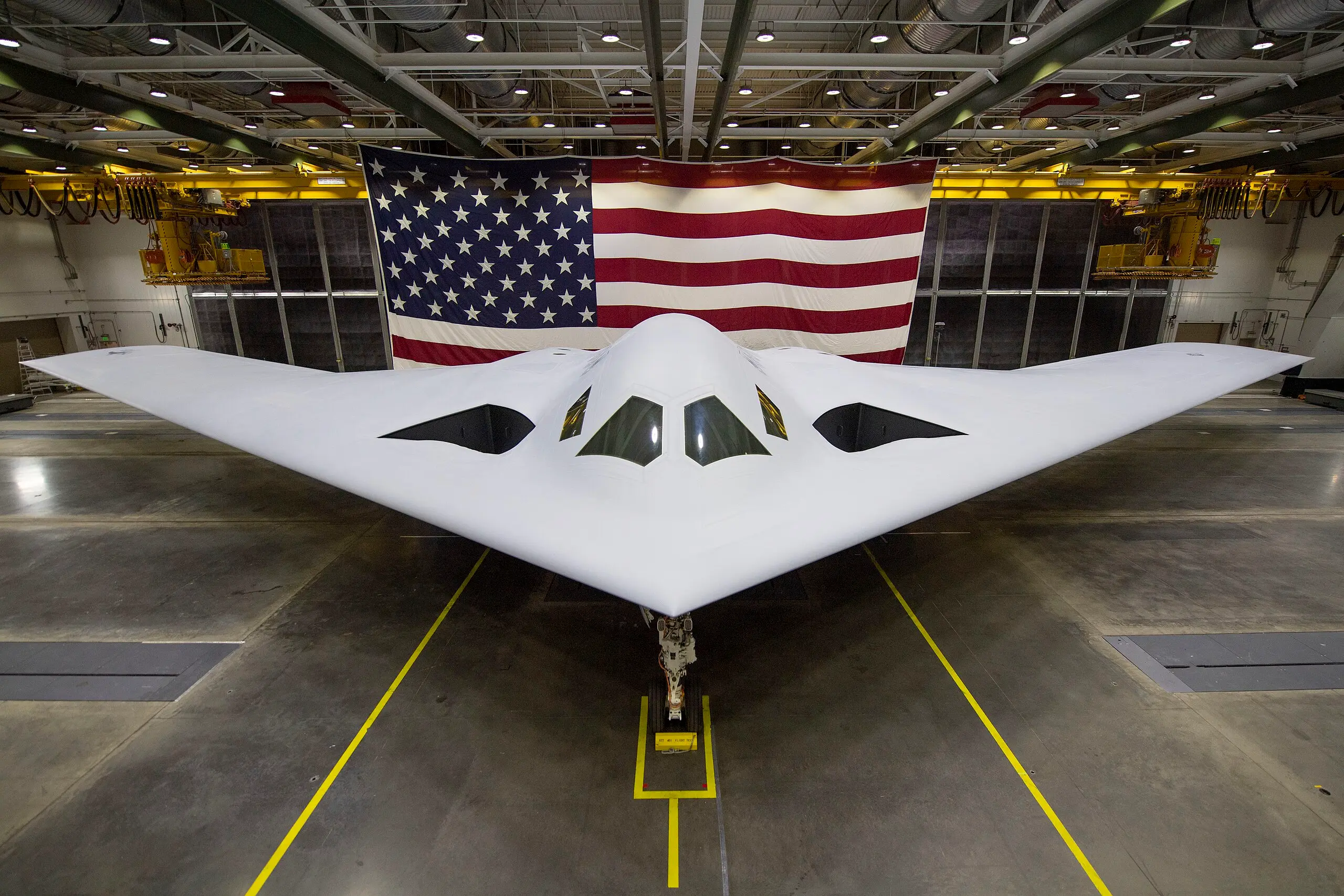
The B-2's flying-wing design eliminates the vertical tail fins, engine nacelles, and fuselage angles that create strong radar returns on conventional aircraft. Every surface of the B-2 is angled to deflect radar energy away from the receiver rather than back toward it. The wing's smooth, continuous curves have no right angles — right angles are the enemy of stealth because they create corner reflector effects that send radar energy directly back to its source.
Radar-Absorbing Material: The Second Line
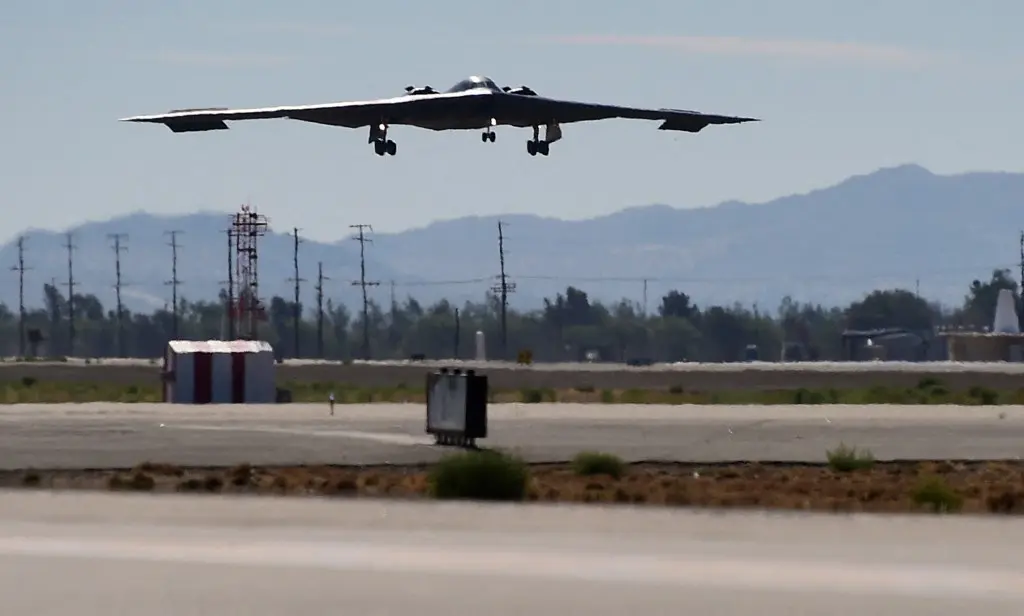
The B-2's skin is covered in radar-absorbing material — a composite coating that converts radar energy into heat rather than reflecting it. Where the shape deflects radar waves away, the coating absorbs what remains. Together, the two systems reduce the B-2's radar cross-section to approximately the size of a large bird. A radar operator looking at a B-2 on their screen sees a return about the size of a seagull — if they see anything at all.
The Engines Are Hidden On Purpose
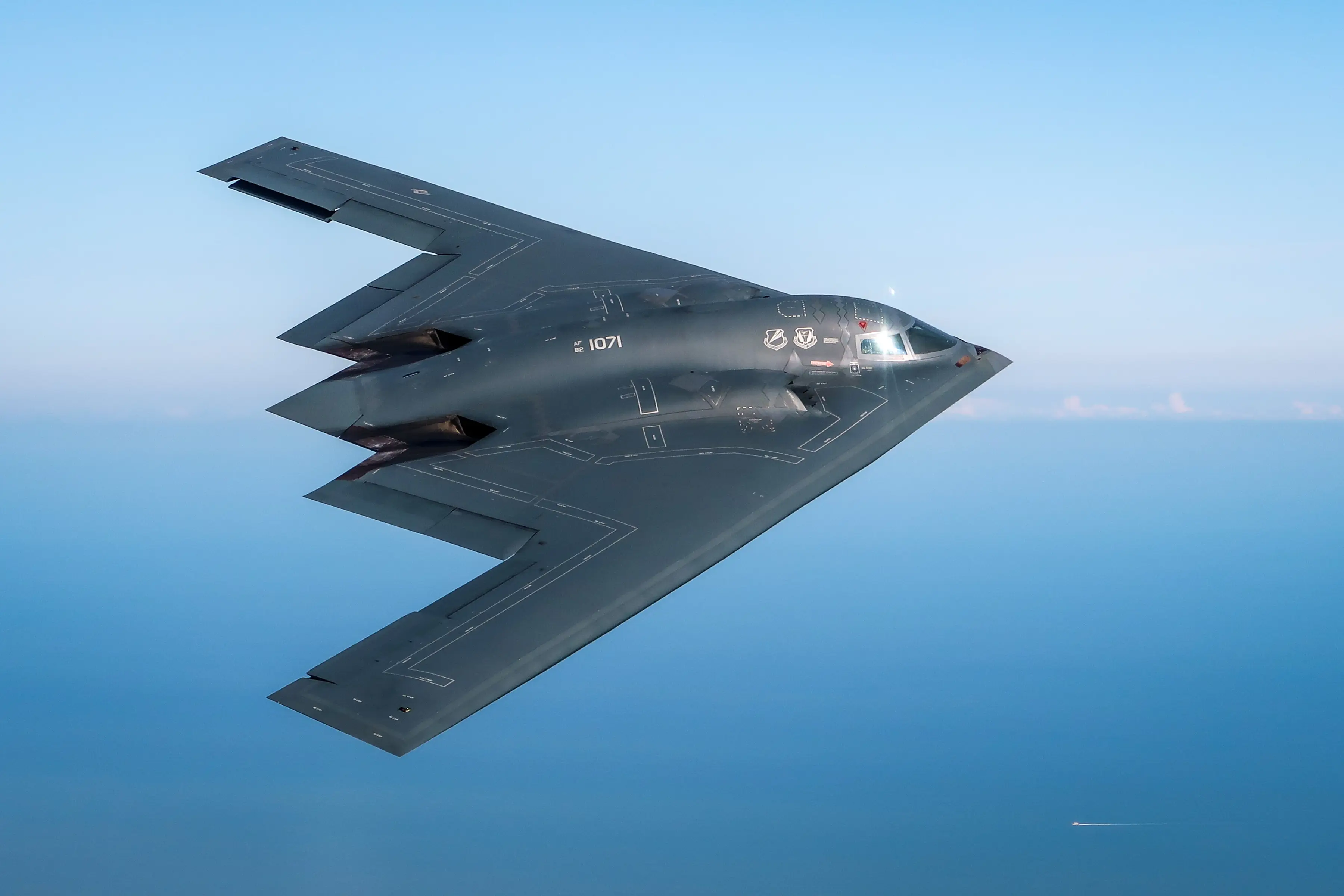
Jet engines are strong radar reflectors — their rotating turbine blades create a distinctive radar signature. On conventional aircraft, engines are exposed or only partially covered. On the B-2, the four engines are buried deep inside the wing structure. The air intakes are shaped and lined with radar-absorbing material. The exhaust is routed through a slot designed to minimise both radar and infrared signatures. The engines are essentially hidden from radar inside the aircraft's own body.
What Low Observable Actually Means
Stealth aircraft are not invisible to all radar systems under all conditions. The term used by the US Air Force is ‘low observable’ — meaning the aircraft is much harder to detect than conventional aircraft, not that it is undetectable. Very low-frequency radar systems can sometimes detect stealth aircraft, though not with the precision needed for targeting. The goal of stealth is not to be completely invisible but to be invisible long enough, at the right ranges, to complete the mission before defences can respond.
The Computer Systems That Complete The Picture
Beyond shape and materials, the B-2 uses active electronic measures to further reduce its detectability. The aircraft monitors radar emissions from the ground and adjusts its flight path and electronic emissions accordingly. It carries systems designed to detect and evade radar lock-on. The stealth is not purely passive — it is a combination of the aircraft's physical characteristics and active management of its electromagnetic signature during flight.
Why No Other Country Has Matched It
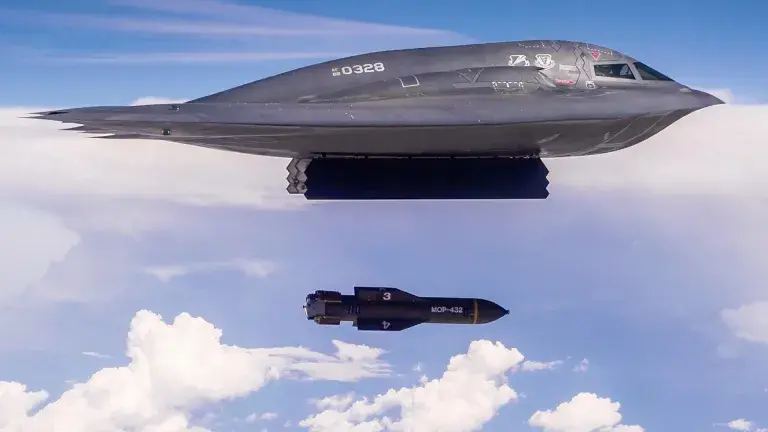
The United States has operated the B-2 since 1997. No other country has produced a comparable stealth heavy bomber. Russia's PAK-DA and China's H-20 programmes have been announced but neither has entered service. The combination of flying-wing aerodynamics, radar-absorbing material chemistry, buried engine design, and the manufacturing precision required to maintain stealth across every surface of a large aircraft represents a level of engineering integration that has taken the US decades to master — and that no other nation has yet replicated at this scale.
)
)
)
)
)