How a train stays on track? Understanding the physics of wheel–rail interaction

The raised inner edge of each wheel, called a flange, is designed to prevent derailment in tight curves or during lateral movement. Under normal conditions, flanges do not touch the rail.
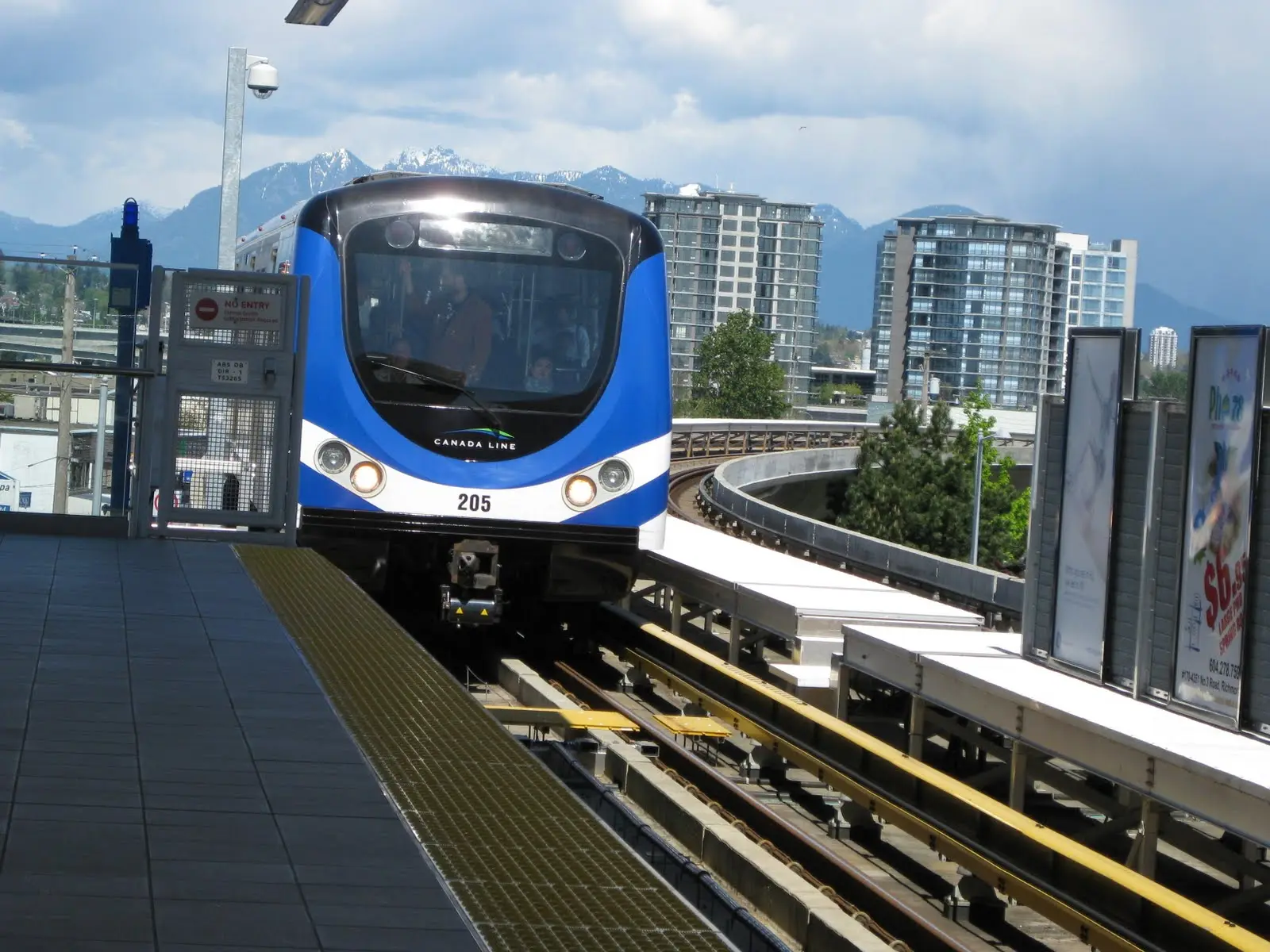
1. Wheel Taper Creates Automatic Centring on Rails
Train wheels are not flat; they have a slight conical shape, usually with a taper of about 1 in 20. When a train shifts sideways, the wheel on one rail begins rolling on a slightly larger diameter compared to the opposite wheel. The difference in rolling diameters creates a restoring force that guides the axle back to the centre of the track without any active steering. This passive self-centring mechanism is the primary reason trains can run stably at high speeds.
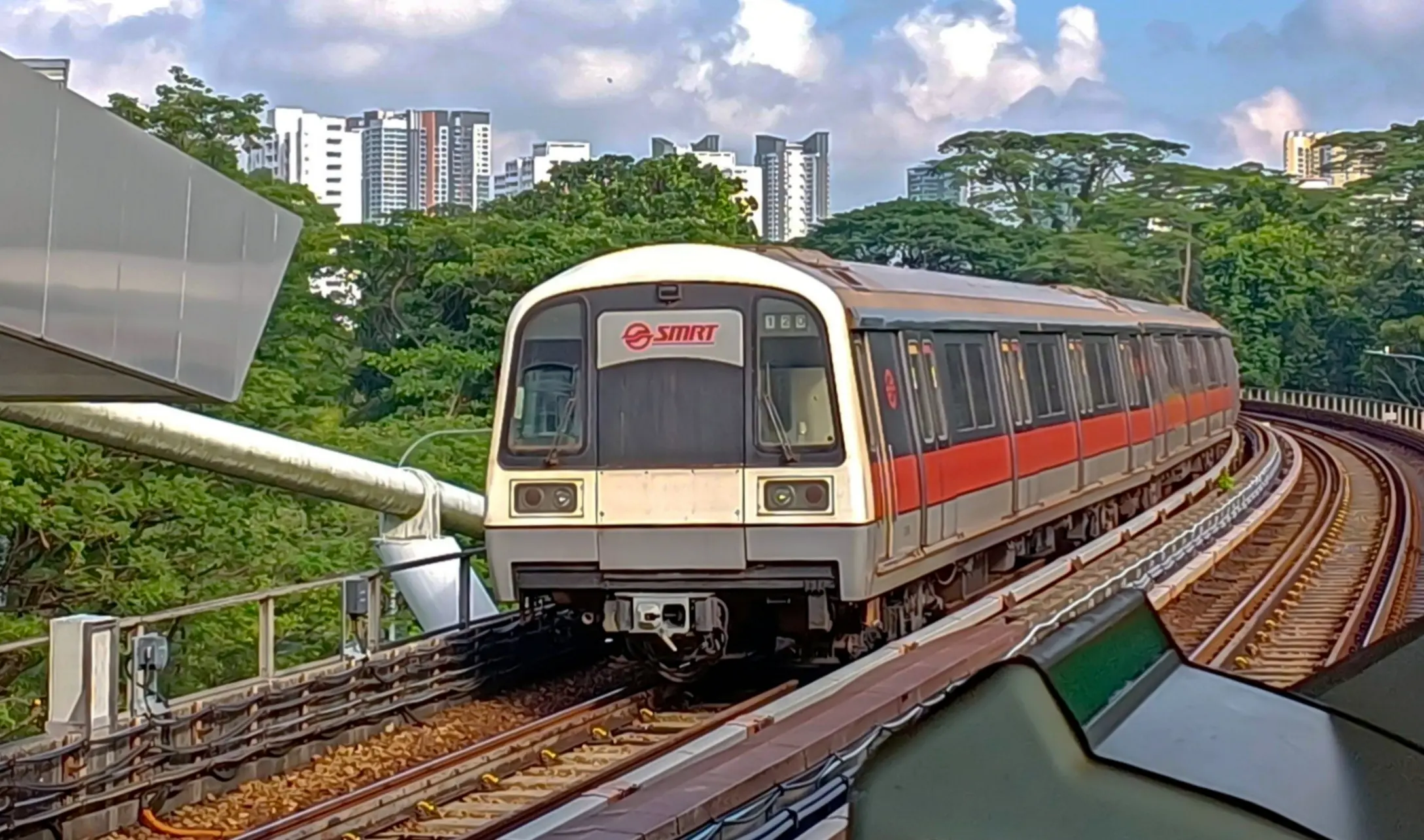
2. Fixed Axles Force Both Wheels to Rotate Together
Both wheels on an axle are mounted rigidly, meaning they rotate at the same speed. When the train drifts to one side, the larger effective diameter on that side causes the wheelset to naturally follow a curved path back to the middle. This mechanical behaviour compensates for the train’s inability to steer and ensures the wheelset stays aligned with the rails.
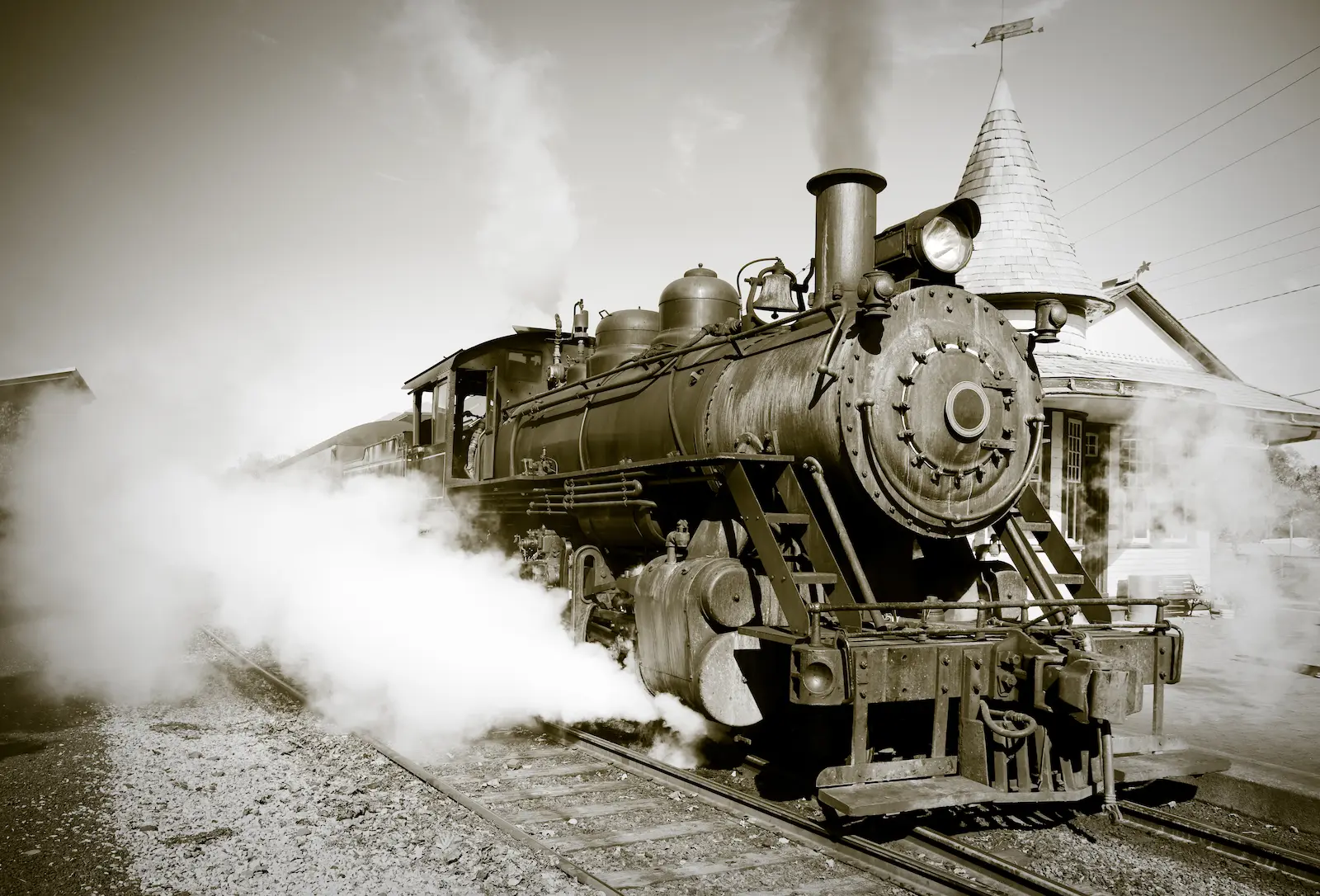
3. Flanges Act as a Safety Barrier, Not a Steering Tool
The raised inner edge of each wheel, called a flange, is designed to prevent derailment in tight curves or during lateral movement. Under normal conditions, flanges do not touch the rail. They engage only when the train experiences unusually high forces, such as sharp curves, heavy crosswinds, or track irregularities. This reduces wear on both the wheels and the track while providing a passive safeguard.
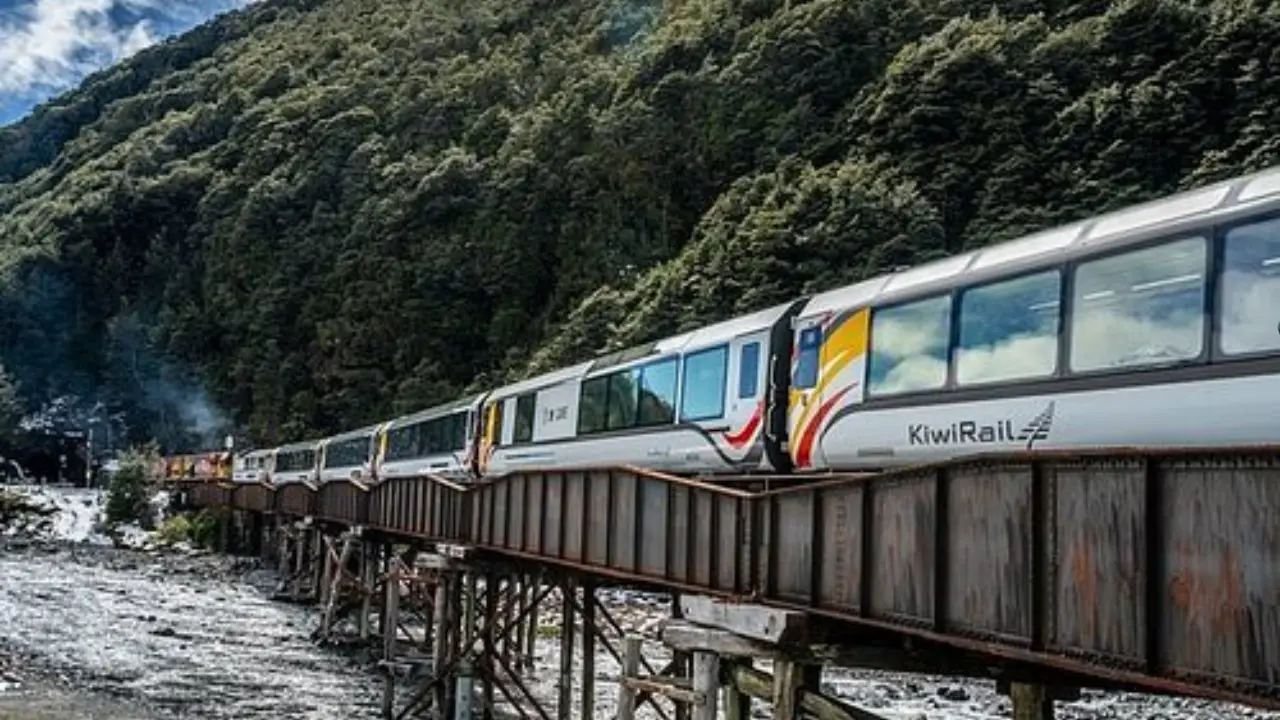
4. Rail Geometry Guides the Train Around Curves
Modern railway tracks use a consistent rail profile, cant (track tilt), and carefully calculated curve radius. Cant counteracts lateral acceleration by tilting the train slightly inward on curves. The combination of conical wheels and tilted rails ensures that the wheelset naturally adjusts to changes in direction, reducing the reliance on flanges and keeping contact forces balanced.
5. Contact Patch Physics Determines Stability and Wear
The actual area where wheel and rail meet, known as the contact patch, is only a few square millimetres. This steel-on-steel contact supports large loads but requires precise geometry to avoid excessive wear or slip. Engineers model the contact forces to ensure stable rolling, manage heat generated by friction, and maintain predictable behaviour even at high speeds.
6. Suspension and Bogie Design Absorb Vibrations and Lateral Forces
Bogie frames contain primary and secondary suspension systems that control vertical and sideways movements. Springs, dampers, and anti-roll components distribute forces from the track to the carriage. These systems prevent oscillations, such as hunting motion, a side-to-side instability that can occur at high speeds and keep the wheelsets correctly aligned with the rail.
7. Frequent Monitoring Ensures Geometry Stays Within Safety Limits
Railways continuously measure wheel profiles, flange thickness, track gauge, and alignment. Even small deviations can change how forces distribute at the wheel-rail interface. Monitoring systems detect wear patterns early, while rail grinding and wheel reprofiling restore correct shapes. This maintenance regime is essential for preventing derailments and preserving the dynamics that keep trains centred on the track.
)
)
)
)
)