A global intelligence effort: How US is sharing the new UFO data with international allies

The UAP tracking effort is going global as the United States shares the May 22 declassified telemetry with the ‘Five Eyes’ intelligence alliance.
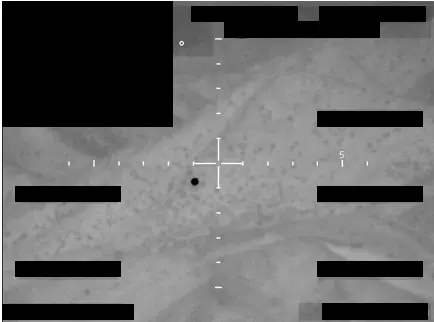
Not Just an American Problem
The May 22 release proves that UAPs are a global phenomenon. Recognizing this, the United States has stopped hoarding data and begun actively sharing UAP telemetry with international intelligence partners.
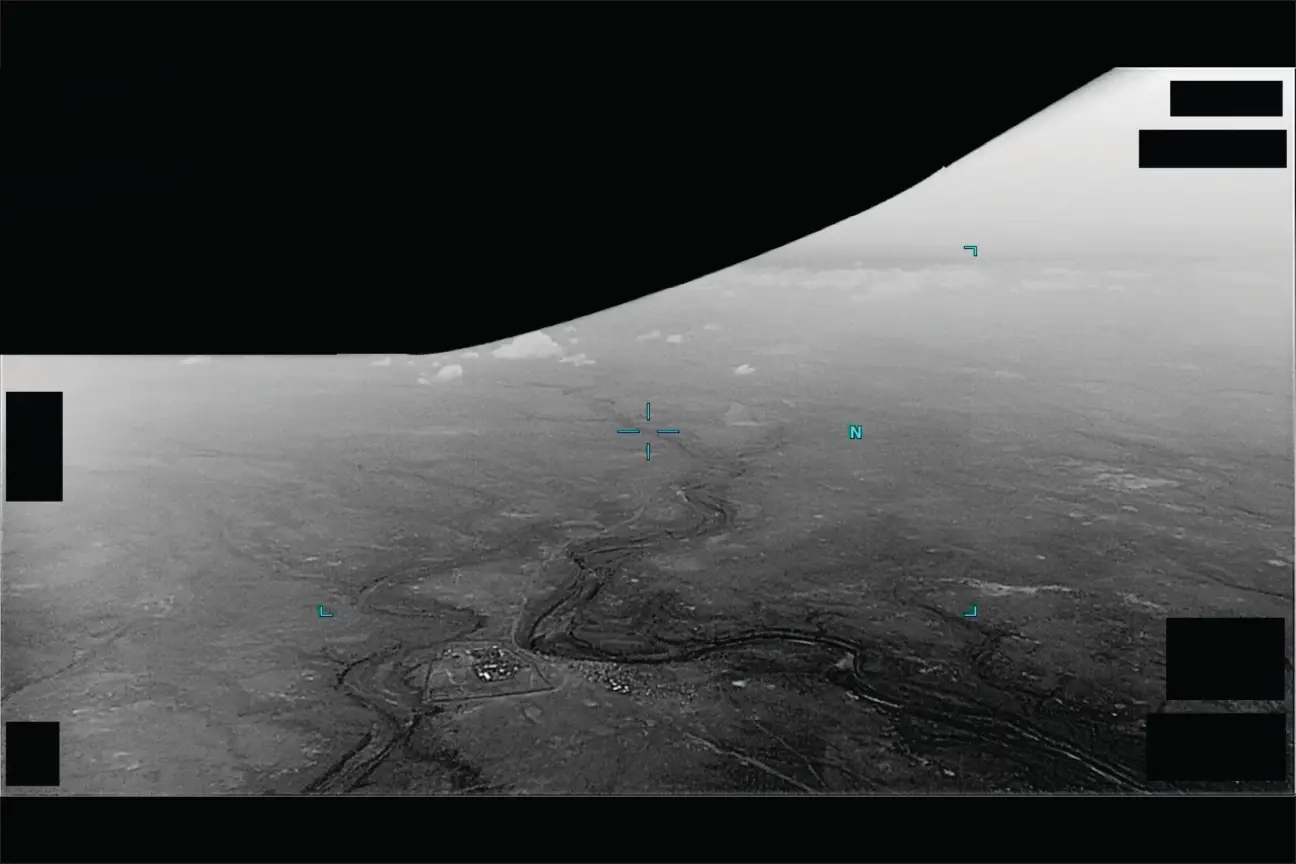
The 'Five Eyes' Alliance
The Department of War has established secure pipelines to share raw UAP sensor data with the ‘Five Eyes’ intelligence alliance, which includes the UK, Canada, Australia, and New Zealand.
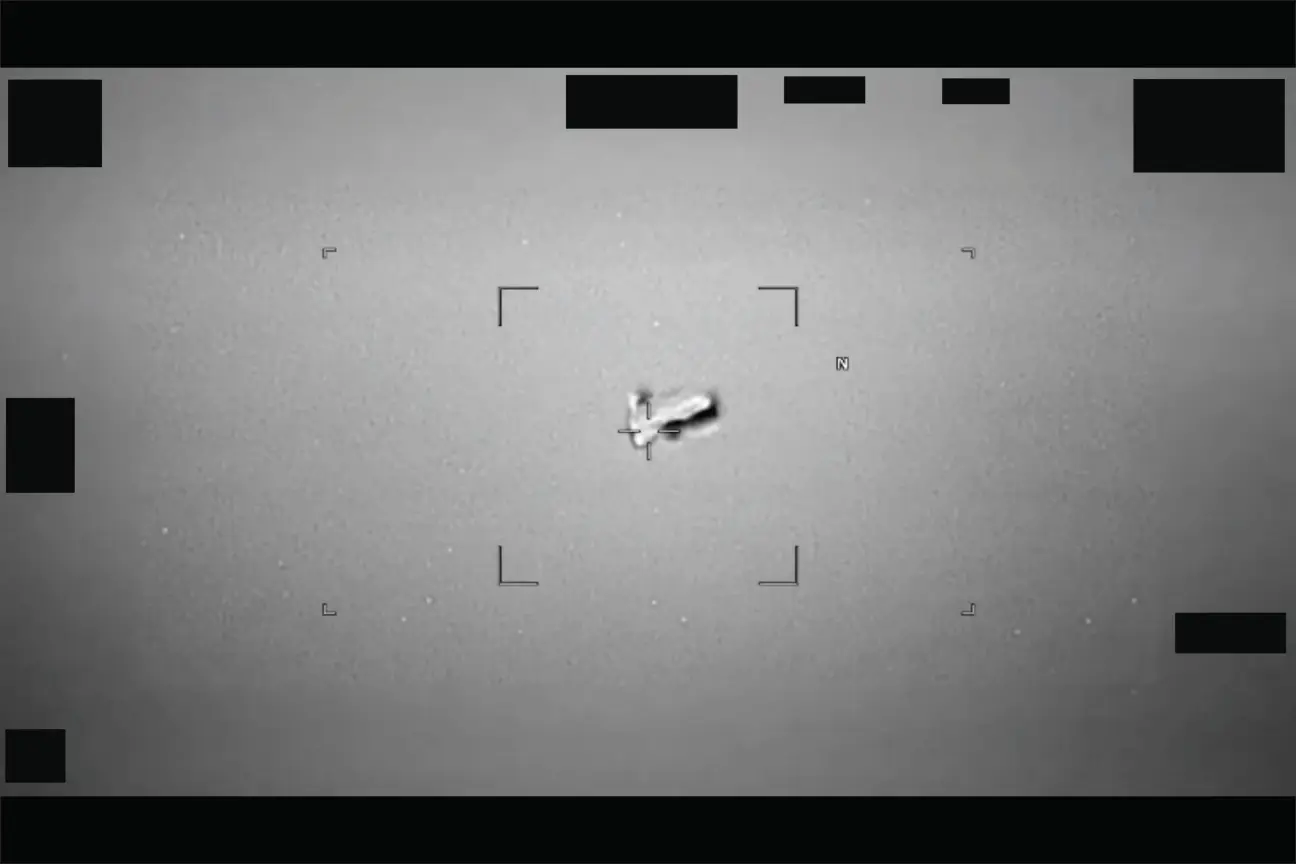
Cross-Border Tracking
Because these highly advanced craft ignore national borders, international cooperation is essential. The new data-sharing agreements allow for continuous radar tracking as objects move from US to Canadian or European airspace.

Standardizing Global Protocols
The US is using the PURSUE initiative as a framework to help allied nations establish their own standardized UAP reporting mechanisms, ensuring the global military community speaks the same analytical language.
Joint Naval Operations
The transmedium objects recorded in the Persian Gulf highlight the need for joint naval analysis. The US is now sharing acoustic and sonar signatures with allied fleets to help them identify underwater anomalies.
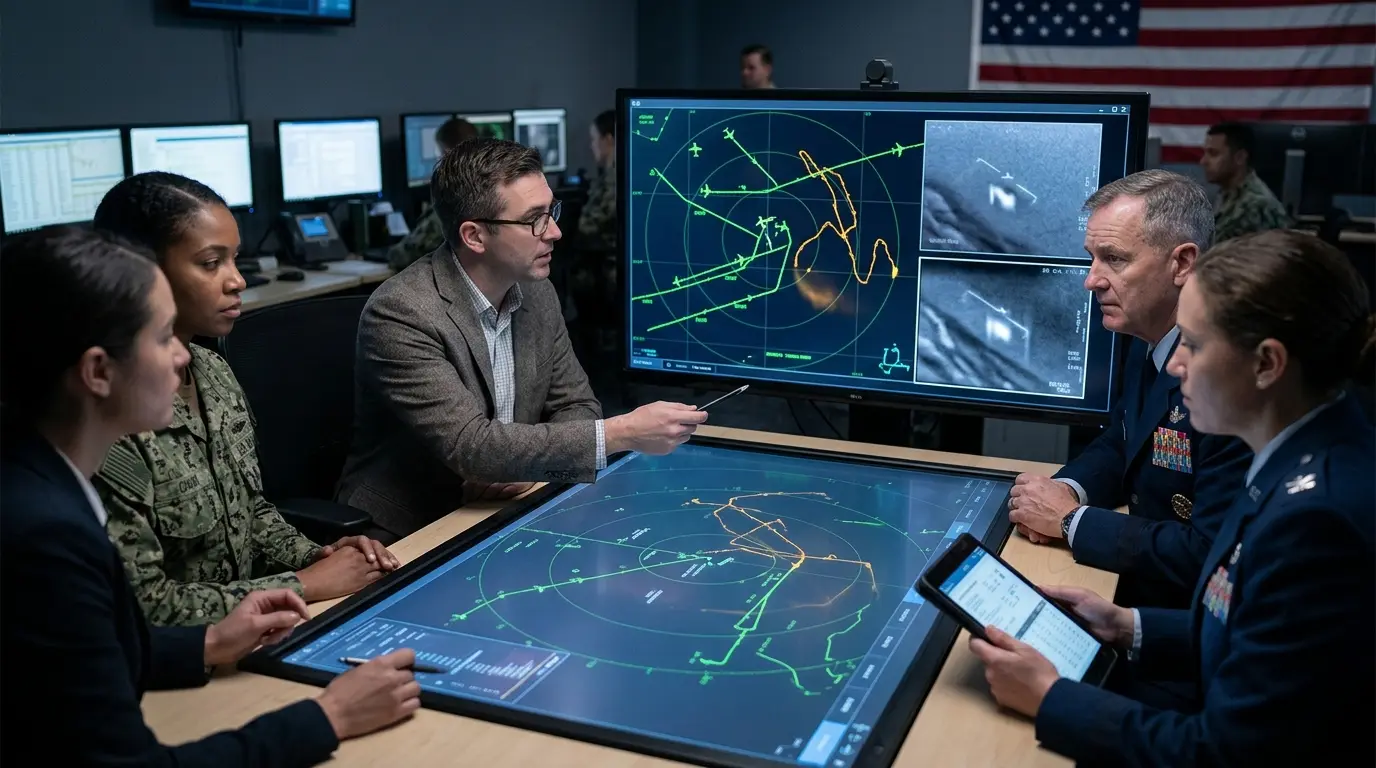
A Geopolitical Advantage
Sharing this intelligence prevents adversaries from exploiting the confusion. By collaborating on UAP analysis, allied nations can quickly rule out whether an object is a Russian drone or a truly anomalous craft.
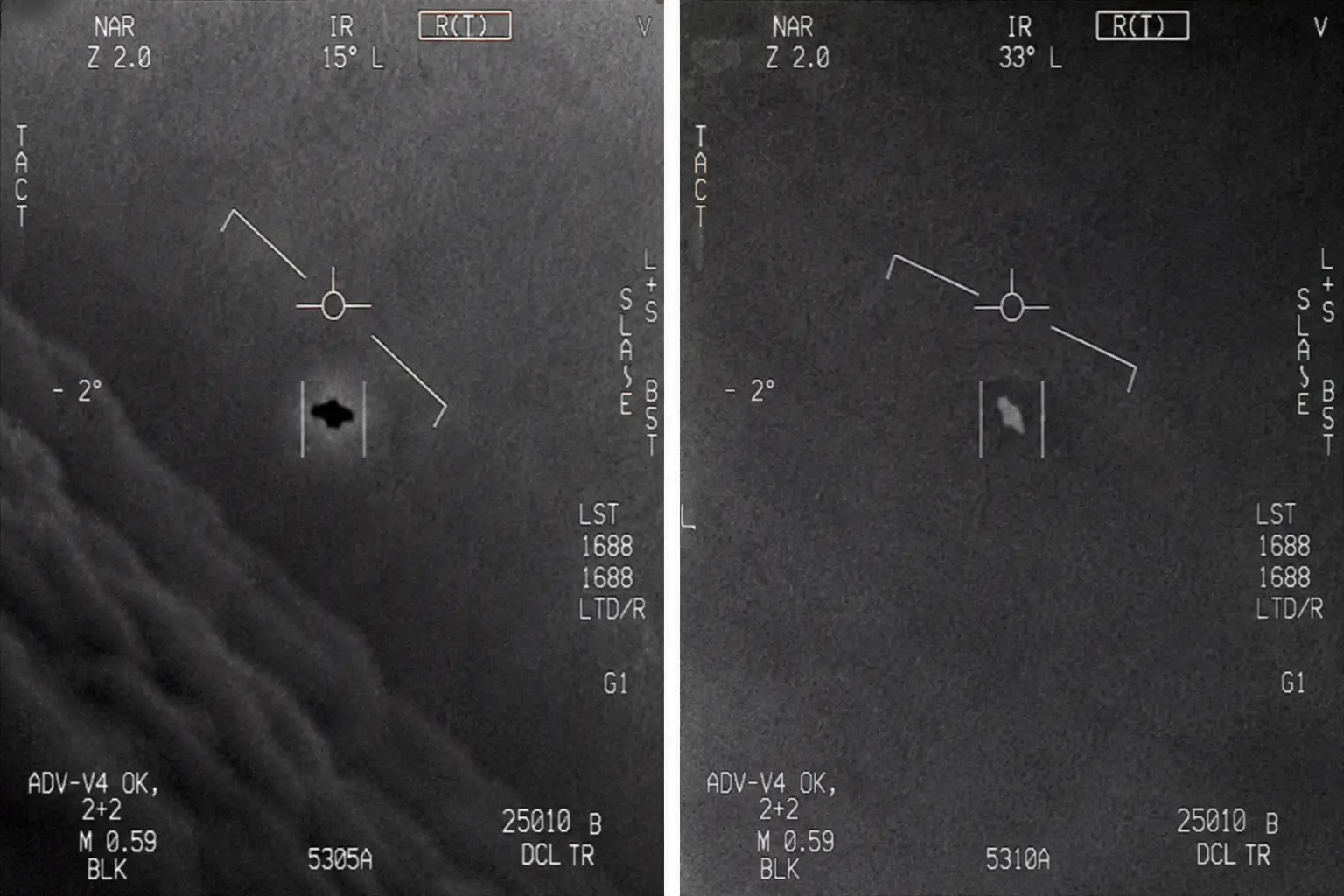
A Unified Global Response
The internationalization of UAP tracking marks the beginning of a unified global response. As more nations analyze the May 22 data, humanity is taking a coordinated step toward solving the mystery.
)
)
)
)
)