Ghost mode or electronic spoofing? How USS Abraham Lincoln can confuse Iran’s surveillance

The USS Abraham Lincoln uses electronic warfare, jamming, and signal spoofing to blind Iranian radar. From ‘ghost’ signals to stealth jets, these tactics mask the fleet’s location and confuse enemy surveillance.
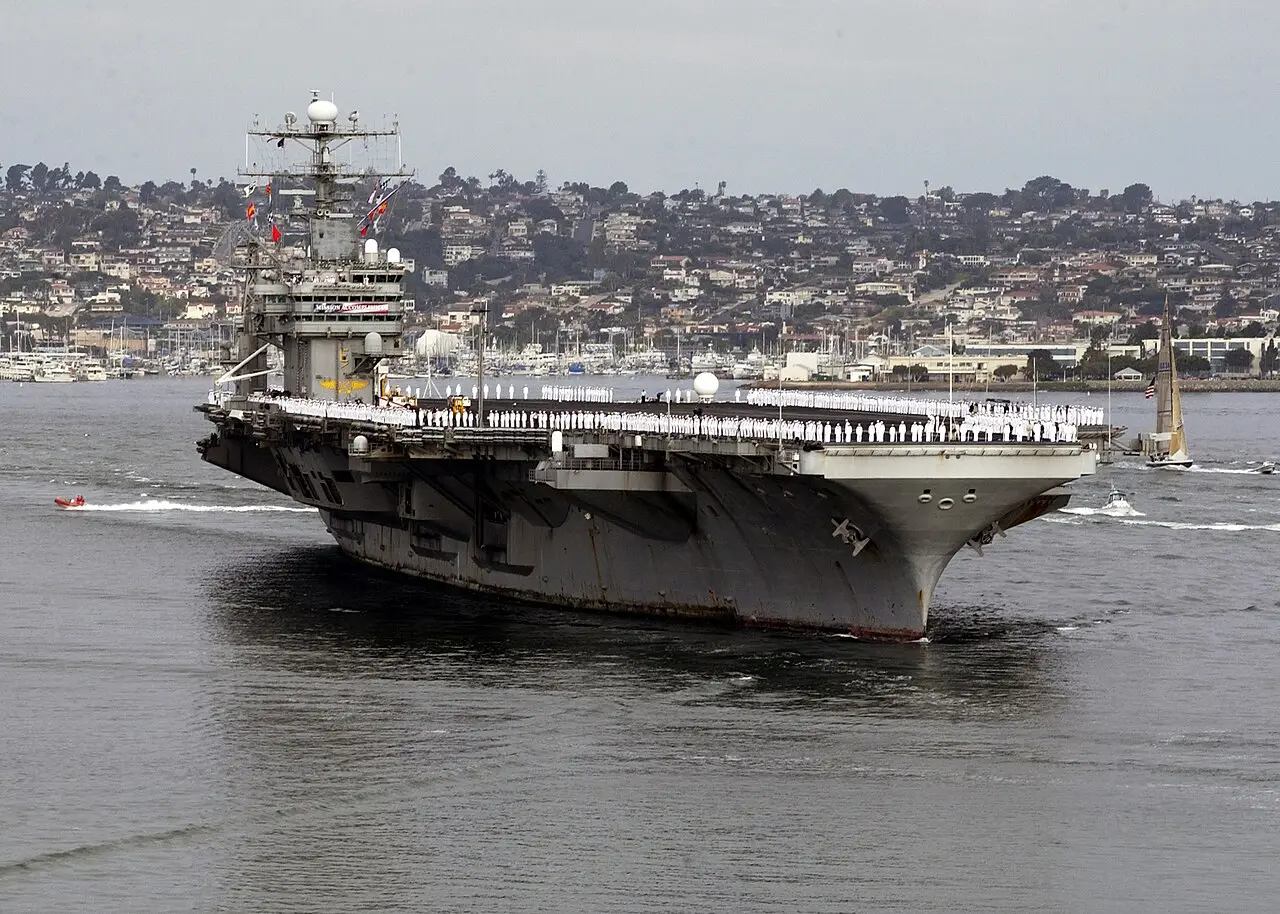
The ‘Ghost’ Arrival
The USS Abraham Lincoln has entered the Middle East, but finding its exact coordinates is a challenge for adversaries. The carrier strike group often operates under strict emission control (EMCON), silencing electronic signals to blend into the background noise of the ocean, making it difficult for long-range sensors to lock on.
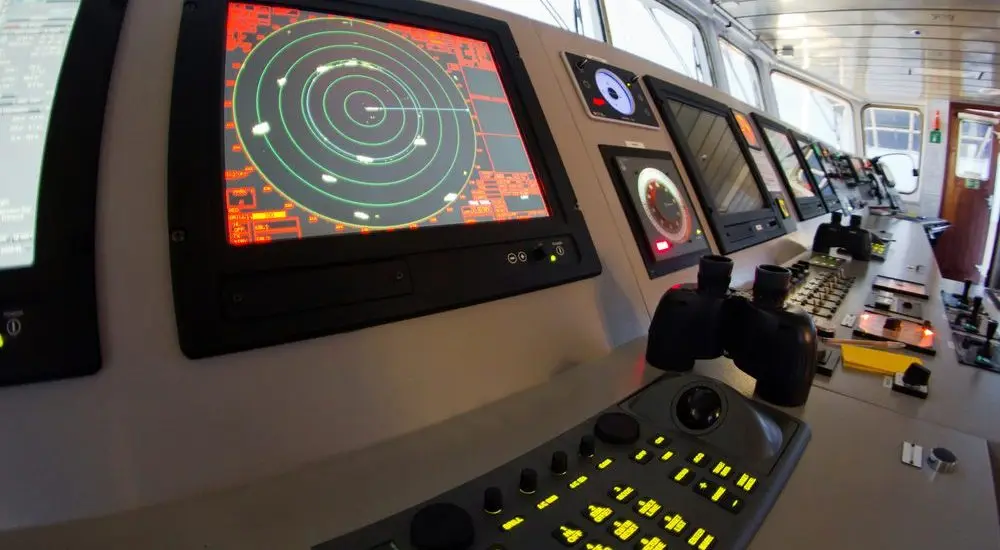
AIS Deception Tactics
Modern warships can manipulate the Automatic Identification System (AIS) used by commercial vessels. By spoofing these signals, a US warship can appear to be a merchant tanker on digital maps or show its location kilometres away from its actual position, leaving Iranian monitors chasing phantoms.
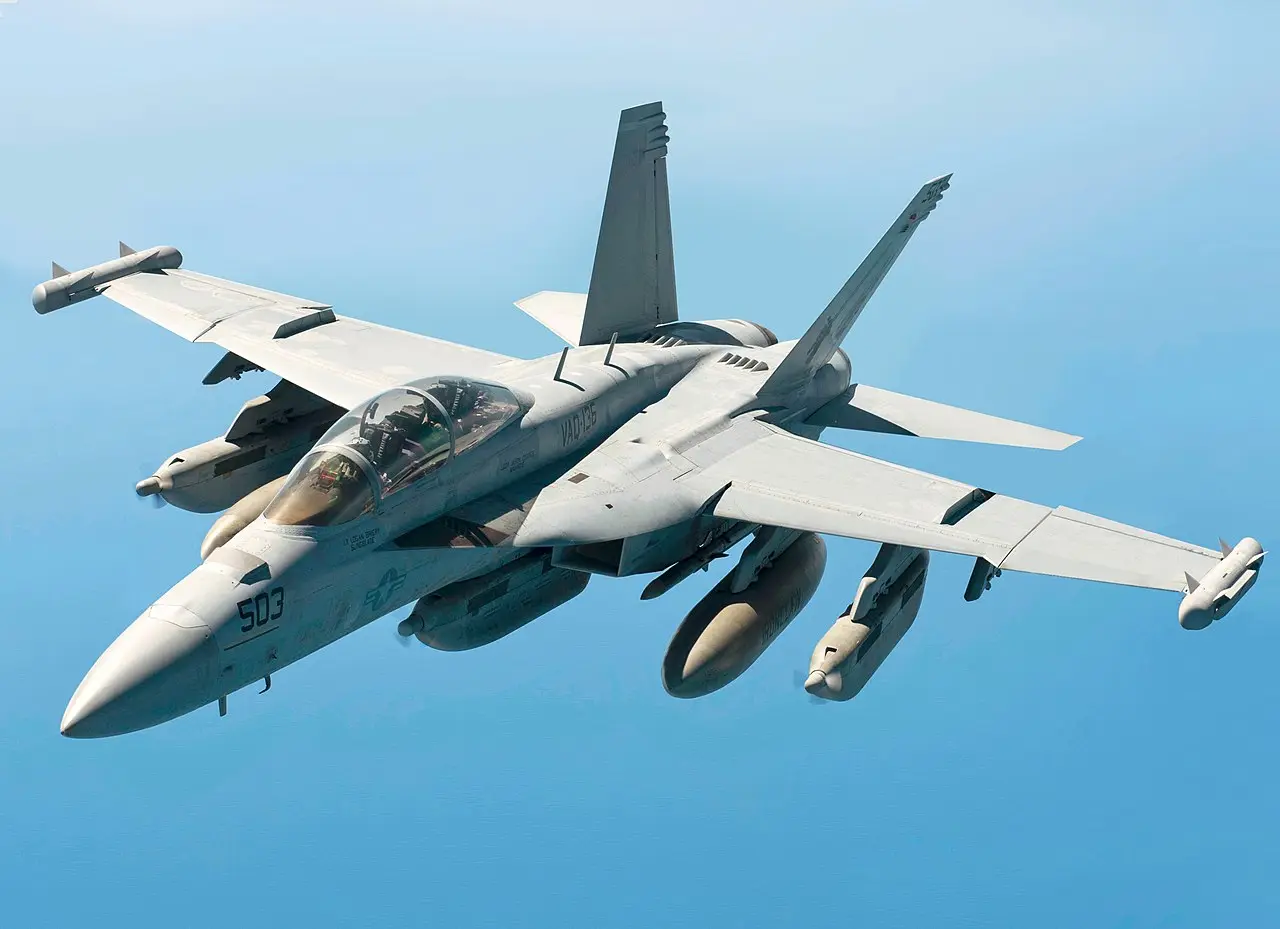
The Growler Advantage
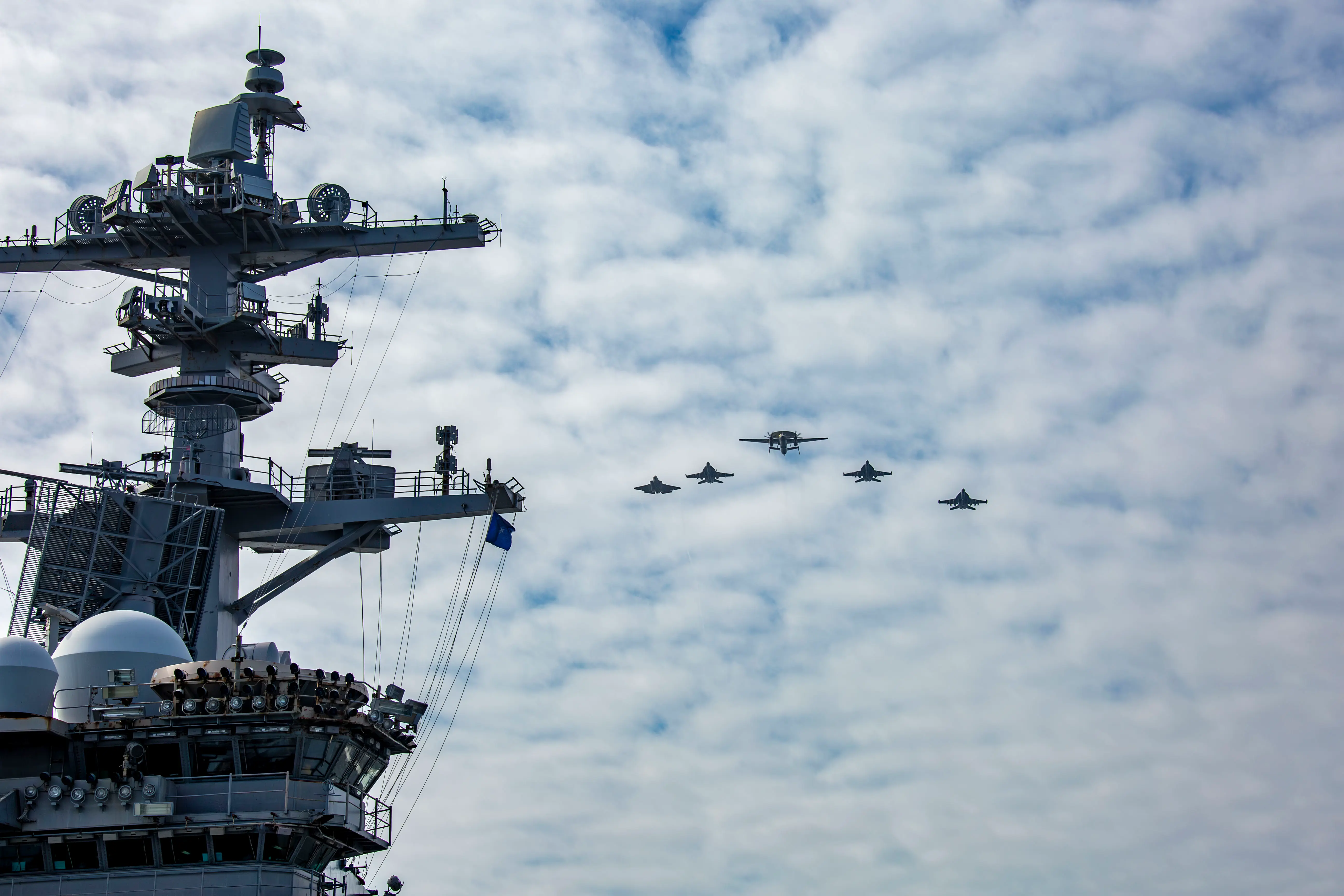
A key asset on the Lincoln is the EA-18G Growler, a specialised electronic warfare aircraft. These jets carry powerful jamming pods that blast electronic noise across enemy frequencies. This ‘noise’ clutters radar screens on the ground, preventing air defence systems from identifying valid targets.

Blinding the ‘Eyes’
Iran relies on a network of coastal radars to track threats in the Persian Gulf. The US Navy employs high-power electronic attack capabilities to jam or blind these sensors temporarily. This technique creates blind spots in the surveillance net, allowing aircraft or ships to manoeuvre undetected within range.
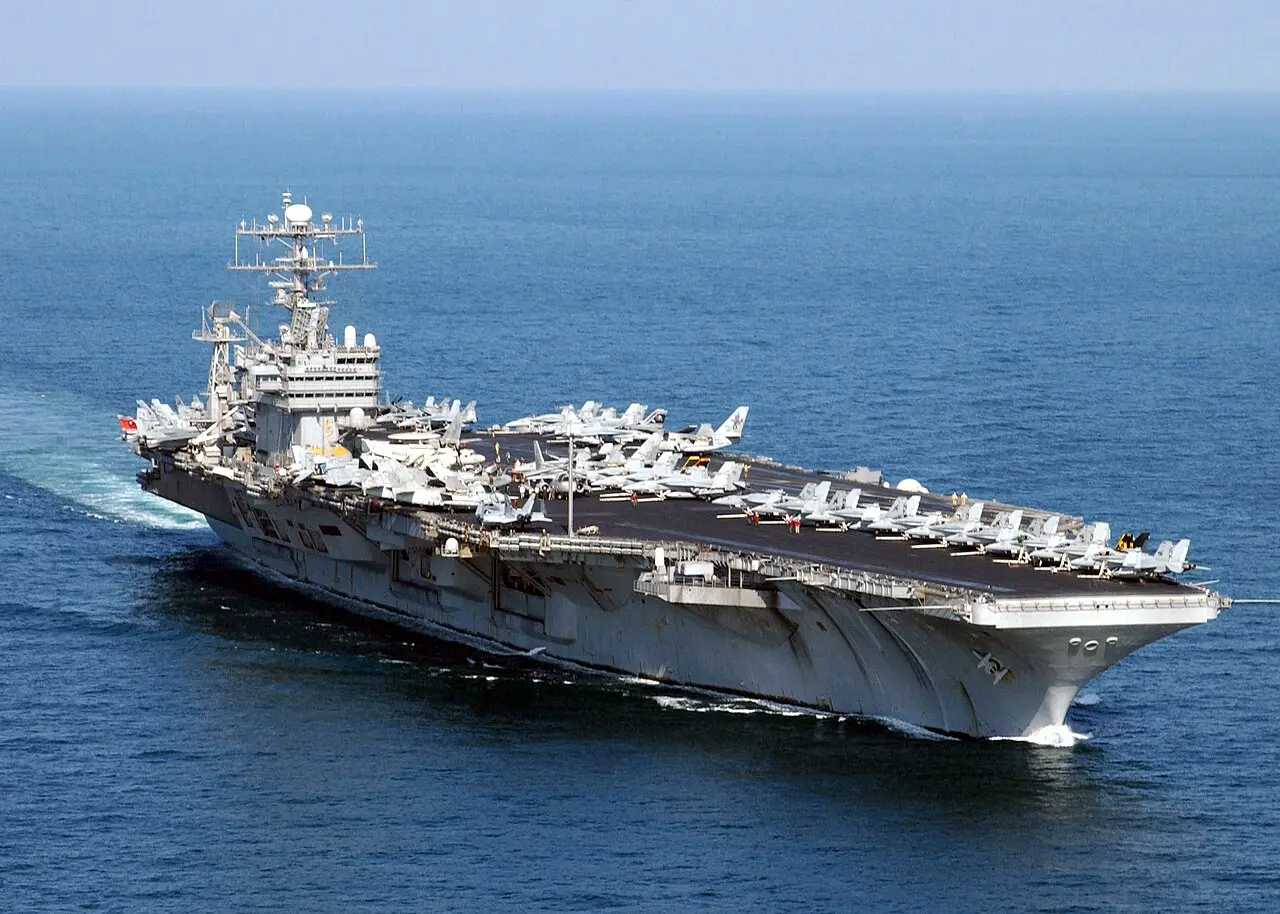
Creating False Fleets
Electronic warfare suites can generate multiple false radar returns, known as decoys. To an operator watching a screen in Tehran, a single US ship might look like a dozen different vessels moving in various directions, forcing them to guess which blip is the real threat.

The Stealth Factor
The Lincoln carries F-35C Lightning II fighters, which are designed to be virtually invisible to radar. These jets can penetrate contested airspace to gather intelligence or strike targets without alerting early warning systems, acting as the silent eyes of the fleet while the carrier remains distant.

Severing Command Links
In a potential conflict, the strike group can jam the communication frequencies used by Iranian commanders to talk to their drone operators or missile batteries. By severing these digital links, the US Navy can isolate frontline units, leaving them without orders or targeting data.
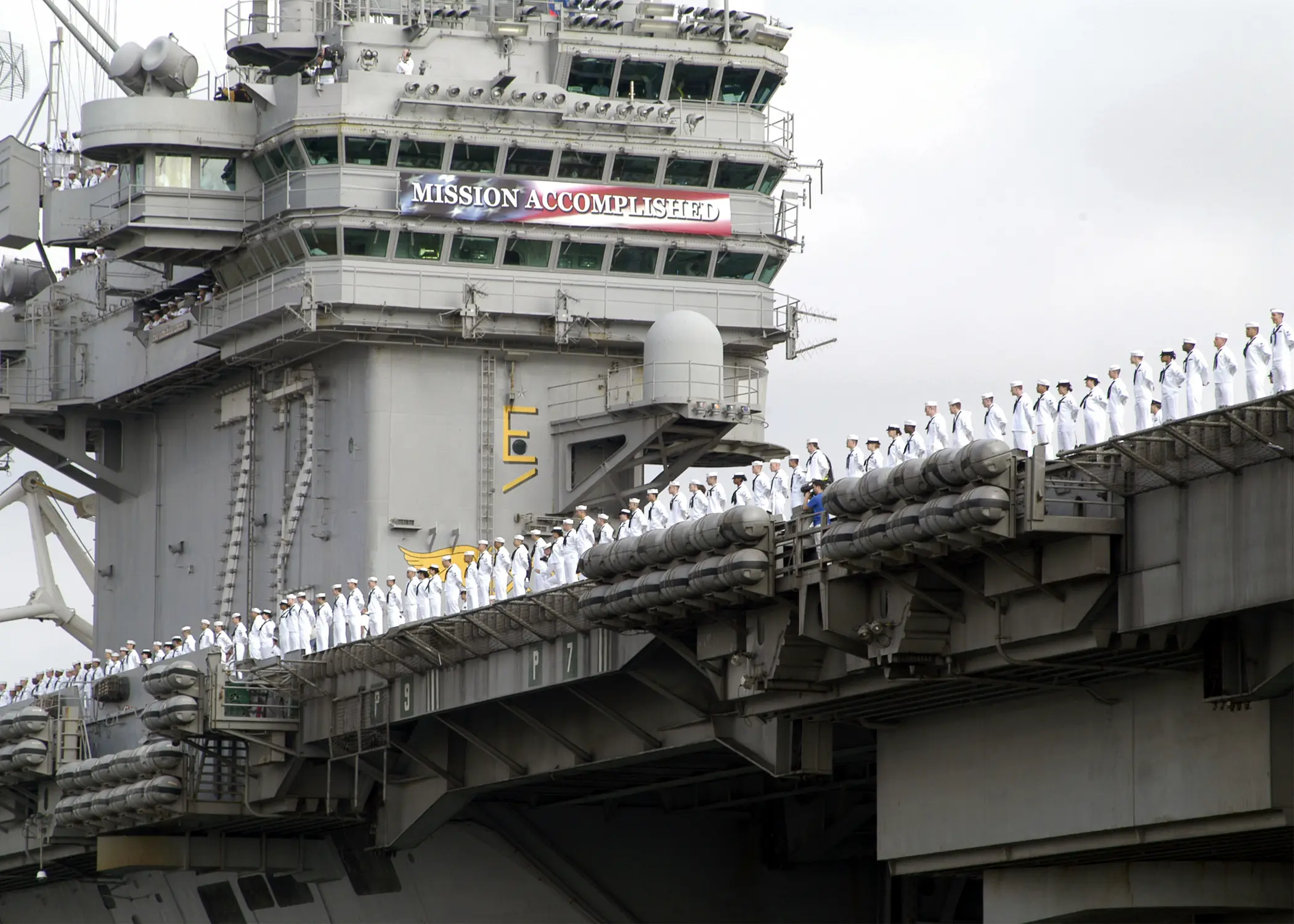
GPS Scrambling
Precision-guided missiles rely on GPS satellites to find their targets. The USS Abraham Lincoln’s defensive systems can locally jam or scramble GPS signals. This causes incoming threats to lose their way, significantly reducing the accuracy of enemy drones and long-range missiles.
The Aegis Shield
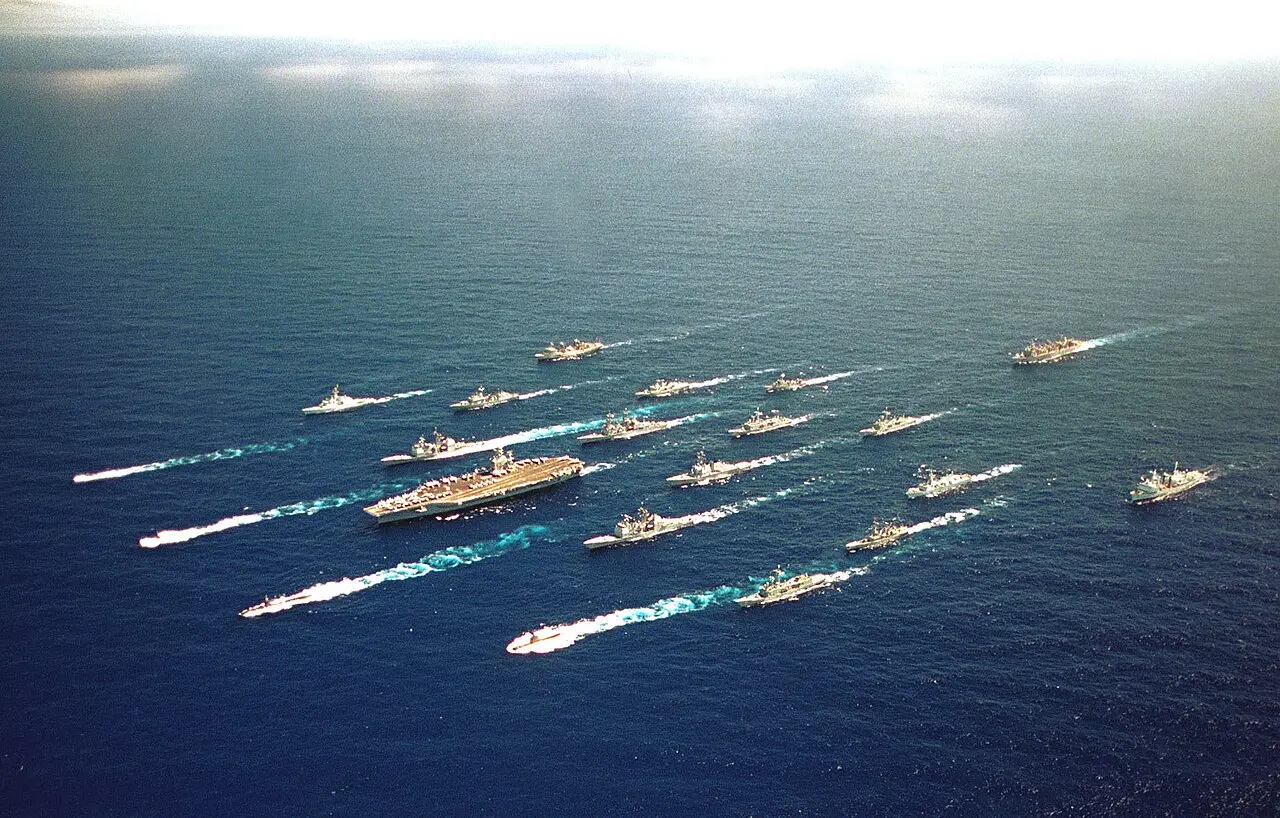
Escorting the carrier are destroyers equipped with the Aegis Combat System. This advanced computer-radar combination not only tracks hundreds of targets simultaneously but can also coordinate electronic attacks, creating a protective digital dome that shields the entire fleet from surveillance.
Silent Watch
While confusing the enemy, the USS Abraham Lincoln listens intently using passive sensors. These systems detect the electromagnetic emissions of Iranian radars and radios without sending out a signal of their own, allowing the US Navy to map enemy positions while remaining electronically silent.
)
)
)
)
)