Gaza war, two years later: The staggering toll in lives lost, hunger and devastation

As the world marks the second anniversary of Hamas's Oct 7 attack, here’s a closer look at the human and material toll of the conflict that shows no sign of truly ending.
Two years on: The Gaza war by the numbers
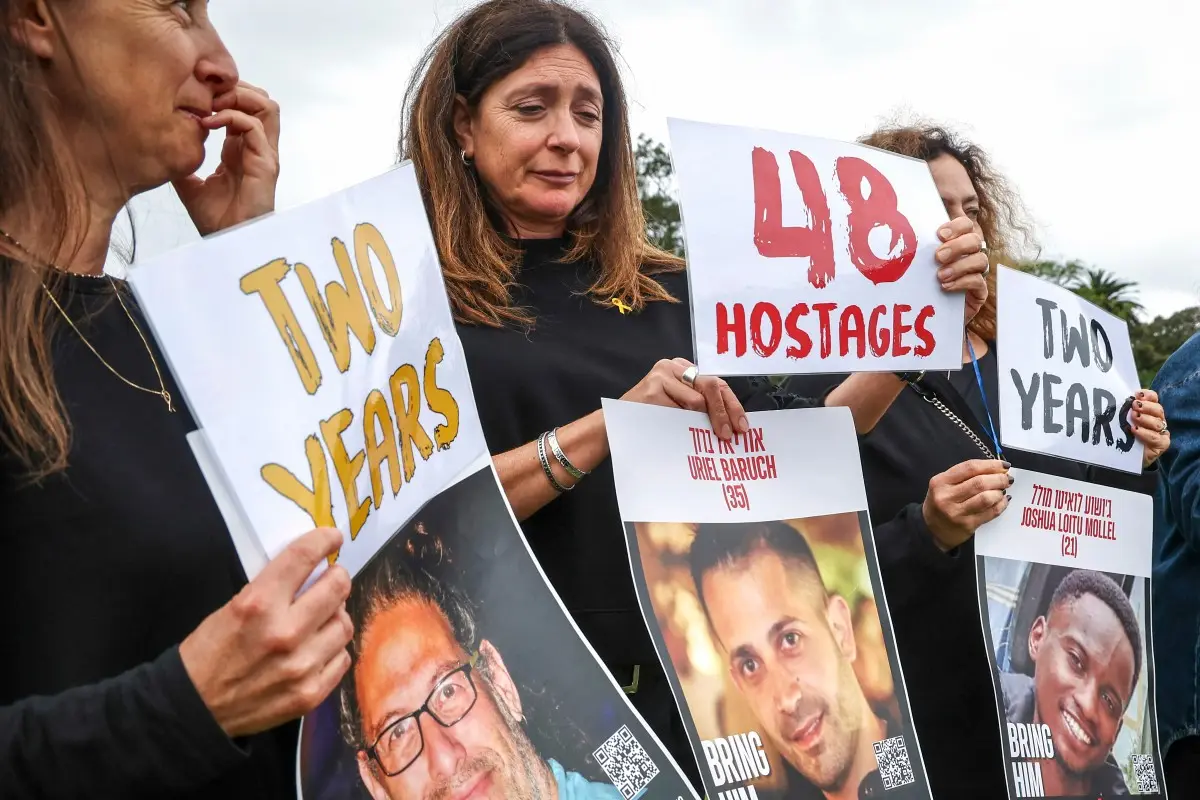
Two years have passed since Hamas militants stormed across the border on October 7, 2023. That attack triggered Israel’s longest and most devastating military campaign in Gaza’s history — a war that has redrawn the map of the region, erased entire neighbourhoods, and left deep political and humanitarian scars.
Over 1,000 killed
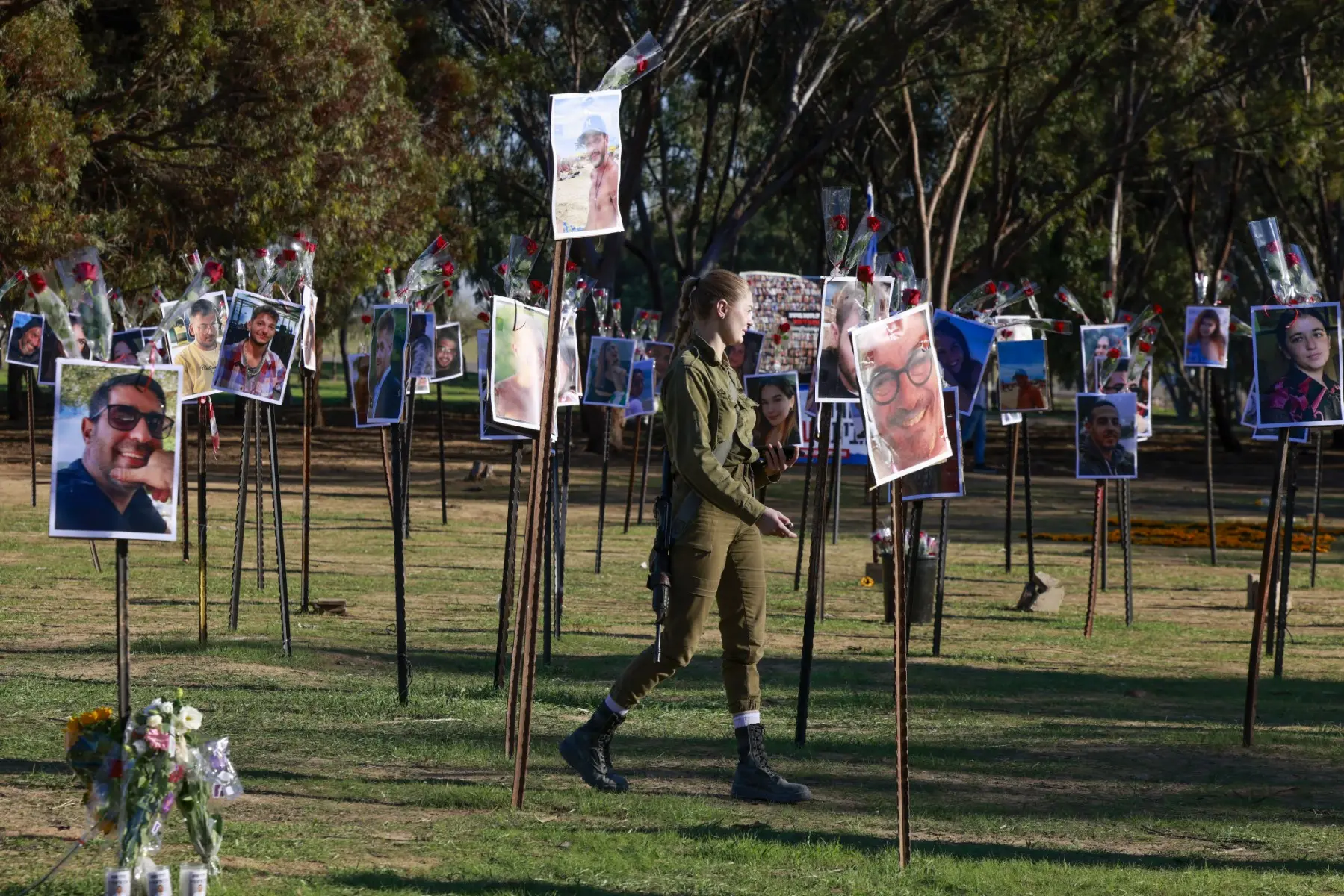
In the October 7 attack, as per Israeli figures, over 1,200 people were killed.
251 taken hostage
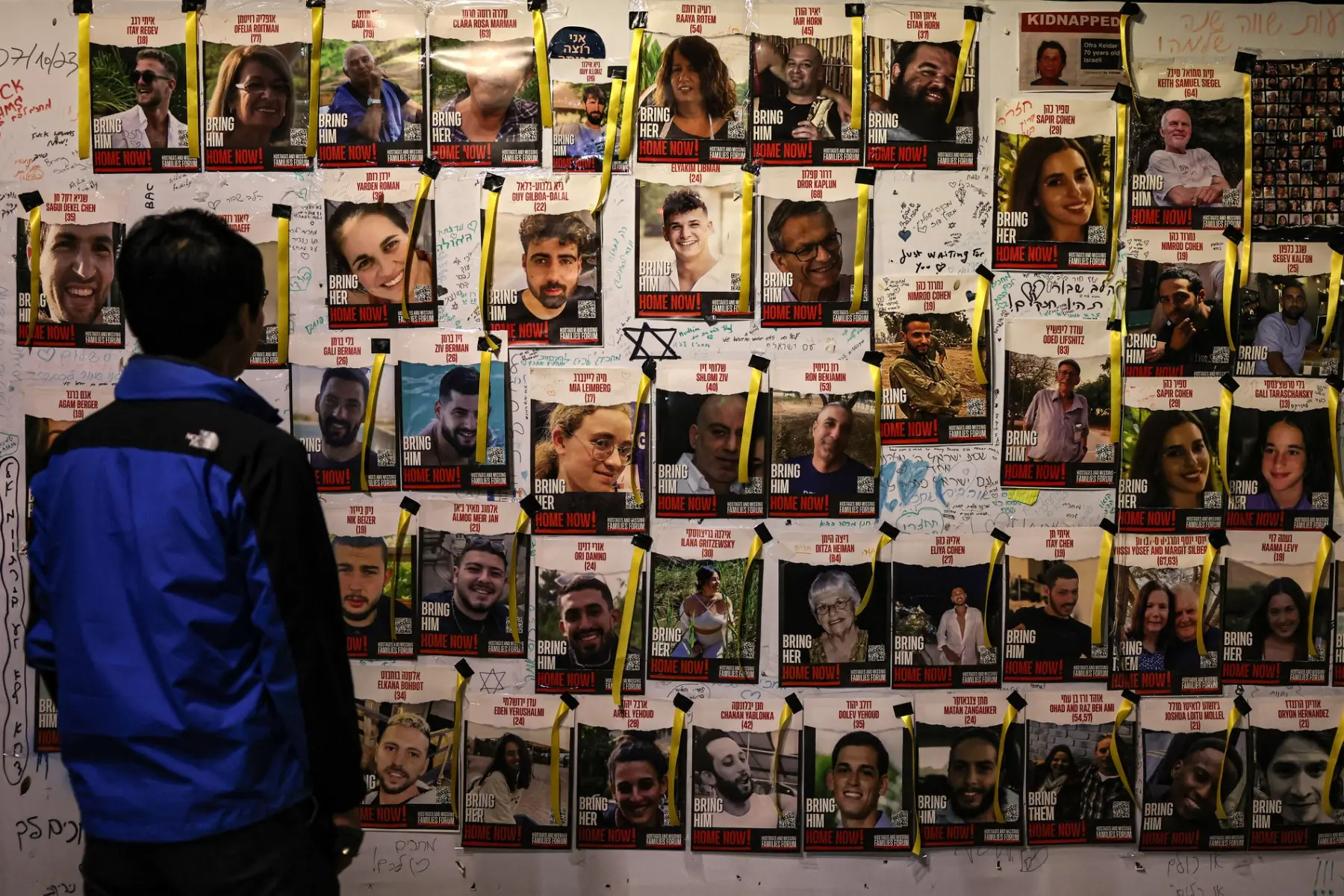
Hamas militants also took hostage 251 people. Some of them have come home, some still await freedom, and many have died, their bodies still held hostage in Gaza.
Thousands of Palestinians dead
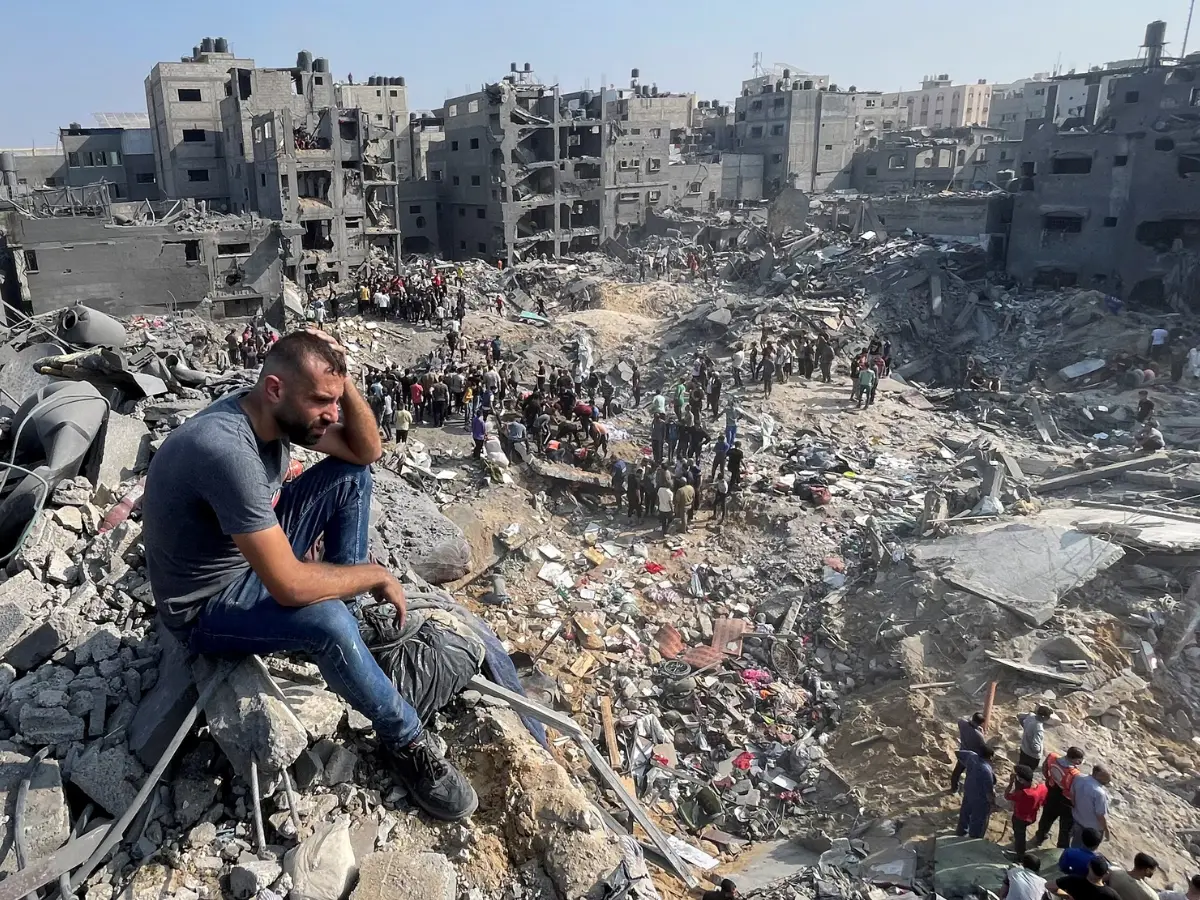
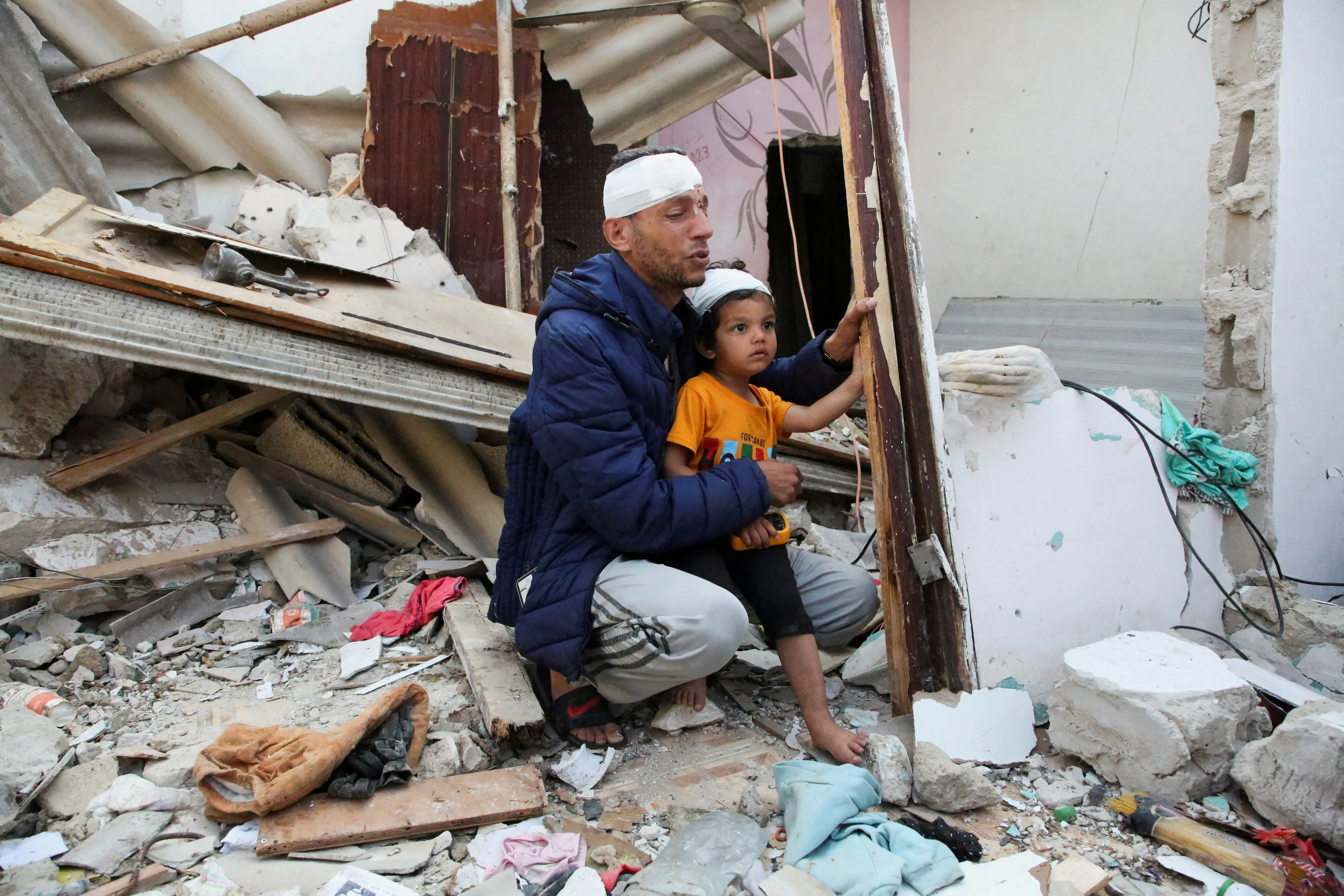
One in every 33 people in Gaza is now dead — nearly 3 per cent of the population. Among them are at least 20,000 children, meaning roughly one child has been killed every hour for the past two years.
Hundreds of thousands wounded
More than 169,000 people have been injured, many suffering amputations or life-altering wounds.
Starvation: A weapon of war
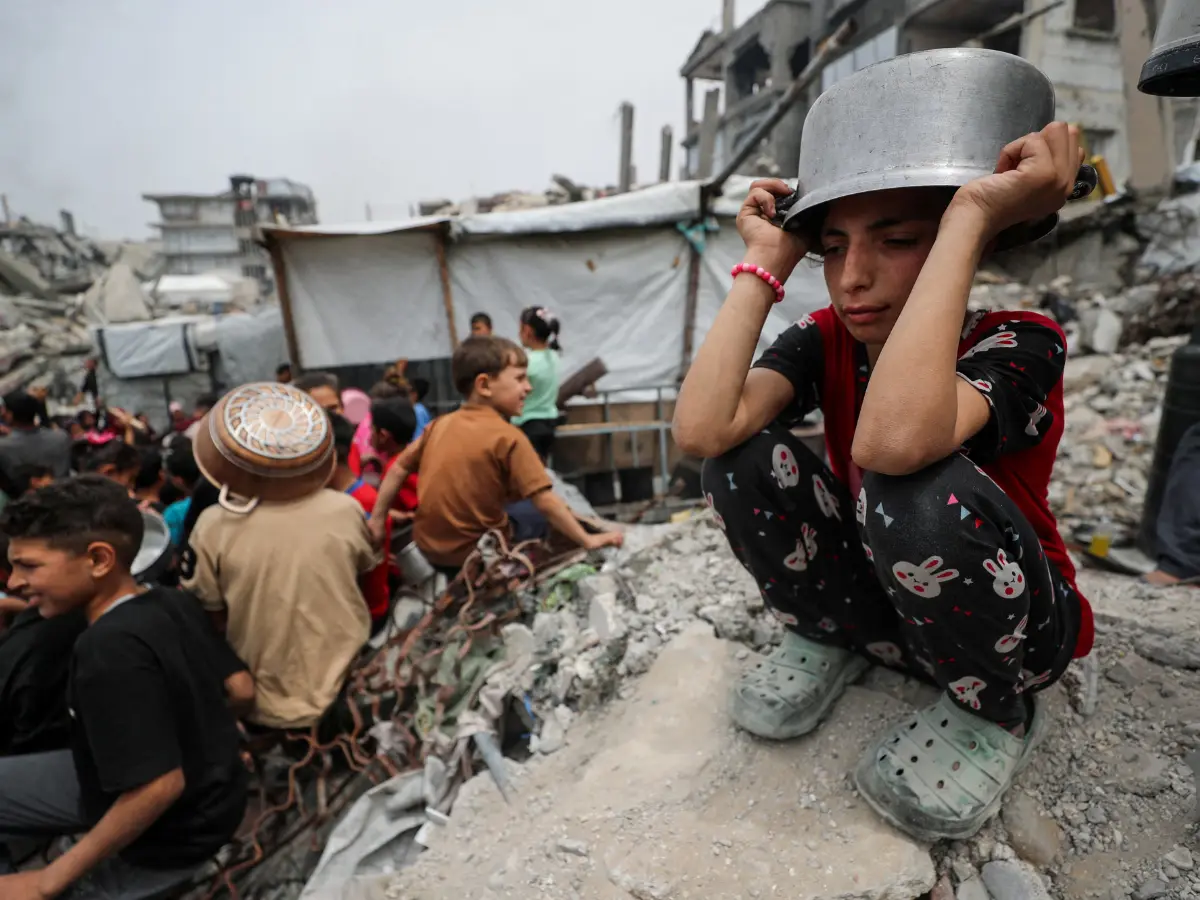
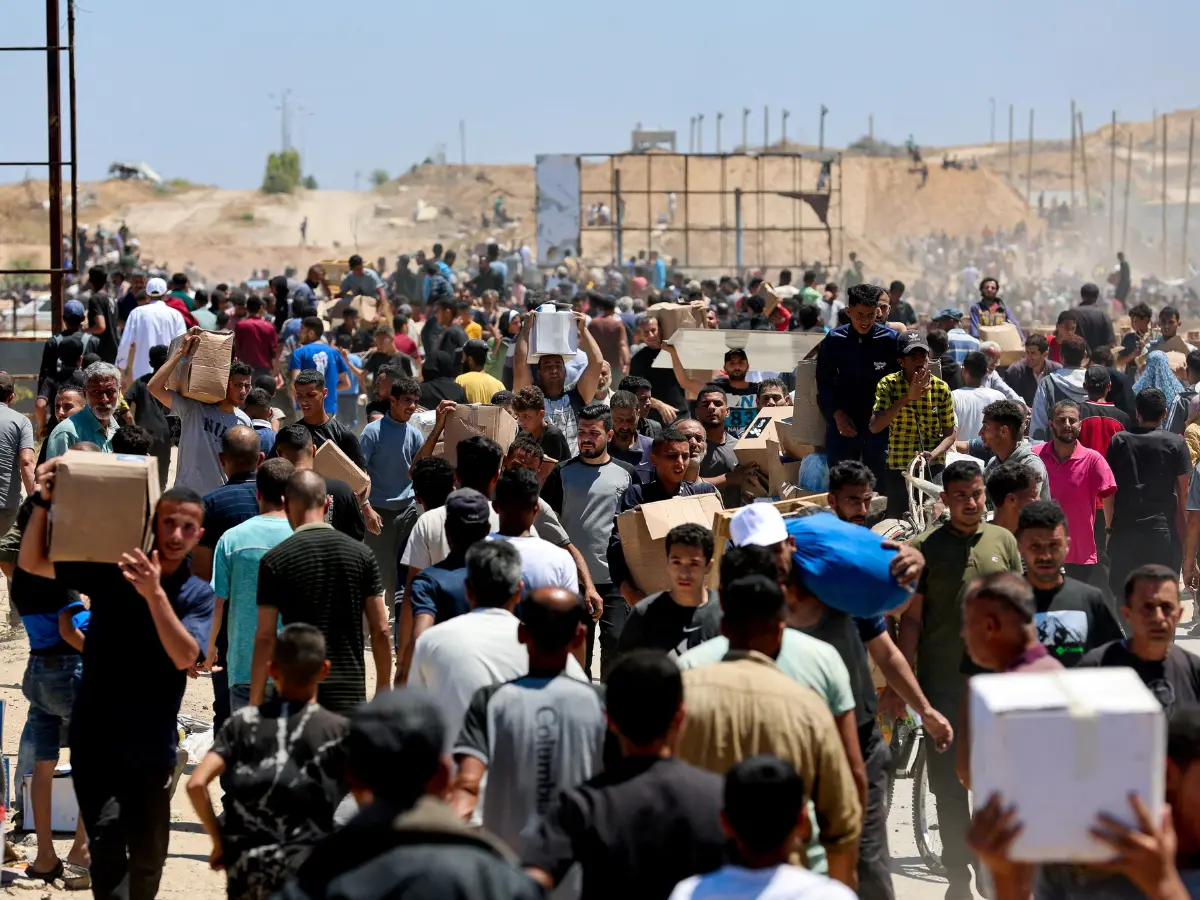
Starvation has become another weapon of war. With Israel blocking aid routes for months, the UN-backed Integrated Food Security Phase Classification system formally declared a famine in Gaza in August 2025 — the first recognised famine in the Middle East.
Children in Gaza starving
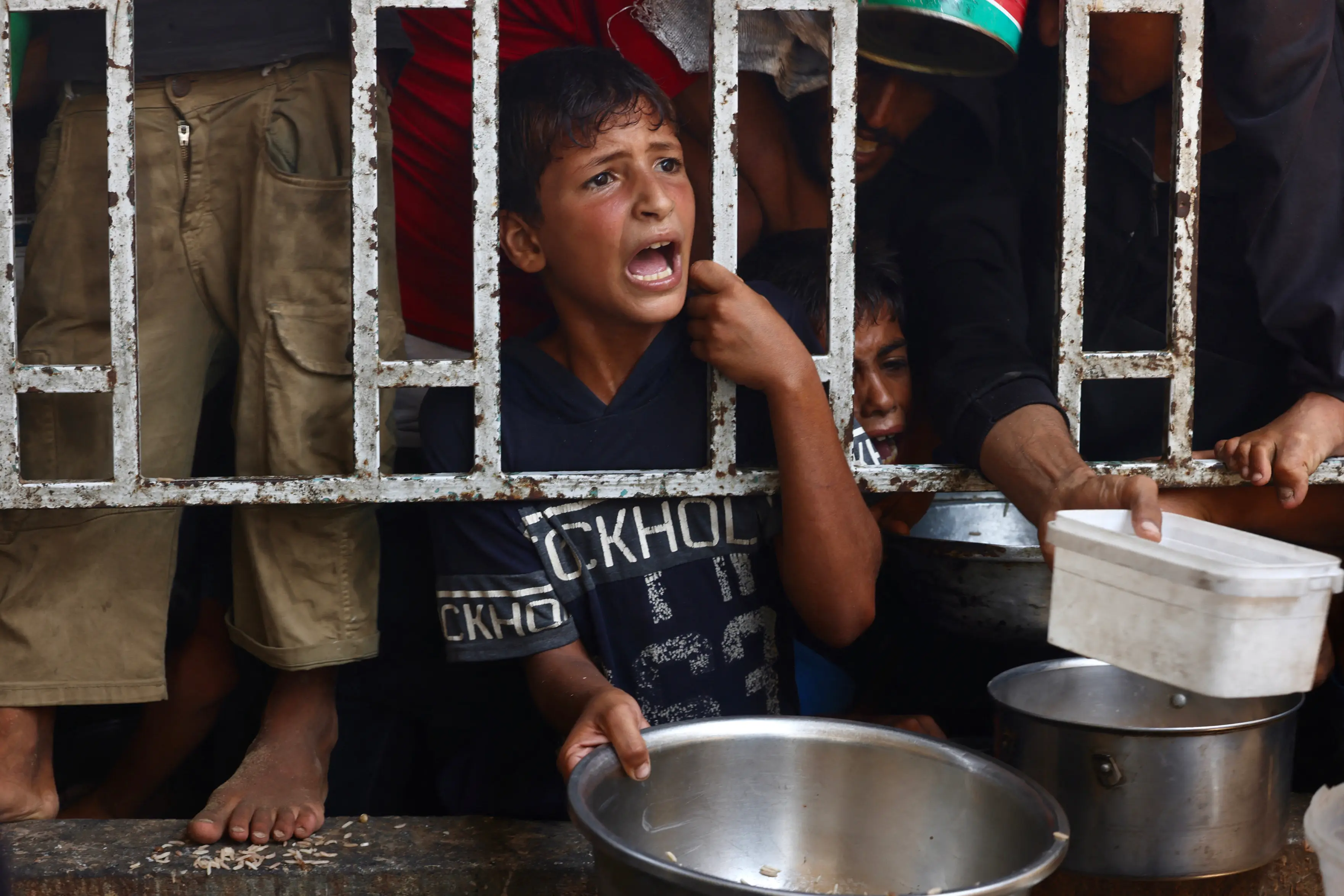
At least 459 people, including 154 children, have died from hunger. Nearly a third of Gaza’s population — more than 600,000 people — now faces what the UN calls “catastrophic” conditions. Children are suffering at record rates of malnutrition.
Education system in tatters
Gaza’s education system has collapsed. More than 650,000 children and 87,000 university students have lost access to learning as 92 per cent of schools lie in ruins. Over 780 educators have been killed.
Water, shelter, and survival
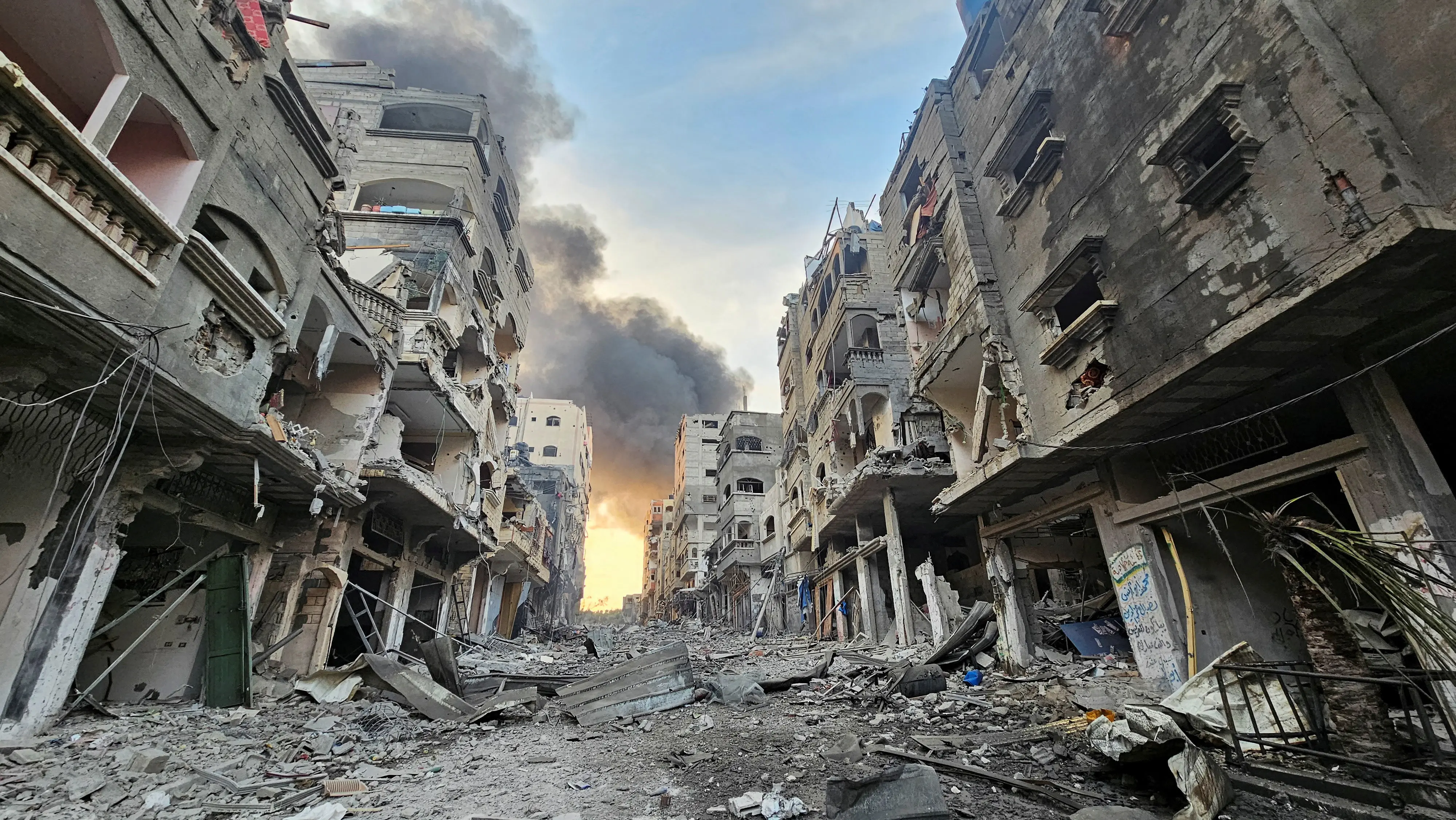
The war has shattered Gaza’s basic infrastructure. Nearly 90 per cent of the water and sanitation network has been destroyed, leaving 96 per cent of households without clean water. The average Gazan now survives on less than 6 litres a day — far below the emergency survival minimum.
Satellite data shows 92 per cent of residential buildings and 88 per cent of commercial spaces have been damaged or destroyed. With 78 per cent of structures flattened, millions remain displaced. The World Bank estimates physical destruction alone at $55 billion.
Killing journalists or killing the story?
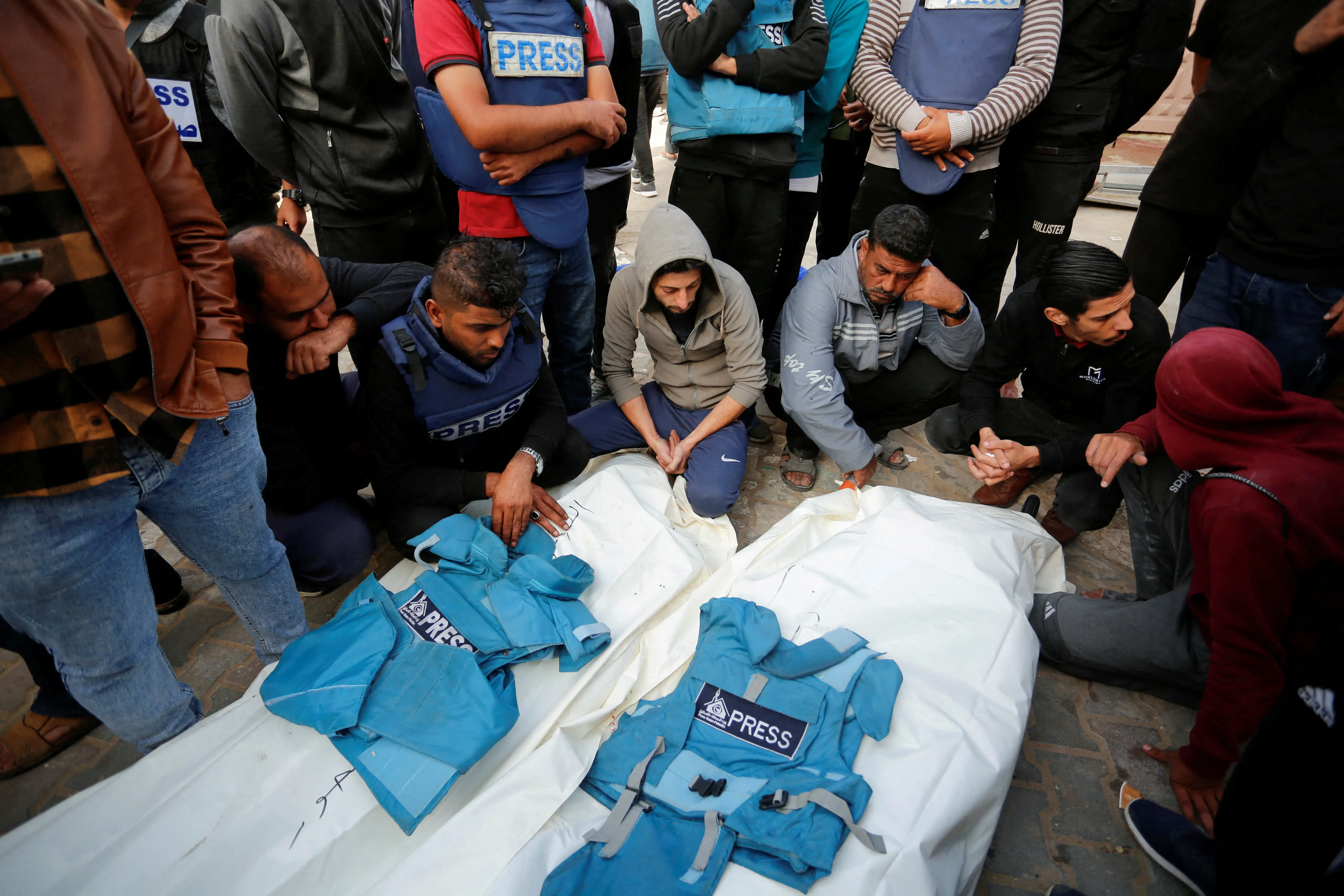
Nearly 300 journalists have also been killed since the war began. UN experts say the targeting of reporters amounts to an effort to silence Palestinian voices. As UN Special Rapporteur on Freedom of Expression and Opinion Irene Khan put it: “This is not just about killing journalists. It is about killing the story.”
)
)
)
)
)