From Voyager to Tesla car! 5 man-made objects on an endless journey through space

Humanity has always been fascinated with sending objects beyond Earth, some for science, some for history, and some just for the heck of it.

Voyager 1 & 2 — Humanity’s Far-Flung Messengers
Launched in 1977, the Voyager twins are the farthest human-made objects from Earth. Voyager 1 is now more than 24 billion kilometres away, officially in interstellar space. Each carries the famous Golden Record, a time capsule of Earth’s sounds, music, and greetings in 55 languages, meant to tell aliens who we are. They’re still sending faint signals, though their power is running out.
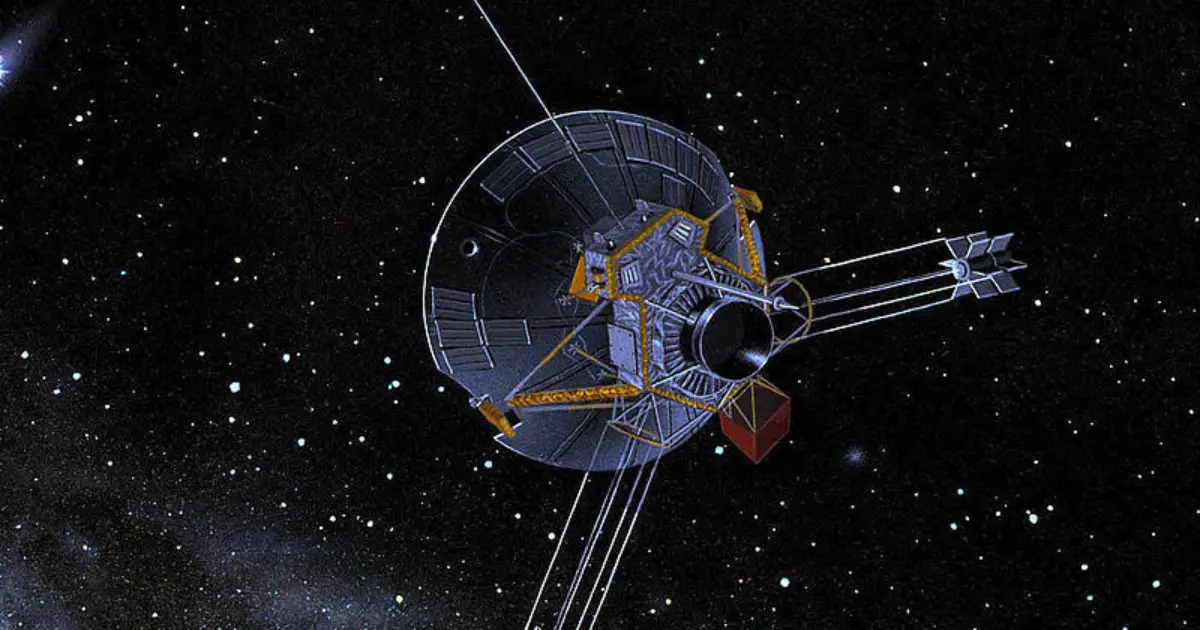
Pioneer 10 & 11 — The First to Cross the Asteroid Belt
Before the Voyagers, the Pioneer spacecrafts (launched in the early 1970s) became the first probes to venture past the asteroid belt and make close encounters with Jupiter and Saturn. Each carries a golden plaque showing a map of our solar system and the nude figures of a man and a woman, an early attempt at interstellar communication. Today, they drift silently, their signals long gone.

Tesla Roadster — Elon Musk’s Cosmic Stunt
In 2018, SpaceX launched a red Tesla Roadster into space aboard the Falcon Heavy rocket. With a mannequin named “Starman” in a spacesuit sitting at the wheel, the car now orbits the Sun, crossing the paths of Mars and Earth. In the coming millions of years, it might slam into Venus, Earth, or just keep drifting, making it one of the quirkiest space artifacts ever launched.
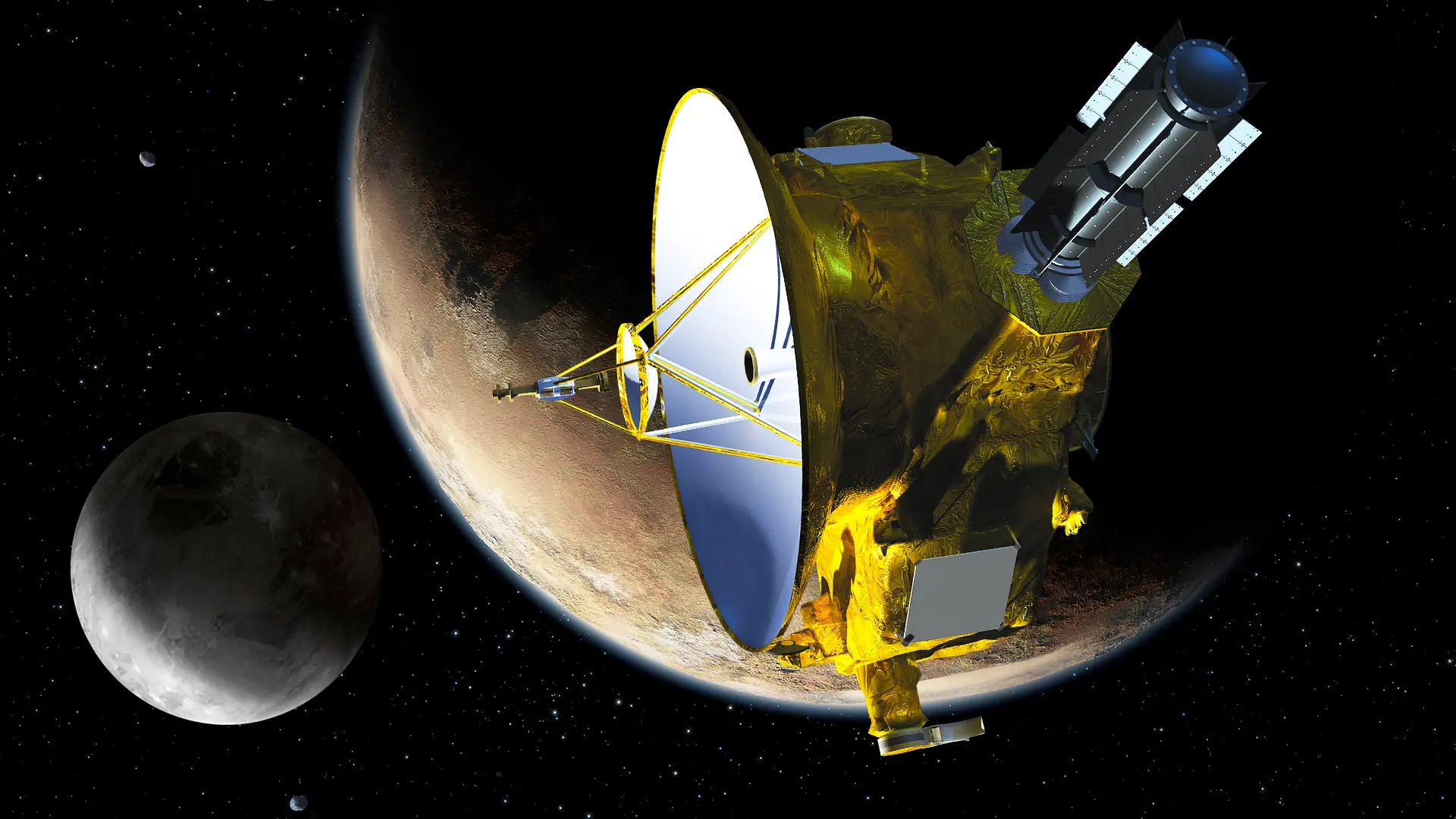
New Horizons — The Pluto Photographer
Launched in 2006, New Horizons gave us the first close-up images of Pluto in 2015. Having completed its main mission, the probe is now traveling deeper into the Kuiper Belt and beyond. It carries some of Clyde Tombaugh’s ashes (the man who discovered Pluto), making it not just a scientific probe but also a symbolic messenger of humanity.
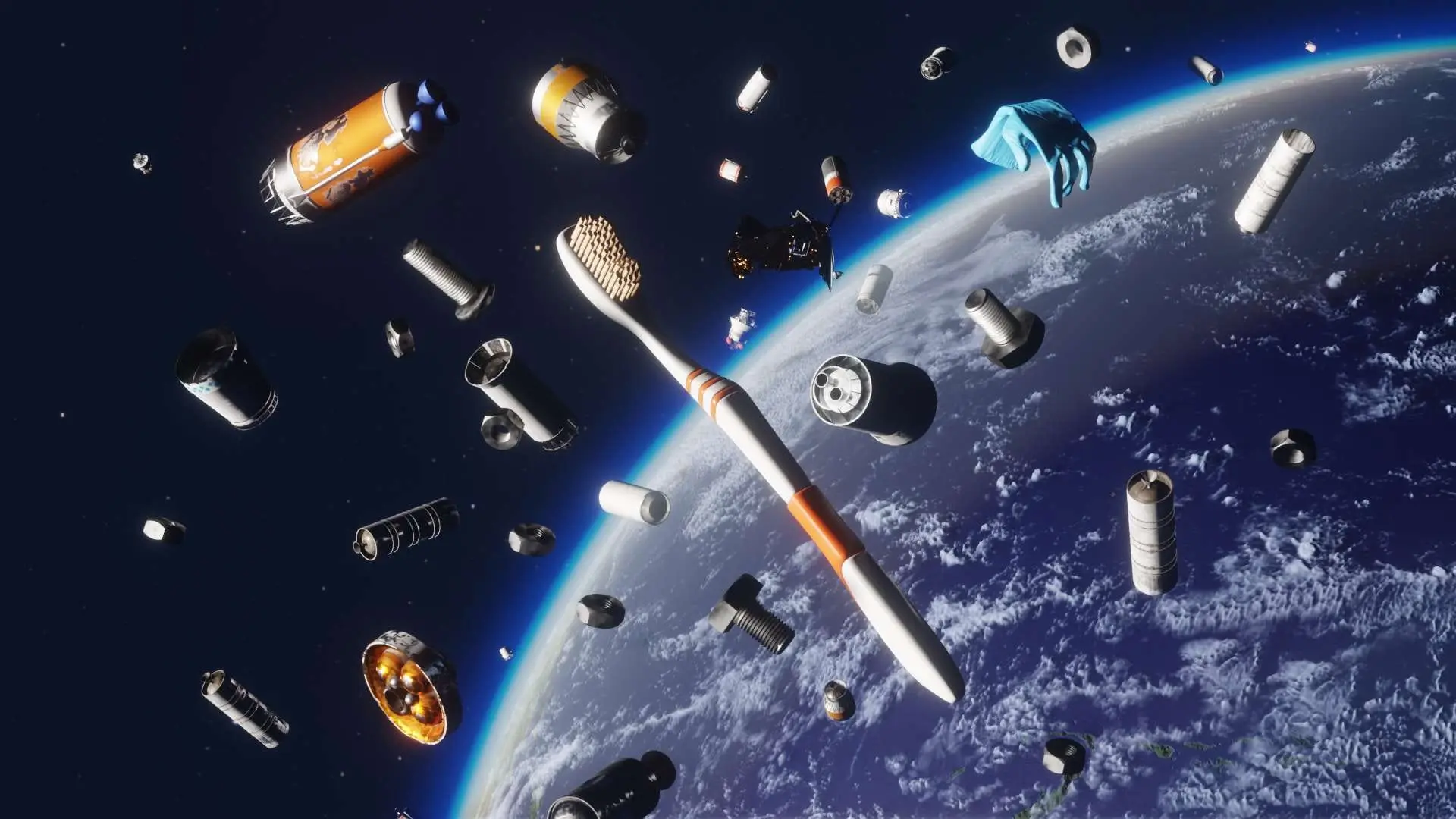
The Upper Stages of Rockets — Accidental Space Junk
Not all objects floating freely in space were meant as interstellar ambassadors. Many rocket upper stages from missions like Apollo, Voyager, and more are still out there, drifting in solar orbit. They carry no instruments or messages, just leftover machinery, reminders of the cost of reaching the stars.
)
)
)
)
)