From Ukraine to South Africa: 5 countries that abandoned their nuclear weapons and why

Edited By Subhadra Srivastava
Published: May 19, 2025, 14:49 IST | Updated: May 19, 2025, 14:49 IST
In an era of heightened diplomatic tensions, when the threat of nuclear war looms large, there are several countries once in possession of or on the path to nuclear arms chose to disarm, aiming for stability over escalation.
1 / 7
Introduction
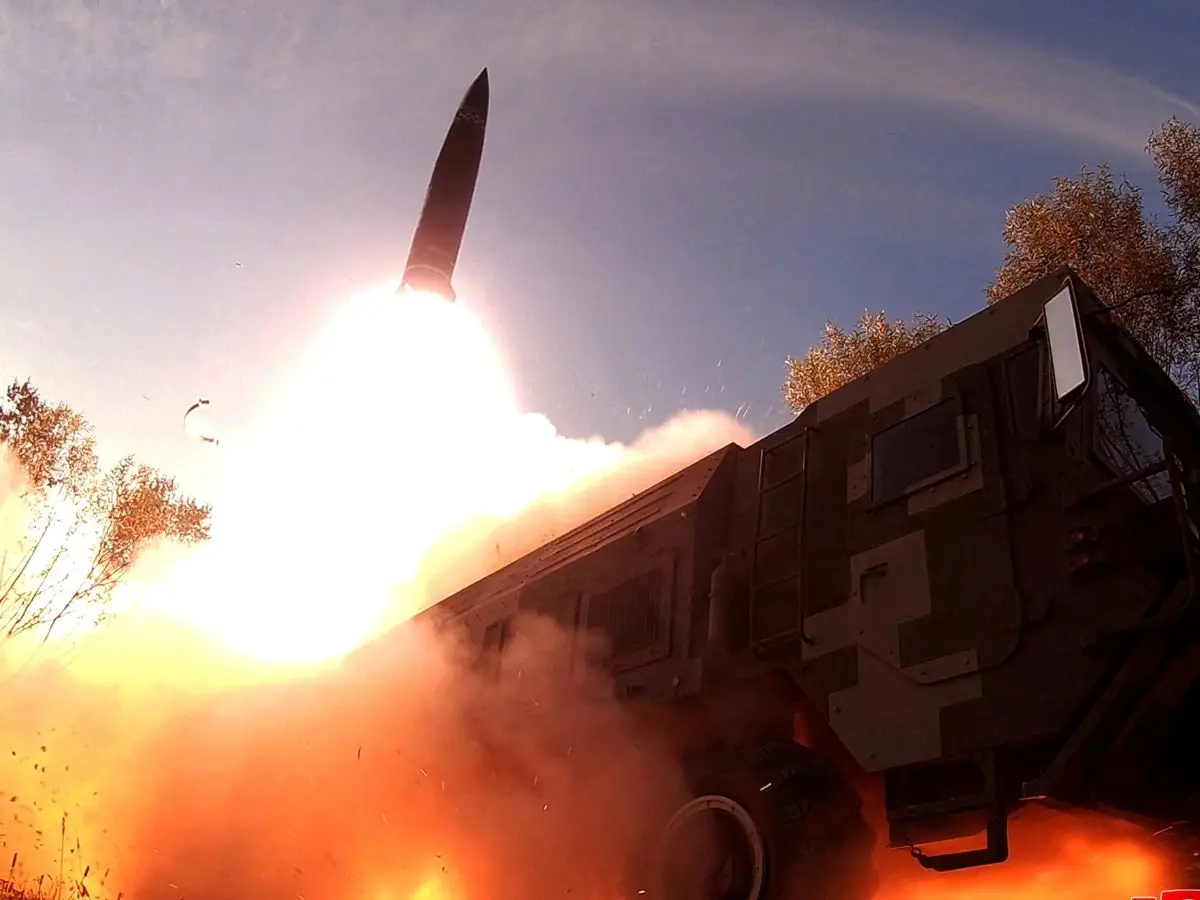
In an era of heightened diplomatic tensions—most recently between the two nuclear-armed neighbours, India and Pakistan, when the threat of nuclear war looms large, there are several countries once in possession of or on the path to nuclear arms chose to disarm, aiming for stability over escalation. Whether driven by economics, diplomacy, or security, their decisions offer a perspective worth revisiting.
2 / 7
Ukraine
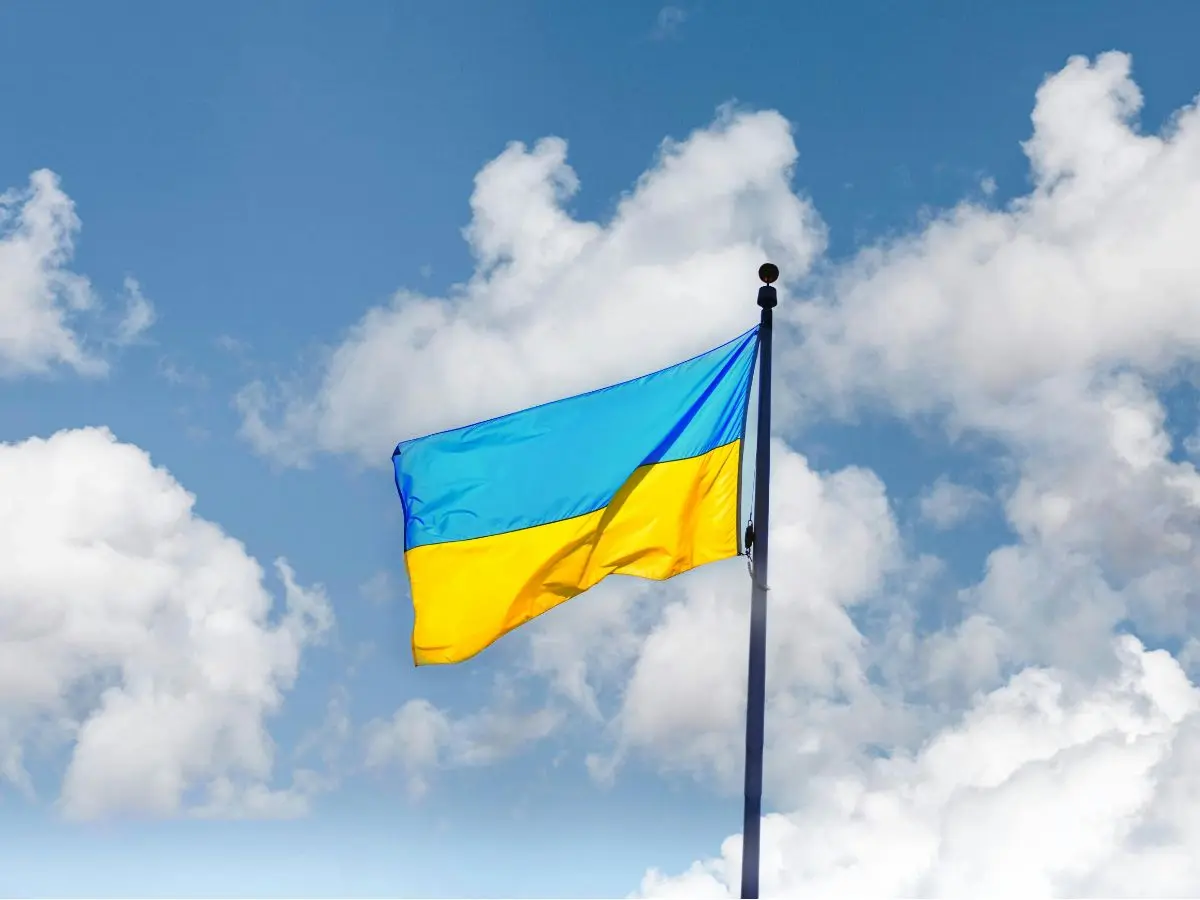
Ukraine, in 1991, inherited the world’s third-largest nuclear arsenal with approximately 1,900 warheads, after the Soviet Union collapsed. By 1996, it had already transferred all nuclear arms to Russia. The move was influenced by economic hardship, a lack of infrastructure to control the arsenal, but was mostly a result of the 1994 Budapest Memorandum, in which the US, UK, and Russia pledged Ukraine’s sovereignty in exchange for disarmament.
3 / 7
Kazakhstan
Post-independence, Kazakhstan held about 1,400 nuclear warheads and was host to the Semipalatinsk nuclear test site. It, however, opted for disarmament by 1995 which was a result of domestic anti-nuclear movements and international assistance under the Cooperative Threat Reduction programme. Kazakhstan, later joined the Non-Proliferation Treaty (NPT) in 1991.
4 / 7
Belarus
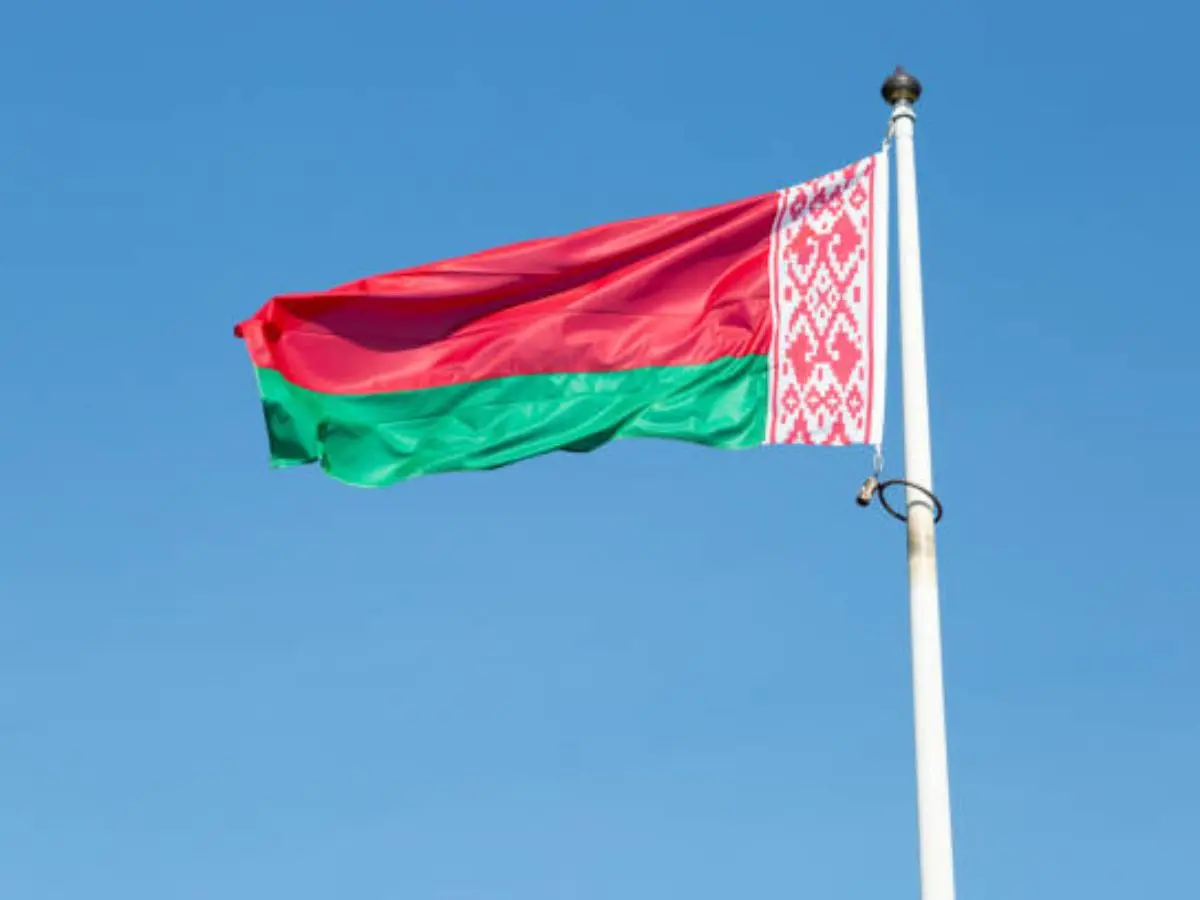
Belarus inherited about 81 nuclear missiles but lacked it's operational control, resultantly, all the nuclear warheads were returned to Russia by 1996. This decision was shaped by a mix of economic constraints and close political alignment with Russia shaped its decision, as did incentives from Western countries and a desire to avoid becoming a geopolitical flashpoint.

5 / 7
South Africa
During the apartheid era, South Africa developed six nuclear weapons. In a globally unprecedented step, however, S. Africa voluntarily dismantled its arsenal by 1991. Motivations for this step included the Cold War’s end, apartheid’s demise, and a desire for reintegration into the international community. It later joined the NPT and helped to lead non-proliferation efforts in Africa.

6 / 7
Libya
Libya gave up its nascent nuclear programme in 2003. However steps such as, harsh economic sanctions, fear of military intervention post the 9/11 attacks, and limited technical progress all pushed Muammar Gaddafi’s regime to negotiate disarmament with the US and UK in exchange for diplomatic rehabilitation.
7 / 7
Early abandonments
There were some nations that never reached full weaponisation. Countries like Sweden, Argentina, Switzerland, and Brazil explored nuclear paths but halted their programmes due to financial, technical, or diplomatic pressures. Their decisions show how non-proliferation has often been shaped by pragmatism over ambition.
)
)
)
)
)