From Slovenia to Iceland: 7 NATO countries with the lowest military strength

Within this powerful coalition, there exists a striking imbalance: while some members command vast armies and advanced weaponry, others operate with limited manpower, modest budgets, or even without a standing army at all.
Measuring Military Strength
NATO is a military alliance spanning North America and Europe, uniting 32 nations under a common defence pact. Yet within this powerful coalition, there exists a striking imbalance: while some members command vast armies and advanced weaponry, others operate with limited manpower, modest budgets, or even without a standing army at all. Data from the Global Firepower Index for 2025 reveals the seven weakest military forces inside NATO, highlighting just how uneven the alliance’s conventional strength truly is.
1. Slovenia
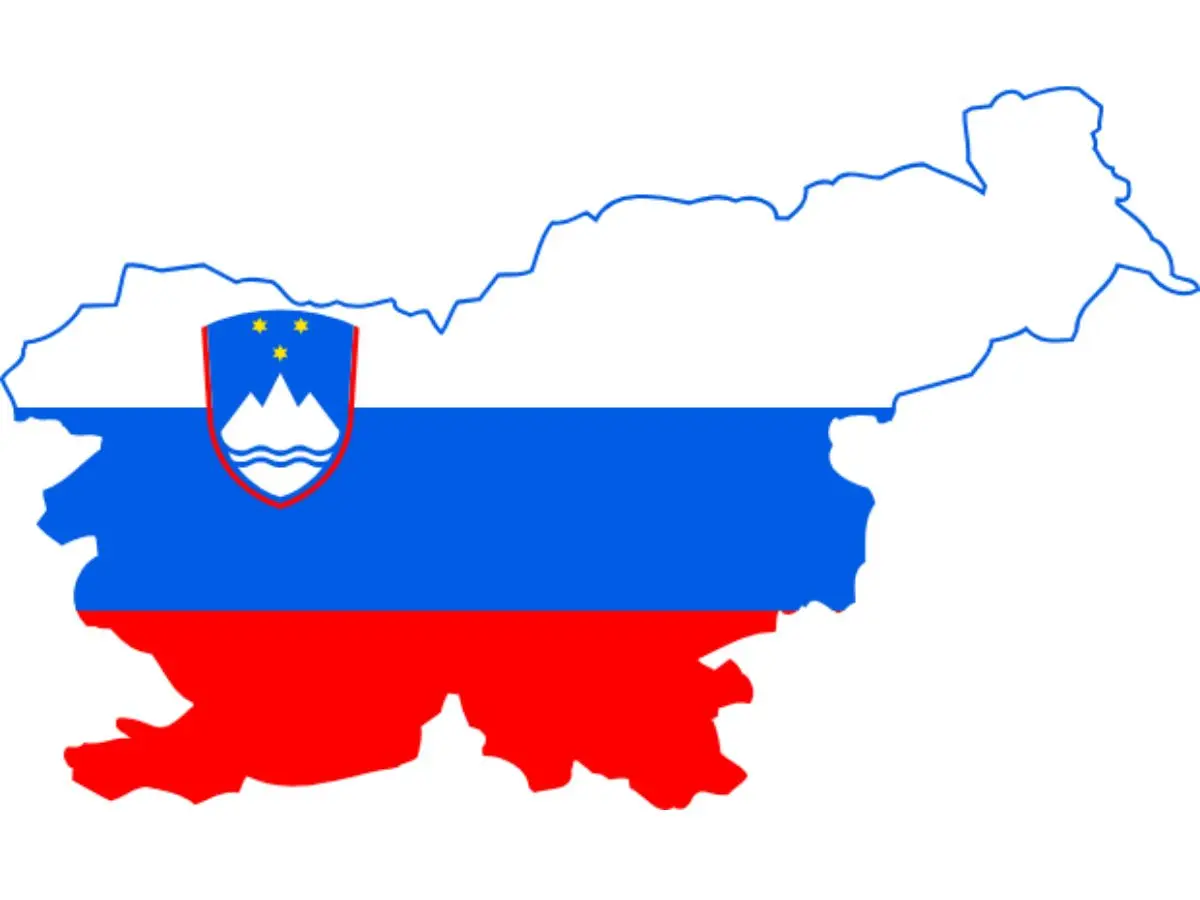
Slovenia ranks 26th among NATO members with a PwrIndx of 2.1016. Its relatively small population restricts manpower and reserve strength, while limited defence spending constrains equipment procurement. Despite this, Slovenia contributes actively to NATO through peacekeeping missions and regional security initiatives.
2. Latvia
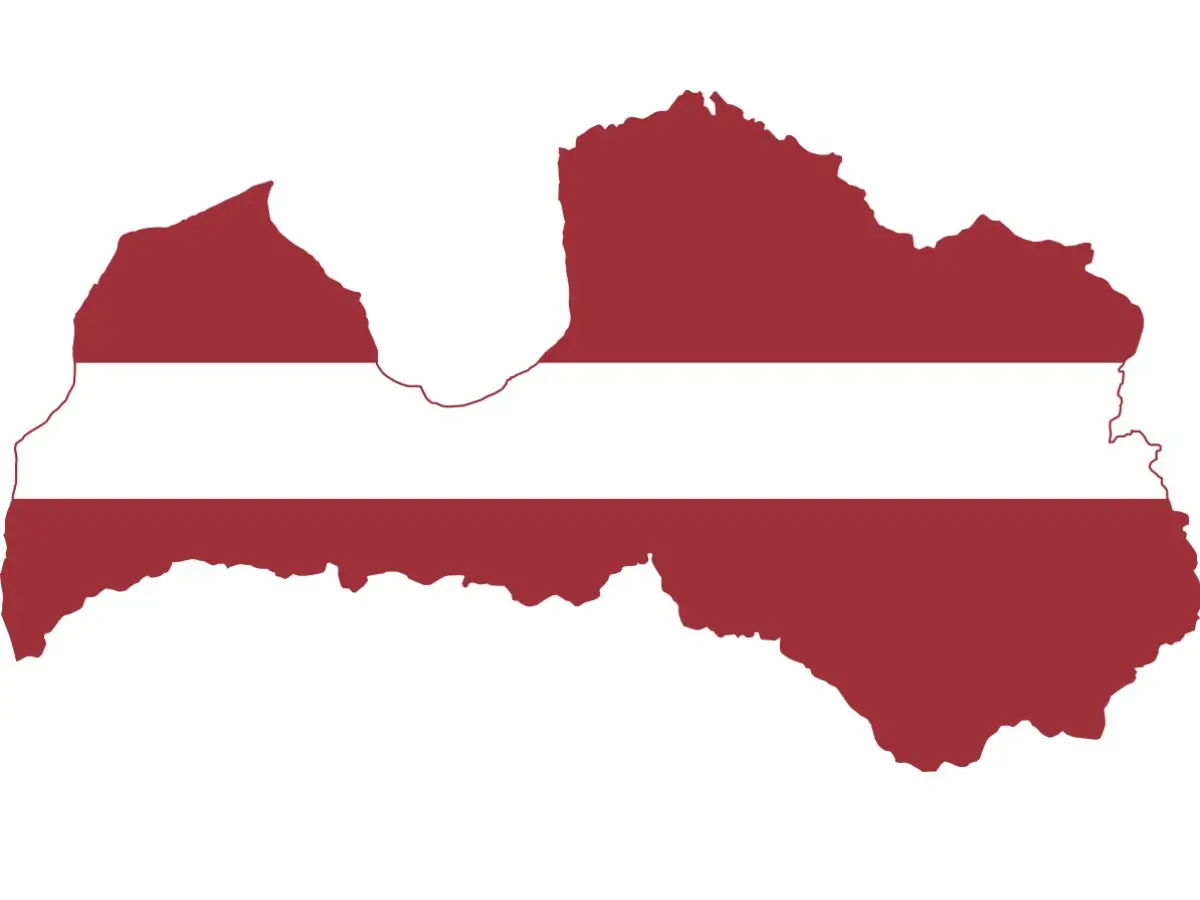
Latvia comes 27th, scoring 2.1246. Positioned on NATO’s eastern frontier, it plays an important strategic role, yet its small size and limited resources mean its independent military power remains modest. Latvia’s armed forces prioritise interoperability with allies, particularly in cyber defence and joint exercises, rather than fielding large conventional forces.
3. Estonia
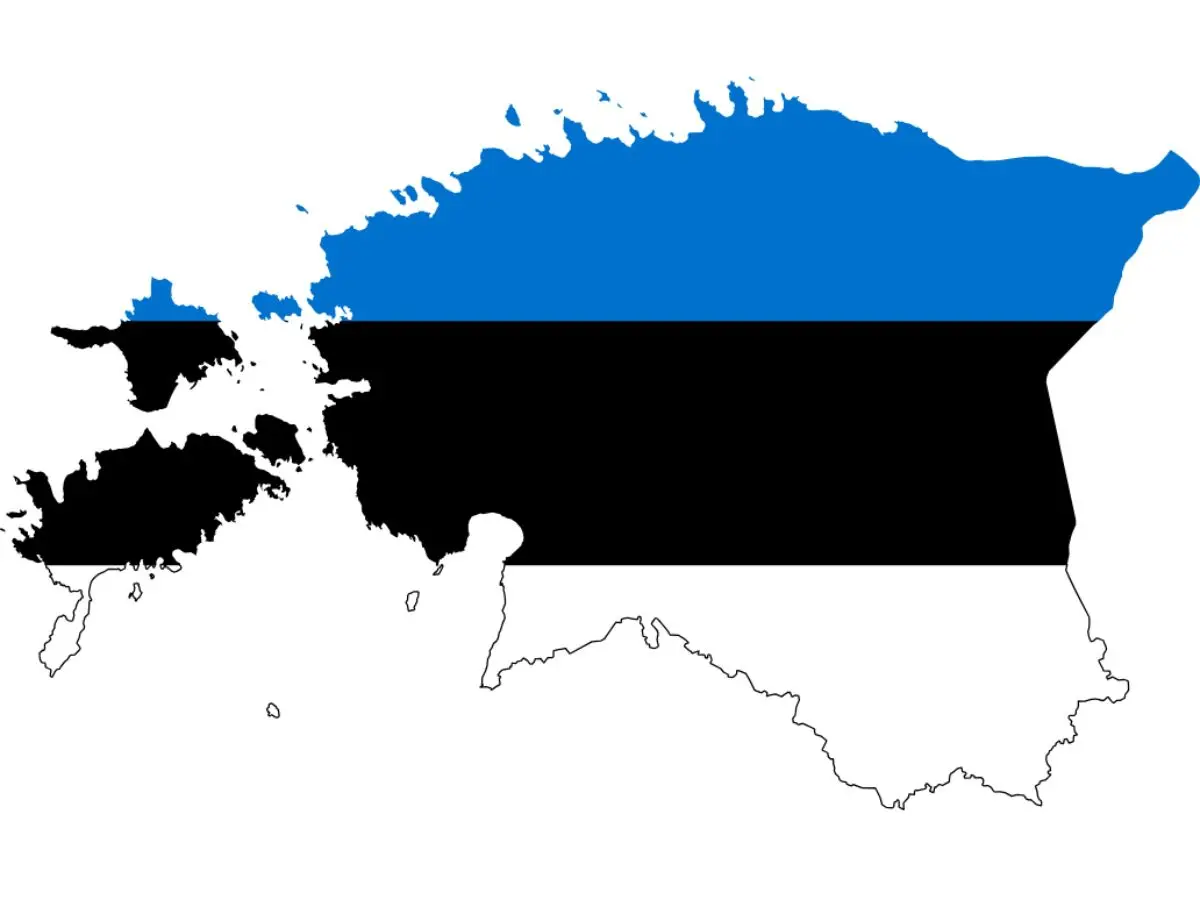
Estonia ranks 28th, with a PwrIndx of 2.2917. While its active force is small, Estonia has gained recognition for significant investments in cyber-security and digital defence, complementing NATO’s overall strength. Conventional assets such as armour, naval units, and combat aircraft remain minimal, but Estonia offsets this with niche contributions that strengthen alliance resilience.
4. North Macedonia
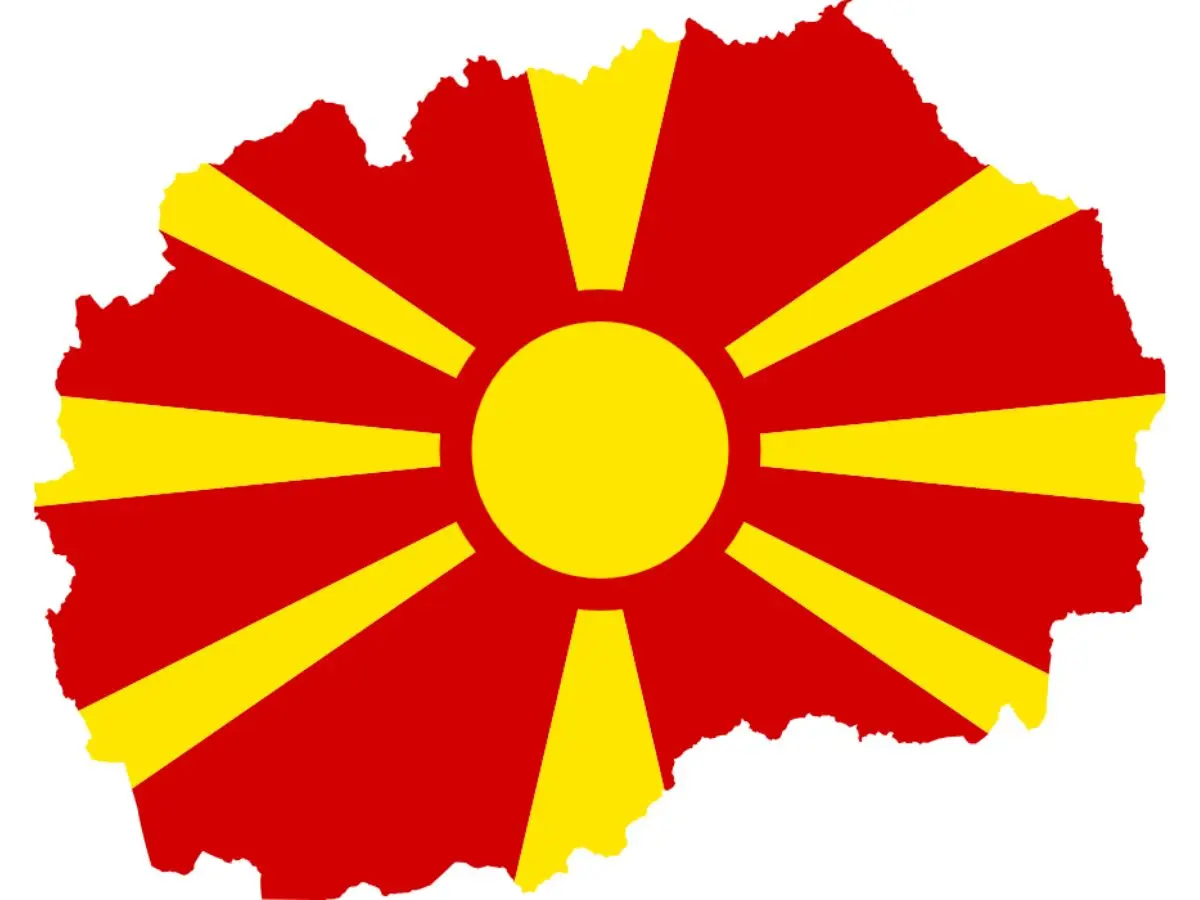
North Macedonia, one of NATO’s newer members, stands at 29th with a score of 2.4042. Its limited population and budget mean that it lacks advanced air and naval power. Nonetheless, its integration into NATO ensures that the country is protected under the alliance’s collective defence framework, while it contributes manpower and support to multinational operations.
5. Luxembourg
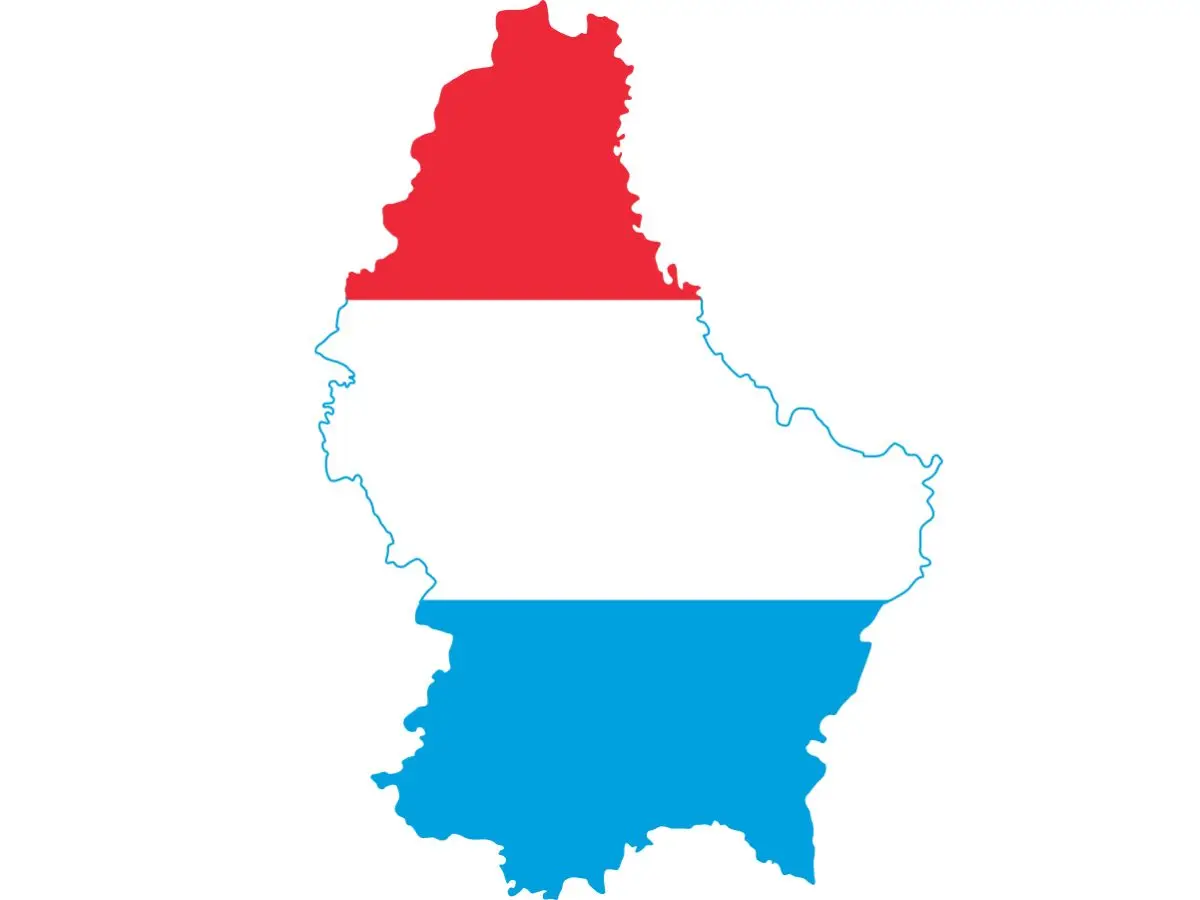
Luxembourg ranks 30th with a PwrIndx of 2.6415. Its extremely small standing forces and limited defence budget mean it relies heavily on NATO allies for protection. Despite this, Luxembourg contributes in areas such as logistics, communications, and financial support to joint defence initiatives.
6. Montenegro
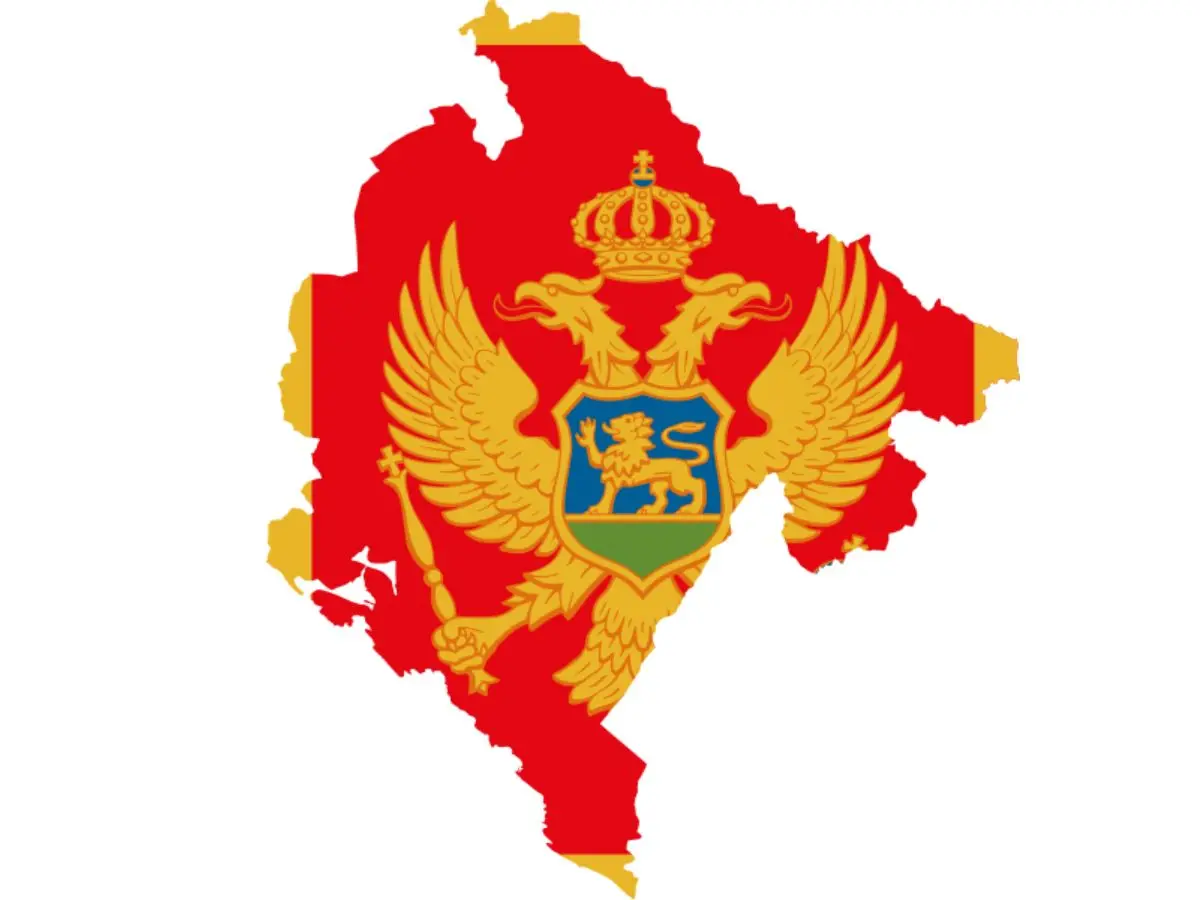
Montenegro follows at 31st, scoring 2.9216. Its modest size and resources restrict the scale of its armed forces, particularly in land and naval capacity. The country instead focuses on specialised contributions, including training and participation in peacekeeping operations, ensuring it remains an active NATO partner despite its limited conventional strength.
7. Iceland
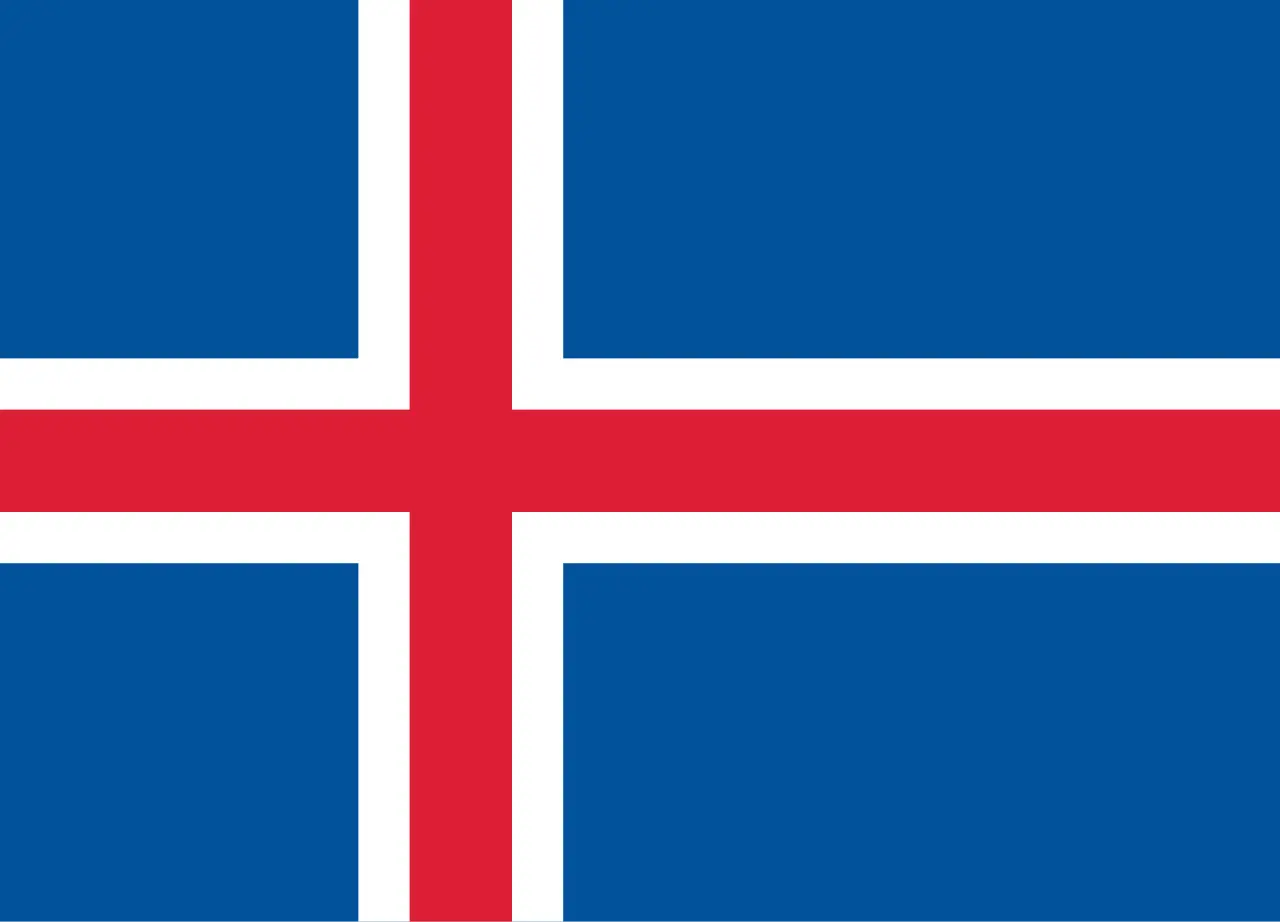
At the bottom of the NATO list is Iceland, ranked 32nd with a PwrIndx of 3.5181. Unlike other members, Iceland has no standing army, maintaining only a small coast guard and air defence agreement with allies. Its strategic value lies not in direct military strength but in its geographical position in the North Atlantic, where it provides critical basing and monitoring facilities for NATO operations.
)
)
)
)
)